REVIEW · HISTORICAL TOURS
Washington, DC: Natural History & Air and Space Museum Tour
Book on GetYourGuide →Operated by Babylon Tours DC · Bookable on GetYourGuide
Dino bones and moon gear, in one day. You get a tight, guided run through Washington, DC’s two biggest Smithsonian draws, with crowd navigation so you spend less time threading the lines and more time seeing the real standouts like Henry the elephant and the Hope Diamond. One thing to plan for: you must travel light, since only a small bag type goes through security and no luggage or large bags is allowed.
I also like the human factor. Guides such as Tim, Brenda, Leigh, and Doug bring the exhibits to life with clear stories and practical context, and you can choose small groups (max 8) or a private option to keep the pace manageable. The result feels less like museum sightseeing and more like learning how these collections connect.
In This Review
- Key Highlights You’ll Actually Feel During the Tour
- Natural History Museum: Henry the Elephant to Fossil Hall Monsters
- Diamonds, Dinosaurs, and a Guide’s Crowd-Handling Magic
- Walking the National Mall: The Quick Reset Between Museums
- Air and Space Museum: Wright Brothers to Apollo 11 Command Module
- Pace, Group Size, and What You Need for Security
- Price and Value: Is $166 Worth It?
- Who Should Book This DC Natural History and Air & Space Tour
- Should You Book Babylon Tours DC?
- FAQ
- What museums does the tour cover?
- How long is the tour?
- Where do we meet the guide?
- Does the tour include ticket lines?
- Is it a private tour or a group tour?
- What is included in the price?
- Is hotel pickup or drop-off included?
- What should I bring for entry?
- Are luggage and large bags allowed?
- What if a museum closes or delays happen?
Key Highlights You’ll Actually Feel During the Tour

- Henry the elephant welcome right away sets the Natural History tone fast
- Fossil Hall includes Mastodon, T-Rex, and Diplodocus to show scale and evolution in one walk
- 1903 Wright Brothers Flyer plus the Apollo 11 Command Module anchor the Air & Space half
- Skip the ticket line and let the guide handle crowd timing
- Sci-fi tie-ins like Starship Enterprise and Star Wars X-Wing show how imagination drives tech
Natural History Museum: Henry the Elephant to Fossil Hall Monsters
The day starts at the Museum of Natural History, on the big stairs at the Madison Drive NW entrance facing the lawn of the National Mall. From there, your guide gets you moving through the museum at a pace that makes sense for a 2.5-hour guided walk.
I love how the Natural History portion is set up like a story. You begin with the museum’s world of stones, bones, and insects, and you’ll get the friendly orientation moment with Henry the elephant trumpeting his welcome. It’s a small detail, but it gives you a feeling for the museum’s personality before you even hit the headline exhibits.
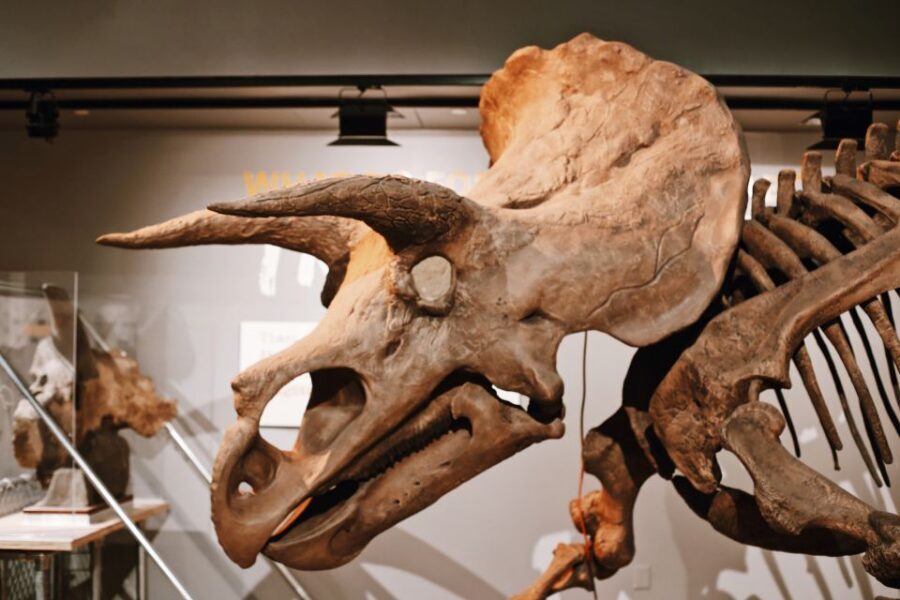
Then comes the part that usually turns first-timers into fossil fans. You’ll see the highlights, including the recently renovated Fossil Hall, where big names like Mastodon, T-Rex, and Diplodocus loom over the path. The guide’s job here matters: fossil exhibits can feel like a wall of skeletons if you’re just drifting. With a guide, you get the quick why behind the wow.
Two practical notes to keep in mind. First, this is a walking tour inside one of DC’s most popular museums, so comfy shoes pay off. Second, some rooms can have specific rules, including quiet or limited speaking, so keep your group energy low when your guide tells you to.
You can also read our reviews of more historical tours in Washington Dc



Diamonds, Dinosaurs, and a Guide’s Crowd-Handling Magic

Natural History museums are great, but the hard part is timing and focus. This tour is built to help you avoid the classic problem: wandering into the wrong hall at the wrong moment and spending an hour just trying to see what’s important.
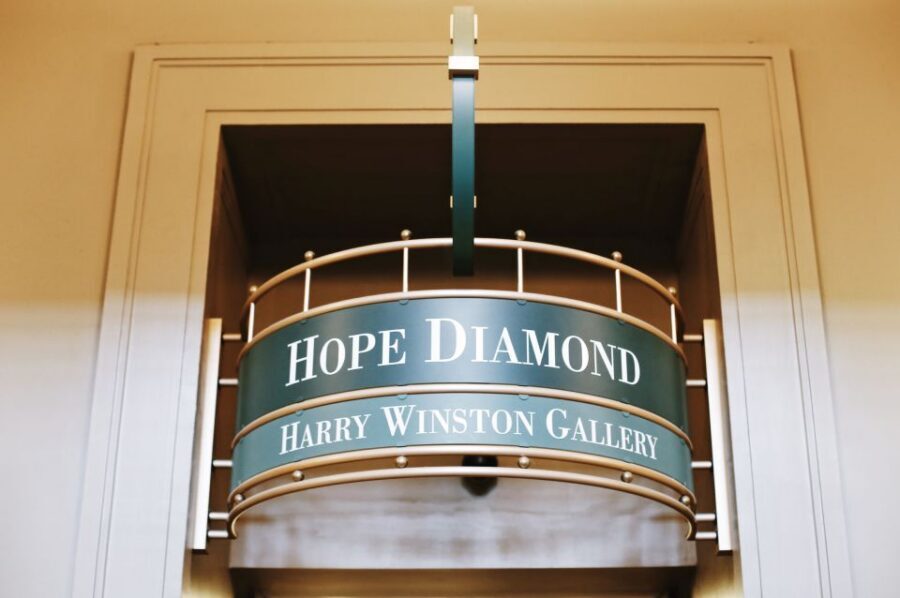
The highlights you’re likely to hit include the famous Hope Diamond, described as supposedly cursed, which gives the story a bit of drama while you learn the gem’s real context. You’ll also get the sense of how the Smithsonian’s collections are organized, not just what’s on display. That matters because once you understand how a museum builds a narrative, you enjoy the rest of what you see on your own afterward.
If you’re thinking, should I just do this on my own? You can. But with a guide, you’re essentially buying two things: direction and interpretation. Direction means you’re less likely to lose time circling. Interpretation means you’re more likely to remember what you saw instead of only remembering how it looked.
A nice bonus is that the guide doesn’t treat it like a checklist. The guides behind this tour have been praised for detailed information and clear historical context. For example, Brenda is specifically noted for walking people through exhibits with detailed explanations, while Leigh is praised for real insight into the collections and displays, museum by museum.
And yes, you’ll still get to feel the childish wonder. Dinosaurs and stones are hard to fake, but the guide helps you connect them to how scientists think and how museums teach.
Walking the National Mall: The Quick Reset Between Museums

After you finish the Natural History Museum section, you’ll take a break to recharge before crossing the famous National Mall toward the Air and Space museum. This matters more than it sounds. You’re dealing with two huge attractions, and most people burn out when there’s no intentional reset.
That short reset gives you time to use facilities, grab a snack if you brought one, and refill water before the pace shifts again. Even though the tour includes the guided museum time, it doesn’t include food and drinks, so plan for your own simple break.
Also, the Air and Space museum is currently undergoing renovation, so expect a slight shift in how exhibits flow. The good news is that there’s still plenty to see, and your guide’s job is to steer you through what’s open and what’s most worth your attention.
Finally, remember that the museums can have occasional closures without much advance notice. If an opening delay stretches more than 1 hour from the tour’s starting time, you’ll be provided with an appropriate alternative, but refunds or discounts aren’t promised in that case. That’s one of those rare “city logistics” realities you can’t control, so I’d treat the day as flexible rather than rigid.
Air and Space Museum: Wright Brothers to Apollo 11 Command Module

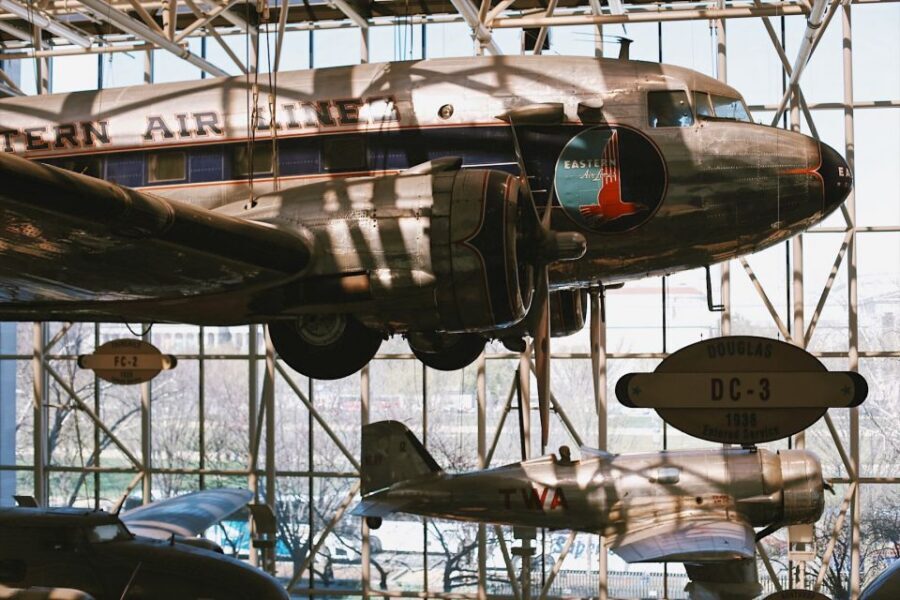
The Air and Space Museum is where the tour turns from fossils and gems to flight and space—planes to planets, and imagination to hardware. You’ll spend another 2.5 hours here on a guided walk, focused on major highlights.
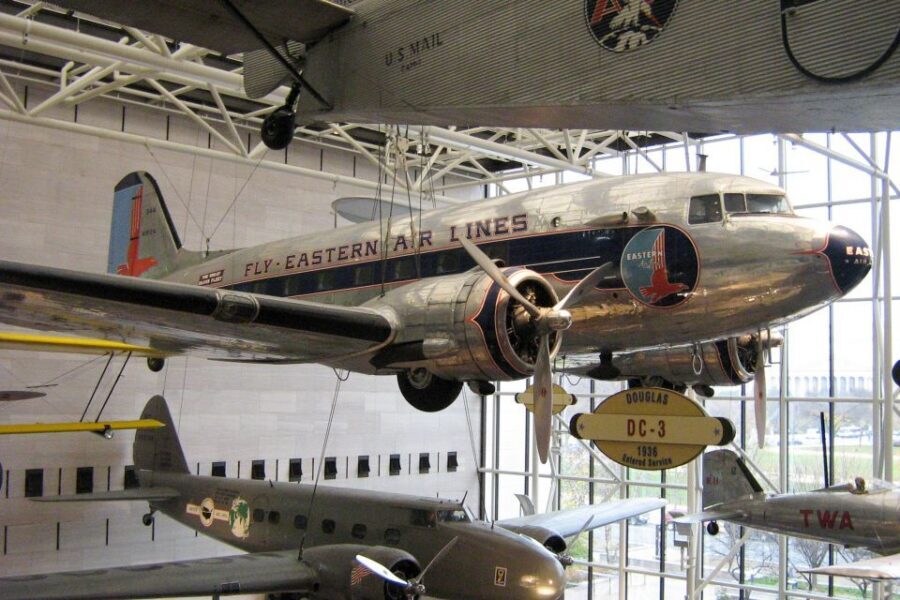
The first big lift is the Wright Brothers story. You’ll see the original 1903 Wright Flyer, with the exhibition gallery setting context for what followed. The tour also points you to how the Wrights built toward broader aviation impact, including the first military flyer from 1909. And if your brain likes a line from invention to industry, you’ll also get the arc toward the golden age of record-setting and commercial aviation.
This part works especially well with a guide because early aviation is a web of small breakthroughs. You don’t need to memorize technical details to enjoy it. You just need to understand why trusting novel technology was risky and how progress came from repeated problem-solving.
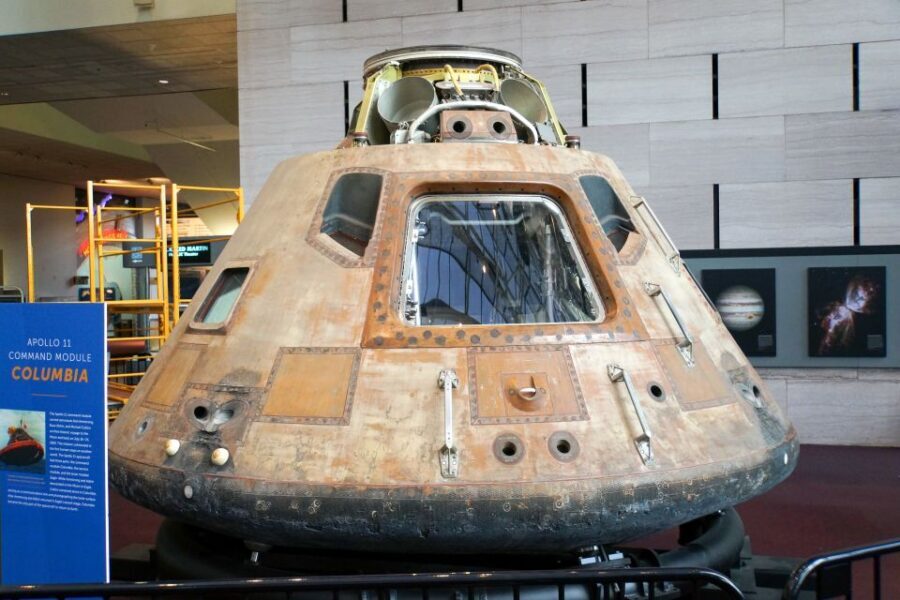
Then you shift from Earth’s air to space’s impossible conditions. One of the headline stops is the Apollo 11 Command Module, plus other actual artifacts that show what humanity built to operate in an inhospitable environment. The museum can feel overwhelming on your own because space collections are wide and varied. With a guide, you’re guided to the artifacts that anchor the story.
One of the most fun aspects here is how the guide uses famous sci-fi references to connect science and engineering. You’ll hear tie-ins to Starship Enterprise and Star Wars X-Wing, not as trivia, but as a way to show how science fiction can shape real thinking about technology.
Pace, Group Size, and What You Need for Security
This tour runs about 5.5 hours total, built as two separate 2.5-hour guided museum walks. The group size is capped at no more than 8 people per tour, and you can choose private or small-group options. That small cap is a major value point in DC, where crowd density can turn even great museums into a stop-and-go headache.
If you’ve ever been stuck in a big group that moves like a shopping line, you’ll appreciate the difference. With a smaller group, you can actually hear explanations and move at a human speed. It also makes questions more realistic, since your guide isn’t trying to manage a crowd of strangers.
Before you go, prep for the security reality. Luggage or large bags aren’t allowed. Only handbags or small thin bag packs are permitted through security. That means if you’re doing other DC activities the same day, pack like a minimalist.
Also bring valid photo ID (or a passport). The guide will meet you at the start point, and the tour ends back at the meeting point. There’s no hotel pickup or drop-off included, so plan to get there on your own.
Dress matters too. Appropriate dress is required for entry into some sites, so check what you’re wearing and keep it sensible for museum spaces.
If you’re sensitive to noise rules, note that certain specific rooms may require quiet or restricted right to speak. Your guide will tell you before you enter those rooms, which keeps the experience smoother for everyone.
You can also read our reviews of more museum experiences in Washington Dc




Price and Value: Is $166 Worth It?
At $166 per person for about 5.5 hours, you’re paying for structure. You’re not paying just to see the collections; you’re paying to move through two top-tier museums with less time lost and more context delivered.
Here’s how I judge value for a day like this:
You get practical routing. DC’s biggest museums have lines and crowd patterns that can eat hours. By skipping the ticket line and using guided crowd timing, you reduce the most painful part of museum visits.
You get interpretation. The difference between seeing artifacts and understanding them shows up fast. The guides for this tour have been praised for being engaging and professional, and for giving detailed information about exhibits and their historical context.
You get a manageable group. The max of 8 people changes the feel of the day. It keeps your view of artifacts from turning into a game of musical chairs.
You also get a lot of “headline coverage” in one push: the Hope Diamond, Fossil Hall with major dinosaurs, the Wright Brothers’ 1903 Flyer, the Apollo 11 Command Module, and even quick sci-fi science connections. You’re not stuck doing only one museum well; you’re getting both.
The potential downside is that you are trading free roaming time for guided focus. If your ideal day is slow and drift-heavy, you might feel limited by the structure. But if you want a high-return, see-the-best-first experience, this price starts to look reasonable.
Who Should Book This DC Natural History and Air & Space Tour
This tour fits best if you want a guided day that hits major highlights without turning into chaos.
I’d strongly consider it if:
- You’re short on time and want both museums in one day
- You hate line-wrangling and want skip-the-ticket-line help
- You prefer small-group attention, not big-bus motion
- You enjoy learning context, not just taking photos
It can also work well for families, because the Natural History lineup hits dinosaurs, gems, and Henry the elephant early, and the Air and Space half gives you real artifacts tied to big moments in aviation and spaceflight.
What about solo adults or couples? Perfect. You still get the benefits of guide direction and crowd control, and the small group keeps the day from feeling impersonal.
If you want zero structure, you should probably do each museum separately. The tour is built around guided walking time, so your freedom is traded for a stronger narrative.
Should You Book Babylon Tours DC?
If your priority is two iconic museums, high-quality explanations, and a day that stays on track, I think this is a smart booking. The strongest advantage is the guide-led focus: Henry to fossils, then Wright Brothers to Apollo, all without letting crowds run your schedule.
Book it especially if you like learning while you walk, and if you’ll benefit from crowd navigation in DC’s most popular museum zones. If you’re traveling with heavy luggage or you hate security rules, plan to travel light first, then proceed.
In short: this is a best-of-two-museums day, paced for people who want value, not aimless wandering.
FAQ
What museums does the tour cover?
It covers the Smithsonian National Museum of Natural History and the Smithsonian National Air and Space Museum.
How long is the tour?
The total duration is about 5.5 hours, with 2.5-hour walking tours at each museum.
Where do we meet the guide?
Meet your guide on the large stairs at the Madison Drive NW entrance of the Museum of Natural History, facing the lawn of the National Mall.
Does the tour include ticket lines?
Yes. It includes skipping the ticket line.
Is it a private tour or a group tour?
You can choose a private or small-group option. Each tour allows up to 8 people.
What is included in the price?
Included items are a local expert guide, the two museum walking tours, and the private or small-group format (plus wheelchair tours by request).
Is hotel pickup or drop-off included?
No. Hotel pickup and drop-off are not included.
What should I bring for entry?
Bring a passport or ID card, and also a valid photo ID.
Are luggage and large bags allowed?
No. Luggage or large bags are not allowed. Only handbags or small thin bag packs are permitted through security.
What if a museum closes or delays happen?
National Museum of Natural History and Air and Space may have occasional closures without prior warning. If the museum opening is delayed more than 1 hour from the tour starting time, you’ll be provided an appropriate alternative, but the supplier cannot provide refunds or discounts.