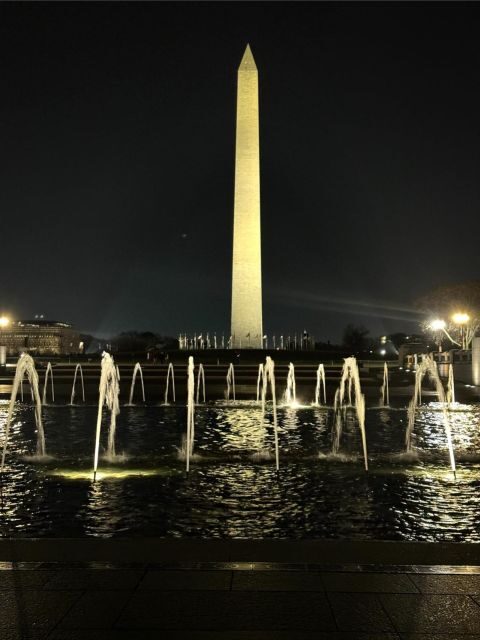
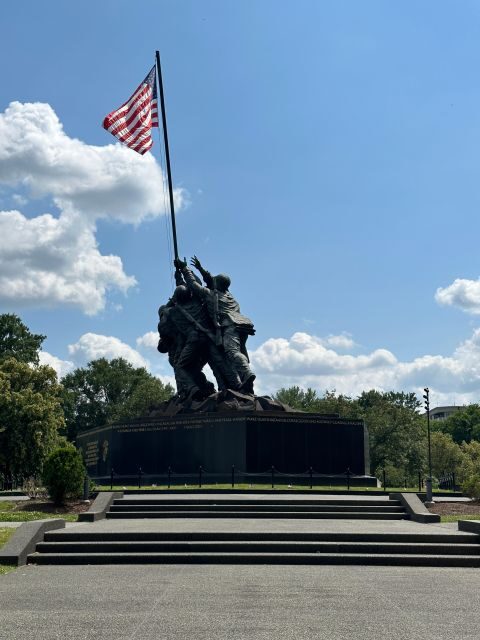
REVIEW · AFRICAN AMERICAN HISTORY
Washington, DC: African American History Tour & Museum Entry
Book on GetYourGuide →Operated by USA GUIDED TOURS · Bookable on GetYourGuide
DC gets personal when the bus starts talking. This African American history tour stitches together major memorials and overlooked stops, then finishes with timed Smithsonian entry at the National Museum of African American History and Culture.
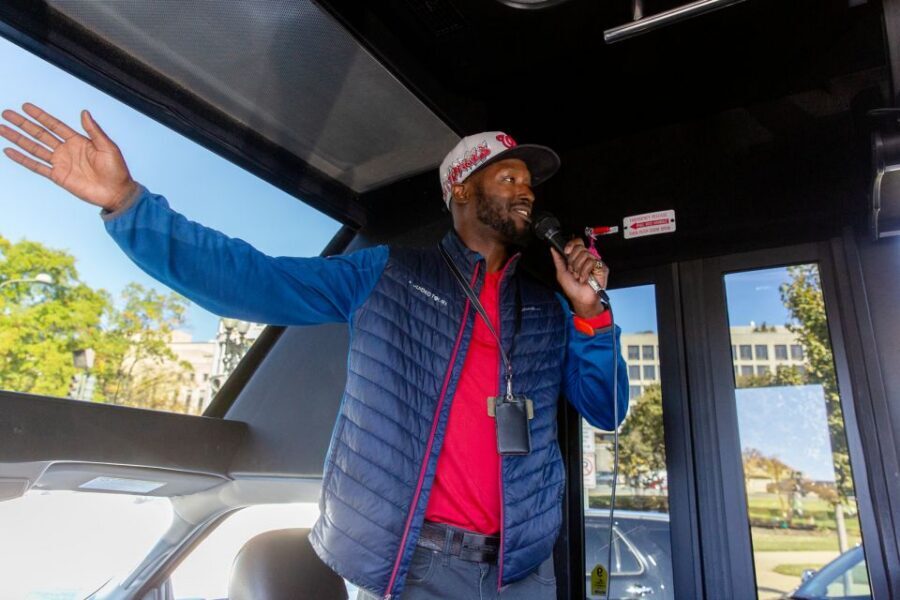
I love the way guides such as Dre and Elvis Pate turn monuments into stories you can feel, not just facts on a plaque. I also like the air-conditioned bus comfort, which makes the long sightseeing day easier on your feet.
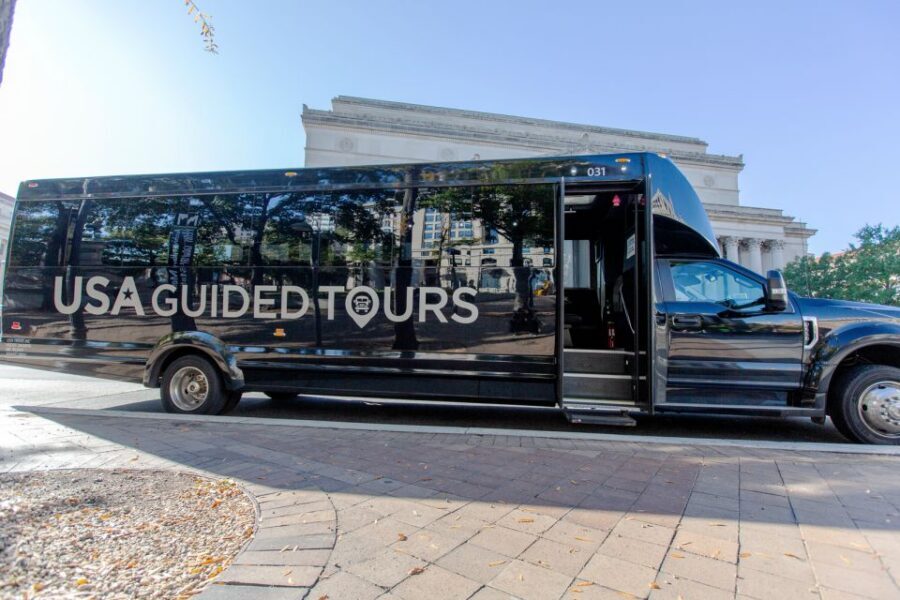
One drawback: the day moves fast, and once you reach the museum you’re exploring on your own, so it helps to know what you want to see first. A couple riders flagged small issues like a muffled mic or a less-spacious van, so pick a seat where you’ll hear well.
In This Review
- Key highlights I think you’ll care about
- Getting oriented fast: what makes this tour work in DC
- The bus tour portion: how the guide turns DC monuments into a timeline
- Emancipation Statue, Lincoln Memorial, and the moment at the reflecting pond
- Lincoln Park and the Mary McLeod Bethune stops you might otherwise miss
- Howard Theatre, Frederick Douglass’s home area, and the city’s leadership network
- Le Droit Park, Shaw, and Historic U Street: how the route tells the neighborhood story
- The African American Civil War Memorial and Museum: a turning-point stop
- Freedom Plaza, Pennsylvania Avenue sights, and a photo-friendly DC route
- Logan Circle district and the Metropolitan AME Church area
- Smithsonian National Museum of African American History and Culture: how to get the most from timed entry
- Price and value: is $89 worth your time?
- What it feels like in real life: pacing, groups, and the human touch
- Who should book this tour (and who might want a different plan)
- Should you book this African American History Tour and Museum Entry?
- FAQ
- How long is the tour?
- How much does it cost?
- What does the ticket include?
- Where does the tour start?
- Is food included?
- Is hotel pickup included?
- Is the tour guided?
- Is the museum entry official Smithsonian touring?
- Can I cancel for a refund?
- Is there a private group option?
Key highlights I think you’ll care about
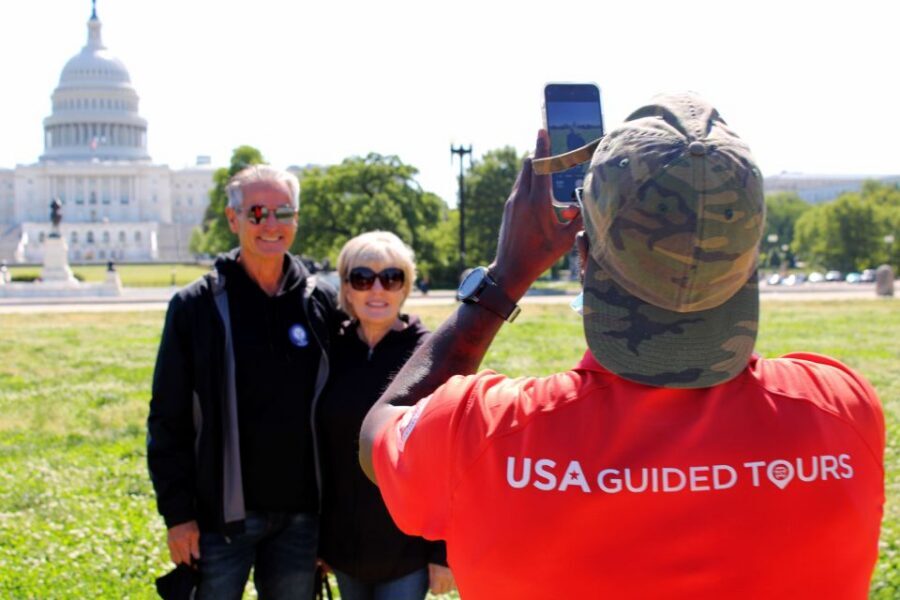
- Reserved, timed entry to the Smithsonian National Museum of African American History and Culture
- Guided bus stops at major sites like the Lincoln Memorial and Martin Luther King Jr. Memorial
- Lesser-seen DC context, including Frederick Douglass’s area and Mary McLeod Bethune landmarks
- Real neighborhood storytelling through Le Droit Park, Shaw, and Historic U Street
- Civil War connections at the African American Civil War Memorial and Museum
- Comfort-first transportation, with an air-conditioned ride between stops
Getting oriented fast: what makes this tour work in DC
If you want African American history in Washington, DC, this is a smart way to get it without spending your whole day figuring out where to go next. The bus route keeps you moving between landmarks, and the guide uses each stop as a prompt to explain what you’re looking at and why it mattered.
At the start, you’ll meet at one of the usual pickup points (often around the U.S. Navy Memorial area, but it can vary by option). From there, you’re on a climate-controlled bus—worth it when the sun is doing the most—so you can rest your legs for the photo stops and short moments outside.
The structure is also easy to follow: you get guided context on the road, then you’re let loose at the Smithsonian with a reserved entry window. That combination is the big practical win.
You can also read our reviews of more historical tours in Washington Dc



The bus tour portion: how the guide turns DC monuments into a timeline
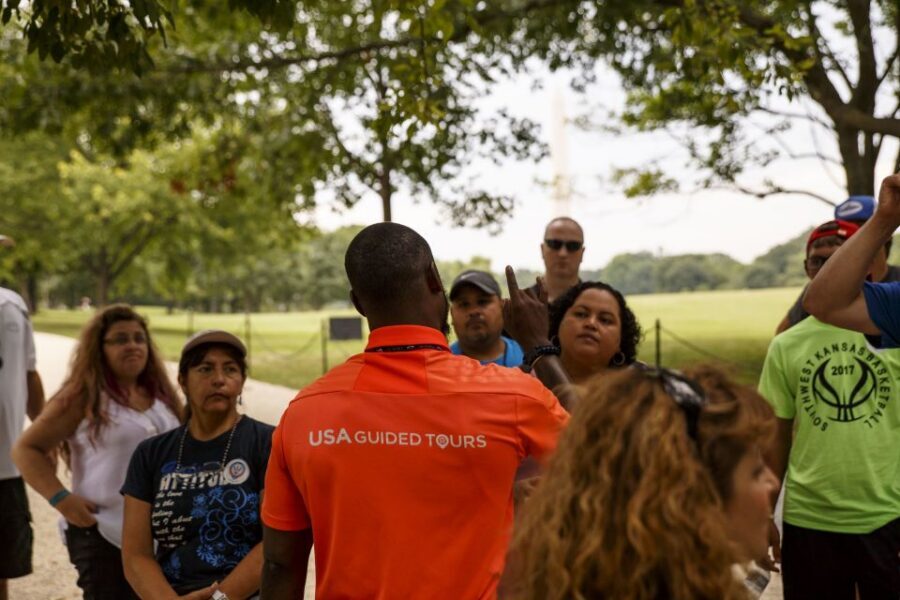
This tour is built around the idea that DC’s biggest monuments aren’t separate from history—they’re chapters. You’ll hear the civil rights story through key locations, plus supporting stops that help fill in what you usually miss when you only do self-guided sightseeing.
A big part of the value is how the guide links scenes across time: emancipation and abolition-era figures, civil rights-era leadership, then the neighborhood-level story of Black community life. That “connect the dots” approach is why people walk away feeling like they now understand the city better, not just the stops.
And since it’s a bus format, you get more coverage in less time—especially helpful if you’re visiting during a busy season or you don’t want to rely on multiple rideshare hops.
Emancipation Statue, Lincoln Memorial, and the moment at the reflecting pond
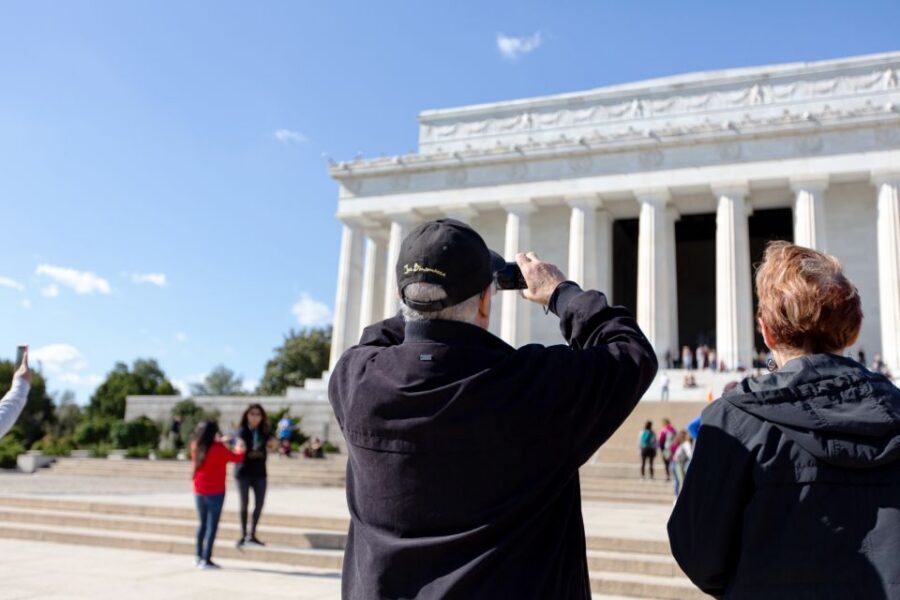
One of the first emotional impacts comes early in the route. You’ll pass the Emancipation Statue, then make your way toward the Lincoln Memorial area, including a photo stop and time to take it in.
The guide’s framing matters here. When you reach the reflecting pond and the MLK viewpoint, you’re not just admiring a landmark—you’re standing in the setting where Martin Luther King Jr. delivered his I Have a Dream speech in 1963. Even if you already know the speech, the on-site perspective plus guide context helps you understand how the monument geography was part of the message.
You’ll also stop at the Martin Luther King Jr. Memorial for another photo moment. Think of these as anchor points: big, recognizable places where the guide can layer in what was happening before and after, and how the struggle connects to the rest of the city stops.
Lincoln Park and the Mary McLeod Bethune stops you might otherwise miss
Lincoln Park is where the tour gets more specific and, honestly, more memorable. You’ll stop to see the statue of educator, activist, and founder of the National Council of Negro Women, Mary McLeod Bethune.
What I like about including this is simple: it prevents the tour from becoming only “famous names at famous monuments.” Bethune is essential to understanding how leadership extended beyond court cases and marches—into institutions, organizing, and community-building.
The route also includes time near Howard University, with a chance to stroll around the campus area. That pause is important. It’s easier to absorb the civil rights story when you can connect it to education and community power, not only protests and speeches.
Howard Theatre, Frederick Douglass’s home area, and the city’s leadership network
You’ll also head through parts of DC tied to major Black leaders. You’ll see the Howard Theatre area as you move through key corridors, and you’ll stop outside the Home of Frederick Douglass.
This is a good reminder that the civil rights story isn’t only about the loudest moments. It’s also about abolitionist roots, publishing, organizing, and how people built pathways toward freedom long before the 1950s and 1960s became mainstream in American memory.
If you like history that feels grounded in real locations—rather than only dates—this portion delivers. The guide’s explanations tend to make the DC “map” in your head start to connect, especially once you start noticing how institutions cluster in certain neighborhoods and how they shape community life.
You can also read our reviews of more museum experiences in Washington Dc



Le Droit Park, Shaw, and Historic U Street: how the route tells the neighborhood story

After the Washington Monument corridor energy, the tour shifts gears into neighborhood storytelling. You’ll drive through Le Droit Park, Shaw Neighborhood, and Historic U Street—once home to one of the largest urban African-American communities in the United States in the early 1900s.
This segment includes the idea of a Black Broadway, with entertainment legends tied to the area across time. That matters because it broadens your view. Civil rights history isn’t only marches. It’s also culture, nightlife, music, business, and community spaces where people built identity and momentum.
You’ll likely get a sense of how these neighborhoods contributed to what came later. Even if you’re not planning a separate walking tour, the bus route gives you a guided orientation, and that can make an optional add-on walk afterward more meaningful.
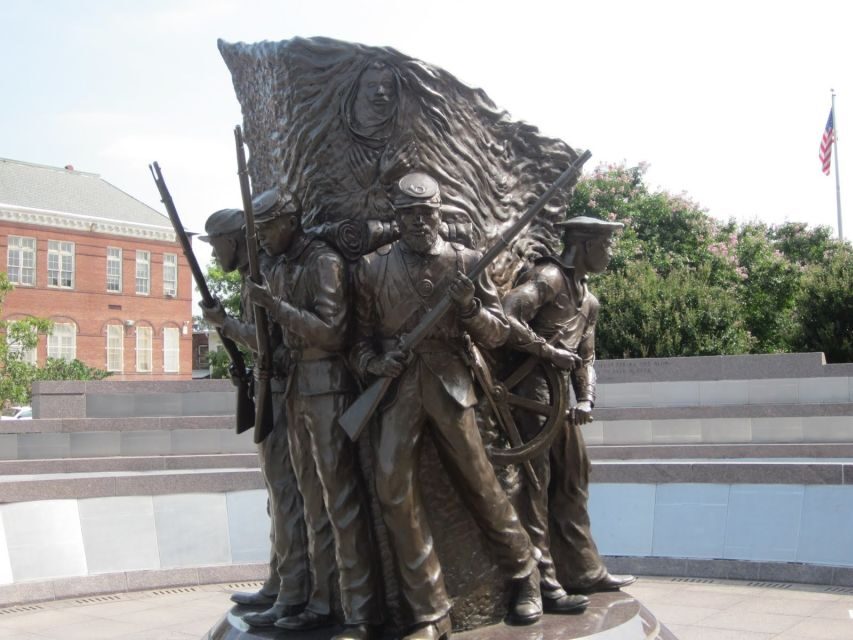
The African American Civil War Memorial and Museum: a turning-point stop
A standout stop is the African American Civil War Memorial and Museum. The guide explains how African-American soldiers impacted the course of the Civil War—and that’s a crucial piece that often gets reduced in standard US history summaries.
You’ll stop outside and learn how the war experience wasn’t just backstory. It shaped military outcomes and also helped set conditions for later struggles tied to freedom and rights.
One nice practical bonus: the guide tends to point out names and details visitors might otherwise miss. That can make the experience feel personal even if you’re visiting with no prior connection.
If you’re the type of person who likes to understand the timeline underneath the headlines, this stop will likely be a highlight.
Freedom Plaza, Pennsylvania Avenue sights, and a photo-friendly DC route
As you move into downtown DC, you’ll get classic sights plus a guided interpretation. You’ll see Freedom Plaza on Pennsylvania Avenue, as well as the White House area, then the Martin Luther King Jr. Memorial again as you work through key downtown alignments.
This is where the tour becomes very practical for first-timers. You get the major photo opportunities—places you’ve seen in postcards—without having to build your own itinerary.
The tour also includes stops tied to the National Council of Negro Women and the Mary McLeod Bethune Council House area. If you like institutions and leadership rather than only big statues, this part helps you feel the structural side of history: the councils, the buildings, the organizing behind the scenes.
Logan Circle district and the Metropolitan AME Church area

Near the Logan Circle historic district, you’ll see the Metropolitan AME Church and the Mary McLeod Bethune Council House. This segment gives you a visual sense of how community life, faith, and activism interlocked.
It also helps you understand DC not as one museum-like block, but as a city with long-standing community anchors. The guide’s framing encourages you to notice how these sites functioned as gathering points and power centers.
If you’re traveling with kids or family members who need something concrete, these stops can work well because the buildings are real, walkable, and visually clear from the outside, even when the time is brief.
Smithsonian National Museum of African American History and Culture: how to get the most from timed entry
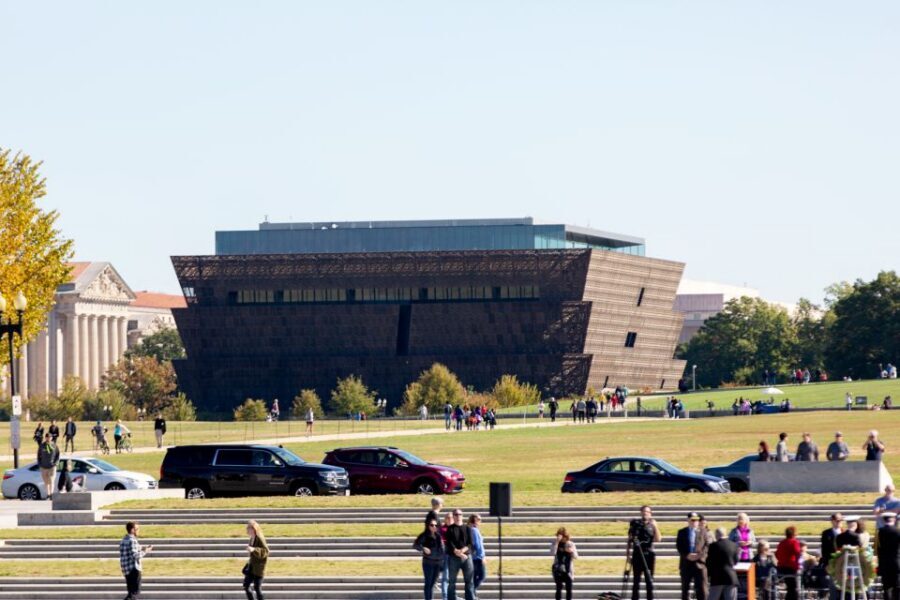
The finish is the Smithsonian National Museum of African American History and Culture, and the key word here is reserved entry with a timed window. In DC, that matters. You’re not trying to guess when you’ll get inside or where the line is moving.
Once you arrive, you’re exploring at your own pace. That’s the best and worst part, depending on how you like museums. If you enjoy setting your own course—starting with exhibits that match your interests—you’ll love the freedom. If you prefer a guided walkthrough, you might find you want more direction inside.
Either way, the guide’s earlier stop-by-stop context can help you read the museum differently. You’ll have names and themes in your mind as you move through galleries.
A practical note from experience-based feedback: there can be lines and the museum food isn’t the main event, so if you can, plan for snacks outside the museum schedule. And if you’re short on time, prioritize a few sections instead of trying to see everything in one pass. The museum is big, and you’ll enjoy it more if you don’t rush every room.
Price and value: is $89 worth your time?
At $89 per person for about 210 minutes (around 4 hours), you’re paying for three things: bus transportation, a live guide, and reserved timed entry to a Smithsonian museum.
Here’s the value math I’d use:
- If you’re relying only on self-guided touring, you’d still need transit between scattered sites and you’d likely spend extra time organizing the route.
- If you’ve ever tried to enter a major Smithsonian museum without a plan, you know timed entry can be a comfort factor.
- The bus guide adds context that turns “things I saw” into “things I understand.”
So if you want a guided DC African American history route that also includes museum access without the stress of figuring it out alone, the price looks fair. If you’re already comfortable building itineraries and you prefer full museum time on your own, you might decide to skip the bus component and just go to the museum—though you’d lose the outside-location interpretation.
What it feels like in real life: pacing, groups, and the human touch
The tour has a reputation for strong guide communication, and the guide personalities seem to matter. Names that show up include Dre and Elvis Pate, and drivers like Whiz Khalifa, Leonard, and others are described as supportive team members.
That human element shows up as clear pacing and the ability to keep the group engaged, even in the heat or cold. Some families have reported bringing kids and still having a good time, which suggests the presentation works across ages.
Small caveat: some riders mentioned a muffled mic, and one person wished for more space on the bus. Those are not deal-breakers, but if you’re sensitive to sound quality or need legroom, it’s worth picking a seat where you can hear the guide clearly.
Who should book this tour (and who might want a different plan)
This is a great choice if:
- You want African American history across multiple DC landmarks in a short window
- You like guided interpretation more than reading plaques alone
- You want reserved museum entry, so the day stays controlled
It may not be the best fit if:
- You want a long, in-depth guided museum tour with a dedicated schedule inside
- You prefer to spend a full afternoon in the museum with no outside stops
- You’re very picky about audio quality and maximum space on a bus
If you’re visiting for the first time, or it’s your only chance to cover DC’s African American history, this format is a solid way to make that time count.
Should you book this African American History Tour and Museum Entry?
Yes, I’d book it if you want an efficient, meaningful DC day that combines guided context with timed Smithsonian access. At $89, the strongest argument is that you’re not just buying a ride—you’re buying interpretation at the sites plus a smoother entry into the museum.
If you do book, go in with two small plans: (1) decide what museum areas matter most to you, and (2) come ready to stand outside for multiple photo moments. You’ll get more out of the day when you treat it like a guided storyline, not a checklist.
FAQ
How long is the tour?
The duration is listed as 210 minutes, about 4 hours.
How much does it cost?
The price is $89 per person.
What does the ticket include?
It includes a bus tour, a live guide, transportation by air-conditioned bus, and a reserved entry ticket to the Smithsonian National Museum of African American History and Culture.
Where does the tour start?
Meeting point may vary depending on the option booked. Start locations include US Navy Memorial Plaza area and other nearby options such as 701 Pennsylvania Avenue NW and 700 Pennsylvania Avenue NW.
Is food included?
No. Food and drinks are not included.
Is hotel pickup included?
Hotel pickup and drop-off are not included unless a private option is selected.
Is the tour guided?
Yes. There is a live tour guide in English.
Is the museum entry official Smithsonian touring?
This is not an official Smithsonian tour. You are buying the activity supplier’s guided experience and perspective, and the museum entry is provided via reserved timed entry passes.
Can I cancel for a refund?
Free cancellation is available up to 24 hours in advance for a full refund.
Is there a private group option?
Yes. A private group is available.