REVIEW · HISTORICAL TOURS
Washington DC: National Museum of Natural History Tour
Book on GetYourGuide →Operated by Babylon Tours DC · Bookable on GetYourGuide
Jewels and whales in one museum tour. This private or small-group guided walk through the National Museum of Natural History is built for speed with context, so you hit the museum’s biggest hits without getting lost in 18 football fields of exhibits.
I like that you can book a small group (up to 8) or go fully private, which makes it easier for the guide to steer you toward what you care about.
I also love the lineup: the Hope Diamond, real mummies, the Ocean Hall coral reef area, and Phoenix, a 45-ton whale replica tied to a real-life story. One drawback to consider is that the tour’s notes don’t promise it’s ideal for wheelchair users, even though wheelchair tours may be available by request.
In This Review
- Key things that make this tour worth your time
- Walking into Washington DC’s Natural History Museum, with a guide doing the heavy lifting
- Price and time: is $86 for 2.5 hours a smart value?
- Meeting up and getting through security without losing your morning
- The best first moments: getting oriented before the museum swallows you
- The Hope Diamond stop: why this 46-carat legend is more than a photo-op
- Dom Pedro Aquamarine and Star of Asia Sapphire: seeing geology as a story
- Real mummies and the art of explaining the past
- Ocean Hall and a real coral reef experience: the sea comes indoors
- Phoenix the whale (replica) and the Fossil Lab: science you can picture
- Arctic Narwhal and the land giants: cold-water wonder and big-animal realism
- What the guide really adds: pacing, tailoring, and great questions
- Small group vs private: which option fits your travel style?
- Notes to keep your day smooth: rules, quiet rooms, and occasional closures
- Should you book this Natural History Museum highlight tour?
- FAQ
- How long is the National Museum of Natural History tour?
- How much does the tour cost?
- Is it a private tour or a shared group tour?
- Does the tour include skipping the ticket line?
- What language is the guide?
- What do I need to bring?
- Are large bags or luggage allowed?
- Is wheelchair access available?
Key things that make this tour worth your time

- Skip the ticket line and spend your energy on exhibits, not queues
- Small groups up to 8 (and private options) mean more back-and-forth with your English-speaking guide
- Museum hits with meaning: gems, fossils, mummies, ocean life, and animals on land
- Big-ticket stops are handled well, including the Hope Diamond and the Dom Pedro Aquamarine
- Story-first guiding: guides like Leigh and Brenda are praised for pacing and keeping families engaged
Walking into Washington DC’s Natural History Museum, with a guide doing the heavy lifting
The National Museum of Natural History in Washington DC is the kind of place that can eat a whole day fast. It covers an enormous footprint, and it holds over 126 million artifacts, so without a plan you can end up wandering and missing the rooms people actually rave about.
This tour solves that problem with a live English-speaking guide who walks you through the best parts in about 2.5 hours. You get a professional guide, a tight route, and a way to understand what you’re seeing instead of just checking boxes.
You also get options that matter in real life. You can choose a small group tour limited to no more than 8 people, or book private. Either way, the vibe is more like a smart museum buddy than a lecture hall, which is especially helpful if you’re traveling with kids or teens. In past tours, guides like Tim and Tony are highlighted for adjusting to what the group wants to linger on.
You can also read our reviews of more historical tours in Washington Dc



Price and time: is $86 for 2.5 hours a smart value?
At $86 per person for about 2.5 hours, this is not the cheapest way to do the museum. But I think it’s priced like a time-saver, not a ticket substitute. You’re paying for direction, skipping the ticket line, and a guide who connects gems, fossils, animals, and ocean life into one coherent visit.
Here’s the practical math you should do. If you arrive with only a rough idea of what to see, a guided highlight route can prevent wasted time. The museum is huge, and even with great intentions, you’ll usually miss something major unless you’re very disciplined.
The other value piece is group size. When you’re capped at 8 people, you’re less likely to get brushed aside at every stop. That shows up in the kinds of experiences people describe—like having enough time to ask questions, or having the guide shape the route around interests.
Meeting up and getting through security without losing your morning
Meeting point can vary based on what you book, and the tour ends back at the meeting spot. There’s no hotel pick-up or drop-off included, so you’ll want to plan to get there under your own steam.
One thing that can slow you down at this museum is security. The tour info is clear: no luggage or large bags, and only handbags or small thin bag packs are allowed through. Bring passport or ID card as well, since it’s required.
If you’re someone who likes to arrive ready (instead of improvising), pack light. You’ll thank yourself when you’re trying to start a walking tour on time.
The best first moments: getting oriented before the museum swallows you
A smart highlight tour starts before the big objects. Your guide’s job here is basically to help you get oriented fast, then point you toward rooms where the payoff is highest.
Because the museum is so large, you can lose time just finding the right “flow.” The guide reduces that risk by steering you between the headline exhibits, and also by sharing background and surprising details as you go. People have praised guides like Leigh for being strong storytellers, and that matters because the museum’s displays become more interesting when you know what you’re looking at.
You’ll also hear context about how specimens and objects fit into real science and history. The goal isn’t to turn you into a scientist, but to make the museum feel less random.
The Hope Diamond stop: why this 46-carat legend is more than a photo-op
One of the anchor moments is the Hope Diamond, a 46-karat gem that’s famous worldwide. It’s easy to think the visit is only about seeing it once, snapping a picture, and moving on.
But the guide approach changes the feel. Instead of treating it like a celebrity object, you learn the story behind why it’s so well known and what makes it special as a gemstone. With the guide’s background, you tend to notice more—how the stone is presented, how light plays across the surface, and why people keep coming back to this exact display.
This is one of those stops where skipping the ticket line is a quiet win. You want to spend time inside with the guide, not burning minutes in an entry queue before the tour even begins.
You can also read our reviews of more museum experiences in Washington Dc






Dom Pedro Aquamarine and Star of Asia Sapphire: seeing geology as a story
After the Diamond, you’ll shift into another kind of wow: the Dom Pedro Aquamarine and the Star of Asia Sapphire. The tour highlights the Dom Pedro as the world’s largest gem of its type, and pairing it with the Star of Asia gives you a nice contrast between different gemstone qualities and display styles.
I like this part of the route because it nudges you from pop-culture fame into “how gems work” thinking. You’re not just told what something is. You’re given enough science context to understand why it matters.
And yes, it can be glowing in person. People don’t come to Washington DC for a reason, and this is one of those reasons.
Real mummies and the art of explaining the past
The museum’s mummy displays are a major draw for good reason: they make the past feel tangible. This tour includes real mummies, and the guide’s job is to help you view them with the right kind of curiosity.
What you should watch for is how the guide balances wonder with explanation. Mummies can spark myths and sensational ideas if you’re not careful. A good guide keeps the focus on what the evidence suggests and what scientists have learned from actual remains.
This is also a good spot for questions. If your group includes students or teenagers, you’ll usually find the guide adapts well. Past tours specifically mention making the experience engaging even for a 16-year-old, which is a tough audience to impress.
Ocean Hall and a real coral reef experience: the sea comes indoors
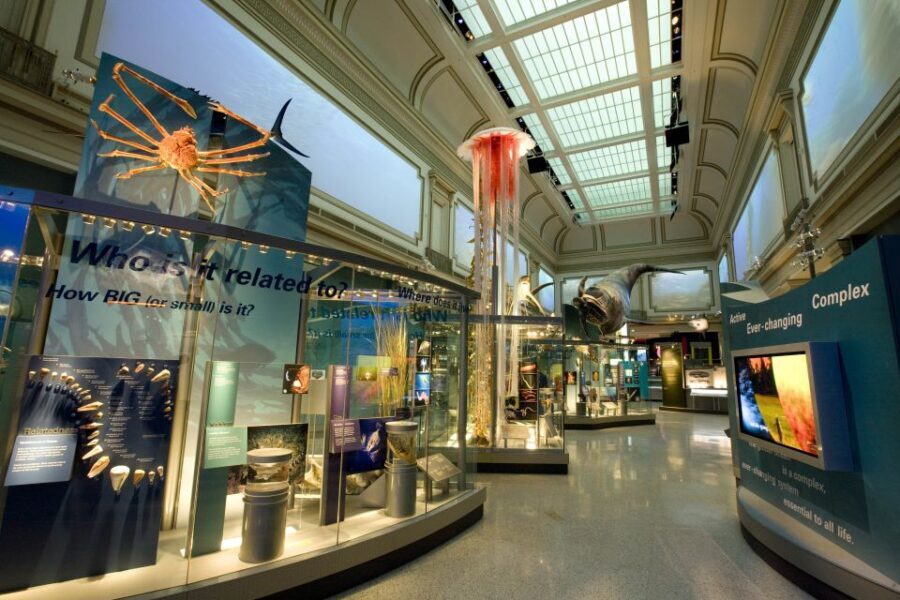
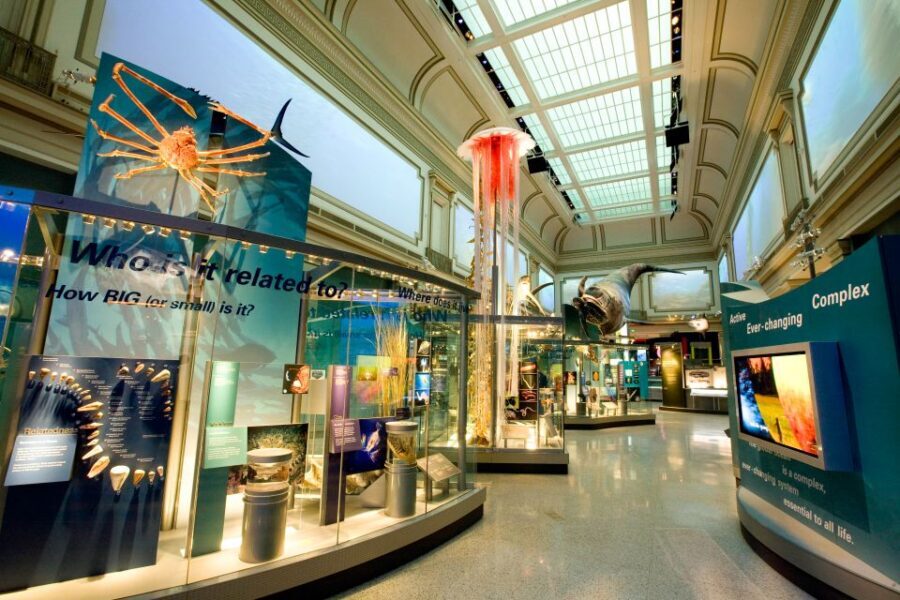
Then comes the Ocean Hall segment, tied to one of the most memorable elements in the museum experience: a real-life coral reef exhibit feel. The tour calls it out as bringing the sea to you, and that’s a fair description of why people leave this area talking.
I like this stop because it broadens the museum beyond gems and fossils. You shift from objects you can hold in a museum case to an environment that looks like a living ecosystem. Even if you’re not a marine biology person, the visuals do the work.
This part of the tour is also great for families. It’s easier to get everyone interested when you can look around and immediately see variety—colors, shapes, and the idea that ecosystems are made of connections, not single specimens.
Phoenix the whale (replica) and the Fossil Lab: science you can picture
One of the tour’s most unique highlights is Phoenix, a 45-ton whale replica tied to a larger real-world story. The museum has been following Phoenix in the wild, and the tour uses that connection to make the whale matter beyond a single display.
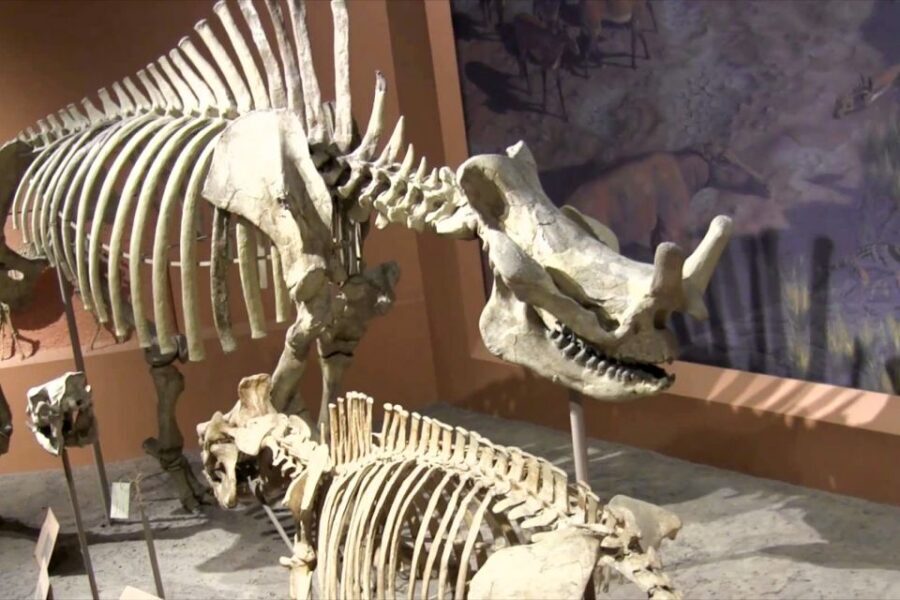
After that, you’ll see the Fossil Lab. This is a smart pairing. When you learn how scientists work with fossils, you get more out of every skeleton and specimen you saw earlier. Instead of treating fossils like static artifacts, you start understanding them as evidence—clues that help build stories about Earth over time.
The whale stop gives you a sense of scale and place, while the Fossil Lab helps you understand process. Together, it turns a “see the exhibit” visit into a “how do we know” experience.
Arctic Narwhal and the land giants: cold-water wonder and big-animal realism
The tour doesn’t just cover headline gems. It also includes animal displays that hit different kinds of curiosity.
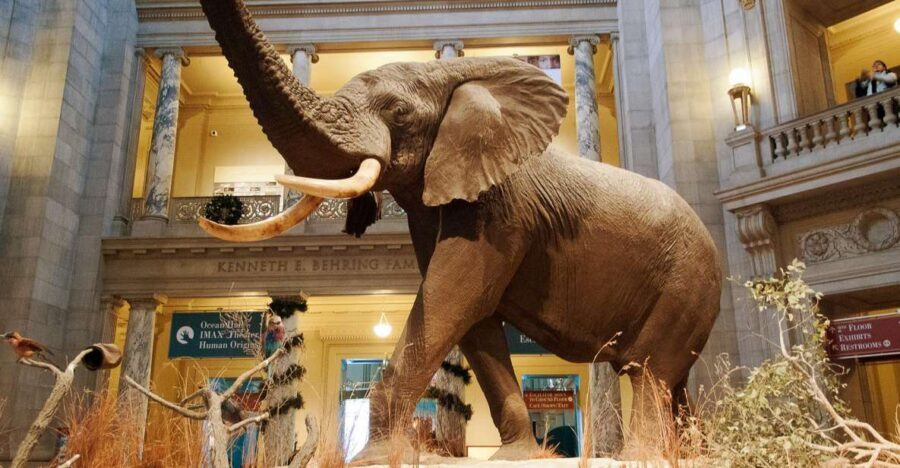
You’ll see an Arctic narwhal, plus land giants like giraffes, elephants, polar bears, and other large animals on display. That matters because it balances the “marine and fossil” sections with creatures that live on land and demand different kinds of interpretation.
I find this part helpful if you’re traveling with mixed ages. Kids and older relatives usually both latch onto big animals, while adults tend to enjoy the science explanations behind how they’re adapted to their environments.
What the guide really adds: pacing, tailoring, and great questions
The museum already has the objects. What you’re paying for is the way the route is handled.
In the feedback people share, guides like Tim are praised for checking in with interests and making sure you spend more time where you care. Guides like Tony are praised for being responsive and giving suggestions for what else to see around DC. And Brenda is singled out for engaging an entire family and pointing out what’s most interesting in each area.
That tailoring isn’t fluff. In a museum this large, your group’s interests can make or break the experience. If you like animals more than gems, you don’t want a rigid march where everything feels equally rushed.
Also, the tour includes guidance about rules in some rooms—quiet areas or restricted right to speak. Your guide will let you know what to expect before you enter those spots, which keeps the visit smooth for everyone.
Small group vs private: which option fits your travel style?
Small group works best if you want the value of a guided route but don’t mind sharing the pace with others. With a cap of 8 people, it still feels personal, and the guide can often keep momentum without leaving anyone behind.
Private is the better choice when your group wants flexibility. If you’re traveling with a mix of ages, booking private can help your guide shape the timing so your faster walkers don’t drag, and your slower folks don’t feel rushed.
Either option shares the same highlight core: Hope Diamond, Dom Pedro Aquamarine and Star of Asia Sapphire, real mummies, Ocean Hall, Phoenix, Fossil Lab, Arctic Narwhal, and land giants. The difference is the freedom you have to adjust focus.
Notes to keep your day smooth: rules, quiet rooms, and occasional closures
A few practical details can help you avoid irritation. Dress appropriately for entry into some sites on the tour. Only small bags are allowed through security, and you can’t bring luggage or large bags.
Some specific rooms may require quiet or limit speaking. The guide will explain those rules before you enter, which helps your group follow along without guesswork.
Also, museum hours can change on occasion without warning. The tour info says if the museum opening is delayed more than 1 hour from the tour starting time, guests are offered an appropriate alternative, and the supplier can’t provide refunds or discounts in those cases. This is rare, but it’s good to know.
Should you book this Natural History Museum highlight tour?
Book it if you want a high-value highlights route with a real guide and you don’t want to spend your vacation figuring out where to go next inside a gigantic museum. It’s especially worth it when you care about multiple themes: gems, mummies, ocean life, fossils, and big mammals.
Skip it if you love museum wandering and you already have a detailed plan for what rooms you want to hit. With the tour length at 2.5 hours, a self-guided visit might be a better fit for slow-browsers who want to linger for hours in one wing.
If you’re on the fence, here’s my simple rule: if you want the museum to make sense quickly, book the guided route. If you want freedom first, go on your own.
FAQ
How long is the National Museum of Natural History tour?
The tour lasts 2.5 hours.
How much does the tour cost?
The price listed is $86 per person.
Is it a private tour or a shared group tour?
Both options are available. You can book a private tour or a small group tour with no more than 8 people.
Does the tour include skipping the ticket line?
Yes. The tour includes skipping the ticket line.
What language is the guide?
The live tour guide is English.
What do I need to bring?
You should bring a passport or ID card.
Are large bags or luggage allowed?
No. Luggage or large bags are not allowed, and only handbags or small thin bag packs are permitted through security.
Is wheelchair access available?
Wheelchair tours are listed as available by request only, but the activity also notes it is not suitable for wheelchair users. If you need wheelchair access, contact the provider before booking to confirm what’s possible.