REVIEW · AFRICAN AMERICAN HISTORY
African American History Tour with Museum of African American History Ticket
Book on Viator →Bookable on Viator
DC’s Black history starts on your first block. This 3.5-hour small-group tour is built around major DC landmarks, powerful memorials, and the neighborhoods that shaped African American life. You also finish with same-day tickets to the National Museum of African American History and Culture, so the day naturally turns from the street to the exhibits.
I love how the route mixes landmark storytelling with real names and real places, from the National Council of Negro Women to Marian Anderson’s 1939 turning point at Constitution Hall. I also like the guide-led pacing—lots of stops, but not so rushed that photos and questions feel pointless. One thing to consider: you’ll do some walking and may face steps at the Frederick Douglass house depending on the day.
In This Review
- Why This Tour Feels Purpose-Built for First-Timers
- Start at US Navy Memorial Plaza and Ride With the Right Comfort
- NCNW Headquarters: Mary McLeod Bethune’s Concrete Legacy
- The Capitol Area: Inauguration Ground and Supreme Court Consequences
- The White House Stop: You’ll See It, Not Enter It
- Constitution Hall and Marian Anderson’s 1939 Turning Point
- Lincoln Memorial: March on Washington and a Dedication Speech
- Martin Luther King, Jr. Memorial: Read the Quotes and the Symbols
- Frederick Douglass National Historic Site: Walking Inside vs Drive-By Days
- LeDroit Park and Black Broadway: An Integrated Neighborhood Story
- African American Civil War Memorial Museum: Names on Plaques
- Dunbar High School and the Howard Theatre: Education Meets Entertainment
- Howard University, Carter G. Woodson, and Bethune: Big Names, Real Places
- Finishing at the National Museum: Same-Day Tickets and Time Until 5:30
- Price and Value: What $90 Actually Buys You
- What to Wear, Bring, and Expect From the Day
- Who This Tour Fits Best (and Who Might Skip)
- Should You Book This African American History Tour?
- FAQ
- Is the museum ticket included, and when do I get it?
- What days include an inside tour of the Frederick Douglass house?
- Does the tour include admission to the White House?
- How long is the tour?
- Where does the tour start and end?
- Is the tour suitable for most people, and are service animals allowed?
Why This Tour Feels Purpose-Built for First-Timers
This isn’t a “photo bus” tour. It’s more like a guided walk-through of DC’s African American story using the physical city as your timeline. You’ll connect what you see—memorial inscriptions, historic buildings, and neighborhood streets—to the events that put African American experiences at the center of American history.
That makes the sights easier to remember later. Instead of a checklist, you get cause-and-effect: discrimination leads to activism; activism leads to public attention; public attention changes policies and public life. And the museum at the end helps lock it all in because you’re stepping into an evidence-based, object-and-story environment right after the street-level context.
Start at US Navy Memorial Plaza and Ride With the Right Comfort
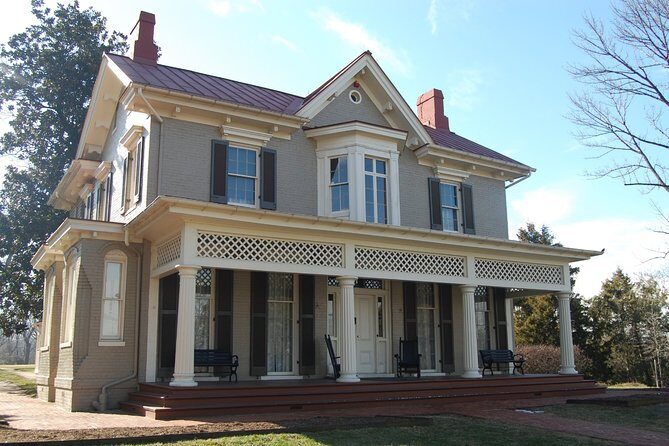
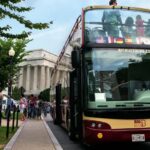
The tour starts at US Navy Memorial Plaza (701 Pennsylvania Ave NW) at 9:30 am. You’ll meet up there and then head out in an air-conditioned vehicle, which matters in DC when the weather decides to be dramatic.
This is also a maximum 21 travelers kind of group. That number isn’t just marketing math. With a smaller crowd, the guide can pause for questions and keep the flow moving without sounding like a loudspeaker at every stop. You’ll also have bottled water on board, a small detail that keeps you from turning the day into a dehydration project.
Good to know: the tour is described as requiring good weather. If it’s canceled for weather, you’ll be offered another date or a full refund, which is helpful when you’re scheduling a limited DC window.
You can also read our reviews of more tours and experiences in Washington DC

NCNW Headquarters: Mary McLeod Bethune’s Concrete Legacy
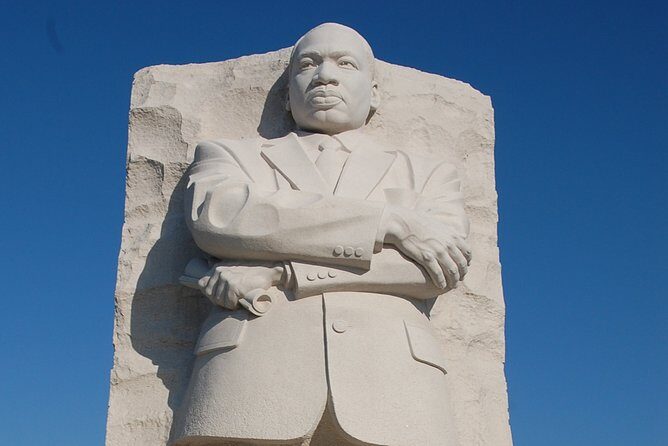
One of the early stops is the National Council of Negro Women (NCNW) Headquarters at 633 Pennsylvania Ave NW, just a few blocks from the White House area.
This building is more than a backdrop. It’s tied to Mary McLeod Bethune’s work: NCNW was founded in 1935 to promote the rights and welfare of African American women and their families. The organization has been headquartered in that same building since 1953, and the site has been designated a National Historic Landmark.
What I like about starting here is that it anchors the day in organization-building—not just marches and monuments. You see how leadership, networks, and community institutions were essential to long-term change. It’s also a reminder that African American history in DC isn’t only “museum history.” It’s part of the city’s daily geography.
The Capitol Area: Inauguration Ground and Supreme Court Consequences
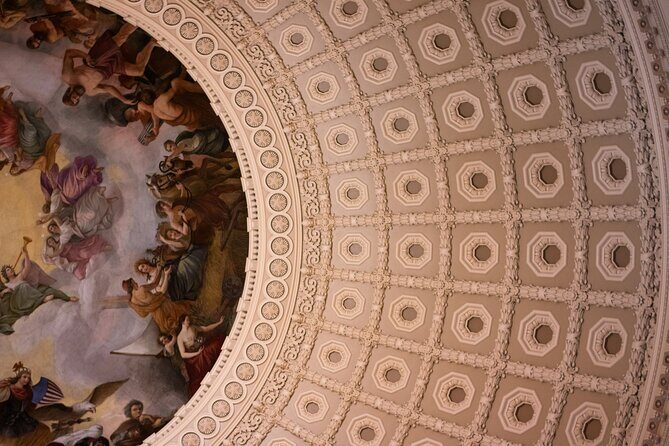
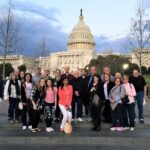
Next you get time at the U.S. Capitol, including the chance to stand where the inauguration of President Obama took place. The guide also connects the Capitol to darker chapters—stories about enslaved people who helped build the Capitol and the White House.
You’ll also hear how decisions made in the Supreme Court shaped outcomes for people of color for decades. Even if you’ve visited DC before, this is the type of context that helps the buildings stop feeling neutral.
Admission-wise, the time here is described as free. So you’re spending money elsewhere—on the experience, the guide, the route—not on stacking paid entrances.
The White House Stop: You’ll See It, Not Enter It
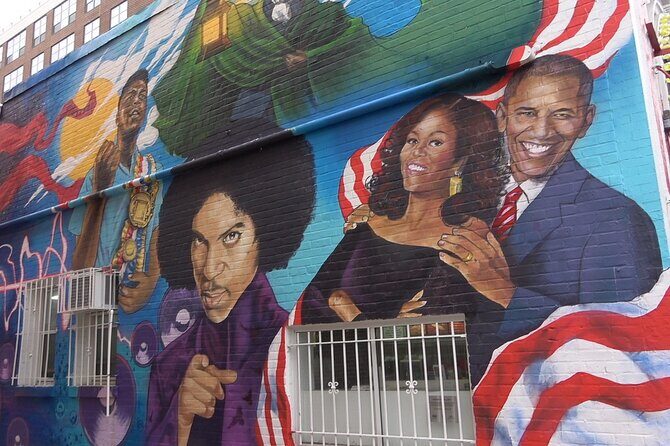
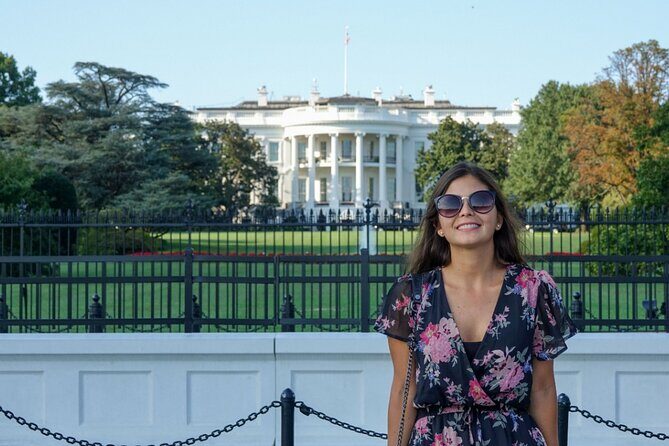
You’ll also stop at the White House, with time built in to see the iconic building from the outside and hear about the role African Americans have played in its history.
The important practical detail: White House admission is not included. So treat this as a viewing and storytelling stop, not a museum-style visit. If you’re hoping to go inside, you’ll need separate arrangements.
Still, for many first-timers, this moment matters. It connects the physical site to people and labor that are often left out of the simplified version of the nation’s history.
Constitution Hall and Marian Anderson’s 1939 Turning Point
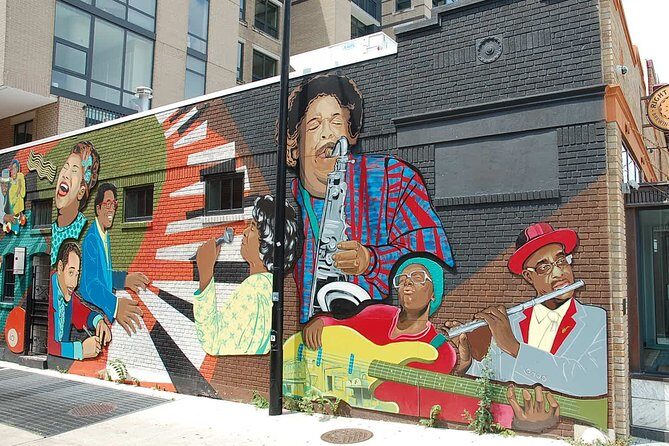
One of the most memorable historical pivots in this tour is the story tied to Constitution Hall and Marian Anderson.
On April 9, 1939, Anderson was scheduled to perform at Constitution Hall, but the DAR (the Daughters of the American Revolution), which owned the hall, refused her because of her race. The incident triggered a national controversy. With help from First Lady Eleanor Roosevelt, Anderson performed instead on the steps of the Lincoln Memorial on Easter Sunday, April 9, 1939, in front of an estimated crowd of 75,000.
Why this stop works on a tour like this: it’s not abstract. It’s a clear story about how exclusion can backfire—creating public attention big enough to force change. And it sets you up perfectly for what comes next at the Lincoln Memorial.
You can also read our reviews of more historical tours in Washington DC



Lincoln Memorial: March on Washington and a Dedication Speech
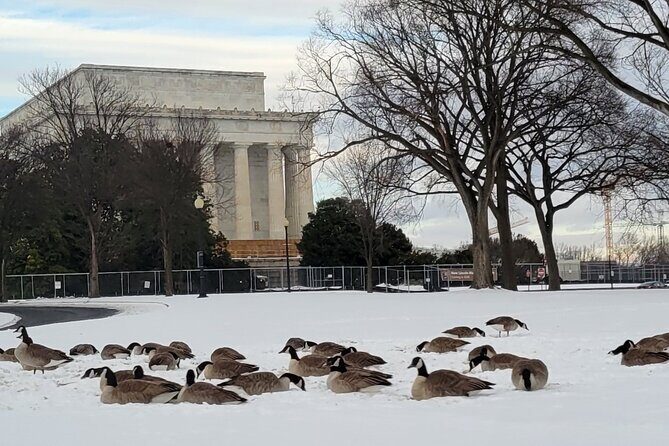
At the Lincoln Memorial, you’ll get guided information not just about the monument itself, but about African American events linked to it.
The tour includes stories about the March on Washington, the Marian Anderson concert, and Robert Moten giving the dedication speech for the opening of the Lincoln Memorial. These aren’t random facts—they’re connections that make the memorial feel like a stage for history rather than a still image.
Time here is set at about 30 minutes, and it’s one of the best spots to take photos—especially because the guide’s context helps you know what you’re photographing.
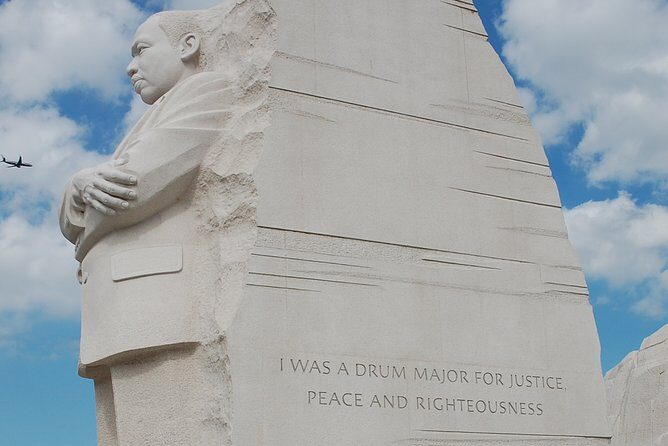
Martin Luther King, Jr. Memorial: Read the Quotes and the Symbols
The Martin Luther King, Jr. Memorial stop is designed around how to actually look at the monument.
You’ll be shown and explained the inscription wall with 14 quotes and statements, along with the Mountain of Despair and the Stone of Hope. The guide also shares facts about how the memorial was made and what those design choices are trying to communicate.
This is a good stop if you like monuments with meaning. It’s also a good pause in the day because the guide’s explanation gives you a way to interpret what might otherwise feel like “just another impressive statue.”
Frederick Douglass National Historic Site: Walking Inside vs Drive-By Days
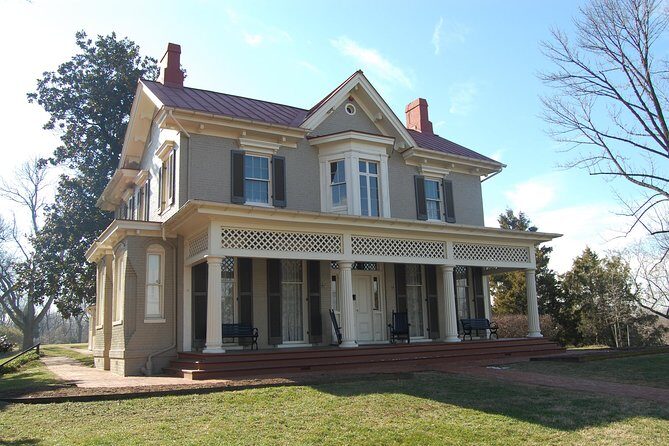
The Frederick Douglass National Historic Site is a highlight for a reason. The house ties directly to Douglass’s life and invites you into the personal side of history.
Here’s the practical schedule you should know:
- Tuesday, Wednesday, and Saturday: the tour includes a walking tour inside the Frederick Douglass house.
- Other days: the tour will drive past the home and share history from there.
- Sunday and Monday: the house is closed.
Plan your expectations around that. If you really want the inside visit, target one of the open days.
Also consider comfort: at least one guide note you should take seriously is that walking up the steps can be challenging. If you have mobility concerns, wear supportive shoes and go slow. The payoff is worth it if you can manage the stairs, but your body matters more than any “must-see” label.
LeDroit Park and Black Broadway: An Integrated Neighborhood Story
Between memorials and museums, the tour also moves through neighborhood context—especially around LeDroit Park.
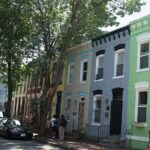
LeDroit Park is described as having a rich cultural history rooted in education and early integration. The neighborhood was originally built for white professors of Howard University, and homes were sold to both Black and white buyers, making it one of the first integrated neighborhoods in Washington.
The tour also ties the area to major African American leaders, including Mary Church Terrell (noted here as the first president of the National Association of Colored Women) and Duke Ellington. And in the early 20th century, the area was known as Black Broadway, with entertainment venues like nightclubs, theaters, and music spaces.
If you’ve only seen DC as federal buildings and monuments, this kind of stop changes your map. Suddenly, you’re seeing how culture and community shaped public life.
African American Civil War Memorial Museum: Names on Plaques
At the African American Civil War Memorial Museum, you’ll focus on the scale and specific human stories behind it.
You’ll learn that 209,000 African American troops and sailors fought during the Civil War. The memorial was dedicated in 1998. You’ll also be able to read plaques listing the names of the USCT (United States Colored Troops) that were in 166 regiments. The stop includes a statue called Sprit of Freedom made by Ed Hamilton.
This stop is short—about 10 minutes—but it carries weight. It’s the kind of place where the facts hit harder because the names make the numbers feel personal.
Dunbar High School and the Howard Theatre: Education Meets Entertainment
The tour brings you to two institutions that represent different sides of community life: schooling and performance.
Dunbar High School is described as a historic public high school founded in 1870, noted as the first public high school for African Americans in the United States. It’s credited with academic excellence and links to notable figures such as Mary McLeod Bethune and poet Paul Laurence Dunbar.
Then you move to the Howard Theatre, opened in 1910. It’s described as one of the first theaters designed and operated by African Americans, becoming a major gathering place for performers and audiences during segregation. The tour notes major entertainers associated with the theater, including Duke Ellington, Billie Holiday, Ella Fitzgerald, and Marvin Gaye. It also mentions the theater’s comedy scene and its connection to the Chitlin’ Circuit.
Why this combo matters: it shows that African American history in DC wasn’t only about protest and politics. It was also about building talent pipelines—onstage and in classrooms.
Howard University, Carter G. Woodson, and Bethune: Big Names, Real Places
You’ll drive past Howard University, established in 1867, with 13 schools. The tour lists notable graduates including Thurgood Marshall, Elijah Cummings, Taraji Henson, and Toni Morrison.
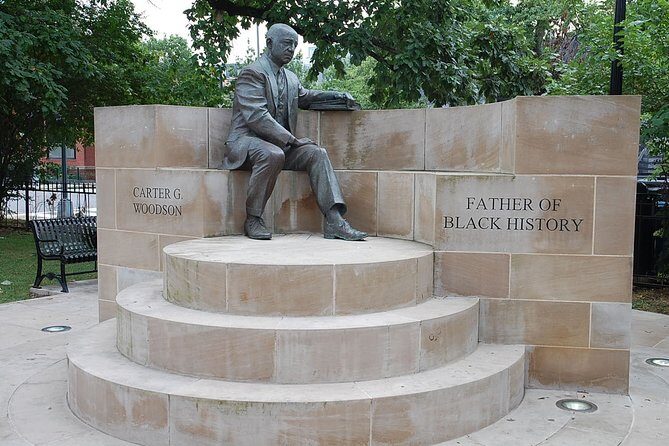
You’ll also pass by the Carter G. Woodson House, described as the home of the Father of Black History, credited with creating Black History Month.
Then comes the Mary McLeod Bethune Council House. You’ll drive past the house, and the tour may stop to tour the house Thursday to Saturday time permitting. The description adds that Bethune bought the house in 1943, and the design is described as second French Empire.
I like this part of the route because it ties history to physical addresses tied to the people’s work. You’re not just learning names—you’re seeing the geography behind the names.
Finishing at the National Museum: Same-Day Tickets and Time Until 5:30
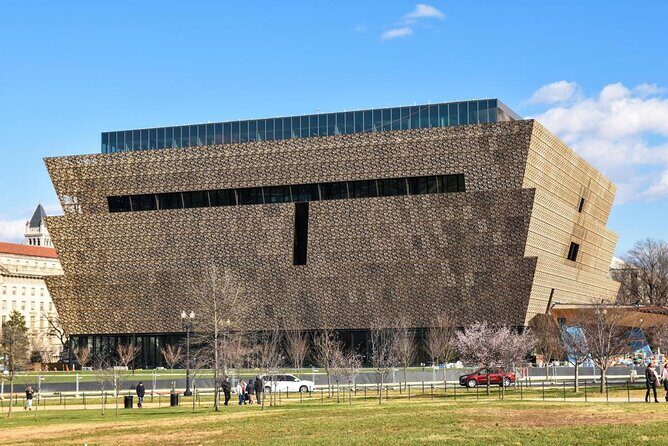
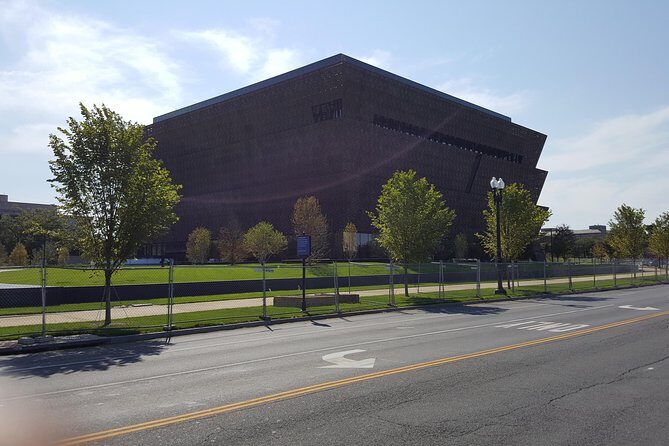
The tour ends at the National Museum of African American History and Culture at 1400 Constitution Ave NW. You get same-day museum tickets when the street tour finishes, and you’re free to stay until the museum closes at 5:30.
Once you arrive at the museum, the tour is over. The museum time becomes your own. That’s a smart design choice: you’re given context first, then you get to choose what to focus on.
One practical suggestion from how this museum tends to land: go early in the day if you can, and don’t try to do everything at once. This is the kind of place where your second visit will teach you more than your first.
Price and Value: What $90 Actually Buys You
At $90 per person for about 3 hours 30 minutes, the biggest value piece is not the number on the price tag. It’s what the tour bundles together.
You’re paying for:
- A guided route that connects many major DC landmarks and neighborhood sites into one coherent story.
- Small-group comfort, with a cap of 21 travelers, which helps the guide keep things moving without shutting down questions.
- Transportation in an air-conditioned vehicle.
- Bottled water.
- Same-day museum tickets to the National Museum of African American History and Culture.
Also, many of the stops you’ll see are described as free or with free admission time, while the White House specifically notes that admission is not included. So your money is mostly going into interpretation and access to the museum entry process at the end.
Is $90 “cheap”? Not really. But it’s also not trying to be a one-stop bargain for every ticket and entrance. The price makes more sense if you want the story threaded through the city, instead of wandering solo with a phone and piecemeal reading.
What to Wear, Bring, and Expect From the Day
A few practical notes will make this tour smoother:
- Wear comfortable walking shoes. You’ll be moving between sites, and the Douglass house can involve steps.
- Bring a light layer even if it looks warm; DC weather swings happen.
- Use sunscreen and hydrate. You’ll get bottled water, but you’re still walking in real air.
- If you’re planning the Douglass house interior visit, aim for Tuesday, Wednesday, or Saturday. Other days are drive-by history instead.
For families, the pacing is designed to fit a range of ages, but you should still expect a history-focused tour with walking and photo stops.
Who This Tour Fits Best (and Who Might Skip)
This tour is ideal if:
- You want a guided, story-driven way to see DC in half a day.
- You care about connecting memorials to people, organizations, and events with clear timelines.
- You’re heading straight into the National Museum afterward and want context first.
It may be less ideal if:
- You want strictly “inside building” stops every time. Some highlights are view-only or depend on day-of access (like the Douglass house).
- You’re not able to handle some walking and possible steps.
If your top priority is maximum indoor sightseeing, you might compare this with other DC history options. But if you want a strong orientation to African American DC—this one is built for that purpose.
Should You Book This African American History Tour?
I think you should book it if you want DC to feel meaningful fast. The combination of major landmarks, neighborhood context like LeDroit Park, and the payoff of ending at the National Museum with same-day tickets makes the day feel organized instead of random.
If the Frederick Douglass house interior visit matters to you, plan your date for Tuesday, Wednesday, or Saturday. If you’re okay with drive-by history on other days, you’ll still get a strong route packed with names, events, and monuments you can actually read and understand.
In short: for $90, you’re buying a guided story thread that holds together the city—and hands you the museum time window to continue the story in depth.
FAQ
Is the museum ticket included, and when do I get it?
Yes. You’ll be given same-day tickets to the National Museum of African American History and Culture at the end of the tour, and you can stay in the museum until 5:30.
What days include an inside tour of the Frederick Douglass house?
The tour includes walking inside the Frederick Douglass house on Tuesday, Wednesday, and Saturday. On other days, you’ll drive past and hear the history, and the house is closed on Sunday and Monday.
Does the tour include admission to the White House?
No. The tour includes time to stop at the White House, but admission is not included.
How long is the tour?
It’s about 3 hours 30 minutes.
Where does the tour start and end?
It starts at US Navy Memorial Plaza, 701 Pennsylvania Ave NW and ends at the National Museum of African American History and Culture, 1400 Constitution Ave NW.
Is the tour suitable for most people, and are service animals allowed?
Most travelers can participate, and service animals are allowed. The tour does include walking and may involve steps depending on the stop.