REVIEW · HISTORICAL TOURS
Smithsonian Museum of Natural History – Exclusive Guided Tour
Book on Viator →Operated by Babylon Tours DC · Bookable on Viator
2 hours that feel like a whole day. This exclusive guided sweep through the Smithsonian Natural History Museum is designed to get you to the big rooms quickly, with stories that connect the Hope Diamond to everything from Egyptian mummies to the Ocean Hall.
I like two things a lot. First, you can pick a start time that fits your day, with morning and afternoon options. Second, the guide keeps the route tight so you cover gems, minerals, mammals, and the sea gallery in a building described as covering 18 football fields, which would be tough to do well on your own.
The main trade-off is the price for a short visit, since $89.67 per person can feel steep if you want to linger for hours.
In This Review
- Key things to know before you go
- Why this Smithsonian tour works so well in 2 hours
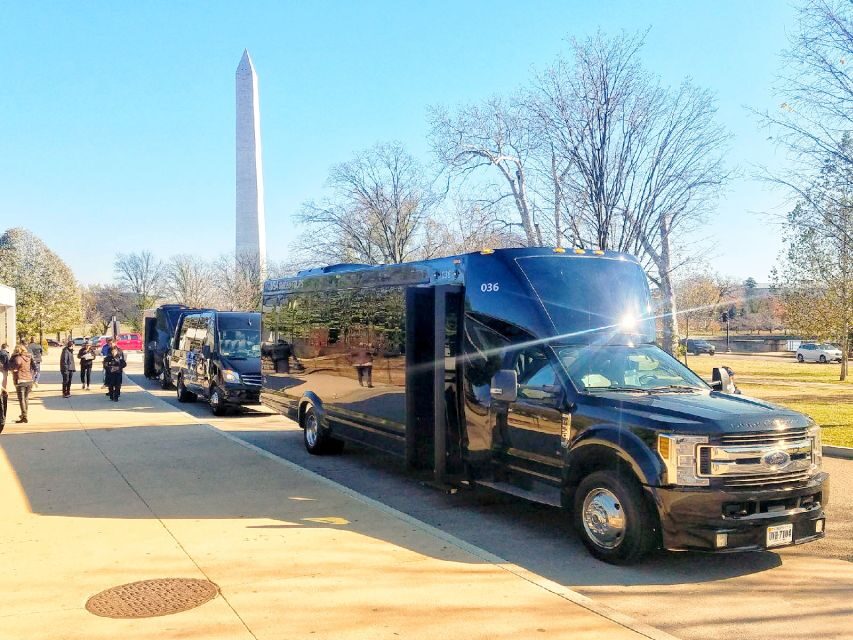
- Meeting on Madison Drive and getting in smoothly
- Gems and minerals: Hope Diamond to Dom Pedro Aquamarine
- Egyptian mummies and death rituals that make the displays click
- Mammals and the land-to-sea story: polar bears, elephants, giraffes
- Ocean Hall: live coral reef plus the 45-ton whale Phoenix
- The value question: is $89.67 per person worth it?
- Who this tour fits best
- Should you book this exclusive Smithsonian tour?
- FAQ
- How long is the Smithsonian Natural History Museum exclusive guided tour?
- What does the ticket cost include?
- Where do we meet, and where does the tour end?
- Is admission to the museum included?
- Is it wheelchair friendly?
- What should I bring (and what should I avoid) for museum security?
- What if the museum closes or the start time is delayed?
Key things to know before you go
- Private feel, not a shuffle: it’s just your group, with a guide steering you through the museum highlights.
- Fast, focused route: the tour is built for a 2-hour impact, not a slow stroll.
- Major wow-stops included: Hope Diamond, Dom Pedro Aquamarine, real mummies, mammal halls, and Ocean Hall.
- Story-first guiding: you’ll hear the kinds of context that make exhibits click instead of just looking impressive.
- Family-friendly pacing: guides are praised for keeping kids engaged and steering attention to what matters most.
Why this Smithsonian tour works so well in 2 hours
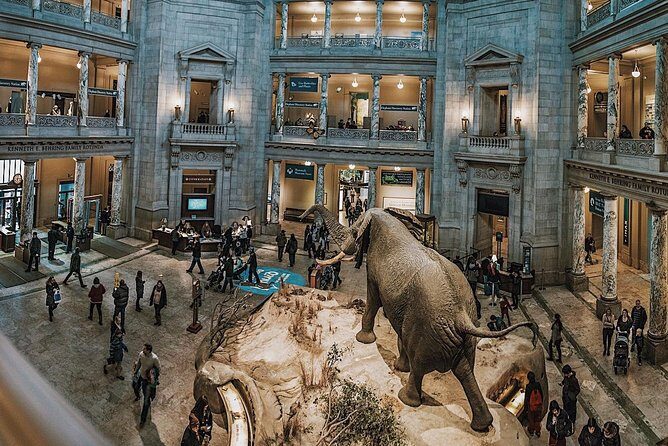
The Smithsonian Natural History Museum is one of those places where you can easily lose an entire day. There’s so much to see that most self-guided plans turn into a long walk, a quick stop here and there, and then that sinking feeling of missing the best stuff.
This tour is built to prevent that. You don’t just get a list of famous objects. You get a guided path that links themes: deep time, survival, extinction, and the way humans make sense of the natural world. The route also makes practical sense. Instead of zig-zagging across the museum, you move through the major collections in an order that feels like a story arc.
That structure is exactly why the guides earn such high marks. People consistently call out guides like Meghan, Leigh, Ryan, Rebecca, Christopher, Brenda, Tim, Amanda, and Donna for doing more than reciting facts—they connect what you’re seeing to the bigger picture, and they keep the timing tight enough that you actually reach the big-ticket stops.
You can also read our reviews of more guided tours in Washington DC



Meeting on Madison Drive and getting in smoothly
You meet at 1010 Madison Dr NW, Washington, DC 20004, and the tour ends back at the same spot. The good news is that the area is near public transportation, so you’re not forced into a long rideshare loop before your museum time starts.
Plan for museum security the moment you arrive. The museum limits what you can bring in: no large bags or suitcases, and only handbags or small, thin packs are allowed through security. If you’re used to traveling with a tote and a backup bag, this is where your day can get snagged.
One more practical point: the tour includes museum entry, and some “quiet or restricted speaking” rooms can exist. The guide will warn you before you enter those spaces and explain the rules. Translation: you won’t waste time worrying about when to whisper, and you won’t accidentally break the rhythm of a room where people are supposed to be respectful and quiet.
Gems and minerals: Hope Diamond to Dom Pedro Aquamarine
The tour’s highlight sequence starts in the museum’s big-value zone: gems and minerals. The Smithsonian building is famous for sheer scale, but this is where a guide really pays off. In 2 hours, you need more than photos—you need a sense of why specific stones matter.
The Hope Diamond is the opener. You’ll see its famous brilliant blue sparkle and hear the story tied to its size—46 carats—and the attention it drew from Marie Antoinette (that kind of historical link is exactly what makes the exhibit pop). Even if you’ve seen it in pictures, it lands differently in person, and a guide helps you read the display like a narrative instead of a static object.
Next comes minerals and gems with a “how big is this really?” energy. You’ll also visit the displays featuring the Dom Pedro Aquamarine, described as the world’s largest gem of its type. The standout feature is how it glows from within. A guide’s job here is to slow you down just enough to notice what your eyes might otherwise skate over—color, cut, and how light behaves in the stone.
Why this section is worth booking: it gives you the vocabulary to look at jewelry and minerals with curiosity instead of just awe. When you walk out of this portion, the rest of the museum feels less random.
Egyptian mummies and death rituals that make the displays click
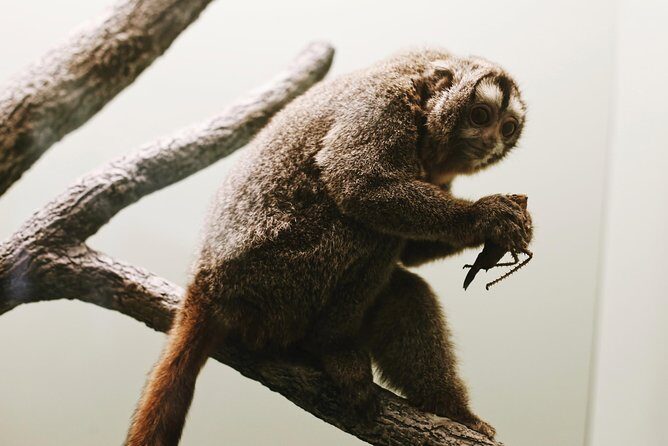
From gems, the tour shifts backward in time—then lands somewhere darker. You’ll explore exhibits tied to death rituals and see real mummies from Ancient Egypt.
This part can go two ways on a self-guided visit. You either rush through and remember only that mummies are on display, or you get stuck and lose time because you don’t know what themes to follow.
With a guide, you get context that frames the objects: the idea that burial practices weren’t just about hiding a body, but about beliefs around what comes after death. That makes the rooms feel organized, not just creepy-interesting. It also helps you notice what the museum is trying to communicate: ritual, preservation, and the human need to make meaning.
A small but real advantage: a good guide also manages the flow around crowds. In a museum this popular, you can’t always stop and look closely where you want. Guides help you hit the key viewing points without turning the experience into an awkward waiting game.
Mammals and the land-to-sea story: polar bears, elephants, giraffes
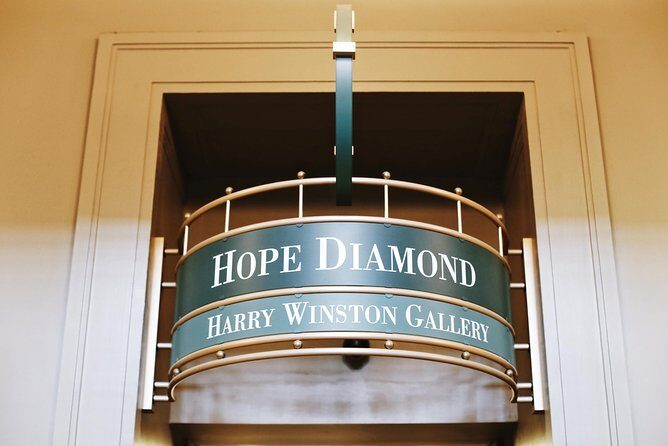
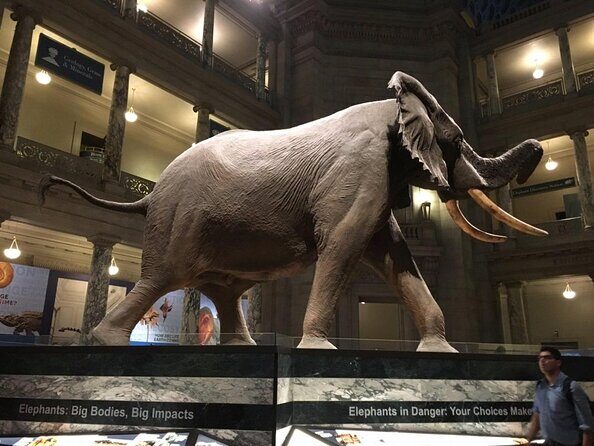
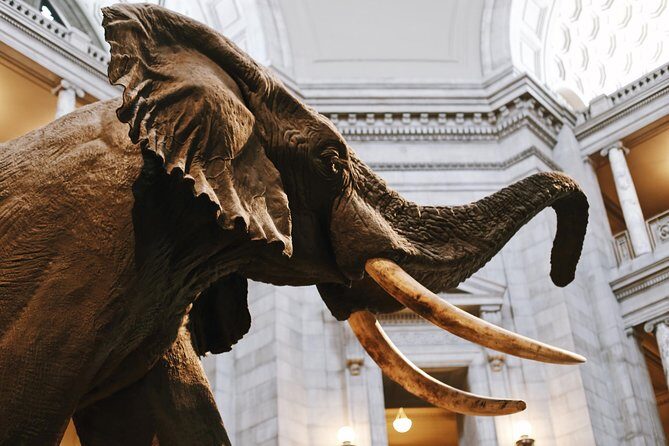
After the “ancient world” stops, you step into the museum’s living-world energy. You’ll move from past to present, exploring mammals like polar bears, elephants, and giraffes across the museum’s ground-level exhibits.
This is one of the best parts of the tour for families. It’s not just that the animals are familiar—it’s that the guide can connect the display choices to the larger theme of survival and adaptation. If you’re traveling with kids, this is often where attention becomes easier: animals give people a visual anchor that keeps the tour from feeling like a lecture.
There’s also a smart pacing benefit here. Once you’ve seen gems and mummies, the mammal section is a natural “reset.” You get a break from glass cases and artifacts, and you return to something your brain can instantly picture in the wild.
You can also read our reviews of more historical tours in Washington DC






Ocean Hall: live coral reef plus the 45-ton whale Phoenix
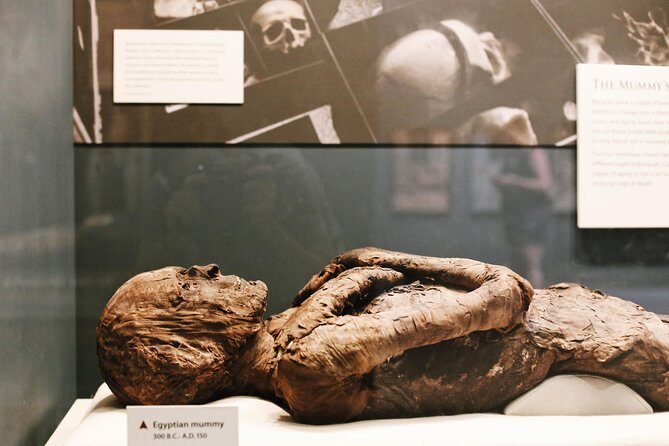
Then the tour shifts again—out of the land galleries and into the museum’s sea-focused imagination. At Ocean Hall, you’ll see a live coral reef exhibit and a large whale replica: Phoenix, described as a 45-ton whale.
Even if you’ve never cared much about marine life, this is usually the moment where the tour earns its keep. The live coral reef is active enough to make your attention stay. The whale is big enough that you can’t help but look up. And when you’re seeing it with a guide, you’re not just staring at size—you’re learning what the exhibit is trying to show and why the museum tracks the experience it can present through a replica like Phoenix.
One detail I’d highlight for planning: Ocean Hall is a place where lines and crowding can slow down self-guided viewing. With the guide leading, you’re more likely to get meaningful time at key spots rather than spending your limited 2 hours stuck in traffic between rooms.
The value question: is $89.67 per person worth it?
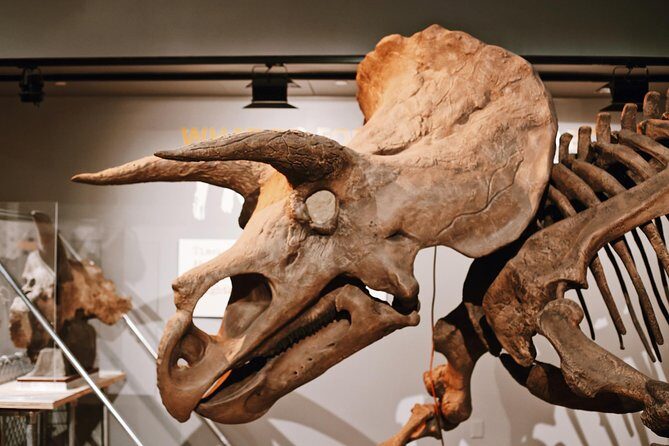
Let’s talk money plainly. At $89.67 per person for about 2 hours, this isn’t a budget purchase. But it’s also not overpriced in the way that some short “highlight tours” are.
Here’s why I think it can be good value: the museum is massive, and the “cost” of doing it alone isn’t just time—it’s missed context. This tour is designed to deliver a concentrated tour route that hits the museum’s most famous and most engaging rooms, while also giving you story links you wouldn’t discover by stopping randomly.
If you’re the type who wants a strong first museum day in DC, or you’re on a tight schedule and you’d hate to leave without seeing the biggest objects, the math usually works. Two hours with a guide can replace a longer, more scattered day.
Where it might not feel worth it: if you’re the slow-and-steady visitor who plans to sit with one exhibit for a long stretch, you may resent feeling “moved along.” In that case, consider using the guided time to get bearings, then plan a second self-guided pass on your own afterward.
Who this tour fits best
This is a strong match for:
- Couples and first-timers who want the museum’s biggest rooms in a single tight visit.
- Families with kids who benefit from a guide turning exhibit stops into a story, not a checklist.
- Anyone who hates wasting time trying to choose what to see in a building this large.
It also helps if you care about more than photo ops. The most praised guides—whether Meghan, Leigh, Lynn, Rebecca, Christopher, or Donna—are praised for staying engaging and friendly, and for keeping everyone on track. That matters when you’re trying to manage multiple interests at once.
Should you book this exclusive Smithsonian tour?
Book it if you want a high-impact museum introduction and you know you’ll be happier with a route than with total freedom. The highlights are real show-stoppers, and the guide adds context that makes them land.
Skip or reconsider if you want long, quiet time in a few rooms, or if you’re building a museum day where you plan to wander without structure. In that situation, the guided experience could feel too compressed.
If you’re on the fence, think of it this way: this tour doesn’t try to replace the whole museum. It helps you see the best of it efficiently, so the rest of your Smithsonian time becomes smarter and more intentional.
FAQ
How long is the Smithsonian Natural History Museum exclusive guided tour?
The tour runs for about 2 hours.
What does the ticket cost include?
You get a guided museum tour and your guide provides the experience for your group. The tour time is 2 hours and admission is listed as free for this activity.
Where do we meet, and where does the tour end?
You meet at 1010 Madison Dr NW, Washington, DC 20004 and the tour ends back at the same meeting point.
Is admission to the museum included?
Yes. The tour includes the activity ticket, and admission is listed as free.
Is it wheelchair friendly?
Wheelchair friendliness is listed as included for the tour, but it does not apply if you choose the SAVE! BOOK SEMI-PRIVATE option.
What should I bring (and what should I avoid) for museum security?
No large bags or suitcases are allowed inside the museum. The guidance says only handbags or small thin bag packs are allowed through security.
What if the museum closes or the start time is delayed?
Natural History Museum hours can change without advance warning. If opening is delayed by more than 1 hour from the tour start time, the provider will offer an appropriate alternative, but refunds or discounts aren’t available in those cases.