REVIEW · BIBLE MUSEUM
Washington DC: Museum of the Bible General Admission
Book on GetYourGuide →Operated by Museum of the Bible · Bookable on GetYourGuide
A museum with Bible history in bold, physical form. Right next to the National Mall, the Museum of the Bible gives you early access and then spreads 3,500 years of artifacts and storytelling across 7 floors.
You’ll like the way it mixes tangible items (manuscripts, printed Bibles, art) with hands-on and video moments, so it’s not just glass cases. One solid drawback to plan around: you’re paying about $34 in a city full of free museums.
My favorite parts are the big built-in experiences and the exhibit focus. I like the World of Jesus of Nazareth exhibit for giving you a clear storyline, and I like that the ticket includes a 12-minute film plus a 30-minute Hebrew Bible experience with major narratives like Noah’s ark, the burning bush, and Passover.
The main consideration is value. Washington, DC is packed with free options, so this one makes the most sense when you’re specifically excited about the Bible’s history, translation, and cultural impact—not just museum browsing for the sake of it.
In This Review
- Key things to know before you go
- Museum of the Bible: what this Washington DC ticket really covers
- Early access at 9 AM: how to beat the crowds without rushing
- A realistic game plan for 7 floors (so you don’t miss the good stuff)
- World of Jesus of Nazareth: why this exhibit helps you connect the dots
- The 12-minute film and the 30-minute Hebrew Bible experience
- The 12-minute film
- The 30-minute Hebrew Bible experience
- Rare artifacts, Dead Sea Scroll–level excitement, and printed Bibles in context
- Interactive stops and the hands-on moments that actually stick
- Food rules, breaks, and where to get a bite inside
- Optional add-on: Washington Revelations flight simulator (and who should skip it)
- Location near the National Mall: easy to pair, easy to overpack
- Price and value: $34 in a city of free museums
- Accessibility and comfort notes you should take seriously
- Who this admission ticket is best for (and who might not love it)
- Should you book Museum of the Bible general admission?
- FAQ
- What time is early access for Museum of the Bible general admission?
- Is there early access on Sundays?
- What’s included with the general admission ticket?
- Can I add the Washington Revelations flight simulator to my ticket?
- What is the height requirement for Washington Revelations?
- Is outside food allowed?
- Is the museum wheelchair accessible?
- Are there any health or motion-sickness limitations for the simulator?
- Can I cancel my ticket for a refund?
Key things to know before you go
- Early access at 9 AM lets you tour with less crowding (except Sundays).
- World of Jesus of Nazareth helps you anchor the exhibits in story, not just dates.
- Two included experiences: a 12-minute film and a 30-minute Hebrew Bible experience.
- Optional Washington Revelations flight simulator needs a 42-inch minimum height.
- Seven floors means you should budget real time, not a quick stop.
- No outside food or drinks, so plan on breaks inside the museum or at its on-site café.
Museum of the Bible: what this Washington DC ticket really covers
This is not your typical “quiet rooms of artifacts” museum. Yes, you’ll see biblical manuscripts, printed Bibles, books, and art from different cultures and time periods—but the museum is also built around experiences and interpretation. The goal is to help you connect the Bible to how people have read it, translated it, and carried its stories through the world.
With general admission, you get access to 7 floors of exhibits and interactive displays. You also get two time-based features included with your ticket: a 12-minute film and a 30-minute Hebrew Bible experience. That matters because it turns the visit from “wander around” into “do a few key things that structure your time.”
Location helps, too. You’re steps from the National Mall, so you can pair this with other nearby sights without burning an entire day on transit.
You can also read our reviews of more museum experiences in Washington Dc


Early access at 9 AM: how to beat the crowds without rushing
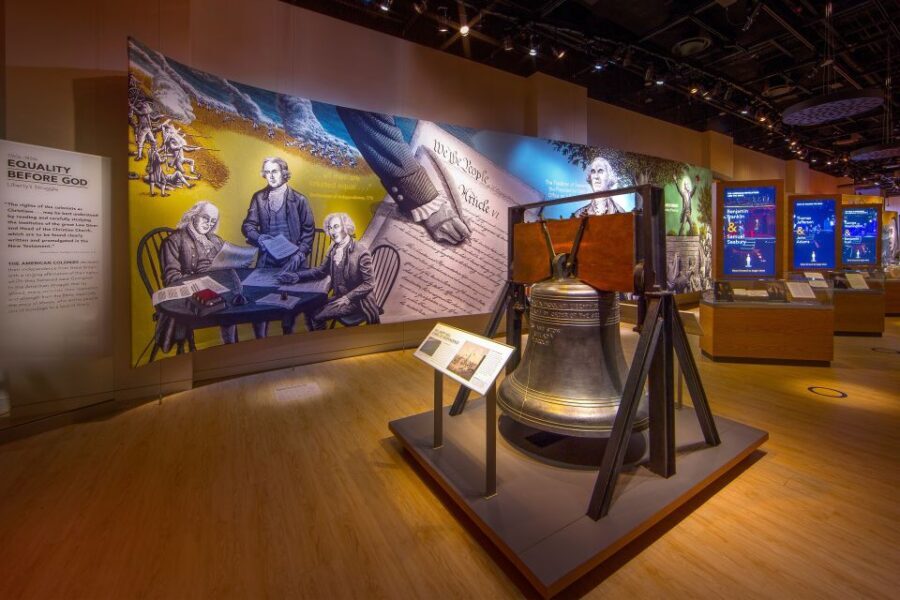
Your ticket includes early entry to the museum at 9 AM, one hour before the general public opening at 10 AM. That hour can feel like a gift in a big museum—less jockeying, easier viewing of interactive areas, and more time to read labels without shoulder-to-shoulder pacing.
Sundays are the exception: early access isn’t available then. So if you want the “cooler head” version of the museum, aim for a weekday—or at least plan your expectations if you’re going on a Sunday.
Practical tip: even when you reserve ahead, you may still need to stop at the ticket counter after security to pick up your entry items. I’d give yourself a little buffer right when you arrive so you don’t start your visit annoyed.
A realistic game plan for 7 floors (so you don’t miss the good stuff)
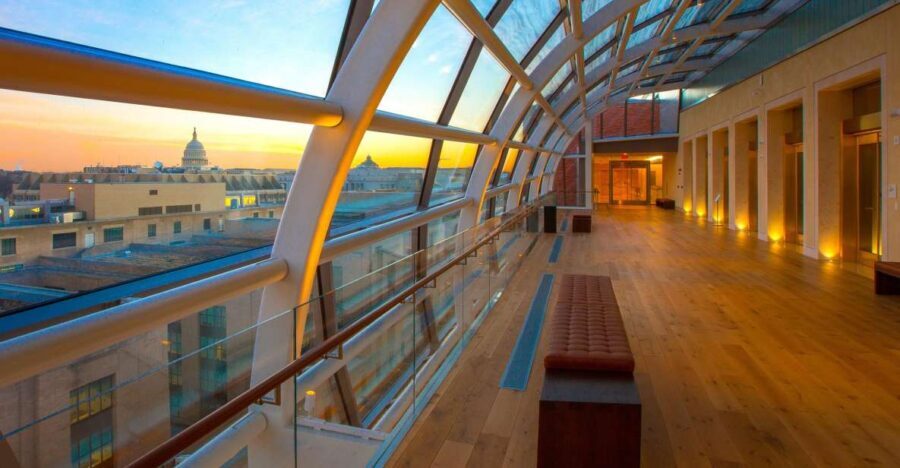
The ticket is valid for one day, and you can take your time across all 7 floors. The museum is big enough that a rushed circuit feels like speed-walking through a book you actually want to read.
A smart approach is to think in “anchors” and “extras”:
- Anchors (don’t skip): the 12-minute film and the 30-minute Hebrew Bible experience.
- Anchors (must-see exhibit): the World of Jesus of Nazareth exhibit.
- Extras (pick based on your interests): artifacts, manuscript displays, translation stories, interactive stations, and video areas.
People often underestimate how long it takes to read and interact. If you want to actually absorb what you’re seeing—and not just glance—you’ll likely want most of the day. If you’re trying to do only the highlights, you can still have a good visit, but you’ll need discipline.
Also, plan for at least one “reset” moment. This museum has enough text, images, and interactive stations that your brain will appreciate a break.
World of Jesus of Nazareth: why this exhibit helps you connect the dots
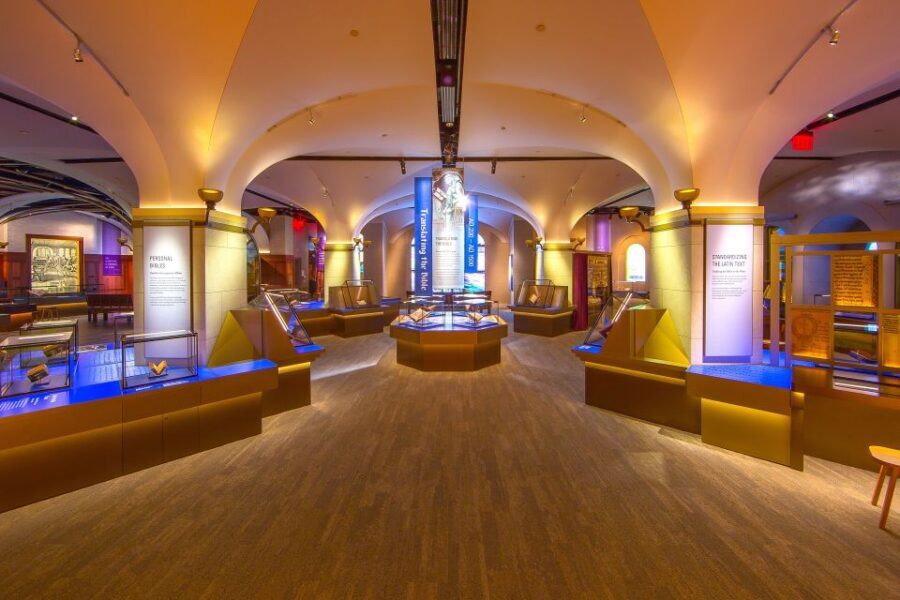
One exhibit keeps getting singled out for a reason: the World of Jesus of Nazareth. It’s positioned to set context—so when you later see manuscripts, inscriptions, and historical references, you’re not starting from scratch.
What I like about an exhibit like this is that it reduces the “I’m not sure where to begin” feeling. Instead of making you memorize facts, it gives you a storyline frame, which then makes the rest of the museum easier to follow.
If you’re visiting with kids or teens, this kind of anchor can keep attention from drifting. And if you’re visiting as an adult, it helps you move beyond “Bible as lines on a page” into “Bible as a cultural and historical phenomenon.”
The 12-minute film and the 30-minute Hebrew Bible experience
This ticket includes two structured experiences, and that’s a big part of the value.






The 12-minute film
The included film immerses you in how followers of Jesus grew into a thriving community. Even if you’re not focused on Christian theology, the story format helps you see the Bible as something that moved through real communities over time.
The 30-minute Hebrew Bible experience
This one is designed for a focused, narrative walkthrough. You’ll encounter major stories such as Noah’s ark, the burning bush, and the Passover. It’s also a good time-saver compared with trying to self-navigate the same themes through wall text.
My suggestion: do these included experiences early in your day, especially if you’re using early access. You’ll likely get a calmer pace, and you’ll know what themes you’re looking for as you move through the rest of the museum.
Rare artifacts, Dead Sea Scroll–level excitement, and printed Bibles in context
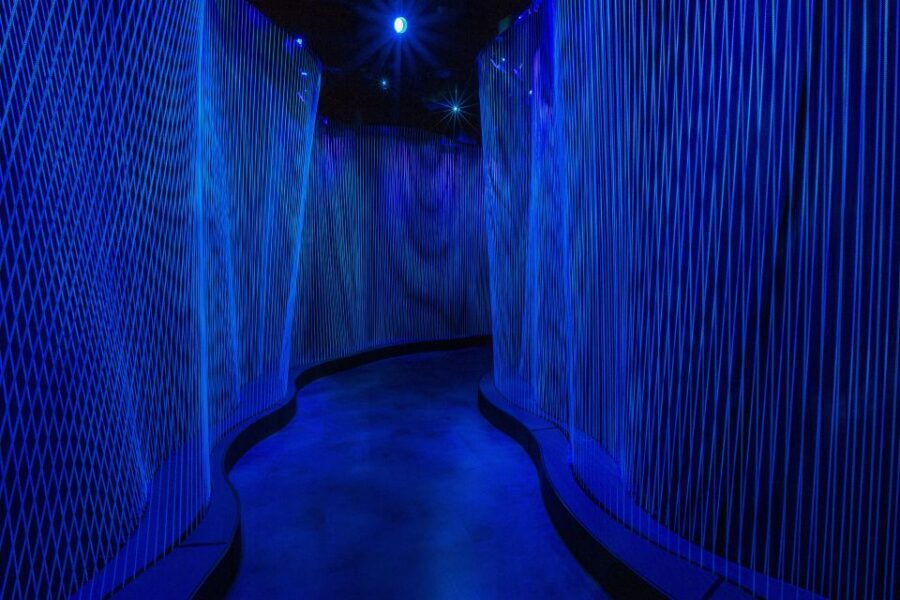
The heart of the museum is the physical collection: biblical artifacts, manuscripts, printed Bibles, books, and art spanning thousands of years. Even if you’re not a manuscript-history buff, there’s something powerful about seeing how texts were shaped, copied, and translated.
A lot of visitors specifically light up at the chance to see famous material—like Dead Sea Scroll–related artifacts. That reaction makes sense. It’s one thing to read about ancient documents; it’s another to see them presented with context and explanation.
One display type you should watch for is translation-focused content—areas dedicated to how the Bible has been translated into many languages over time. If you care about languages, scripts, and how words shift across cultures, you’ll get a lot out of this.
And if you’re the type who loves “how it was made,” keep an eye out for printing press–style displays. The museum tends to connect the Bible to the history of making books and spreading them.
Interactive stops and the hands-on moments that actually stick
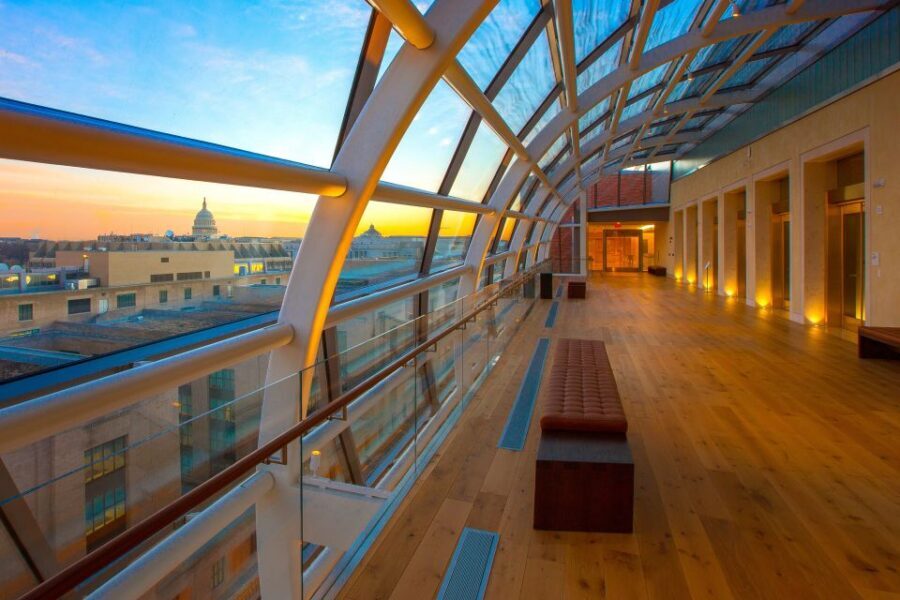
This is the sort of museum where interactive elements can either feel gimmicky or actually help learning. Here, the interactive sections generally support the bigger story: how people encountered the Bible, explained it, translated it, and used it in daily life and communities.
Examples from what people report seeing inside include:
- Areas where you can experience parts of how the Bible was translated and presented across languages.
- Recording or listening-style stations where you can hear what the Bible means to different people.
- Video and interactive dramatizations that help bring historical periods into focus.
I’d plan to slow down for these moments instead of speed-scanning them. They’re the places where your visit becomes more personal and less like reading a museum worksheet.
Food rules, breaks, and where to get a bite inside
Your admission doesn’t include food, and the museum also has a clear rule: no outside food or drinks. That means you’ll want to plan for snack breaks inside.
There are on-site cafés people name in their visits, so you should have options for something quick and sit-down-ish. This also affects your schedule. If you come hungry, you’ll want to grab food earlier rather than later—especially if you’re visiting during peak hours.
A practical move: decide what you’ll do between floors. Use the café as a checkpoint, not just as a last-minute emergency.
Optional add-on: Washington Revelations flight simulator (and who should skip it)
You can upgrade your ticket to include the Washington Revelations flight simulator experience. It’s a 6-minute multi-sensory video where you “fly” past biblical references around Washington, DC—from the Lincoln Memorial toward the Library of Congress.
Two important practical points:
- The height requirement is 42 inches (107 cm).
- It is not suitable for people with motion sickness, and it’s also not recommended for those with back or heart problems, for pregnant women, or for anyone afraid of heights.
Even if you’re fine with simulators, the warning is there for a reason. If you’re even slightly sensitive to motion effects, I’d skip this add-on and spend that time in the main exhibits instead.
Is it worth upgrading? If you like tech-forward experiences and you don’t get motion sick, it can add a fun, quick “fly-through” layer to connect biblical references with the real landmarks around you. If not, you won’t miss anything essential—your base admission is still packed.
Location near the National Mall: easy to pair, easy to overpack
Since the museum is steps from the National Mall, it’s an easy add-on to a DC day. You can combine it with nearby sights without committing to long transit.
But DC days also tempt you to cram too much. If you schedule this as just a “one-hour stop,” you’ll feel shorted. This is a museum you visit for understanding and exploration.
If you’re doing other major sites too, pick one “anchor museum” for the day, then treat the Bible museum as your second priority—unless you know you want a full-on Bible history day.
Price and value: $34 in a city of free museums
At about $34 per person, this ticket isn’t the cheapest move in town. And yes, Washington is loaded with free museums, so it’s fair to ask what you’re paying for.
Here’s what justifies the price, in plain terms:
- You get included “time-experience” features (the 12-minute film and 30-minute Hebrew Bible experience).
- You get seven floors worth of artifacts plus interactive and video content.
- You’re paying for focus, not just a general museum outing. The entire place is built around Bible history, texts, translation, and cultural impact.
So the value depends on your goal. If you want a thematic museum centered on biblical artifacts and how the Bible’s stories moved through history, this price can feel reasonable. If you’re mainly looking for architecture, quick photo ops, or variety with no deep theme, you might feel it’s too much.
Also note: you can spend the day at your own pace. One review mentions you can leave and return the same day, which helps if you want to combine the museum with another stop and still come back for the rest of the floors.
Accessibility and comfort notes you should take seriously
The museum is wheelchair accessible, which is a big win. In general, the building is designed for visitor flow and offers a full-day option.
The simulator add-on is the comfort complication. If you have motion sensitivity or the listed health or pregnancy considerations, stick to the main museum exhibits instead of the flight experience.
If you’re planning a full day, wear comfortable shoes. Even if you’re not doing the simulator, you’ll still be moving between floors and stations.
Who this admission ticket is best for (and who might not love it)
This works especially well if you:
- Want Bible history beyond sermons and scripture quotations.
- Like artifacts and translation stories, including how texts traveled through time and cultures.
- Enjoy interactive displays and short structured audio-video experiences.
- Are visiting with teens who can handle a more serious museum, not just “kid play areas.”
You might feel less satisfied if you:
- Want only light sightseeing and minimal reading.
- Need a very short museum stop.
- Are seeking a strictly one-faith religious experience with no historical framing. The museum’s approach is educational and global in theme, but the emphasis may still feel more Western in how it’s presented to some visitors.
Should you book Museum of the Bible general admission?
Book it if you want a focused day in Washington DC centered on Bible texts, artifacts, and how people have translated and carried these stories for centuries. The included film and Hebrew Bible experience, plus the World of Jesus of Nazareth exhibit, give your visit structure and make it more than a stroll.
Skip the simulator add-on if motion sensitivity is an issue—your base ticket is already packed. And if you go, plan for most of the day. This is the type of museum where giving yourself time pays off.
If your budget is tight, consider treating this as the day’s paid anchor and then balancing it with nearby free museums. That keeps the overall DC day feeling smart, not pricey.
FAQ
What time is early access for Museum of the Bible general admission?
Early access starts at 9 AM, one hour before the museum opens to the general public at 10 AM, except Sundays.
Is there early access on Sundays?
No. Early access is not available on Sundays.
What’s included with the general admission ticket?
Your ticket includes general admission to 7 floors of exhibits and interactive displays, plus access to the included 12-minute film and the 30-minute Hebrew Bible experience.
Can I add the Washington Revelations flight simulator to my ticket?
Yes, you can upgrade to include the Washington Revelations flight simulator experience.
What is the height requirement for Washington Revelations?
You must be at least 42 inches (107 centimeters) to purchase or participate in the flight simulator option.
Is outside food allowed?
No. Food and drinks are not allowed.
Is the museum wheelchair accessible?
Yes, the museum is wheelchair accessible.
Are there any health or motion-sickness limitations for the simulator?
The flight simulator experience is not suitable for people with motion sickness, and it’s also not suitable for people with back problems or heart problems, pregnant women, and anyone afraid of heights.
Can I cancel my ticket for a refund?
Yes. You can cancel up to 24 hours in advance for a full refund.