REVIEW · WALKING TOURS
DC Monuments: Small Groups, Big Ideas Walking Tour
Book on GetYourGuide →Operated by Rethinking History · Bookable on GetYourGuide
Monuments make sense when you hear the people. On this DC Monuments walking tour, I like how it keeps the focus on the humans behind each memorial, not a long list of dates, and how you get meaning you can actually use as you stand in front of the landmarks. One thing to plan for: it’s mostly outdoors and you’ll walk about a mile (1.6 km).
The pace stays relaxed for a 150-minute loop, and it helps that it’s limited to just 8 participants. Your main drawback is simple logistics: benches aren’t at every stop, and the National Mall can be busy—so bring good shoes and a reusable water bottle.
In This Review
- Key Takeaways Before You Go
- Why This National Mall Tour Feels Different Than the Usual Sit-Here-and-Read
- Meeting Shelley at 17th St. SW: Get Your Bearings Fast
- Washington Monument: The View From a Distance and Why That’s Okay
- World War II Memorial: A Monument Built for Both Scale and Specific Loss
- Vietnam Veterans Memorial: Three Parts, One Experience, and No Need for a Date List
- Vietnam Women’s Memorial and the Three Servicemen Statue: Design as a Form of Recognition
- Korean War Veterans Memorial: Wall of Remembrance Meets 19 Service Men Statues
- Lincoln Memorial: Bringing the Stories Together at the End of the Walk
- Price and Value: What $85 Actually Buys You
- Tips That Make the Tour Easier (And More Enjoyable)
- Should You Book This DC Monuments Walking Tour?
- FAQ
- FAQ
- How long is the walking tour?
- What is the price?
- Where does the tour start?
- Where does the tour end?
- Which monuments are included?
- How much walking is involved?
- Is bottled water provided?
- Is the tour wheelchair accessible?
- What should I bring?
- What is not allowed during the tour?
- What is the cancellation and booking policy?
Key Takeaways Before You Go

- People-first storytelling: You’ll connect monuments to the lived stories behind them, not memorize trivia.
- Small-group discussion: You’ll talk as a group about what these places mean to you.
- A camera-friendly route: You’ll have time to look closely and take photos of iconic memorials.
- A brisk but not rushed pace: 150 minutes works well for first-timers who want context without overload.
- Benches are limited: You’ll want to plan for walking breaks, not constant seating.
Why This National Mall Tour Feels Different Than the Usual Sit-Here-and-Read
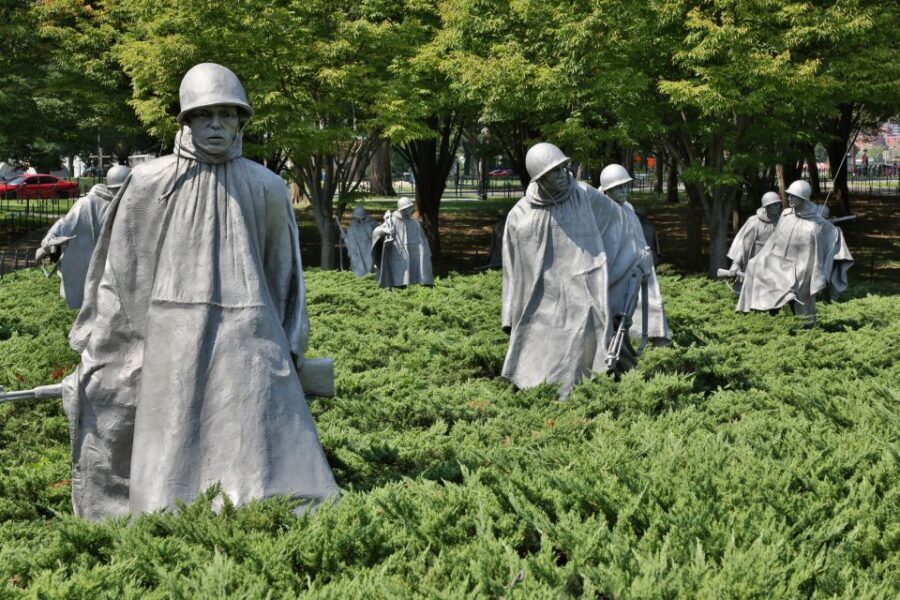
The National Mall is famous for two things: iconic views and people-watching. This tour adds a third ingredient—why these memorials exist in the first place—and it does that in a way that doesn’t make you feel like you’re back in a classroom.
What I appreciate most is the tone. It’s not a checklist of dates. Instead, you follow the thread of people: who is being honored, who is remembering, and how the design choices affect how you feel standing there. That matters, because monuments can look dramatic from a distance and feel strangely flat if you don’t know what you’re looking at.
You’ll also get a practical benefit: the guide helps you slow down at exactly the right places. You’re not stuck rushing from one photo to the next, and you’re not stuck hearing the same long speech at every stop. The goal is to make the ideas stick—without turning your day into a lecture marathon.
One more plus: the group is small (max 8). That’s a sweet spot for asking questions, hearing your own thoughts out loud, and not feeling like you’re part of a crowd. And yes, it’s outside the whole time, so the weather will be the real boss of the day—bring the basics and plan to be flexible.
You can also read our reviews of more walking tours in Washington Dc



Meeting Shelley at 17th St. SW: Get Your Bearings Fast
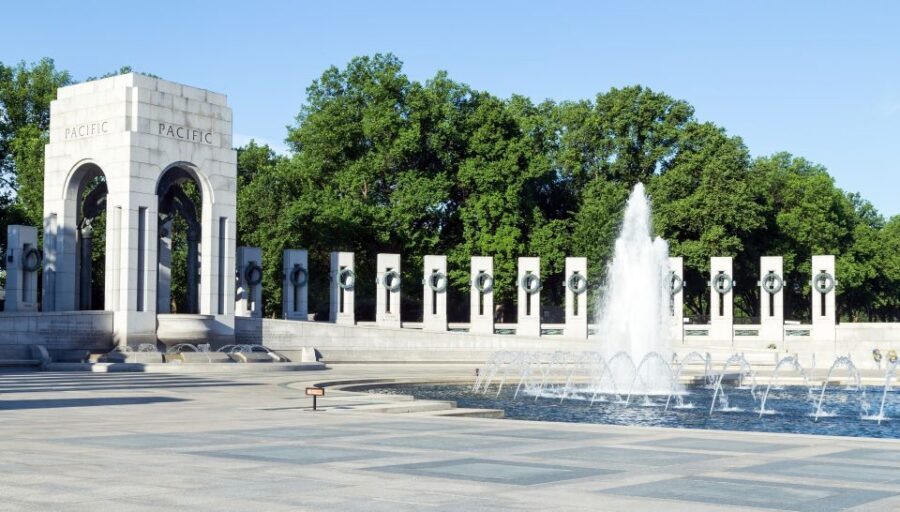
The tour starts at 1750 Independence Ave SW, but you’ll actually meet on 17th St. SW next to a crosswalk at the World War II Memorial. You’re aiming for the east side of the street, roughly halfway between Independence Ave and Constitution Ave, and you should be able to spot the guide in a green shirt.
Why this matters: the National Mall area can be confusing if you’re trying to find landmarks by instinct. A clear meeting point saves time and stress. It also sets up the route well—you begin in the zone where you’ll naturally work through the monuments toward the Lincoln Memorial.
And then there’s the guide herself. The tour is led by Shelley, who previously worked as a National Park Service ranger for seven years. She served in places like The Frederick Douglass House, Cape Cod National Seashore, and The Chesapeake and Ohio Canal. She also has a master’s in museum studies and a bachelor’s in anthropology and linguistics, which shows in how she connects symbolism, communication, and how we interpret public spaces.
If you like tours that feel like a smart conversation rather than a scripted performance, this will click quickly.
Washington Monument: The View From a Distance and Why That’s Okay

The first major stop is the Washington Monument. You’ll view it from a distance and talk about it as a monument dedicated to George Washington, the United States’ first president.
Here’s the practical twist: the tour experience starts with looking rather than immediately crowding in. If you want to see the Washington Monument up close, the best move is to do that before the tour. That keeps the walking flow smooth and helps you avoid spending your tour time on things that can be handled separately.
From the guide’s framing, you’ll start asking better questions, like:
- What does it mean to memorialize a founding figure?
- How does the monument’s location and scale influence the story you feel?
Even if you’ve seen the Washington Monument in photos a hundred times, this early context helps you read it differently. You stop thinking only about the shape and start thinking about the message behind it.
World War II Memorial: A Monument Built for Both Scale and Specific Loss
Next up is the National World War II Memorial. This stop gives you time to look and listen—about 25 minutes—which is important because this memorial can feel overwhelming if you only glance at it.
The tour focuses on the full sweep of what the memorial represents:
- 16 million U.S. service members
- support from millions on the home front
- 405,399 Americans who gave the ultimate sacrifice
That set of numbers could feel cold on its own. But in a guided walk, it becomes a structure for understanding. You’re not just collecting facts—you’re learning what the memorial is trying to hold in one space.
Practical tip: expect crowds. The National Mall is one of the most visited places in DC, so you may see people moving in both directions around you. A guide-led pause helps you find your own moment in the noise. You’ll also be in a good spot for photos, since you can capture the monument with strong background lines while the story is fresh in your head.
Vietnam Veterans Memorial: Three Parts, One Experience, and No Need for a Date List
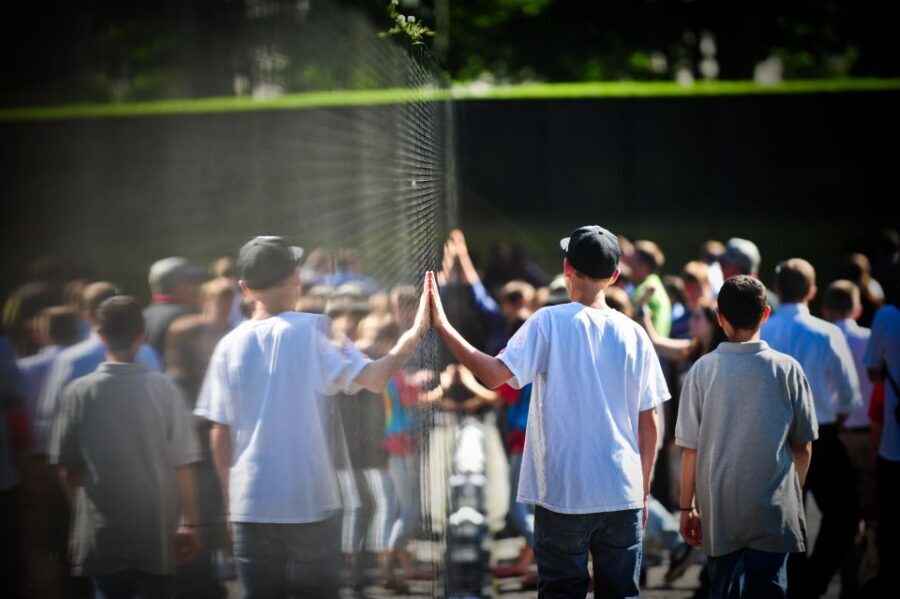
The next stop is the Vietnam Veterans Memorial, and it’s one of the most emotionally powerful segments of the whole tour.
You’ll cover how the memorial is made up of three linked parts:
- the Three Soldiers statue
- the Vietnam Women’s Memorial
- The Wall (the Vietnam Veterans War Memorial)
This stop takes about 25 minutes, and it matters that the time is long enough to slow down. The wall is the headline, but the guide’s approach helps you notice how the other components shift the mood and tell a broader story.
What you’ll learn here is how the memorial was created and how it’s used today to honor those who died during the war. That’s a meaningful difference from the usual monument chat, because it moves beyond symbolism and into lived remembrance.
If you’re the type who gets uncomfortable at memorials—too quiet, too heavy—you may still be glad you came. The tour keeps it respectful and human. The pacing also helps. You’re not forced through. You get time to take it in without turning it into a sprint.
Photo tip that doesn’t require guessing: have your camera ready, but don’t treat photos as the goal. Look first, then shoot once you understand what you’re seeing.






Vietnam Women’s Memorial and the Three Servicemen Statue: Design as a Form of Recognition
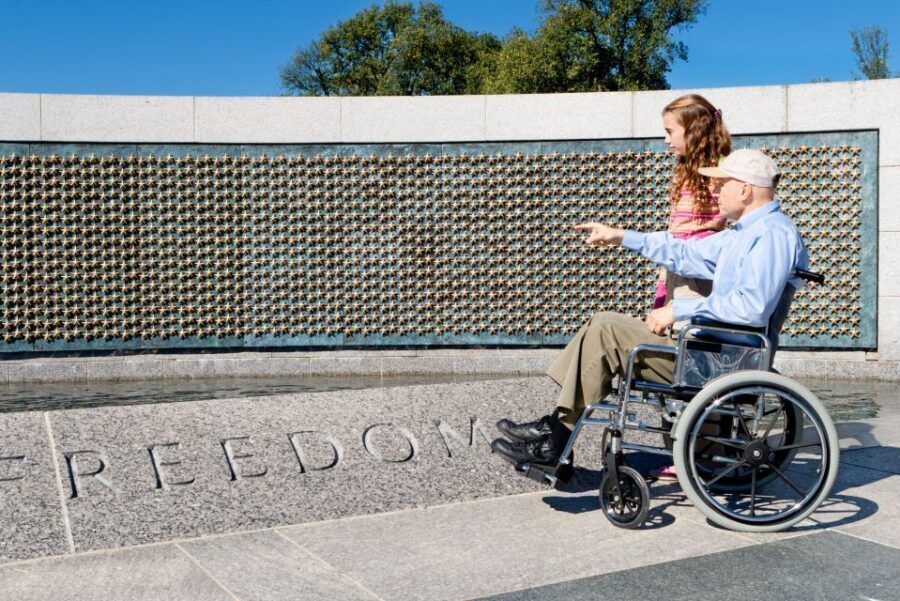
You’ll spend a bit more targeted time at two specific elements connected to the Vietnam memorial area:
- the Vietnam Women’s Memorial (about 10 minutes)
- the Three Servicemen Statue (about 5 minutes)
These are quick stops by time, but they’re not quick in meaning. The guide’s framing makes these figures feel like more than add-ons to the main wall. They’re part of the way the memorial expands who the public remembers.
This is a good moment to bring questions. The tour works best when you’re curious and willing to listen. You’ll likely start noticing how people react—some stand still longer than they planned to, some read carefully, and some look up to reframe the story. That’s normal. A memorial isn’t supposed to rush you.
Korean War Veterans Memorial: Wall of Remembrance Meets 19 Service Men Statues
After the Vietnam area, you move to the Korean War Veterans Memorial. This stop lasts about 20 minutes and centers on:
- a Wall of Remembrance
- 19 service men statues
The wall is powerful, but the statues change the experience from only text and names to visible human forms. That shift is the point. The guided commentary helps you understand how this combination supports remembrance in two ways—through what’s written and what’s seen.
This segment is also a great place to practice your own “read the space” skills. Try this: pause, look at the overall arrangement, then zoom in mentally. The tour encourages that kind of attention without making it feel like you need to study architecture.
And yes, this is another strong photo zone. The angles around the memorial can give you dramatic results, especially when you’re steady and ready before you press the shutter.
Lincoln Memorial: Bringing the Stories Together at the End of the Walk

The tour ends at the Lincoln Memorial, dedicated to Abraham Lincoln, who led the country during the American Civil War and was crucial to ending slavery. The final stop is about 15 minutes.
This ending matters because it ties the whole day together: other memorials honored service and sacrifice; here, the focus turns to leadership during a national struggle and the moral arc of ending slavery. Even if Lincoln is a figure you already think you know well, the guided context can sharpen how you see the monument’s role in public memory.
By the time you reach Lincoln, you’ve been moving through different kinds of commemoration—military service, civilian support, personal sacrifice, and national moral change. That makes the last stop feel less like a finish line and more like a closing conversation.
If you still want more photos afterward, you’ll probably find yourself lingering. The tour gives you a thoughtful ending instead of a hard stop.
Price and Value: What $85 Actually Buys You
The price is $85 per person for 150 minutes, with all fees and taxes included. On paper, that can sound like a lot compared to doing DC monuments on your own.
But value here is less about the monuments themselves (you can see them without paying) and more about the guide’s job: turning scattered landmarks into a coherent story about people, remembrance, and meaning. For $85, you’re paying for:
- a professional guide with museum and ranger experience
- a small group limited to 8 participants
- time to ask questions and talk as a group
- a pace that doesn’t drown you in dates
It’s also a smart buy if you’re visiting for a limited time and want to avoid wandering through the National Mall without context. If you love reading signs, you can do it DIY. If you want the “human meaning” layer, this tour is built for that.
Also, don’t forget what’s not included. You’ll be outside, so you’ll need snacks if you want them, and you’ll want a reusable bottle for the refill stations along the way.
Tips That Make the Tour Easier (And More Enjoyable)
This tour is simple, but it rewards good prep.
- Wear comfortable shoes. You’ll walk about a mile (1.6 km) total.
- Bring water. Bottled water isn’t included, but refill stations are on the National Mall.
- Expect benches only at some points. Plan to rest when you can, not when you wish.
- Bring your camera, since photo opportunities are part of the experience.
- Leave drones and extra baggage at home. Drones aren’t allowed, and pets aren’t allowed (assistance dogs are okay).
One more reality check: it’s wheelchair accessible, but it’s not suitable for people with back problems. If that describes you, it’s worth considering another style of sightseeing where you can sit more consistently.
Should You Book This DC Monuments Walking Tour?
If you want DC monuments but you don’t want a date dump, this is an easy yes. The small group, the people-first approach, and the chance to ask questions make it feel thoughtful rather than rushed. It’s also a great fit if you enjoy conversations about meaning—what we honor, how we remember, and what those choices say to us today.
Skip it if you need frequent seating or you know walking about a mile on the National Mall will flare up your back. Otherwise, bring curiosity, a reusable water bottle, and your camera—and get ready for monuments that feel like stories instead of stone.
FAQ
FAQ
How long is the walking tour?
The tour lasts about 150 minutes.
What is the price?
The price is $85 per person.
Where does the tour start?
You meet on 17th St. SW next to a crosswalk at the World War II Memorial, with the guide wearing a green shirt.
Where does the tour end?
The tour ends at the Lincoln Memorial.
Which monuments are included?
The route includes the Washington Monument, the National World War II Memorial, the Vietnam Veterans Memorial (including the Vietnam Women’s Memorial and Three Servicemen Statue), the Korean War Veterans Memorial, and the Lincoln Memorial.
How much walking is involved?
Plan to walk about a mile (1.6 km).
Is bottled water provided?
No. Bottled water is not included, but there are refill stations on the National Mall.
Is the tour wheelchair accessible?
Yes, the tour is wheelchair accessible.
What should I bring?
Bring comfortable shoes, a reusable water bottle, and snacks if you want food since the tour is outside the whole time.
What is not allowed during the tour?
Drones aren’t allowed. Pets aren’t allowed (assistance dogs are allowed). Alcohol and drugs aren’t allowed, and you can’t litter.
What is the cancellation and booking policy?
You can cancel up to 24 hours in advance for a full refund. You can also reserve now and pay later.