REVIEW · MUSEUMS
DC Masterpieces: National Gallery & Portrait Gallery Tour
Book on GetYourGuide →Operated by Unscripted Tours · Bookable on GetYourGuide
Art in D.C. can feel like a maze. This tour keeps you moving with a tight 3-hour route through three top collections, so you hit the most important works without wandering for hours. You’ll get the stories behind famous paintings, plus a quick sweep through the styles that shaped American and European art.
I love the laser focus on big names—especially the only Leonardo da Vinci painting in the Western Hemisphere—and how the guide points out technique and context you’ll miss on your own. I also like that you finish with presidential portraits in a historic setting, so the art connects directly to American identity.
One possible drawback: you’ll cover a lot of ground on comfortable-shoe timing, so this is best if you’re happy with steady walking and museum crowds.
In This Review
- Key highlights worth marking on your mental map
- Getting started near 7th and D: the meeting point that saves time
- National Gallery West Wing: Renaissance to Impressionism without the museum overwhelm
- East Wing with I.M. Pei: modern art, bold styles, and architecture that does its own talking
- Old Patent Office finale: presidential portraits and faces you recognize from currency
- Why this route is worth paying for when you could go alone
- What you should do before you go (so the tour feels easy)
- Value and pricing: $79 for 3 hours of art decisions made for you
- Who this tour fits best (and who should skip it)
- Should you book the DC Masterpieces National Gallery & Portrait Gallery Tour?
- FAQ
- How long is the DC Masterpieces tour?
- Where does the tour start?
- What museums are included?
- Is this tour wheelchair accessible?
- How big is the group?
- Is flash photography allowed?
- What should I bring?
- What’s included in the price?
- Is food or drinks included?
- Is there an option to pay later and cancel?
Key highlights worth marking on your mental map
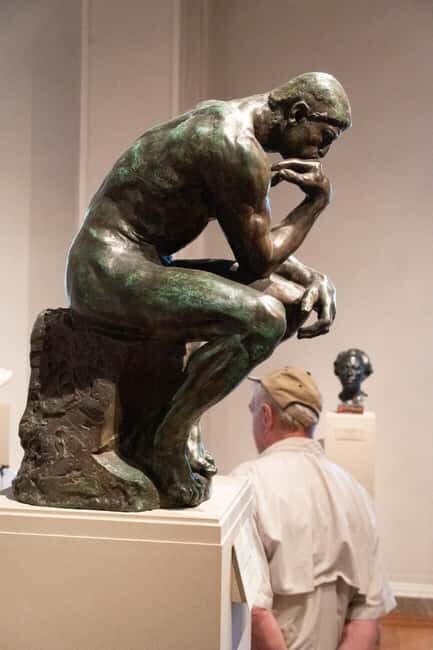
- Da Vinci plus the West Wing heavy hitters in 90 minutes, with Renaissance through Impressionism
- Modern art in the I.M. Pei East Wing, where Picasso, Dalí, and Warhol come fast and clear
- Old Patent Office finale, including Lincoln’s second inaugural ball connection and presidential portrait viewing
- The currency faces angle, so you recognize American leaders beyond the canvas
- Small group of up to 6, which makes the pace feel human, not rushed
Getting started near 7th and D: the meeting point that saves time
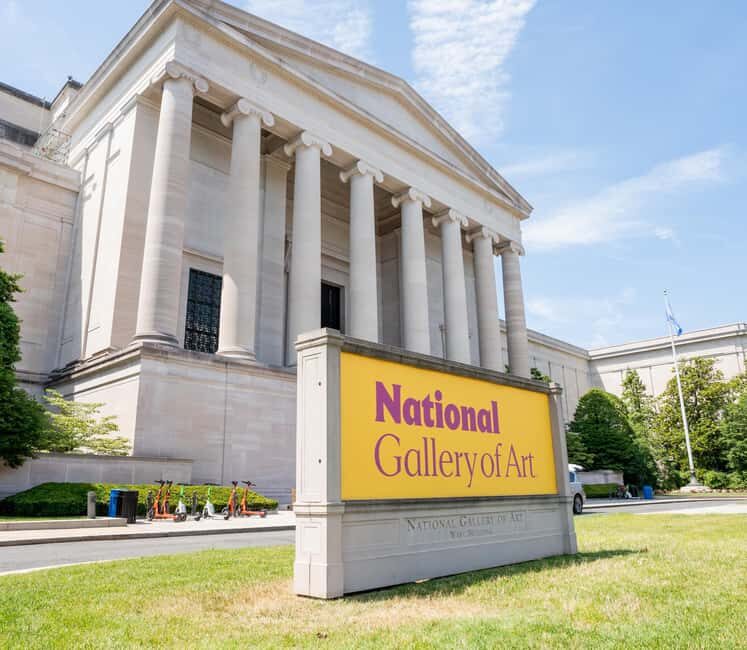
You start at 400 7th St NW, near the corner of 7th and D Streets. Look for the storefront signage for Unscripted Tours in front of the office. This matters more than it sounds: D.C. museum areas can be confusing, and a clean meeting point means you don’t waste the first 20 minutes playing orientation games.
The tour runs for 3 hours, and that time is intentionally packed. You’ll want to show up ready to move. Think: comfortable shoes, a plan to keep your bag light, and no flash photography once you step inside. If you’re the type who likes to stop and stare for a long time, you’ll still enjoy this tour, but you’ll need to accept that you’re seeing the “greatest hits” version, not every corner of every room.
Also, the tour is in English with a live guide, and it’s wheelchair accessible. The group stays small, limited to 6 people, which helps the guide adjust the pace when someone needs a slower moment to take it all in.
You can also read our reviews of more museum experiences in Washington Dc

National Gallery West Wing: Renaissance to Impressionism without the museum overwhelm
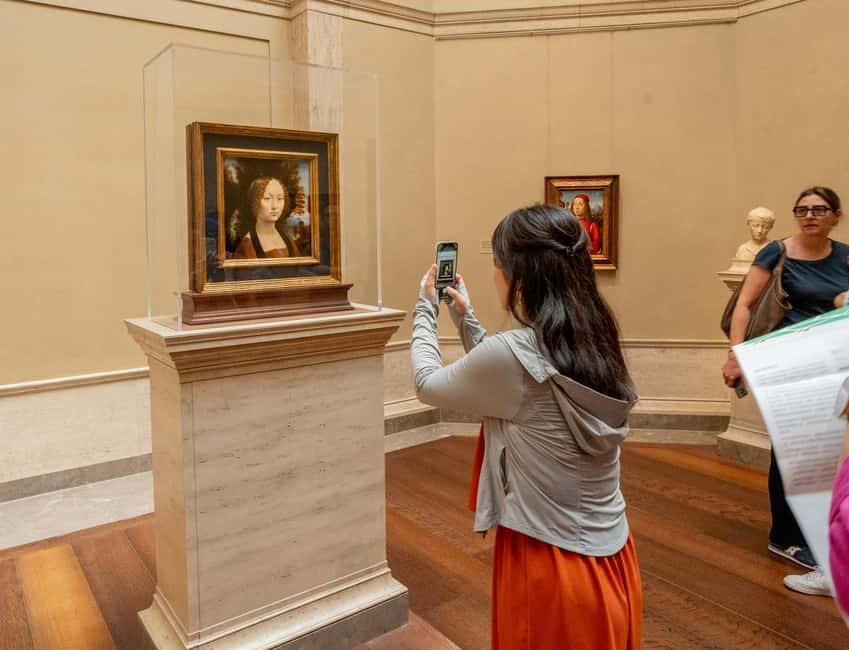
The West Wing is where the tour really earns its “masterpieces” name. You’ll spend about 1.5 hours here with a guided route that’s built for focus. This is smart, because the National Gallery of Art holds more than 85,000 works. On your own, “highlights” can turn into “I saw a lot of rooms and remember almost nothing.” On this tour, you’re taken to the works that carry weight.
What I like about the West Wing approach is how it turns museum walking into a guided story. You start in the Renaissance and move forward toward the age of Impressionism. That progression gives you a sense of what changed in art—how ideas about light, realism, and subjects shifted over time.
You’ll be directed to major stops, including:
- The only Leonardo da Vinci painting in the Western Hemisphere (a true anchor for the whole visit)
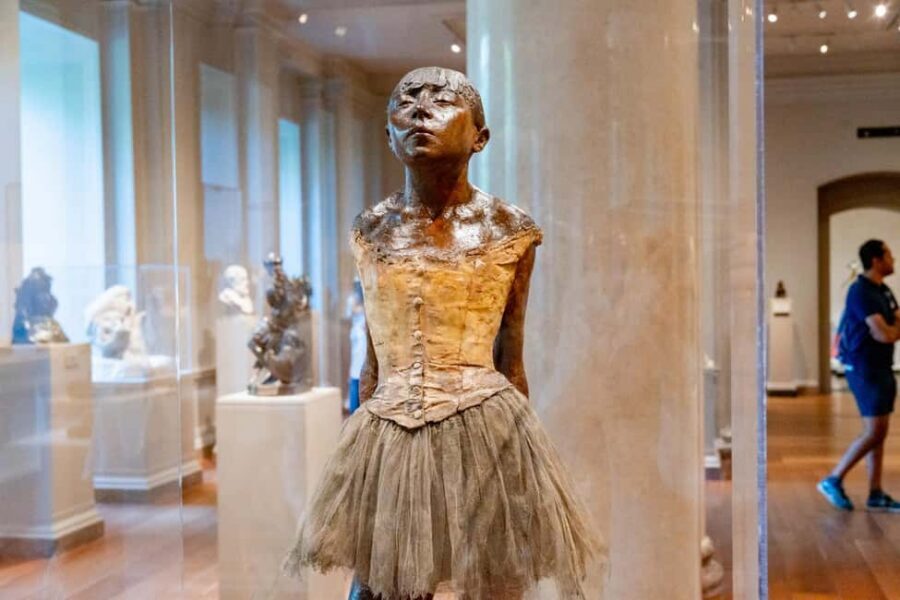
- Degas’s delicate dancers
- Monet and Van Gogh paintings known for their bold color and outdoor subject matter
- Raphael’s mastery
The guide doesn’t just name the artist. The point is to help you see what makes each painting significant. Expect commentary on technique and the kinds of behind-the-scenes details that rarely fit on a wall label. And yes, the tour includes the scandal and controversy angle when it’s relevant, because a painting often makes more sense when you know what was happening in the artist’s world.
Practical note: museums can feel quiet, but this building gets busy. A small group and a guided flow help you keep momentum without feeling like you’re constantly stopping for bottlenecks.
East Wing with I.M. Pei: modern art, bold styles, and architecture that does its own talking
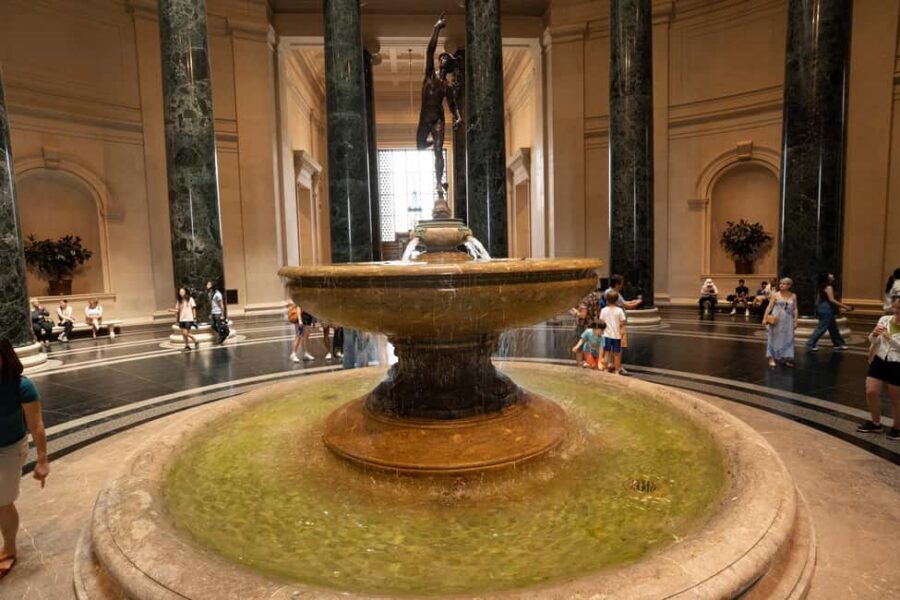
After the Renaissance-to-Impressionism sweep, you shift to the East Wing. This wing is known as an architectural marvel designed by I.M. Pei, and it gives you a different mood the second you enter. The building’s form matters here because it supports the kind of art you’re going to see next—art that often looks confident, confrontational, and different on purpose.
This portion is where the tour flips the emotional switch: you move from older techniques and familiar subjects into modern styles that don’t ask permission. You’ll explore bold styles associated with Picasso, surrealism connected with Dalí, and pop-art linked with Andy Warhol. The guide helps you connect the dots quickly, so it’s not just artist names. You’ll get a sense of why these artists used the styles they did, and what that style is doing to your eye.
One thing to watch for: modern art can feel “too fast” if you’re moving at a walking tour pace. The fix is to slow down your looking when the guide pauses. Focus on one detail at a time: a face, a symbol, a color choice, the distortion of form. Even in a short stop, you can usually find one element that makes the whole piece click.
Old Patent Office finale: presidential portraits and faces you recognize from currency
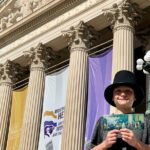
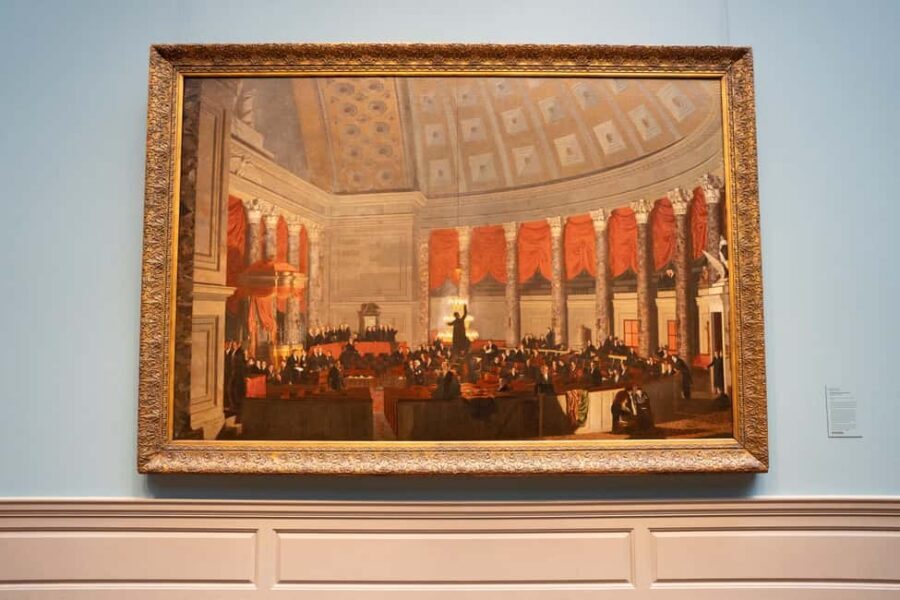
You end the tour at the National Portrait Gallery area and the American art museum stops inside the historic Old Patent Office Building. This building adds a layer of drama before you even look at a painting: it hosted Abraham Lincoln’s second inaugural ball. That connection turns the visit from “museum browsing” into “history you can stand inside.”
Here’s where the art becomes directly civic. You’ll see the America’s Presidents exhibit and stand face-to-face with the portraits of leaders who shaped the nation. The aim is to show how American identity evolved through art, moving from colonial-era stories toward later periods and modern times.
And the tour doesn’t just focus on famous faces. The highlight list also points to presidential portraits and portraits tied to imagery you may recognize from U.S. currency. That’s a clever way to make the collection feel less distant. When you connect a painting to something you’ve seen on a bill or coin, you start noticing the differences in style, mood, and how artists chose to represent power.
The guide’s job here is to keep you from treating it like a checklist. Instead, you get explanations about why these portraits look the way they do, and what the display choices suggest about how a country tells its own story.
Why this route is worth paying for when you could go alone
You can absolutely visit these museums on your own. But paying for this tour makes sense because the “highlights” problem is real at the National Gallery of Art. With tens of thousands of works, your own plan will almost certainly depend on guesswork or random luck.
This tour removes the guesswork. You’re guided to the most significant pieces, including controversial and beautiful works, and you get a narrative thread across time periods and styles. That’s what saves your attention and keeps your brain from bouncing around without landing.
The small-group limit is also part of the value. With up to 6 participants, you’re not stuck behind a wall of people, and the guide can react if someone asks a question or if a room is packed. It tends to feel more like a conversation with museum expertise than a loud stampede.
Finally, the guide shares stories you don’t get from plaques. That includes technique talk and human details tied to the artists and their eras. It’s a big reason why a short tour can feel fuller than a self-guided day when time is tight.




What you should do before you go (so the tour feels easy)
This is a walking-focused museum tour, and you’ll do best if you plan for movement. Here are the few essentials the experience is built around:
- Wear comfortable shoes. You’ll be on your feet for a good chunk of the 3 hours.
- Keep bags minimal. Backpacks and large bags aren’t permitted inside exhibition rooms.
- Skip flash photography. Flash isn’t allowed inside the museum.
If you’re someone who likes to take photos for reference, plan to rely on your phone without flash. If you need a break, you’ll likely get it built into the pacing, but it’s not designed as a sit-and-linger experience. Think: steady walking, guided stops, then a moment to look.
Food and drinks aren’t included. If you need a snack, plan to grab it on your own around the area before or after the tour, because the ticket doesn’t come with a meal.
Value and pricing: $79 for 3 hours of art decisions made for you
At $79 per person for about 3 hours, this is not the cheapest way to spend an afternoon. But you’re paying for three things: a tight route, expert storytelling, and a group size that doesn’t turn each room into crowd control.
Here’s the value logic I’d use before booking:
- You’re buying time-saving direction in a museum complex that’s easy to overestimate.
- You’re buying interpretation, not just entry-level facts.
- You’re buying a small-group pace that makes it easier to actually look.
If you already know you want the top works—da Vinci, Degas, Raphael, plus the big modern names, and then presidential portrait history—this price starts to look like a shortcut, not a splurge. If you’re the type who wants every room and every painting, then you might feel constrained. This tour is designed for people who want the highlights and the meaning behind them, not the entire catalog.
Who this tour fits best (and who should skip it)
This works especially well for you if:
- You want the National Gallery’s major hits without spending your whole day there
- You like guided context that explains technique and why a work matters
- You want modern art and American history to connect in one afternoon
- You prefer small groups and a structured route
You might not love it if:
- You hate walking and get tired quickly in museums
- You need long, unscheduled time in one room
- You’re planning a photography-heavy visit and want flexible, self-paced browsing
Should you book the DC Masterpieces National Gallery & Portrait Gallery Tour?
If your goal is to see the major works, understand what you’re looking at, and keep your day from turning into a wandering blur, I think you’ll be glad you booked. The route is efficient, the storytelling focus is strong, and the small group size helps the experience stay personal.
Also, the tour holds a 5 out of 5 rating across three reviews, and one recent guide named Claudia earned praise for being friendly and very knowledgeable. That kind of guide energy matters when you’re trying to make a short tour feel like more than a checklist.
If you want to make the most of your limited time in Washington, this is a smart way to do it: 3 hours, three museum stops, and a storyline that carries you from Renaissance art to modern styles to portraits of American leaders.
FAQ
How long is the DC Masterpieces tour?
The tour lasts 3 hours.
Where does the tour start?
It starts at 400 7th St NW, near the corner of 7th and D Streets. You’ll see Unscripted Tours signs in front of the storefront.
What museums are included?
You’ll visit the National Gallery of Art (West Wing and East Wing), then the National Portrait Gallery and the American Art Museum as the tour concludes in the Old Patent Office Building.
Is this tour wheelchair accessible?
Yes, the tour is wheelchair accessible.
How big is the group?
The group is limited to 6 participants.
Is flash photography allowed?
No. Flash photography is not allowed inside the museum.
What should I bring?
Bring comfortable shoes, since there is a lot of walking. Backpacks and large bags are not permitted inside exhibition rooms.
What’s included in the price?
You get an exclusive guided tour with an expert guide, plus stories and insights behind each masterpiece.
Is food or drinks included?
No. Food and drinks are not included.
Is there an option to pay later and cancel?
Yes. You can reserve now and pay later, and you can cancel up to 24 hours in advance for a full refund.