REVIEW · BIBLE MUSEUM
Museum of the Bible Admission Ticket
Book on Viator →Operated by Museum of the Bible · Bookable on Viator
The Bible comes with movie-level staging. With pre-booked admission off the National Mall, you can walk through storyworlds like the Red Sea on dry land and a first-century village, plus see artifacts tied to the Vatican and Israel. You also get a digital guide to help you connect the scenes to the bigger history of the Bible in the U.S. and beyond.
I especially like how interactive exhibits make the material feel hands-on, and how the museum mixes big ideas with specific objects you can actually look at. One heads-up: the ticket is only the museum entry, and it’s easy to get nudged into pricier add-ons like Virtual Reality or Washington Revelations once you’re inside.
In This Review
- Key Points at a Glance
- Museum of the Bible in Washington DC: What You’re Really Signing Up For
- Walking the Story: Red Sea Dry Land and First-Century Streets
- Rare Artifacts and the Museum’s Big Claim: The Bible Has a U.S. Story
- The Digital Guide: How to Use It Without Becoming a Screen Addict
- Add-On Reality: Where the Museum Ticket Stops and Costs Start
- Timing the Visit: How to Hit the Best Route in About 3 Hours
- Getting There: Ticket Redemption at 400 4th St SW
- Who This Museum Ticket Is Perfect For (and Who Might Want to Skip It)
- Should You Book This Museum of the Bible Admission Ticket?
- FAQ
- Where is the ticket redemption point?
- How long should I plan to spend inside?
- What are the opening hours for the museum?
- Is a digital guide included?
- Are add-on experiences included with this admission ticket?
- Are service animals allowed?
- Is the museum near public transportation?
- Can I cancel, and do I get a refund?
- What happens if the experience is canceled due to weather?
Key Points at a Glance
- Pre-booked entry at 400 4th St SW helps you start your visit without last-minute ticket hunting
- Interactive walkthroughs let you experience scenes like the Red Sea and a first-century village
- Rare artifacts connect the story to real historical collections from the Vatican and Israel
- Digital guide included for deeper context as you move through the floors
- Budget for add-ons since some experiences cost extra and can add up fast
Museum of the Bible in Washington DC: What You’re Really Signing Up For
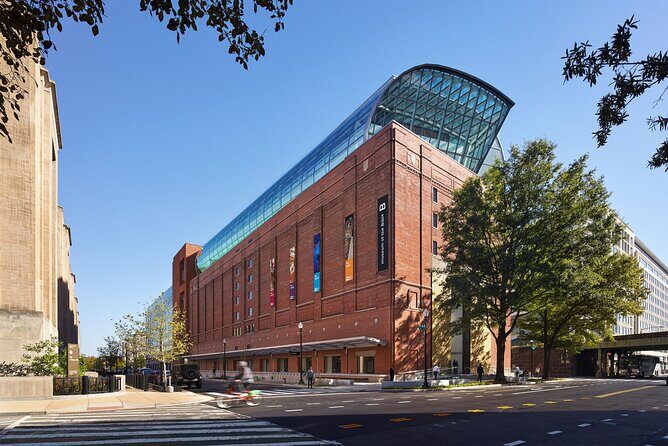
If you’ve ever wondered how a museum can make the Bible feel like a living subject instead of a dusty text, this is the place to test that idea. The Museum of the Bible is built like a guided journey through themes, time periods, and cultural impact, with stops that feel part exhibit hall and part story set.
Your ticket gets you into the museum itself for about 3 hours, and you’ll have a digital guide to keep you oriented. It’s not a lecture. It’s more like moving from one “you-are-there” scene to the next, then slowing down just enough to understand what you saw.
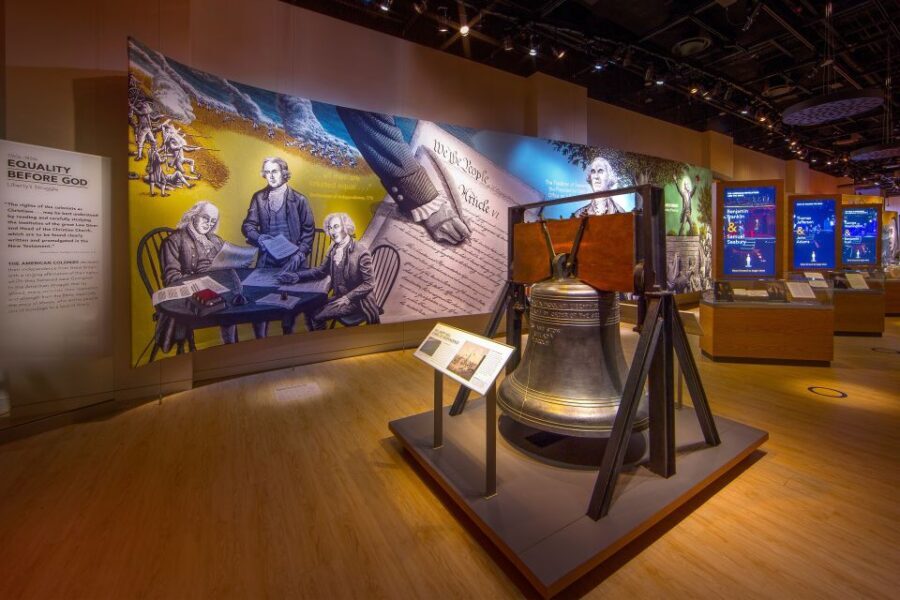
The strongest part is how the museum balances spectacle with context. You get the visual drama of immersive displays, but you’re also nudged toward the history behind them—especially the Bible’s presence in the U.S. story.
One practical note for your planning: this is a walk-through museum where you’ll feel it most when you keep moving. If you prefer long, sit-down explanations, you might want to pace yourself and choose what to watch carefully.
You can also read our reviews of more tours and experiences in Washington DC

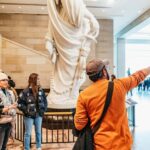

Walking the Story: Red Sea Dry Land and First-Century Streets
Some museums show you objects. This one often shows you scenes. The highlights explicitly call out two big “walk-in” moments: you can walk on dry land through the Red Sea and wander the streets of a first-century village. That alone makes it feel different from most DC stops, where you usually stand back and look through distance or glass.
When an exhibit lets you physically move through it, you remember more. Your brain fills in gaps: where people would stand, how a street layout feels, how a dramatic moment looks when you’re inside the setting. Even if you know the Bible stories well, the physical staging helps them land in a new way.
The key is to give yourself enough time for these spaces. If you rush, you’ll miss the details the museum is trying to teach. Plan for at least a full chunk of your 3 hours to these immersive sections, then use the digital guide to catch the “what does this mean” points as you go.
Rare Artifacts and the Museum’s Big Claim: The Bible Has a U.S. Story
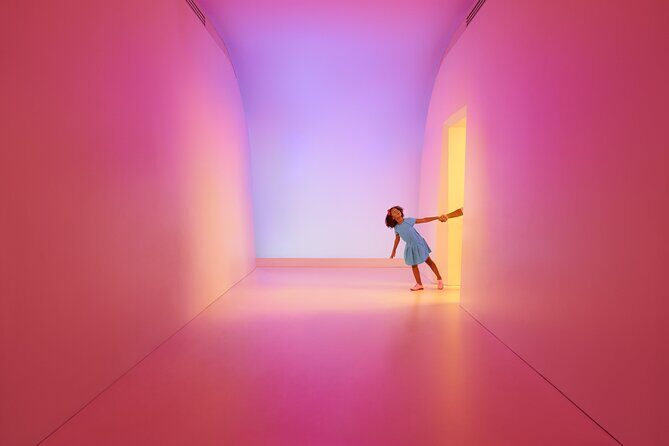
The museum’s mission isn’t only religious—it’s historical and cultural. The highlights promise you’ll learn about the history of the Bible in the USA, and the exhibits aim to make that feel concrete rather than abstract.
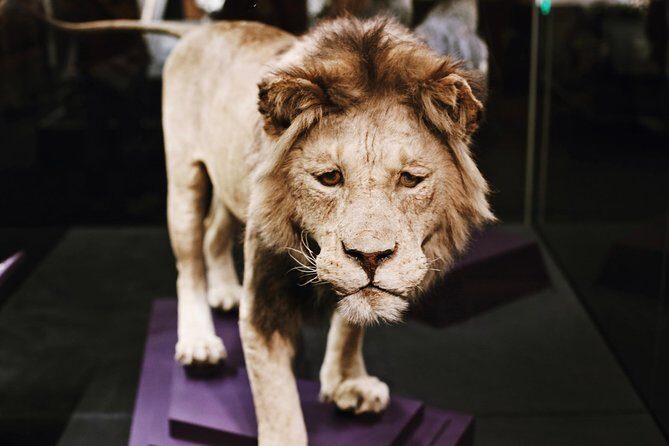
One of the most compelling elements is the promise of rare artifacts, including items associated with the Vatican and Israel. That matters because it gives the museum weight. It’s not just re-enactments or screens; you’re also seeing real-world connections, which can make the whole experience feel more grounded.
And yes, you’ll still find technology and storytelling, but the artifacts help keep everything from floating off into pure imagination. If you like museums where you can say, I saw something I can point to, this is a good fit.
The Digital Guide: How to Use It Without Becoming a Screen Addict
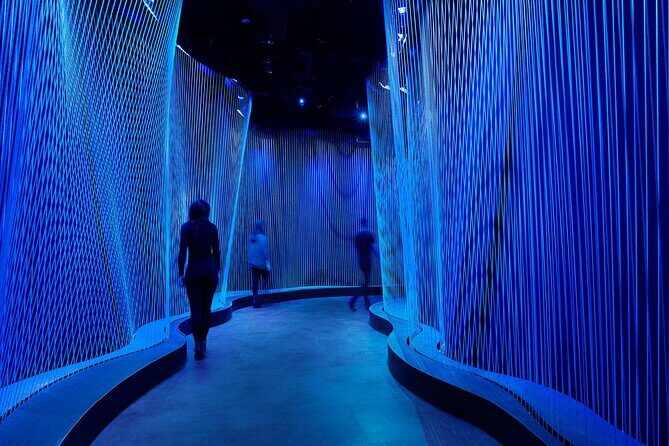
A digital guide is included, and that’s more useful than it sounds. In a museum with lots of rooms, videos, and interactive moments, the guide helps you connect scenes to meaning instead of letting it turn into a blur of visuals.
The museum is built for motion, so the guide is your best friend when you want structure without a formal tour. A practical strategy: use the guide for the bigger “why this matters” parts, not just for every single label. That keeps the museum from becoming a scavenger hunt on your phone.
You should also plan for video content time. One of the museum experiences includes two video sessions of about 30 minutes each, so if you skip them you can still enjoy the museum, but if you want a fuller experience, build in that time.
Add-On Reality: Where the Museum Ticket Stops and Costs Start
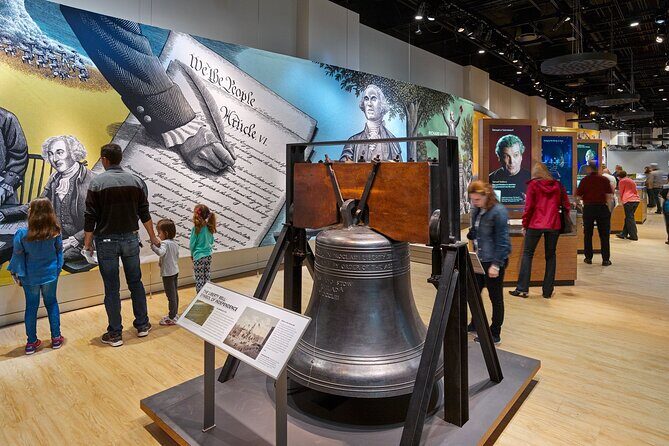
This ticket covers museum admission only. The add-on experiences listed separately include Guided Tours, Washington Revelations, and Virtual Reality. Those can be fun, but they’re also where budgets get stressed.
Here’s the useful part: the museum already offers plenty without paying extra, but once you’re inside, you’ll likely feel temptation to upgrade—especially if you’re curious about the VR or the Washington-themed shows.
One thing I’d recommend: decide your add-ons before you reach the counter. That way you’re not making decisions while you’re tired, excited, or mid-flow. One review noted hidden costs as a surprise, and another mentioned additional attractions costing $82 on top of admission—so yes, these upgrades can add up.
Also watch for discount differences. A senior discount issue came up where online pricing didn’t match what you might pay in person. If you qualify for student or senior pricing, it’s smart to ask about it at the museum as you enter or during ticket redemption.
You can also read our reviews of more museum experiences in Washington DC

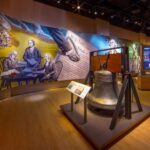




Timing the Visit: How to Hit the Best Route in About 3 Hours
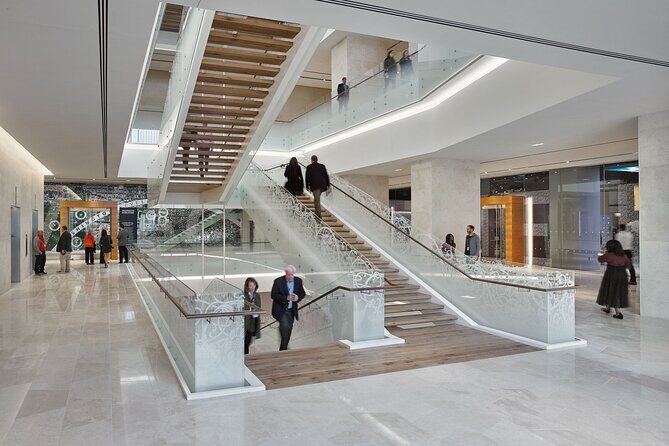
The museum experience runs about 3 hours (approx.), but your comfort level will depend on how much you want to watch and how quickly you move. The museum also closes daily, with opening hours listed as 9:00 AM–5:00 PM (Monday through Saturday) across the date ranges shown.
One tip that really helps: start on the 3rd floor, then work up and across. A helpful suggested flow is 3rd → 4th → 5th, then end on 2nd. Doing it this way can keep the museum feeling organized instead of random.
You’ll likely find your energy has a rhythm:
- Go big on the immersive spaces early, when you’re freshest.
- Watch videos when you’re ready to slow down.
- Save your most thoughtful artifact time for when you’ve already learned the museum’s “language.”
If you’re planning food, there’s at least a restaurant/food option mentioned in the experience, including a note about food on the 6th floor. Build in a short break if you need one—it helps you enjoy the later rooms instead of pushing through on empty.
And one more timing thing: the museum experience ends strictly at 5:00 PM. If you arrive late, you’ll feel it. Aim for a relaxed start so you’re not sprinting your way across floors.
Getting There: Ticket Redemption at 400 4th St SW
Your ticket redemption point is 400 4th St SW, Washington, DC 20024. The museum is also described as being just a few blocks off the National Mall, and it’s near public transportation. That’s great because it reduces the stress of parking in a busy DC area.
Still, plan for lines. Even with pre-booked tickets, you may encounter a security line and then a ticket redemption or purchase line. In one case, a family reported that having tickets already didn’t completely avoid waiting in line. That doesn’t mean pre-booking is useless—it just means you should treat it as “entry arranged,” not “skip everything.”
If your schedule is tight, the best move is to arrive earlier rather than on the last minute. In a timed city like DC, it’s the simplest way to protect your enjoyment.
Who This Museum Ticket Is Perfect For (and Who Might Want to Skip It)
This is a strong pick if you want:
- Interactive exhibits that feel like story experiences, not just wall displays
- A museum visit that covers themes across time and culture, including the Bible’s impact in the USA
- Rare artifacts and a mix of technology plus physical objects
- A visit you can shape using the included digital guide
It can also work for families, since the immersive staging and interactive rooms tend to keep kids engaged for long stretches. If your group includes people who want entertainment and learning, this museum is good at serving both.
You might want to think twice if you strongly dislike extra costs or decision points. The museum has add-ons available, and some people feel the overall experience becomes expensive if you say yes to too many upgrades.
Should You Book This Museum of the Bible Admission Ticket?
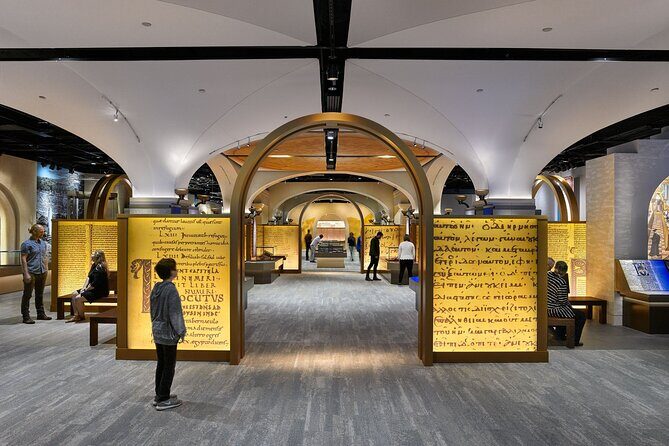
Yes—if you’re looking for a DC museum stop that’s more active than typical galleries. This ticket gives you the core experience: interactive walkthroughs, a digital guide for context, and the chance to see rare artifacts tied to major collections. It’s also convenient because you’re pre-booked for entry near the National Mall.
Book with a “plan for add-ons” mindset. If you want Virtual Reality or Washington Revelations, price them mentally before you arrive so you don’t get surprised mid-visit. If you don’t want extra spending, you can still have a full, satisfying museum day.
Finally, arrive with enough time to avoid feeling rushed. When you do that, the museum’s structure starts to make sense fast—and you’ll enjoy it for what it is: a big, unusual, interactive way to experience the Bible’s story in American life and beyond.
FAQ
Where is the ticket redemption point?
Ticket redemption is at 400 4th St SW, Washington, DC 20024, USA.
How long should I plan to spend inside?
Plan on about 3 hours (approx.).
What are the opening hours for the museum?
The listed hours are Monday through Saturday, 9:00 AM to 5:00 PM for the date ranges shown.
Is a digital guide included?
Yes. The experience includes a digital guide for deeper insight.
Are add-on experiences included with this admission ticket?
No. Add-on experiences like Guided Tours, Washington Revelations, and Virtual Reality are not included.
Are service animals allowed?
Yes. Service animals are allowed.
Is the museum near public transportation?
Yes. It’s described as near public transportation.
Can I cancel, and do I get a refund?
You can cancel for a full refund if you cancel up to 24 hours in advance. If you cancel less than 24 hours before the start time, the amount paid isn’t refunded.
What happens if the experience is canceled due to weather?
If it’s canceled due to poor weather, you’ll be offered a different date or a full refund.