REVIEW · TOUR REVIEWS
Gilded Age DC: Scandal, Secrets & Spirits of Dupont Circle
Book on GetYourGuide →Operated by Unscripted Tours · Bookable on GetYourGuide
Some cities feel like postcards. Washington’s Dupont Circle feels like paperwork—if you know where to look. This tour takes you through the rise of the neighborhood and the etiquette that controlled who got invited, who got ignored, and who survived the Social Season. I like that you’re not just looking at pretty buildings; you’re learning how the rules worked and what those symbols were trying to say.
Two things I really like: the stops are tied to specific stories (not vague grandeur), and the guide keeps the details clear enough that you can walk away seeing Dupont Circle differently. You’ll get a fast, organized hit of 19th-century elite life, diplomatic DC, and architectural clues you can decode on your own later.
One consideration: it’s a 90-minute walk, rain or shine, and it isn’t a kid-focused tour. If you want a casual stroller-paced outing, this may feel like homework—friendly homework, but still.
In This Review
- Key highlights you’ll care about
- Dupont Circle in 90 Minutes: why this tour feels focused
- Starting at Heurich House: status, drink culture, and the nickname Sodom of Suds
- The Dupont Circle fountain: reading symbols like a code
- Embassy Row and the Social Season rules: the etiquette that governed everything
- O Museum in The Mansion: the mansion stories that connect danger and fame
- Larz Anderson House and Anderson Way: Society of the Cincinnati, status, and identity
- What to bring, and how to get the most from a rain-or-shine walk
- Price and value: is $59 worth 90 minutes?
- Who this tour suits best
- Should you book this Gilded Age DC tour?
- FAQ
- How long is the tour?
- Where does the tour start and where does it end?
- What’s included in the price?
- How much does it cost?
- Does it run in bad weather?
- Is the tour wheelchair accessible?
- What’s the cancellation and payment flexibility?
Key highlights you’ll care about
- Decode Dupont Circle’s fountain symbols with a practical guide to what you’re looking at
- Heurich House context and the Sodom of Suds nickname, explained in a way that makes the neighborhood click
- Anderson Way and the Society of the Cincinnati, where elite identity gets surprisingly personal
- Larz Anderson House storytelling, connecting diplomacy and status through architecture
- Mansion stories at the O Museum stop, including a Russian kidnapping and Charles Lindbergh
- A tight 90-minute route from Heurich House to Dupont Circle North Metro
Dupont Circle in 90 Minutes: why this tour feels focused
Dupont Circle didn’t start as a jewel box. In 1871 it was an empty Pacific Circle, and by 1890 it had become some of the most expensive real estate in America. That speed of change matters, because it explains the whole tone of the neighborhood: fast fortunes, fast social climbing, and constant image management.
This tour gives you that story in walking distance. You move from the Heurich House area into Dupont Circle and the surrounding grand homes along Embassy Row-style streets, where the architecture isn’t just decoration—it’s part of the social signaling. By the end, you should be able to answer a key question: how did people buy status faster than they could buy birthright?
The pace is also a big plus. Ninety minutes isn’t long enough to wander off into unrelated trivia, but it’s long enough to make each stop count. You’ll get explanations you can remember, not just photos you’ll forget.
You can also read our reviews of more tours and experiences in Washington Dc.



Starting at Heurich House: status, drink culture, and the nickname Sodom of Suds
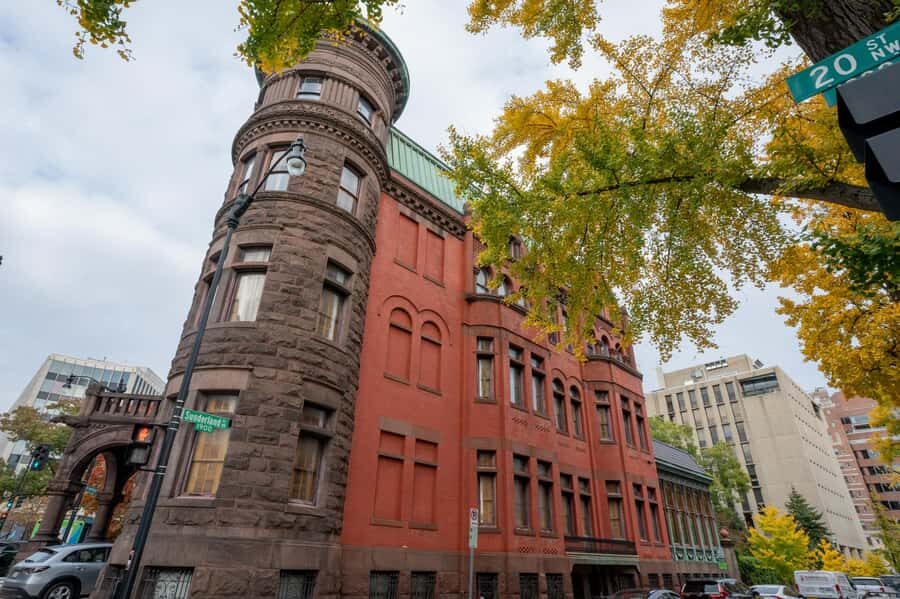
Your tour begins at the 1921 Biergarten at the Heurich House, just south of Dupont Circle (1307 New Hampshire Ave NW, Washington DC 20036). Even if you skip the pre-tour drink, the location sets the right mood: this is where the “rules of the Social Season” meet real human behavior.
Heurich House is also where the tour’s big idea comes into focus: Washington attracted ambitious newcomers—self-made millionaires and political movers—who needed social acceptance as much as they needed money. The tour highlights why DC was once called the Sodom of Suds. That nickname isn’t random. It hints at a city where adult entertainment, social gatherings, and reputation battles lived right next to diplomacy.
What I like about starting here is that it anchors the whole walk in a building tied to everyday life. Then, as you move toward Embassy Row-style landmarks, the elite culture doesn’t feel abstract. You’re watching a transformation: from rowdy social energy to strict social systems.
Practical tip: wear shoes you’ll trust for curb work and sidewalk turns. The story is lively; your feet still do the job.
The Dupont Circle fountain: reading symbols like a code
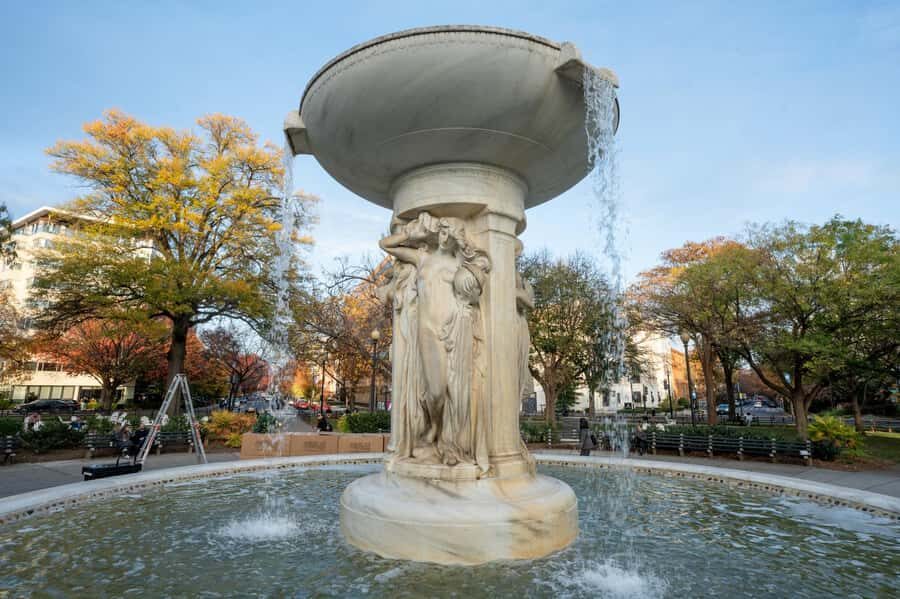
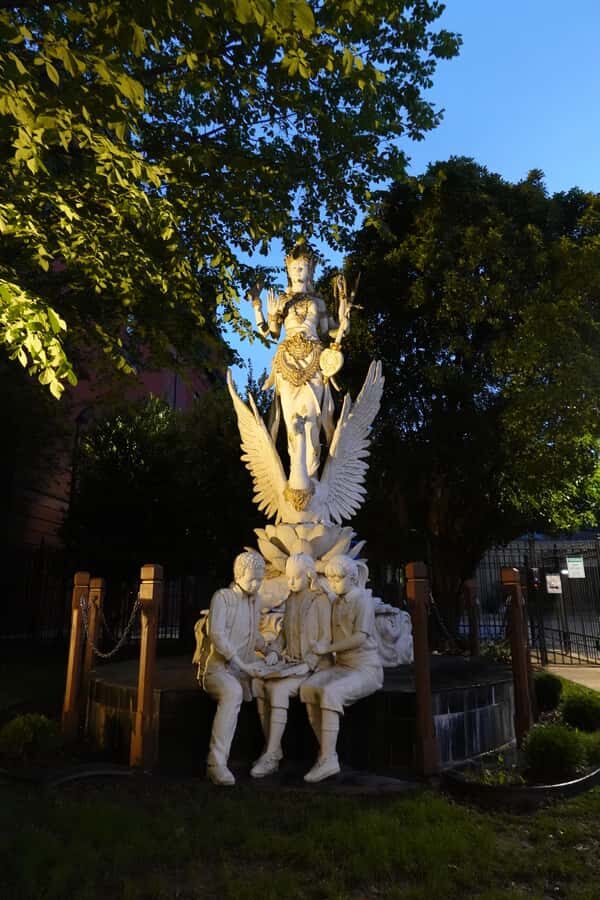
One of the most memorable highlights is the Dupont Circle Fountain, and the tour doesn’t treat it like a “look, pretty” stop. Instead, you’ll decode the symbols of the marble masterpiece. That’s the difference between a photo stop and a learning stop.
Fountains and monuments from this era usually do more than decorate. They communicate values—who mattered, what ideals were celebrated, and what kind of image the neighborhood wanted. When you know what the symbols are pointing to, the circle stops feeling like a scenic roundabout and starts feeling like a public message board for status-minded Washington.
The fountain also works as a reset point. After Heurich House’s culture and the idea of reputation, the fountain gives you an official-feeling layer—art and symbolism that say, in stone and marble: this is what refinement looks like.
If you’re the type who likes noticing details on your own, this stop will train your eyes. You’ll come away with a simple habit: pause, look closer, and ask what the maker wanted to signal.
Embassy Row and the Social Season rules: the etiquette that governed everything
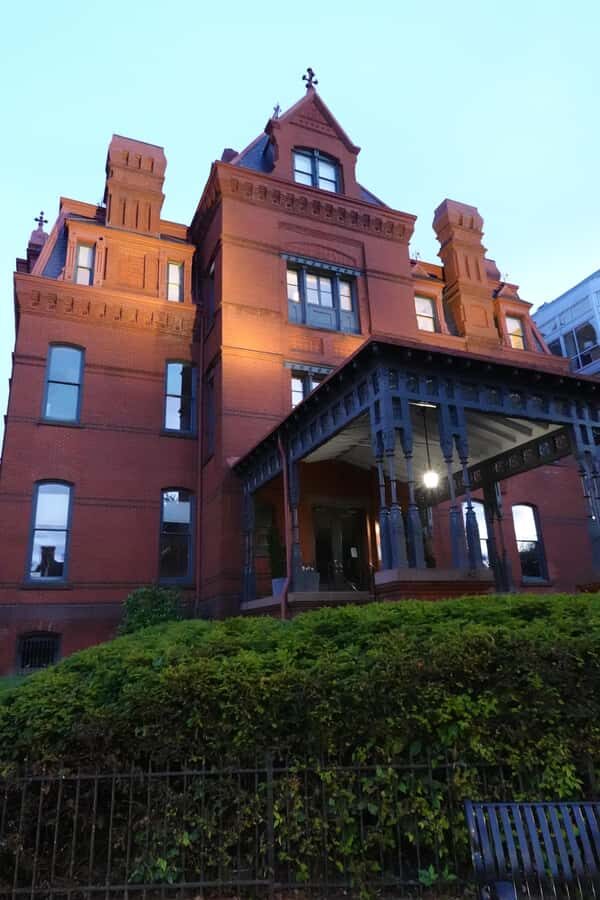
Past the immediate Dupont Circle area, the tour leans into diplomatic and elite life. You’ll walk by architectural marvels associated with Embassy Row, and you’ll hear how the Social Season worked in practice.
Here’s where the tour gets sharp: the rules were so strict that a single miswording—like a malapropism—could end a reputation. That’s the kind of detail that sounds exaggerated until you remember how small elite circles were. In a world where everyone knows everyone, one mistake travels fast.
The tour also explains how invitations and attendance functioned like social currency. An invitation to the White House, for example, was one of only three excuses to skip a dinner party. That tells you everything about priorities in that era: public-facing prestige mattered, but private obligations were also part of the brand.
I like how this turns architecture into context. The buildings become visible evidence of social strategy—where people lived, how they presented themselves, and how “open-door” society could still be closed by custom.
This section is especially good if you want your Washington history to feel like human behavior, not dusty dates.
O Museum in The Mansion: the mansion stories that connect danger and fame
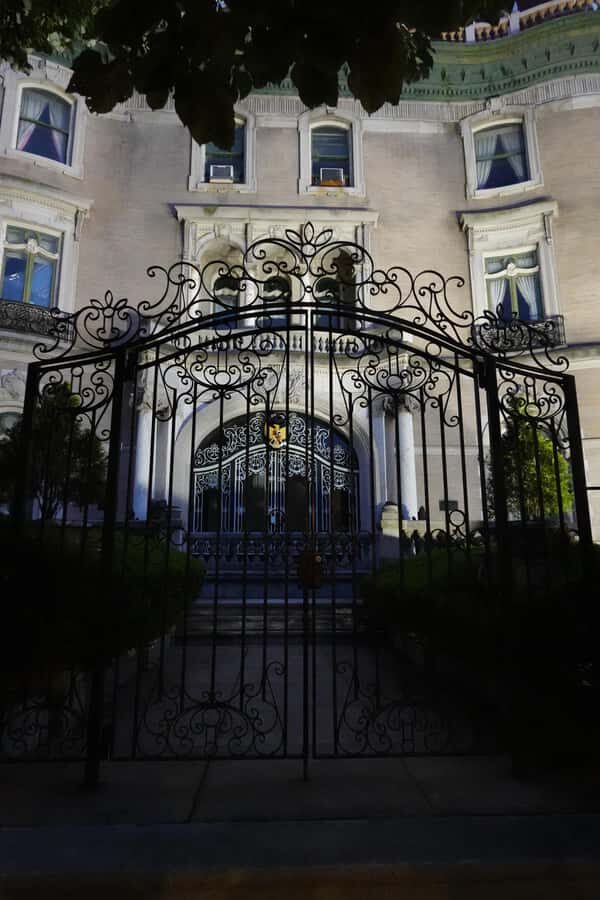
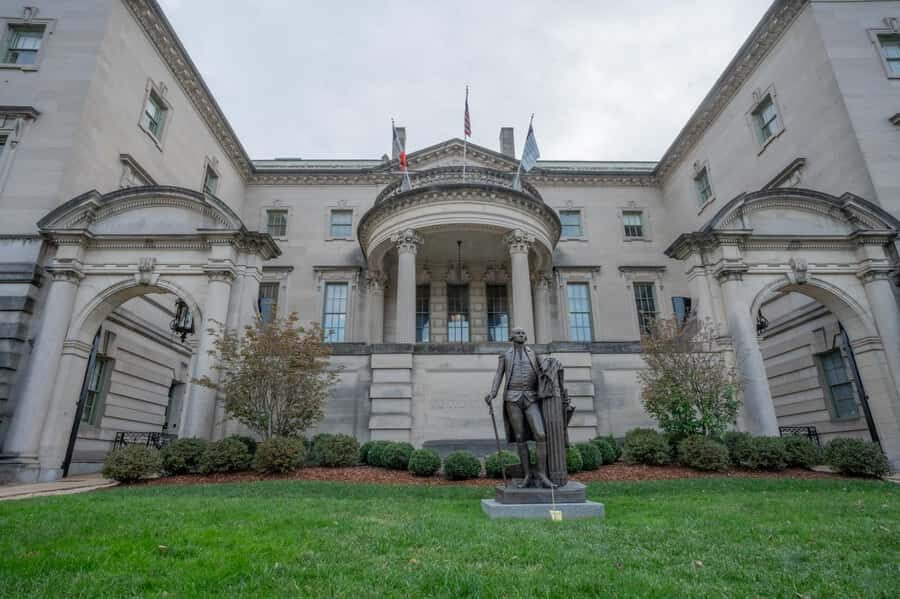
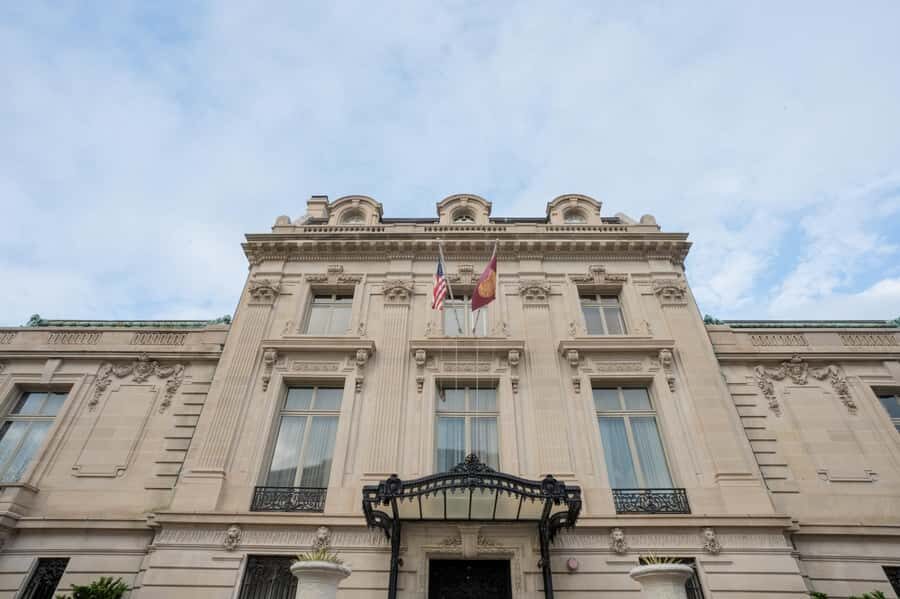
One stop includes the O Museum in the mansion, treated as a photo stop with guided time inside. This is where the tour’s tone shifts from social rules to something closer to drama.
You’ll hear wild stories linked to Patterson Mansion, including a Russian kidnapping and hosting Charles Lindbergh. That mix might feel like whiplash, but it actually makes sense for Gilded Age Washington. Wealth didn’t just buy comfort. It attracted attention—some of it glamorous, some of it dangerous.
A story like a Russian kidnapping gives you a sense of the era’s global connections and risks. Lindbergh, on the other hand, signals the public-facing side of fame that money helped turn into national significance. Put together, these stories show how elite spaces could act like stages.
If you like tours that use narrative to make buildings memorable, this is a strong moment. Just be ready to focus for a bit. Mansion stops often require listening carefully to make the details stick.






Larz Anderson House and Anderson Way: Society of the Cincinnati, status, and identity
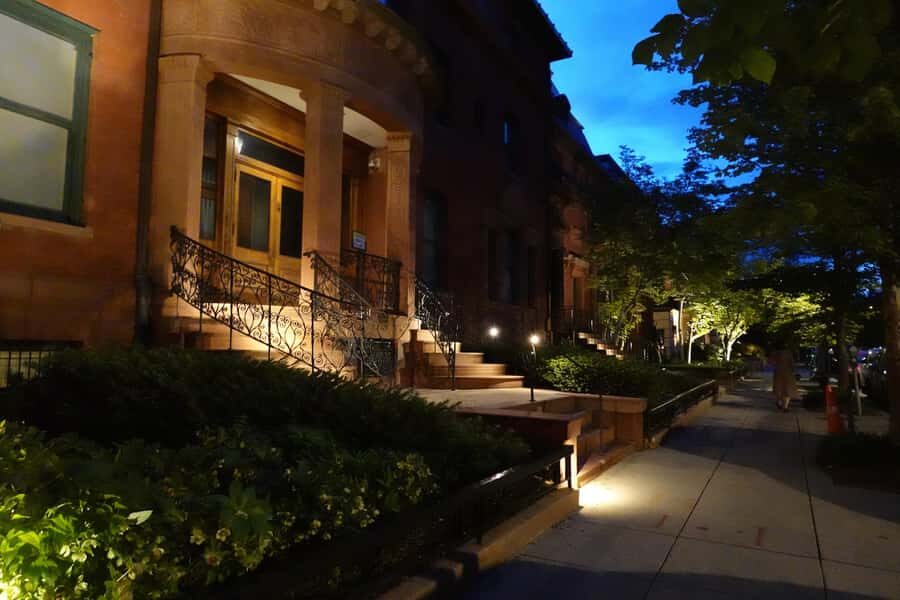
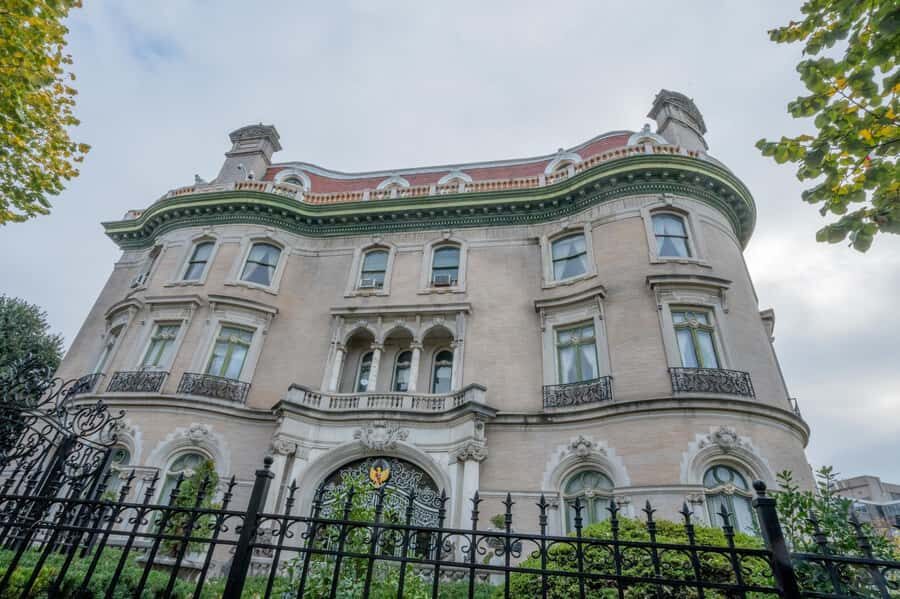
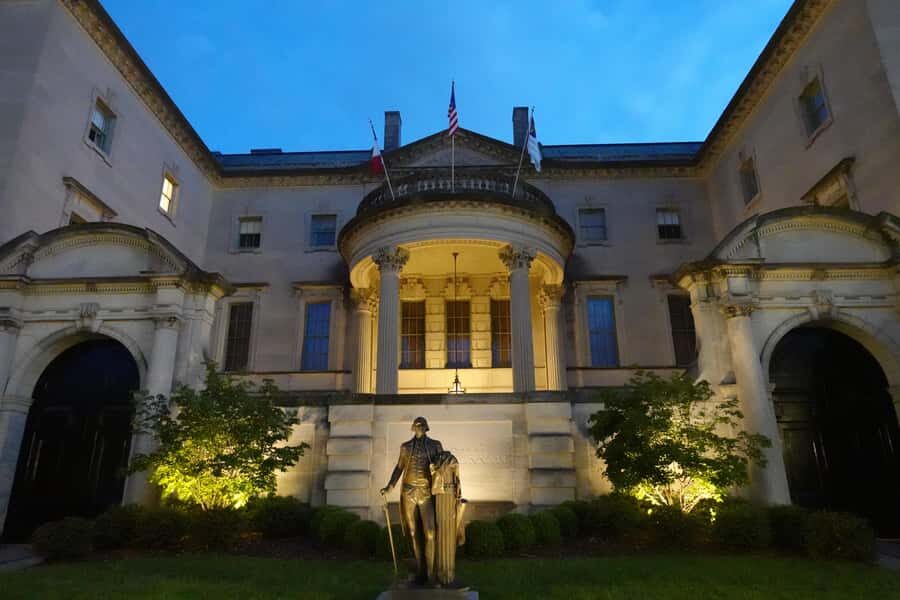
The route includes Larz Anderson House with guided time, plus a stop connected to the Anderson Way. This part centers on the Society of the Cincinnati, and you’ll get a feel for what membership and identity meant in Washington’s elite world.
Why it matters: secretive-sounding groups and heritage-based institutions weren’t just clubs. They were ways to claim legitimacy in a society where money was rising faster than tradition. The tour frames these “parvenus”—self-made millionaires—who used social access to buy status they couldn’t inherit.
I like this because it explains the psychology. People weren’t only chasing parties. They were chasing a place in the story of the nation, and groups like this helped decide who counted.
Architecturally, houses along this stretch also work like quiet resumes. Their scale and styling tell you that the owners expected the public (and the right private people) to notice.
What to bring, and how to get the most from a rain-or-shine walk
This tour runs rain or shine, so don’t count on weather saving you. Bring comfortable shoes and weather-appropriate clothing, and plan to stay engaged even if the day gets gray.
A practical way to make the most of it: use the fountain and mansion stops as your anchors. If you feel yourself getting tired, those are the moments where the symbolic decoding and big stories give you the strongest payoff.
You’ll also want to keep your listening energy steady. This is a 90-minute guided experience, and the value comes from understanding the connecting thread: how DC society formed, policed itself, and turned architecture into messaging.
Price and value: is $59 worth 90 minutes?
At $59 per person for a 90-minute guided walking tour, the value depends on what you want out of the day. If you like history that sounds like real people—status games, etiquette traps, and the consequences of mistakes—this pricing makes sense.
Here’s why: you’re paying for curated explanations at multiple architecturally meaningful stops. The tour isn’t just moving from one landmark to another; it’s interpreting symbols (the fountain), social systems (the Social Season), and elite identity (the Society of the Cincinnati). Those guided layers are what usually justify the cost on a short time window.
Also, the route is efficient. You start at the Heurich House area, walk through Dupont Circle, and end at Dupont Circle North Metro Station. That means you can usually roll into the rest of your day without extra planning.
If you’re only looking for a quick set of scenic photos and don’t care about context, you might feel the price more than the history. But if you want meaning you can carry, this is a strong match.
Who this tour suits best
This experience is a great fit if you:
- like city history that focuses on social life and power, not just politics
- enjoy architecture with an interpretive lens
- want a compact DC plan that covers several key landmarks without a full half-day commitment
It’s not a match for kids under 13, based on the tour’s suitability guidance. It’s also a good choice for couples, history-minded solo travelers, and anyone who enjoys guided storytelling with structure.
Should you book this Gilded Age DC tour?
If you want a short, guided walk that explains how Dupont Circle became the status magnet it is today, I’d say yes. The best reason to book is the combination: symbolic reading at the fountain, etiquette and Social Season rules that make elite life feel real, and mansion stories that swing from danger to celebrity.
The only reason to hesitate is if you dislike walking in weather or you’re looking for kid-friendly entertainment. Otherwise, this is a smart way to spend 90 minutes in Washington—less random sightseeing, more understanding.
FAQ
How long is the tour?
The tour lasts about 90 minutes.
Where does the tour start and where does it end?
It starts at the 1921 Biergarten at the Heurich House (1307 New Hampshire Ave NW, Washington DC 20036) and finishes at Dupont Circle North Metro Station.
What’s included in the price?
A fully guided tour is included. Drinks are not included.
How much does it cost?
The price is $59 per person.
Does it run in bad weather?
Yes. The tour runs rain or shine.
Is the tour wheelchair accessible?
Yes, it is listed as wheelchair accessible.
What’s the cancellation and payment flexibility?
You can cancel up to 24 hours in advance for a full refund. You can also reserve now and pay later.
If you tell me what day you’re going and whether you prefer more architecture or more story, I can suggest how to pair this with the rest of your Dupont Circle plan.