REVIEW · AFRICAN AMERICAN HISTORY
Washington, DC: African American Heritage Walking Tour
Book on GetYourGuide →Operated by UTG EXPERIENCE LIMITED · Bookable on GetYourGuide
U Street Corridor is where DC storylines walk right beside you. This 2-hour African American Heritage Walking Tour takes you through Black Broadway, guided by a real local, and pairs neighborhood history with a museum visit. I love that you get both street-level context and an African American museum stop without needing to piece anything together yourself. I also like how the tour connects big names—like Duke Ellington—to places you can actually stand in. One thing to consider: guide no-shows and last-minute cancellations have happened in the past, so it’s smart to keep flexibility if this is tied to other plans.
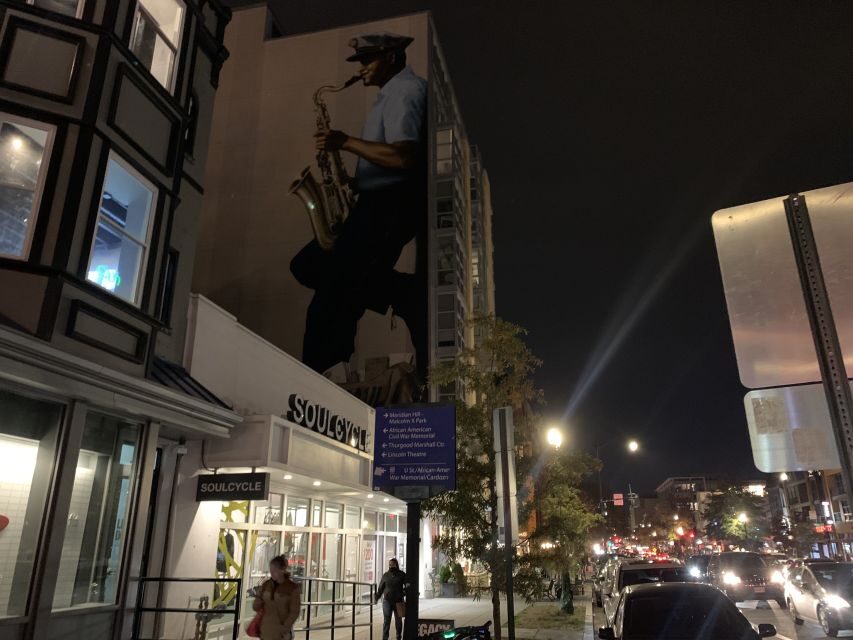
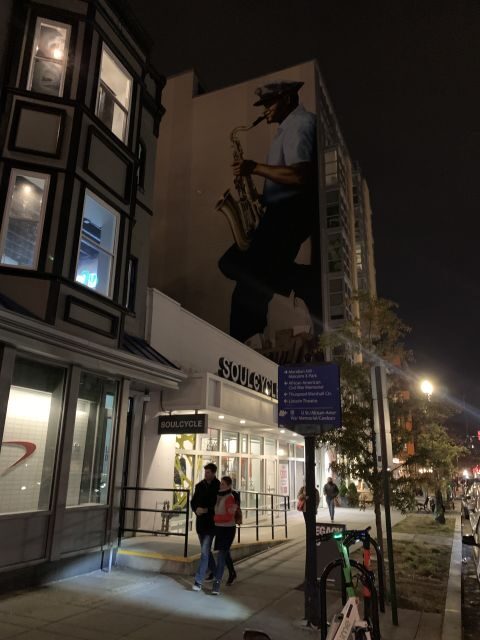
Expect a focused walk around U Street’s once-famous nightlife corridor, plus storytelling about how this area became home to one of the largest urban African American communities in the U.S. You’ll also get time to appreciate a towering Duke Ellington tribute sculpture, and you’ll see why the corridor still feels alive after dark. The food scene is part of the real-world experience too, with options ranging from soul food to Italian, plus Ben’s Chili Bowl and the eastern edge known as Little Ethiopia. A possible drawback: food isn’t included, so if you get hungry, you’ll need to choose your own timing and stops.
In This Review
- Key Points You’ll Notice on This Walk
- Why U Street Corridor Still Matters in DC
- Start at 1250 U St NW and Get Your Bearings Fast
- Walking Through Black Broadway: What You’ll See and Why It’s Not Just Scenic
- The Duke Ellington Stop: From Name-Dropping to Real Place
- How the Museum Ticket Fits In (and How to Use It)
- Food Around U Street: Where to Go After the Tour
- Nightlife Context Without the Pressure
- What the Tour Costs (and When It’s Worth $90)
- Scheduling Reality: Rain, Timing, and a Backup Plan
- Who Should Book This Walking Tour
- Should You Book the Washington, DC African American Heritage Walking Tour?
- FAQ
- How long is the tour?
- What’s included in the ticket price?
- Is food included?
- Where is the meeting point?
- Does the tour run in bad weather?
- Is the tour wheelchair accessible?
Key Points You’ll Notice on This Walk
- U Street Corridor, once called Black Broadway, on foot with a local guide
- Duke Ellington stories plus a towering tribute sculpture you can see up close
- African American museum entry tickets included to deepen what you learn outside
- Nightlife context without making the tour about partying
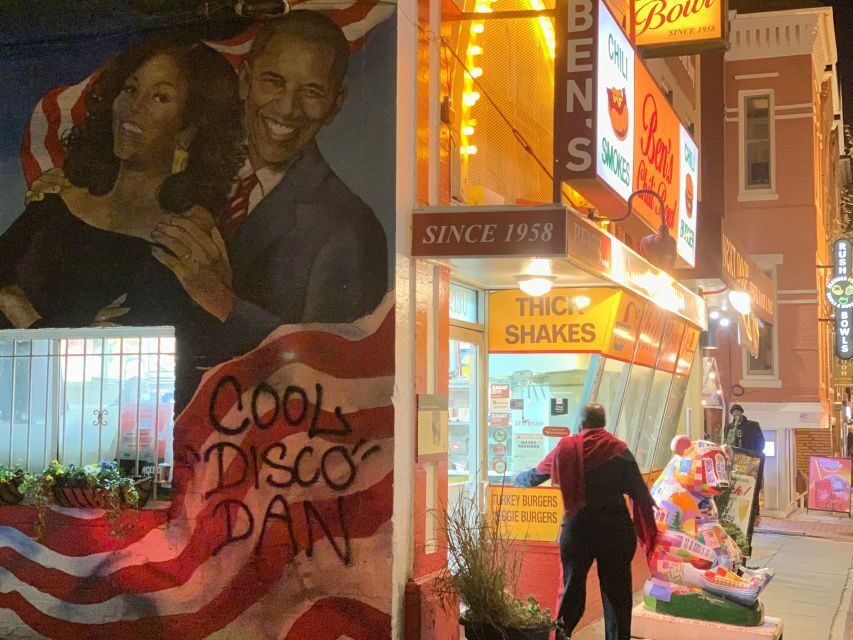
- Food options nearby, from Ben’s Chili Bowl to Little Ethiopia, for after your walk
Why U Street Corridor Still Matters in DC
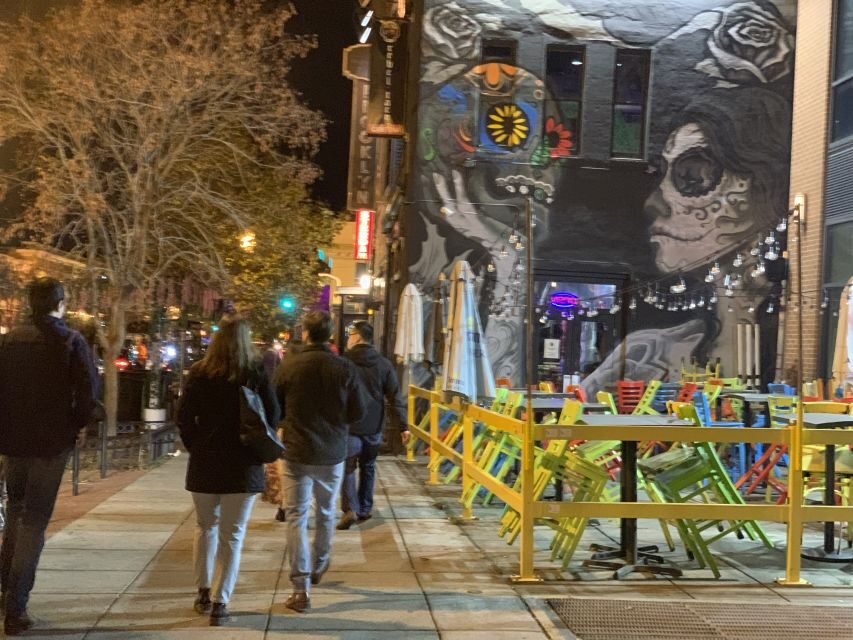
U Street Corridor is one of those places where history isn’t locked behind glass. You walk the blocks and the stories follow. This tour is designed to show you why that matters: Black Broadway wasn’t just entertainment—it was a cultural hub where music, community, and opportunity connected.
What I like is the way the guide frames the neighborhood as more than a postcard. You learn how this corridor pulled people in—locals and visitors—and how it shaped DC’s identity through jazz and nightlife. That focus helps you notice details you might otherwise miss, like the vibe of the street after hours and the way institutions and landmarks anchor memory.
The tour also zooms out just enough to explain scale. You’ll hear about the area becoming home to one of the largest urban African American communities in the United States, and you’ll see that the community energy is still present today. It’s a reminder that heritage here isn’t stuck in the past; it’s part of the neighborhood’s present rhythm.
You can also read our reviews of more walking tours in Washington Dc



Start at 1250 U St NW and Get Your Bearings Fast
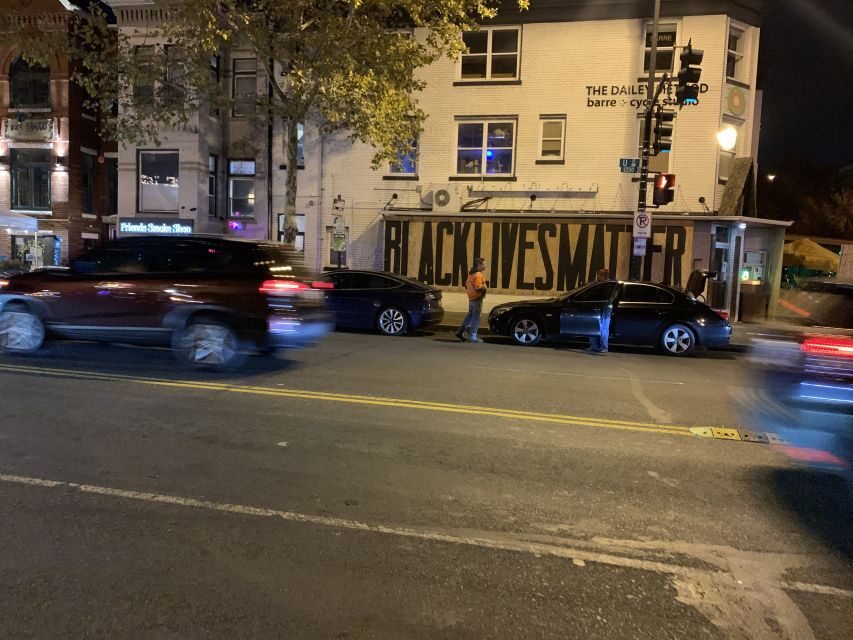
Your meeting point is 1250 U St NW Washington, DC 20009. Arrive 15 minutes early so you can check in and settle before your guide starts the story.
This matters more than you might think. A two-hour tour is short by walking-tour standards, so the best experience comes from being ready on time. When everyone’s lined up, you start moving quickly and the guide’s pacing stays tight.
You’ll also want to dress for the weather. The tour runs rain or shine, so bring a light rain layer or compact umbrella. If it’s a hot day, wear shoes with real grip—U Street is flat enough, but you’ll still be on your feet for the full stretch.
Walking Through Black Broadway: What You’ll See and Why It’s Not Just Scenic
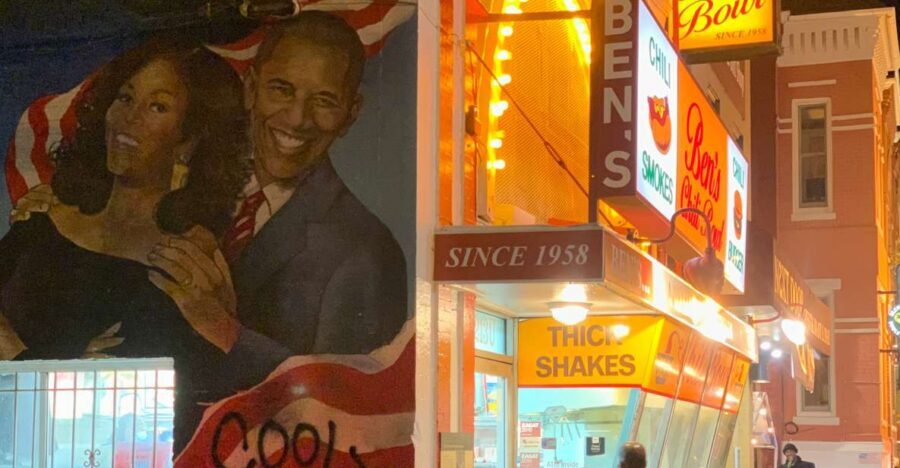
The backbone of the tour is your stroll along the U Street Corridor, with your guide pointing out places that shaped African American culture in Washington, D.C. The goal isn’t a long lecture—it’s street-level context. You’ll hear how music and social life made this area a magnet, and how it turned into a landmark corridor for Black creativity and community life.
As you walk, you’re basically doing two things at once:
- mapping the neighborhood in your head
- learning what each part meant during different eras
That combination is the value here. Without it, U Street can read like a modern restaurant-and-nightlife strip. With it, you start connecting streets to stories—why certain blocks felt important, and how the cultural gravity worked.
And yes, the nightlife angle is there. But you’re not being pushed toward drinking or clubbing. Instead, you’ll get context for why this corridor became known for lively evenings in the first place, and you’ll see what that legacy looks like now.
The Duke Ellington Stop: From Name-Dropping to Real Place
One of the tour’s standout moments centers on Duke Ellington. You’ll hear about him as a celebrated DC hero, including that his birthplace was here. That detail lands better when it’s attached to an actual location, not just a fact in a book.
Then you’ll get a visual anchor: a tall Duke Ellington tribute sculpture. Standing near it is the difference between memorizing a name and understanding why people still pay respect in public space. A guide’s job in this kind of stop is to connect the statue and the street to the larger cultural story.
If you care about jazz history, this is the section that tends to stick. Even if you’re not a hardcore jazz fan, you’ll still walk away with a clearer sense of how one artist’s legacy ties into a whole neighborhood identity.
How the Museum Ticket Fits In (and How to Use It)
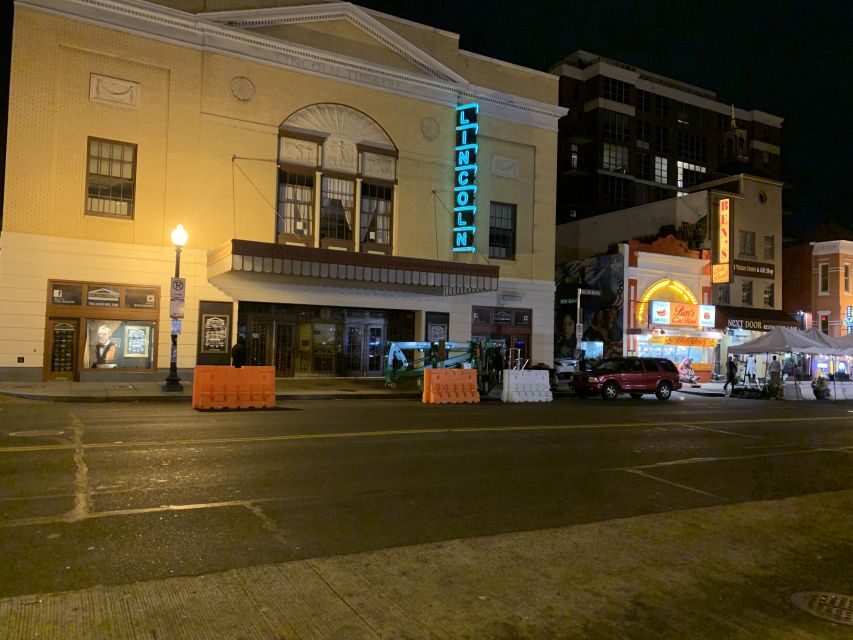
Your tour includes entry tickets to an African American museum, which is a big part of why this doesn’t feel like a “just walk and talk” experience. The museum stop gives you a chance to follow the themes you’ve been hearing about on the sidewalk.
This included museum entry also makes the tour better value than many street-only walks. You’re not just paying for a guide’s time; you’re also getting admission that would cost you separately if you visited on your own.
One practical note: plan to shift your mindset at the museum. On the street, the stories are tied to corners, buildings, and neighborhood energy. Inside, you’ll see those stories expanded—so it helps to mentally file things as you go. If the guide mentions a person, a movement, or an era on the walk, keep that in mind so the museum feels like a continuation, not a detour.
You can also read our reviews of more historical tours in Washington Dc





Food Around U Street: Where to Go After the Tour
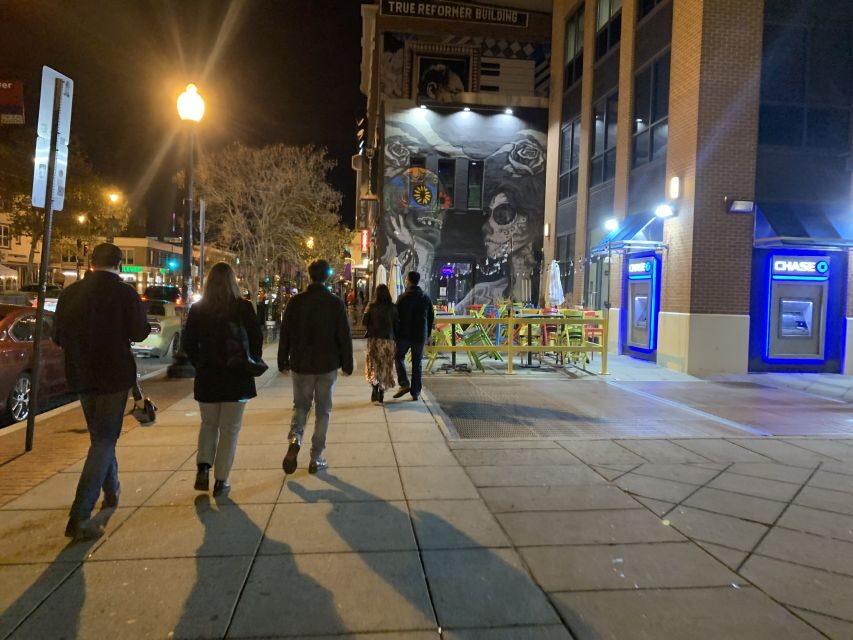
Food isn’t included on this experience, but you’ll be in the middle of some serious decision-making for dinner or a quick bite afterward. The corridor is known for an eclectic mix—everything from soul food to Italian.
Two names are especially worth remembering:
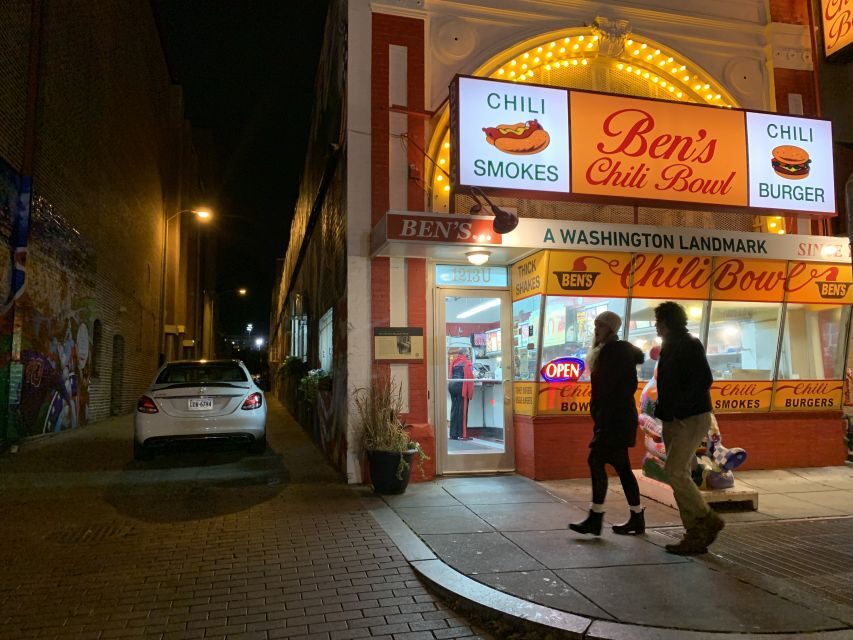
- Ben’s Chili Bowl, which you’ll hear about as a world-famous stop in the area
- Little Ethiopia at the eastern end of the corridor, known for its concentration of Ethiopian residents and restaurants
If you’re hungry right after the tour, keep it simple. Pick a spot close to where you end so you’re not turning a short evening into a scavenger hunt. If you want a bigger meal, consider timing it so you can enjoy the neighborhood’s after-dark feel without rushing.
Nightlife Context Without the Pressure
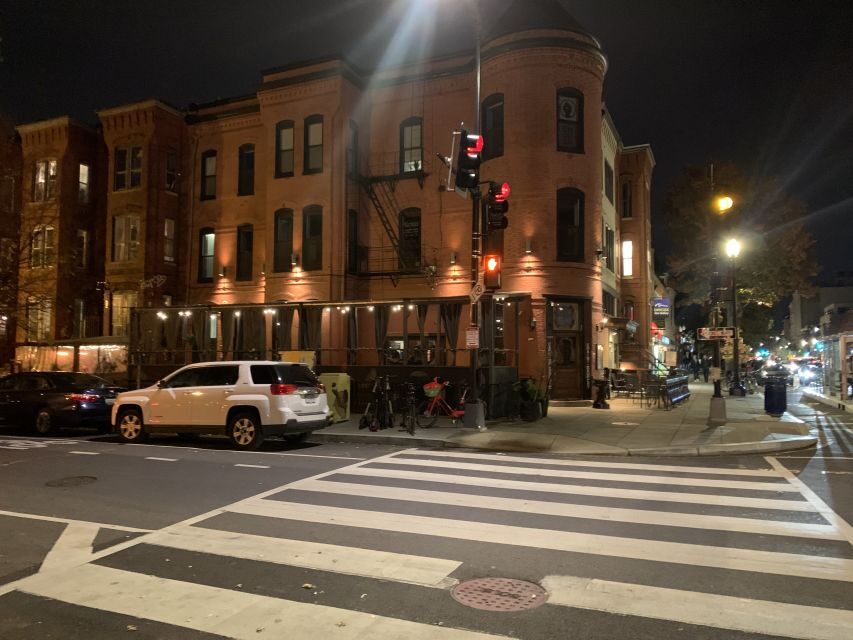
Because U Street is strongly associated with nightlife, it’s fair to wonder how that shows up on a heritage tour. Here’s the good part: the tour uses nightlife as context, not a requirement.
You’ll learn why the area drew people in for music and evenings out, and you’ll connect that energy to the African American cultural story happening in DC. That approach makes the whole experience more honest. It’s not trying to erase the neighborhood’s present-day identity; it just gives you the historical scaffolding underneath it.
If you prefer daytime exploring, you can still enjoy this. The key is your guide’s framing: you’re learning why the corridor became known for lively nights, even if you’re walking it before full late-night energy hits.
What the Tour Costs (and When It’s Worth $90)
The price is $90 per person for about 2 hours, and it includes a local tour guide plus entry tickets to an African American museum. That combination is the heart of the value.
If you were planning this trip yourself, you’d likely pay for:
- a guide (or spend a lot of time researching on your own)
- museum admission separately
- your time and navigation across multiple stops
So the $90 starts to make sense if you want structure and context without the homework. Where it can be less worth it is if you’re mainly after food or purely scenic walking. This is a history-and-culture guided walk with a museum piece, not a food tour and not a broad “DC highlights” route.
Also, the guide quality really affects your experience. In the past, guides like Nu/Nur have been praised for making stories feel real and for explaining African American heritage clearly. Darron has also been noted for being a strong local voice, and in at least one case the tour ran as a more family-style experience when there were fewer participants.
Scheduling Reality: Rain, Timing, and a Backup Plan
This tour runs rain or shine, so your day can stay intact even in bad weather. The main scheduling risk isn’t weather—it’s whether a guide is available.
Some past cancellations and no-show situations have occurred, including cases where a guide didn’t arrive or the tour was canceled because they didn’t have one. I’m not trying to scare you off; I’m telling you how to protect your day. If you’re on a tight itinerary, give yourself buffer time that day, and avoid stacking this right before an inflexible appointment.
If your plans allow flexibility, you’ll get a great payoff. When the guide shows up and the group is ready, this is exactly the kind of focused, story-driven walk that turns a neighborhood into a place you understand.
Who Should Book This Walking Tour
You’ll probably love this if:
- you want African American heritage told through real neighborhood streets
- you like connecting famous names—like Duke Ellington—to specific places
- you’re happy to spend two hours walking and then take that learning into a museum
It can also work well for first-timers to DC who want something more human-scale than big monuments. And if your group is small, there’s a chance you may get a more personalized feel, as has happened in past experiences.
You might skip it if you mainly want a quick sightseeing loop or if you can’t handle the small chance of a last-minute disruption. History tours succeed when timing holds, and this one is worth doing when you can flex your schedule.
Should You Book the Washington, DC African American Heritage Walking Tour?
Yes—if you’re booking for learning, not just walking. The big win is the pairing: street stories on U Street plus included museum entry. That structure makes your $90 feel more like a package than a standalone guided stroll.
Book it with confidence if:
- you care about African American cultural history in DC
- you’re interested in Duke Ellington and want the connection to place
- you’ll actually use the museum stop to deepen what the guide tells you
Hold off or plan carefully if:
- you have zero flexibility that day
- you need absolute certainty at a specific time, no exceptions
If you do go, arrive on time, wear comfortable shoes, and give yourself time afterward to eat around the corridor. You’ll walk away with more than facts—you’ll have a mental map of why U Street matters.
FAQ
How long is the tour?
The tour lasts 2 hours.
What’s included in the ticket price?
It includes a local tour guide and entry tickets to an African American museum.
Is food included?
No, food and drinks are not included.
Where is the meeting point?
Meet at 1250 U St NW, Washington, DC 20009. Arrive 15 minutes early.
Does the tour run in bad weather?
Yes. It takes place rain or shine.
Is the tour wheelchair accessible?
Yes, it is wheelchair accessible and the tour is conducted in English.