REVIEW · HISTORICAL TOURS
Natural History Museum & American History Museum
Book on GetYourGuide →Operated by Babylon Tours DC · Bookable on GetYourGuide
Two museums in one tight, guided sweep. This combo tour puts Smithsonian legends like the Hope Diamond and real mummies into a single, well-paced day. You also get a guided highlights format that saves you from wandering in circles.
I especially like how it focuses on big-name objects you actually want to see, not just random rooms. You’ll hit standout Fossil Hall sights like Mastodon, T-Rex, and Diplodocus, and you’ll get an expert guide steering the route.
One thing to plan around: you can’t bring luggage or large bags inside, and some areas have rules about quiet or limited speaking.
In This Review
- Key Highlights to Know Before You Go
- Natural History and American History, Back-to-Back
- Meeting at the Natural History Museum (Madison Drive NW)
- Natural History Museum Highlights: Fossils, Henry, Hope, Mummies
- Quick Recharge and a Smooth Transition to American History
- American History Museum Highlights: Ruby Slippers and First Ladies
- Lincoln’s Top Hat and the Star-Spangled Banner Connection
- More Than Pageantry: Lunch Counters, Politics, Everyday Life
- Skip the Ticket Line and Keep the Momentum
- What Price Gets You (and Whether It’s Good Value)
- Who This Tour Fits Best
- About the Guides: Clear Explanations Matter
- Quick Practical Notes That Can Affect Your Day
- Should You Book This Natural History + American History Combo?
- FAQ
- How long is the Natural History Museum & American History Museum combo tour?
- Where do we meet the guide?
- What’s included in the tour price?
- Does the tour include food or drinks?
- Can I bring a large bag or suitcase?
- Do I need tickets, and do we wait in line?
- What ID should I bring?
- Is the tour wheelchair friendly?
- Is the tour good for temporary exhibits?
Key Highlights to Know Before You Go

- Small-group pace (up to 8 people): more time on the objects that matter.
- Expert-led 2-hour highlights in each museum: built for seeing the Smithsonian’s headline items fast.
- Natural History Museum icons: Hope Diamond plus face-to-face with real mummies.
- American History Museum stars: Dorothy’s Ruby Slippers and the First Ladies exhibit.
- Major national artifacts: including Lincoln’s Top Hat and the Star-Spangled Banner tied to Fort McHenry.
- Simple flow with a break: recharge between museums so you can keep your attention.
Natural History and American History, Back-to-Back
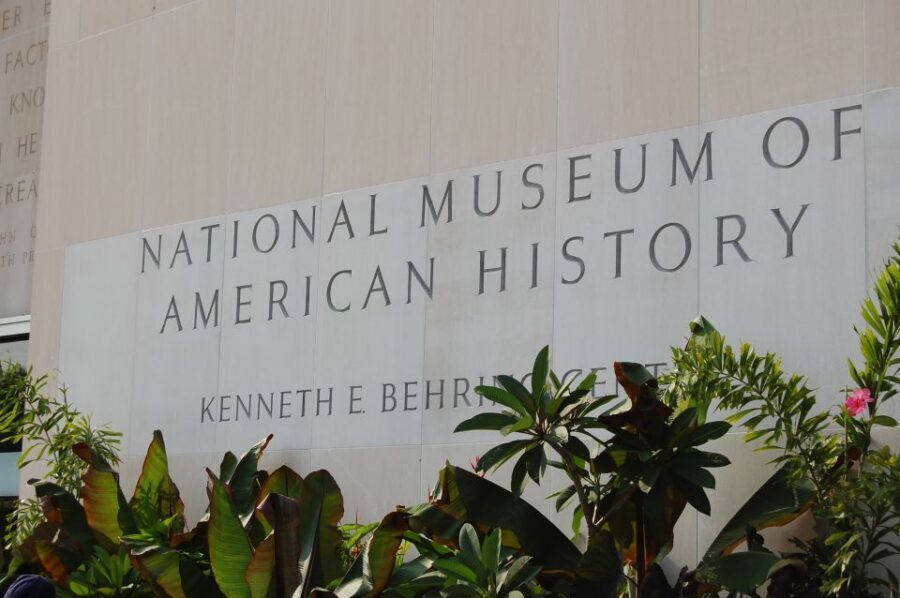
If you’re going to Washington for the first time, these two museums are the easy yes. A Natural History and American History combo tour is basically your shortcut to the Smithsonian greatest hits, without turning the day into a self-guided marathon.
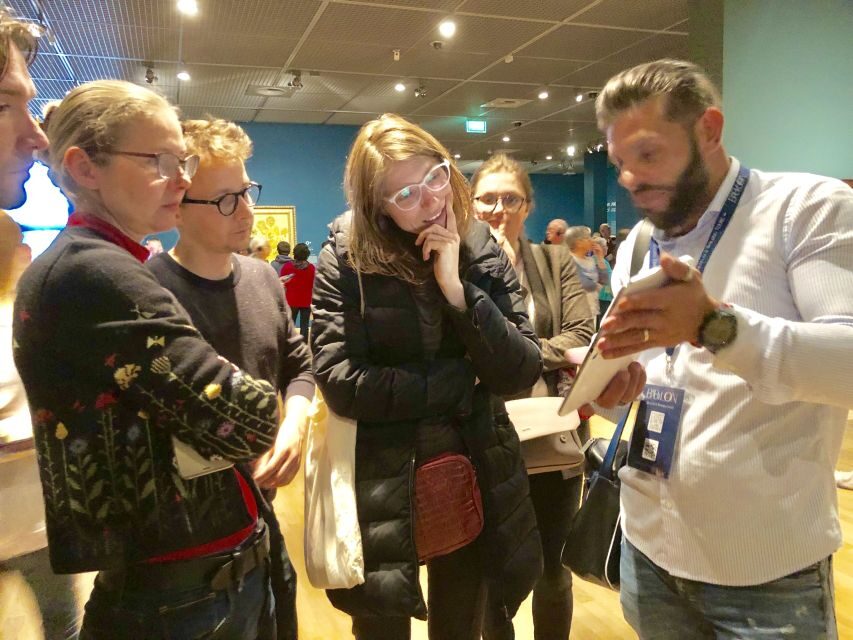
The tour is built around two guided 2-hour highlights sessions: one at the Natural History Museum and one at the American History Museum. With an expert guide and a group capped at 8 people, the format is designed to keep momentum while still giving you time to stop for the most famous pieces.
And yes, the big objects are the point here. Think jewel-box fame like the Hope Diamond, pop-culture recognition like Dorothy’s Ruby Slippers, and civic history you’ll remember long after you leave the glass cases.
You can also read our reviews of more historical tours in Washington Dc



Meeting at the Natural History Museum (Madison Drive NW)
Your day starts at the Natural History Museum on the large stairs at the Madison Drive NW entrance, facing the lawn of the National Mall. It’s a straightforward meet-up spot, and it matters because DC’s Smithsonian area is wide—starting correctly reduces stress right away.
The tour lasts about 5.5 hours, and the schedule is paced so you move from one museum to the other with time to reset. If you’re the type who likes to arrive, find the group quickly, and get moving, this format fits well.
Also note the basics that affect comfort and logistics: the tour requires valid photo ID (a passport or ID card), and you’ll be dealing with museum security. Plan to travel light because no luggage or large bags are allowed inside—only small items like handbags or small thin bag packs.
Natural History Museum Highlights: Fossils, Henry, Hope, Mummies
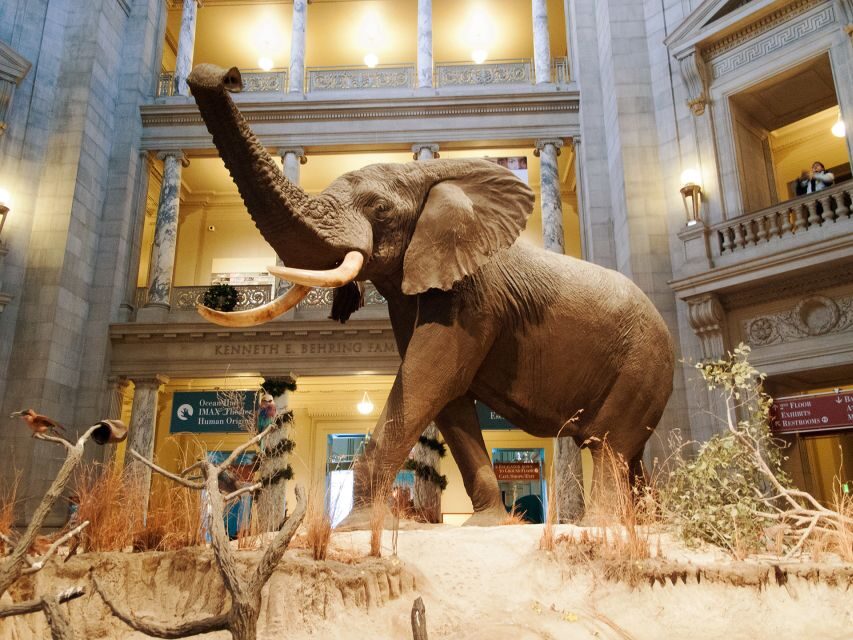
The Natural History Museum side is all about wonder with a clear path. Your highlights tour begins with a grand welcome from one of the museum’s biggest draws: the largest taxidermied elephant in the world, named Henry. It’s the kind of moment that sets the tone—kids and adults both react fast.
Then you’ll head into the Fossil Hall area for creatures that feel like they escaped from a science-fiction film: Mastodon, T-Rex, and Diplodocus. The guided part is important here because fossils are huge visually, but easy to miss if you’re just browsing. With a guide, you’re more likely to understand what you’re seeing instead of just clocking a few skeletons.
After the dinosaur energy, the tour turns to the museum’s celebrity object: the Hope Diamond. The tour specifically calls it (supposedly) cursed, which is a fun reminder that history isn’t always clean and simple. Even when you’re only looking at a gem behind glass, a little story helps your brain stick to the details.
Finally, you’ll come face-to-face with real mummies. It’s one of those experiences that changes the way you see the word museum—this isn’t a staged reenactment. The guide’s job is to help you move past the shock and toward the context, so you leave with more than a single creepy snapshot.
Quick Recharge and a Smooth Transition to American History
Between the museums, you’ll have a break to recharge. This matters more than it sounds, because Smithsonian days can get mentally loud fast—bright displays, crowds, and nonstop eye candy.
A well-timed break helps you keep your attention for the American History Museum portion, where the objects are less “look at me” and more “this is what shaped the country.” If you try to cram both museums without a pause, you start sprinting through exhibits. The combo format keeps things from turning into that.
American History Museum Highlights: Ruby Slippers and First Ladies
When the American History Museum part starts, you get hit with instant recognition: Dorothy’s Ruby Slippers. Pop-culture artifacts can be controversial in history spaces, but the slippers work here because they’re not just costume fame. They function as a symbol that people instantly understand, which makes the museum’s deeper themes easier to absorb.
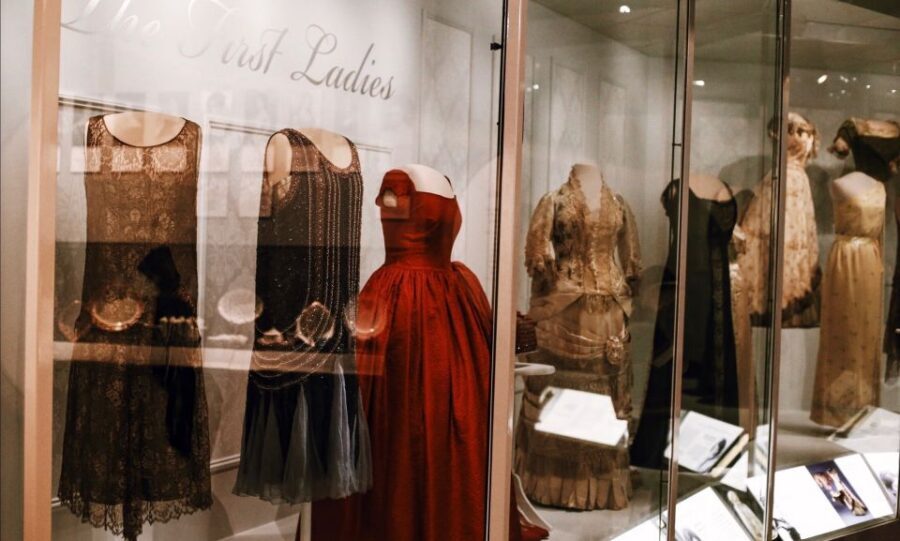
Next comes the First Ladies exhibit. The tour notes it’s the most visited exhibit in the history of the Smithsonian. That’s a big claim, but it also signals something useful for your planning: people come to see these stories. With a guide, you won’t just see names—you’ll get a clearer sense of how the exhibit connects identity, public life, and American expectations over time.
This portion also keeps a strong focus on real objects tied to real people. Instead of bouncing between unrelated rooms, you’re moving with purpose toward displays that help explain the country’s changing self-image.
You can also read our reviews of more museum experiences in Washington Dc


Lincoln’s Top Hat and the Star-Spangled Banner Connection
One of the tour’s biggest strengths is that it blends story-driven objects with major national turning points. Lincoln’s Top Hat is a perfect example—small enough to feel personal, famous enough to carry a whole era.
Then the tour zooms in on an artifact that anchors American identity in a very specific moment: the Star-Spangled Banner. The tour describes it as the banner that flew over Fort McHenry at dawn’s early light, signaling a turning point in the War of 1812 and inspiring the song that became the nation’s anthem in the 1930s.
This is the kind of context you usually miss when you’re reading placards quickly. A guided highlights route helps you connect the object to the moment and the ripple effect, instead of treating the banner like a standalone icon.
More Than Pageantry: Lunch Counters, Politics, Everyday Life
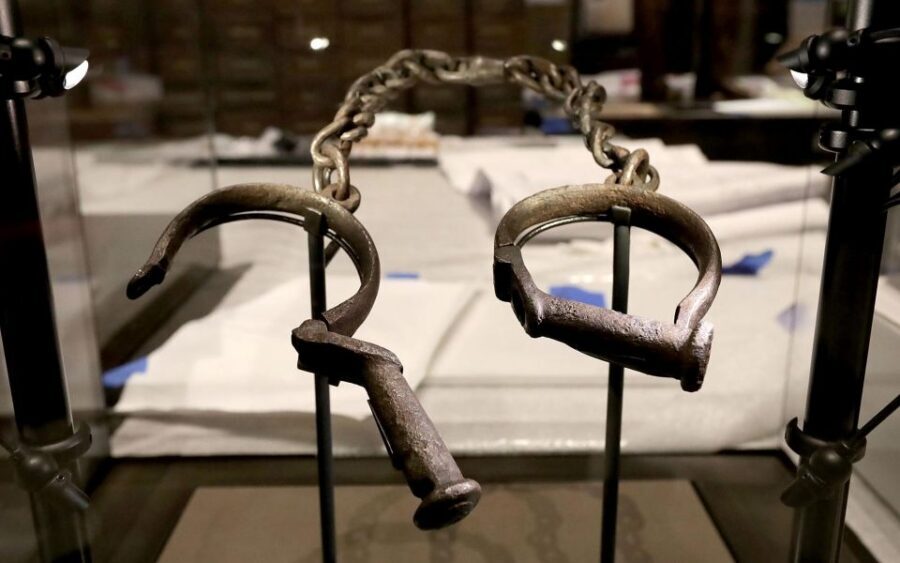
After the headline artifacts, the American History Museum highlights expand into the “how life worked” side of history. The tour includes objects like the Greensboro Lunch Counter, described as a reminder that battles over rights and identity can take many forms.
You’ll also see a range of display types that make the museum feel less like a lecture and more like a timeline you can touch: cars, trains, kitchens, military uniforms, political ephemera, and even Hollywood memorabilia.
That mix is one of the reasons this combo tour works for different kinds of interests. If you love politics, you have artifacts tied to it. If you love everyday life, you’re given examples of how home and work shaped identity. And if you like culture, the entertainment connections keep the day from feeling stuck in one mood.
Skip the Ticket Line and Keep the Momentum
A lot of DC museum time disappears into waiting. This tour is designed to skip the ticket line, which is a practical win if you’re trying to fit a Smithsonian-heavy trip into limited days.
The schedule also supports small-group movement: semi-private or private tour formats are offered, with a maximum of 8 people per tour. That upper limit matters because it reduces bottlenecks around the most famous objects. At the same time, it keeps the tour from feeling like a private lecture with zero room for other people to share reactions.
And the guide keeps the highlights tight—two hours at Natural History and two hours at American History. You won’t see everything, but you’ll see the items most people come for, with enough structure to feel satisfying rather than rushed.
What Price Gets You (and Whether It’s Good Value)
At $166 per person, you’re paying for three things: guided interpretation, time-saving entry flow, and coverage of two of the Smithsonian’s biggest museums.
If you were to self-guide, you could save money, but you’d also give up the main advantage this tour offers: a route that prioritizes the best-known objects like the Hope Diamond, real mummies, Dorothy’s Ruby Slippers, Lincoln’s Top Hat, and the Star-Spangled Banner, plus the supporting context around them. The guide is the value driver—especially when the displays have stories that are easy to miss if you skim.
You’re also not just paying to walk around. You’re getting two guided highlights tours from an expert guide, in a small group, for a total of about 5.5 hours. For many visitors, that’s a fair price for turning two overwhelming museums into a coherent day.
Who This Tour Fits Best
This combo works well if you:
- Want the Smithsonian’s most famous artifacts without spending your whole day mapping routes
- Like having a guide connect objects to context, not just point at them
- Prefer small groups (up to 8 people) where you can actually stop and look
It may be less ideal if you:
- Want to linger in deep detail for long periods, because the format is highlights-focused
- Need to bring large bags or luggage, which aren’t allowed through museum security on this tour
Also, check the wheelchair situation carefully. The info notes wheelchair tours are available by request only, but it also says the tour is not suitable for wheelchair users. If mobility access is a key part of your planning, contact the operator early so you’re not guessing.
About the Guides: Clear Explanations Matter
The tour experience is strongly tied to the guide’s ability to keep you moving while still explaining what you’re looking at. Feedback highlights guides like Brenda, praised as an excellent tour guide, and Donna, praised for explaining everything very well.
That kind of guide skill shows up most with objects behind glass. Without guidance, you can end the day with name recognition and not much else. With a strong guide, you’re more likely to remember the why—not just the what.
Quick Practical Notes That Can Affect Your Day
You’ll want to keep a few tour rules in mind because they directly shape your experience.
- Bring passport or ID and make sure it’s valid photo ID.
- Don’t bring luggage or large bags. Only handbags or small thin bag packs should go through security.
- Wear appropriate dress for entry into some sites on the tour.
- Some rooms have rules about quiet or restricted speaking, so expect to lower your voice in certain areas.
- Temporary exhibits aren’t part of this tour focus.
- Highlights and collections can vary, so you should treat this as a best-of plan rather than a guaranteed room-by-room checklist.
Should You Book This Natural History + American History Combo?
If you’re trying to see the Smithsonian’s headline icons in a realistic day, this is a strong choice. The structure is what makes it work: two guided highlights tours, small group size, and a route built around the most famous objects like the Hope Diamond, real mummies, Dorothy’s Ruby Slippers, First Ladies, Lincoln’s Top Hat, and the Star-Spangled Banner.
Book it if you want a guided path that saves time and gives you context. Skip it only if you’re planning an extremely slow museum day where you want to wander at your own speed for hours at a time, or if your packing needs involve large bags that you can’t adjust.
If your goal is DC museums done the smart way, this combo tour is one of the cleaner, more focused options.
FAQ
How long is the Natural History Museum & American History Museum combo tour?
It runs for about 5.5 hours. Starting times vary, so you’ll need to check availability for the exact schedule.
Where do we meet the guide?
You meet your guide on the large stairs at the Madison Drive NW entrance of the Natural History Museum, facing the lawn of the National Mall.
What’s included in the tour price?
You get an expert guide, a 2-hour highlights tour at the Natural History Museum, and a 2-hour highlights tour at the American History Museum, plus a private or semi-private group setup of no more than 8 people.
Does the tour include food or drinks?
No. Food and drinks are not included.
Can I bring a large bag or suitcase?
No. Luggage or large bags are not allowed inside the museums. Only handbags or small thin bag packs are allowed through security.
Do I need tickets, and do we wait in line?
The tour includes skip the ticket line. Hotel pickup and drop-off are not included.
What ID should I bring?
Bring passport or ID card, and make sure you have valid photo ID.
Is the tour wheelchair friendly?
Wheelchair tours are listed as available by request only, but the activity is also marked as not suitable for wheelchair users. If this affects you, request details from the operator before booking.
Is the tour good for temporary exhibits?
No. Temporary exhibits are not included, and collections and highlights may vary.