REVIEW · HISTORICAL TOURS
Guided Tour of The Natural History Museum
Book on GetYourGuide →Operated by Tours By JC · Bookable on GetYourGuide
Step into prehistory and space in one walk. This guided tour at the Smithsonian National Museum of Natural History mixes big-name exhibits with hands-on surprises, including the Hope Diamond story and tactile moments like touching a dinosaur bone and a piece of Mars. I especially like the small-group size (up to 8) and the way the tour blends fossils, gems, and interactive science so you keep moving without feeling rushed. One possible drawback: with just 2.5 hours, you’ll see highlights, not the entire museum.
You meet at the museum’s front entrance on Constitution Ave, then the guide pulls you through Earth’s timeline at a good pace. Expect a mix of wow-factor displays (like a Tyrannosaurus Rex skeleton and a suspended blue whale) plus smaller learning stops that actually help things stick. I think this is a smart choice if you want a guided hit of the best stuff without planning every detail.
In This Review
- Key Things to Know Before You Go
- Getting Oriented at 900 Constitution Ave NW
- A 2.5-Hour Route Through the Museum’s Biggest “Wow” Moments
- The Hope Diamond and the Human Drama Behind Minerals
- Touch Experiences: Dinosaur Bone and a Piece of Mars
- From Blue Whale Ceilings to Butterfly Wings and Evolution
- How Much Is $72 Worth for a Guided Hit of the Smithsonian?
- Who This Tour Fits Best (and Who Might Want Something Else)
- Should You Book the Guided Tour of the Natural History Museum?
- FAQ
- Where does the tour start?
- How long is the guided tour?
- How many people are in the group?
- What language is the tour offered in?
- What makes this tour special compared to a self-guided visit?
- Is the tour wheelchair accessible, and can I cancel if plans change?
Key Things to Know Before You Go
- Small group (max 8) keeps questions easy and the pace manageable
- Tyrannosaurus Rex skeleton start gives you instant museum scale
- The Hope Diamond’s cursed history adds human drama to the science
- Touch a dinosaur bone and a piece of Mars turns learning into hands-on memory
- Butterfly and whale exhibits connect evolution, biology, and ecology
- English live guide helps you get meaning, not just labels
Getting Oriented at 900 Constitution Ave NW
Your tour begins outside the Smithsonian Natural History Museum at 900 Constitution Ave. NW, right at the front entrance on the Constitution Ave side. That matters more than it sounds. The museum is huge, and getting your bearings early saves time and stress later.
Once you’re in, you can expect a guided flow through major areas of the museum rather than a random free-for-all. The tour runs 2.5 hours, so the guide’s job is to pick the most effective sequence of exhibits: big visual anchors first, then the details that explain what you’re looking at.
Because this is a small-group experience limited to 8 participants, you’ll likely get a more conversational tour than the mass-market variety. In practice, that means you can ask follow-up questions when something piques your interest, instead of waiting your turn forever.
Also note the practical side: the activity is wheelchair accessible, and the tour itself is led in English by a live guide from Tours By JC. If you’re traveling with mobility needs, this is the kind of setup that can work well because the guide is actively managing group movement.
You can also read our reviews of more guided tours in Washington Dc



A 2.5-Hour Route Through the Museum’s Biggest “Wow” Moments
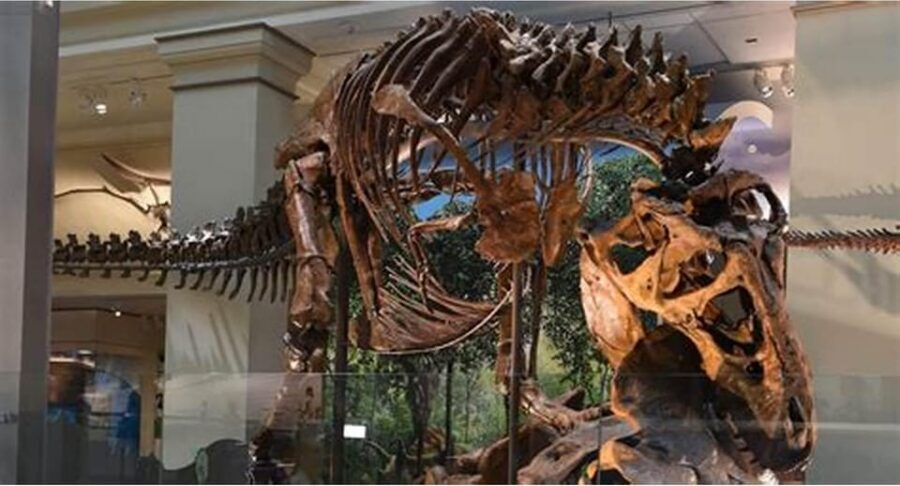
The National Museum of Natural History is one of those places where the building itself feels like part of the exhibit. This tour uses that scale to advantage. You start with the towering presence of a Tyrannosaurus Rex skeleton, which works as a mental reset: you’re not just reading about ancient life, you’re looking at it as a full-size reality.
From there, the tour shifts across Earth’s story. You’ll move between fossils, minerals, and nature displays, which helps the museum’s message land: life changes, environments change, and the science is how we figure out the why.
A key point for your expectations: 2.5 hours is highlight time. You will not “complete” the museum in the way you could with a full day. Instead, you’ll get the best guided path through the most memorable exhibits and interactive moments. If you love wandering slowly, you can still add your own extra time after the tour, but plan on this guided portion as the compact core of your visit.
The guide also seems designed to keep momentum. You’ll get stops that are visually loud (like the whale hanging overhead) paired with stops that are more sensory and educational (like details of wings or interactive science displays). That mix is ideal when you’re short on time but want more than surface-level looking.
The Hope Diamond and the Human Drama Behind Minerals
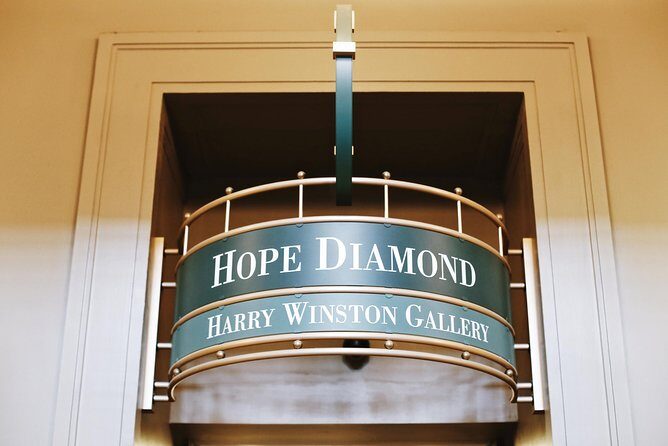
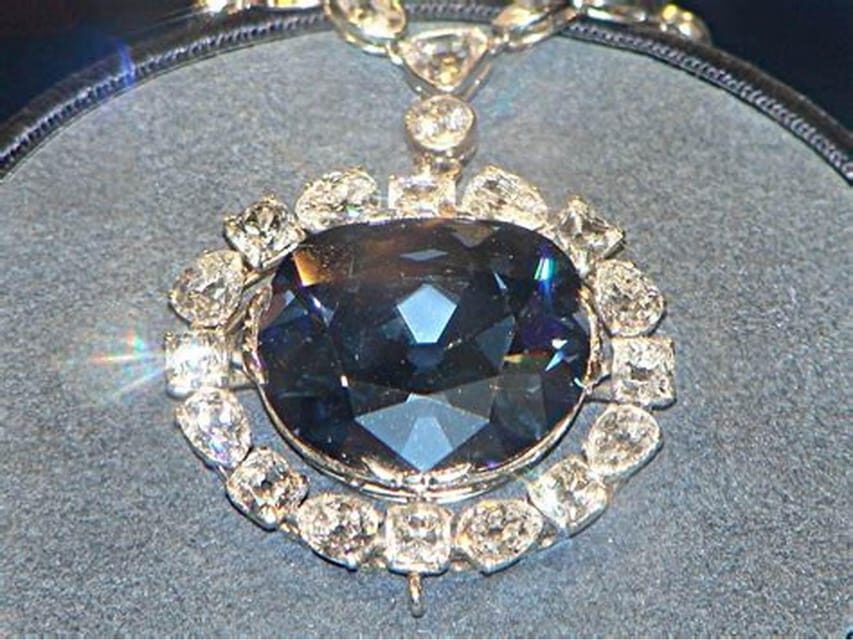
One of the tour’s standout themes is how it turns natural objects into stories you can remember. The Hope Diamond is the perfect example. You’ll learn about its cursed history, which adds a thread of drama and folklore to the science of gems.
Why this works: people can find “minerals” abstract. A guided explanation anchored in a famous diamond story makes it easier to stick with what you’re learning. You’re not just staring at a rock. You’re connecting geology, craftsmanship, and the way humans assign meaning to objects.
This tour also signals that it’s not only about one exhibit. The overall arc is Earth’s history through multiple angles: fossils for deep time, specimens and minerals for how the planet builds, and living systems for how evolution shapes what you see today. So even if the Hope Diamond is the headline, it’s also a doorway into bigger ideas about Earth materials and discovery.
If you’re the kind of visitor who likes context, you’ll probably appreciate how a single “celebrity artifact” gets used to teach you how museums translate raw objects into public science. It’s a good reminder that museum labels are only half the story; a guide can help you read between them.
Touch Experiences: Dinosaur Bone and a Piece of Mars
This is the part I’d circle on the itinerary first: touch an actual dinosaur bone and touch a piece of Mars. In a museum full of glass cases and distance, these hands-on moments change the whole feel of the visit.
When you can touch a dinosaur bone, you’re doing something very rare in a natural history museum. It turns scale and texture into real memory. The point is not that you’re learning lab-level details in 2.5 hours. It’s that you’re grounding the idea of paleontology in something tangible.
The Mars piece does a similar job from the space-and-samples angle. Even without heavy technical background, touching a Martian material can make the concept of planetary science feel immediate. You’re seeing how the museum connects space exploration to physical evidence.
These touch moments also help your brain do something useful: compare. Your senses register weight, texture, and material feel. Then you can pair that with what you’re seeing in the exhibits—fossils, minerals, and the evolution stories around them.
In other words, this tour doesn’t just show you Earth’s wonders. It gives you one of the best kinds of travel souvenirs: a “this felt real” memory.
From Blue Whale Ceilings to Butterfly Wings and Evolution
If you want a natural history tour that covers more than one lane, this one does. You’ll encounter major species exhibits and science learning stops that connect ecology and evolution.
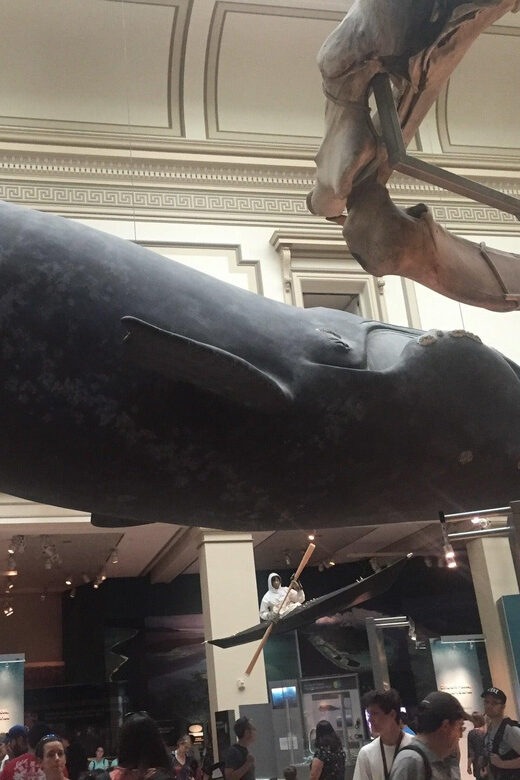
A big visual highlight is the colossal blue whale suspended from the ceiling. That kind of display can feel almost unreal in person. It’s the museum doing what museums do best: turning size into understanding. Seeing that suspended form helps you grasp scale, which matters when you’re trying to think about evolution and ecosystems rather than just individual animals.
Then there are the smaller, detail-focused stops, like a butterfly’s wing and the metamorphosis angle tied to its transformation. Those moments are great because they teach you to slow down. Wings aren’t just pretty. In a guided context, you’re more likely to notice how structure supports life—how evolution shapes traits you can actually observe.
The tour also mentions interactive displays tied to evolution and ecology, plus opportunities to learn about ocean life, including coral reefs and deep-sea creatures. This is where the pacing of a guided tour helps you. You’re not wandering until you stumble onto something interactive. You get directed to the learning moments that actually do something.
And yes, you’ll also see elephant-related exhibits. The range—from tiny wing details to massive marine mammals—keeps the tour from becoming one long theme park ride. It becomes a guided survey with enough variety to satisfy different interests.
You can also read our reviews of more historical tours in Washington Dc






How Much Is $72 Worth for a Guided Hit of the Smithsonian?
At $72 per person for 2.5 hours, this isn’t a bargain-priced experience. So the value question is fair.
Here’s what you’re paying for, based on what the tour includes:
- Guided services fees (you’re buying interpretation, not just admission)
- A live English guide
- A small group capped at 8, which usually means better attention and smoother pacing
- High-impact highlights, including the Hope Diamond story and touch experiences (dinosaur bone and Mars material)
If you’ve ever walked through a big museum without a plan, you know how easy it is to spend hours moving between areas and still feel like you only scraped the surface. This tour solves that by concentrating on the kinds of stops that teach you something and stick with you afterward.
Also, the touch moments alone can make the price feel more reasonable. Many museum visits are “look only.” This tour adds tactile learning and memorable experiences you can’t replicate by doing a self-guided scan.
The tradeoff, again, is time. You’re getting highlights, not full coverage. If you want a full-day museum strategy, this tour is best seen as the guided core that gets you oriented fast.
Who This Tour Fits Best (and Who Might Want Something Else)
This tour is a strong match if you:
- Want a guided visit rather than figuring out everything alone
- Have limited time in Washington, DC and want a high-value route in 2.5 hours
- Prefer smaller groups where you can ask questions
- Like hands-on learning and stories behind famous objects, like the Hope Diamond
It may be less ideal if you:
- Plan to spend hours lingering at every display and reading every label
- Need deep specialization in one area (like only fossils or only minerals)
- Want the flexibility to choose every exhibit on the fly, with no set sequence
One more practical note: the tour is wheelchair accessible, and because it’s guided, you’re not left to guess how best to navigate the museum with a group at your own pace. That’s a real comfort factor when a museum is large.
If you’re visiting with kids, this kind of tour can be especially effective, because it gives you sensory anchors (touching real items) and large visual moments (the whale, dinosaur skeleton) that keep attention.
Should You Book the Guided Tour of the Natural History Museum?
I’d book it if you want the smartest use of time inside the Smithsonian Natural History Museum. For $72 and 2.5 hours, you get a guided path through the museum’s best-known science and wonder points, plus the rare upgrade of touch experiences. The small group format helps the tour feel personal enough to be engaging instead of chaotic.
If you’re the type who enjoys deep, unhurried museum wandering, add extra time on your own after the tour. Think of this as the guided “greatest hits” version that sets you up to explore more later.
My call: book this tour if you want meaning, not just photos. Pass if you’re chasing a full museum checklist on your own schedule.
FAQ
Where does the tour start?
The tour starts at the front entrance of the Natural History Museum on the Constitution Ave side of the museum at 900 Constitution Ave. NW.
How long is the guided tour?
The guided tour lasts 2.5 hours.
How many people are in the group?
The tour is a small group limited to 8 participants.
What language is the tour offered in?
The live tour guide speaks English.
What makes this tour special compared to a self-guided visit?
You get guided interpretation plus highlighted hands-on moments, including touching an actual dinosaur bone and touching a piece of Mars.
Is the tour wheelchair accessible, and can I cancel if plans change?
Yes, it is wheelchair accessible. You can cancel up to 24 hours in advance for a full refund, and you can also reserve now & pay later.