REVIEW · MUSEUMS
DC National Archives + National Portrait Gallery – Exclusive Tour
Book on Viator →Operated by Babylon Tours DC · Bookable on Viator
History hits different when it’s face-to-face. This exclusive, private tour links the National Archives with the Smithsonian National Portrait Gallery, so you see founding documents and the people who shaped them—on one smooth half-day plan.
I especially like that you get guided time in the places that usually eat up your day. At the Portrait Gallery, your guide steers you through the Presidential Portrait Gallery and the American art spaces around the Kogod Courtyard. At the Archives, you start in the Rotunda to see the original handwritten Charters of Freedom, including the Constitution.
One thing to consider: security rules are real. You’ll need to plan for tighter museum bag checks (think small bags only), and a couple of rooms may limit talking, so you may have to whisper your thoughts instead of sharing them out loud.
In This Review
- Key things to know before you go
- Why this Archives + Portraits plan makes sense in DC
- Getting started at the National Archives (and why early matters)
- The Charters of Freedom in the Rotunda: the wow moment with context
- The Magna Carta stop: citizenship isn’t just a US keyword
- National Portrait Gallery: leaders, art, and a calmer DC pause
- Conservation and labs: the nerdy side of history you’ll enjoy
- Why the private format changes what you get
- Timing, movement, and the real-life DC logistics
- Price and value: what $166.15 really buys you
- Who should book this tour (and who may not need it)
- Should you book this exclusive Archives + Portraits tour?
- FAQ
- FAQ
- What time does the tour start?
- Where do I meet for the tour?
- Where does the tour end?
- How long is the tour?
- Is the National Archives skip-the-line access included?
- Are museum tickets included?
- Is this tour private?
- Do I need to bring anything specific for entry?
- Is there transportation between the two tour locations?
- Can I cancel for a full refund?
Key things to know before you go
- Skip-the-line at the National Archives so you can spend more time inside the Rotunda and galleries.
- Private guide for your group with stories timed to what you’re actually looking at, not a one-size-fits-all lecture.
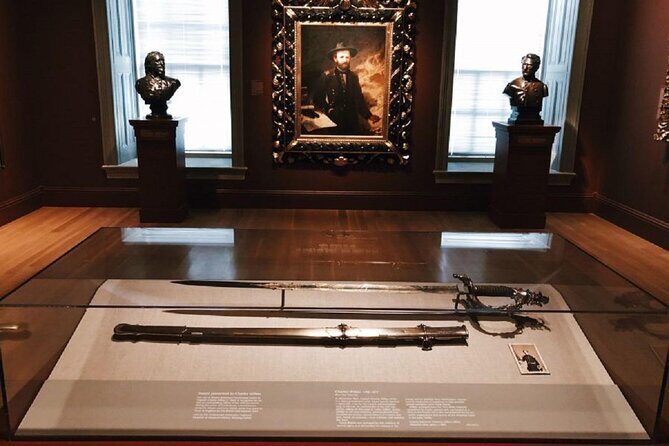
- Portrait Gallery plus American art spaces in the same walk-through, including the Presidential Portrait Gallery and the Luce Center area.
- A conservation-center peek since the tour includes time related to the Lunder Conservation Center labs.
- Magna Carta and citizenship themes added at the Archives in the Rubenstein Gallery, which makes the founding era feel less abstract.
- Rain or shine running plan, plus private transportation between sites if needed.
Why this Archives + Portraits plan makes sense in DC
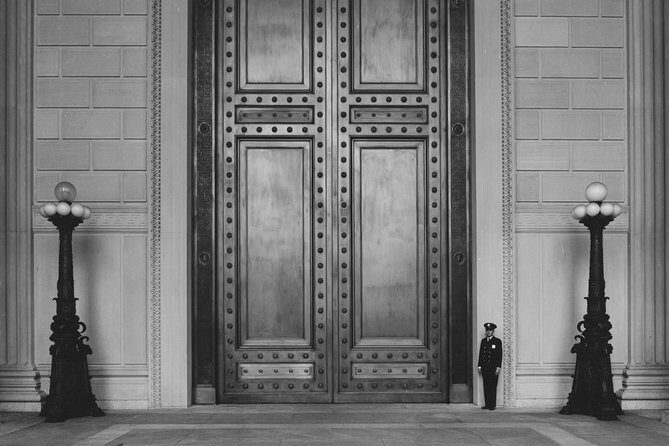
Washington, DC is great at making you feel small and informed at the same time. The trick is not trying to cram everything into one day. This tour does a smart pairing: it connects the documents that legally created the country with the faces and ideas that kept defining it.
You’ll see the National Archives first thing at 10:00 am, which is exactly when you want to be there. Then you move to the Smithsonian National Portrait Gallery after a break to reset and grab a bite. The order matters because the Archives can feel like a punch to the system. By the time you reach the Portrait Gallery, you’re ready for the human side of history.
This is also a value play. At $166.15 per person for about 5.5 hours, you’re paying for a guide, skip-the-line access to the National Archives, admission coverage in the Portrait Gallery, and a guided stop that includes a Magna Carta moment you’d be unlikely to stumble upon without context. It’s not the cheapest option in town, but it’s priced like someone thought about how to make your time count.
You can also read our reviews of more museum experiences in Washington DC

Getting started at the National Archives (and why early matters)
You meet at the National Archives Museum at 701 Constitution Ave. NW. The start time is 10:00 am, and the tour is set up to run in normal museum conditions even if it’s rainy. That matters in DC, where you can lose an hour to weather and crowds faster than you expect.
The tour includes skip-the-line entry at the National Archives, which is the real win. You’ll avoid that awkward shuffle where you stand around waiting while other people get moving. That time gets redirected into the Rotunda and the exhibits your guide wants you to see.
You’ll also want to show up with security in mind. The tour notes that no large bags or suitcases are allowed inside—only handbags or small thin bag packs. So, keep your daypack light. If you travel with bulky items, plan on using a hotel bag hold or a luggage service rather than assuming you can bring everything in.
The Charters of Freedom in the Rotunda: the wow moment with context
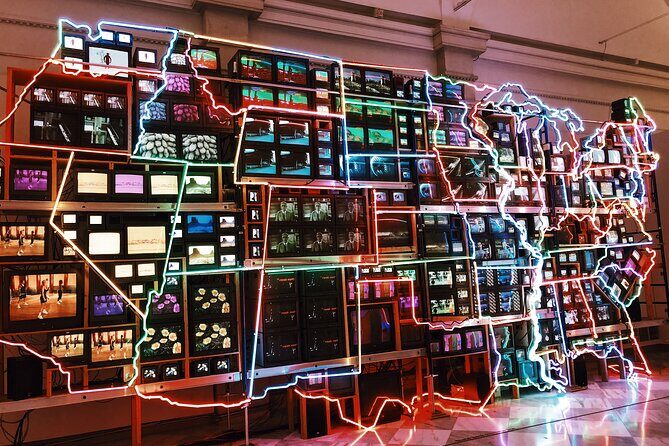
The heart of the National Archives visit is the Rotunda and the original handwritten Charters of Freedom. The guide narrates the circumstances around how the nation came into existence, and that’s where a tour like this earns its keep.
Seeing the Constitution is one thing. Seeing it with a guide who can frame what was happening at the time is another. The stories help you understand why these documents weren’t just words on paper—they were political decisions, compromises, and ideas fighting for acceptance.
I like that the tour doesn’t rush you through the main moment. You get enough time to look carefully and still hear the explanation without feeling like you’re on a moving conveyor belt.
Tip: plan on a little quiet focus. Some rooms have restrictions on speaking, and your guide will clue you in before you enter those spaces. In practice, that means you can listen better, even if you’re the type who usually talks with your hands.
The Magna Carta stop: citizenship isn’t just a US keyword
The National Archives portion includes a philosophical detour that I find genuinely useful. In the Rubenstein Gallery, you’ll see a 1297 copy of the Magna Carta and connect it to the evolution of rights and citizenship.
This is where the tour helps you connect dots. You’ll be guided through how concepts like who belongs and who has protections change over time. The tour also references the idea that people are endowed with unalienable rights and highlights how meaning shifts from founding claims into lived reality.
If you’ve ever felt that the founding era is either too big to grasp or too oversimplified, this part helps. You’re not just staring at old text. You’re seeing an argument about inclusion and responsibility.
National Portrait Gallery: leaders, art, and a calmer DC pause

After the Archives, you get a break. The plan includes time to reset, and you can grab a bite before heading into the Smithsonian area. That pause matters. The founding documents can be intense. The Portrait Gallery gives you a change of pace without losing the “who shaped America” thread.
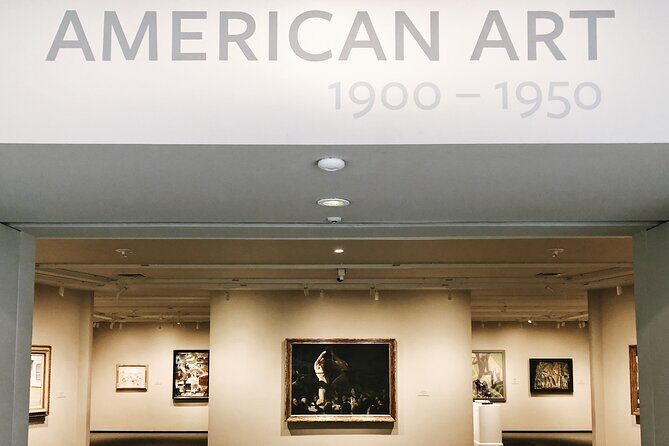
Your guide brings you into the dual exhibition space of the Smithsonian National Portrait Gallery and the Smithsonian American Art Museum, around the Kogod Courtyard. I like that this space feels like a breather in the middle of downtown sightseeing. It’s easier to absorb what you’re seeing when you’re not sprinting through rooms back-to-back.
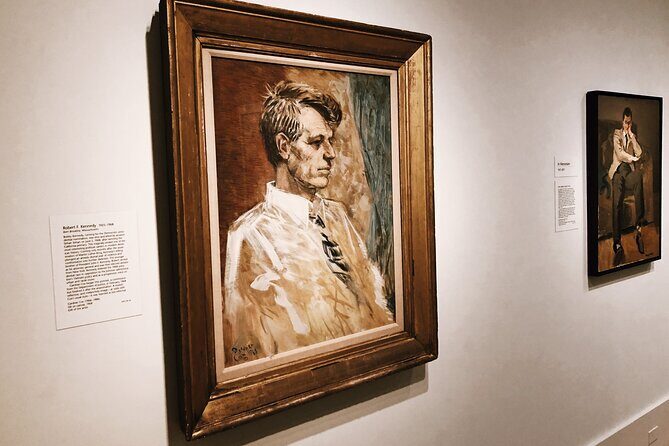
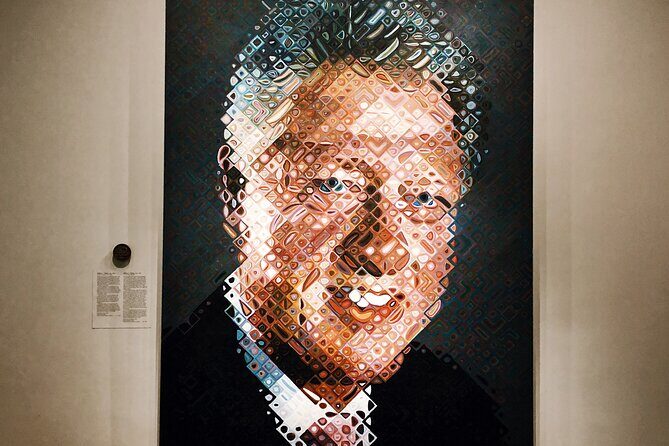
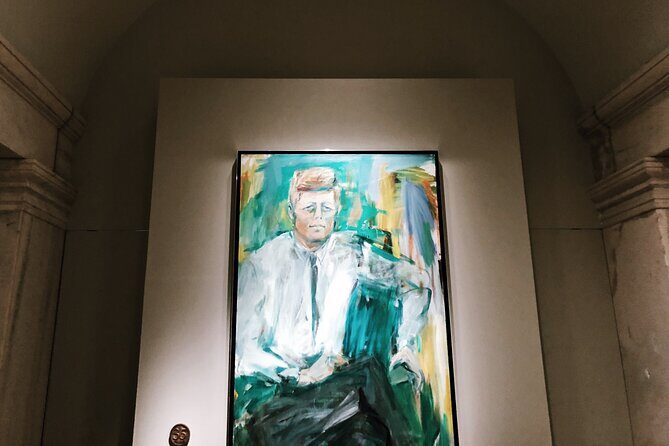
From there, you’ll get guided time in the Presidential Portrait Gallery. That’s the obvious highlight, but the guide also steers you toward other famous Americans and shows how portraits can be political statements, not just images of powerful people.



Conservation and labs: the nerdy side of history you’ll enjoy
One of the more interesting parts of the Portrait Gallery visit is the chance to peek into the work behind the scenes. The tour includes a look related to the Lunder Conservation Center, including the labs area.
Even if you don’t consider yourself an art-tech person, conservation is one of those topics that makes you appreciate the objects more. People think museums are static. Conservation shows you that “history” is maintained through constant care, testing, and decisions.
This also ties back to the tour’s main theme: history isn’t only in the documents and portraits. It’s also in the people who preserve them.
And yes, it’s a little mind-bending to realize the museum has a lab, and that you can get a glimpse of it while walking around downtown Washington.
Why the private format changes what you get
This is a private tour/activity, meaning only your group participates. That’s not just a comfort upgrade. It changes pacing.
In a group tour, you often end up watching the guide move on before you’ve finished reading or looking. Here, the guide can take the time needed and adjust. The reviews back up this calm pacing, too. People mention guides such as Brenda answering questions with solid stories, and Donna pacing visitors patiently through top exhibits.
I like that your guide isn’t just feeding facts. They’re shaping the order of what you see, so you build a mental map. That’s especially helpful at the Smithsonian sites, where it’s easy to wander into the wrong room if you’re not careful.
Timing, movement, and the real-life DC logistics
The total duration is about 5 hours 30 minutes, including the lunch break. That’s long enough to feel like you got value, but short enough that you’re not crushed by DC walking.
There’s also private transportation included between tour locations if necessary. That’s useful when sites are close but not walk-friendly depending on your energy level, weather, or where your security line time lands.
The tour is listed for travelers with a moderate physical fitness level. So if you’re dealing with mobility issues, consider whether museum walking plus some lines (even with skip-the-line access at the Archives) is workable for you. A quiet room or two also means you’ll be standing and listening longer than you might expect.
Also note: museum closures can happen with no warning. If an opening is delayed by more than an hour from the tour start time, the provider says they’ll provide an appropriate alternative. In those cases, refunds or discounts aren’t offered, so it’s wise to keep your schedule flexible.
Price and value: what $166.15 really buys you
Let’s talk value without pretending cost doesn’t matter.
At $166.15 per person, you’re not just paying for entry tickets. You’re paying for:
- a private guide for your group,
- guided walking and museum time at both the National Portrait Gallery/American Art area and the National Archives,
- skip-the-line entry at the National Archives,
- admission ticket inclusion at the Portrait Gallery portion, and free admission for the Archives portion,
- private transportation if needed between locations,
- and the tour runs rain or shine with a structured plan.
If you were to do this on your own, you might pay similar amounts in scattered entry tickets and then lose value in time: time in lines, time figuring out which rooms matter most, and time trying to understand why certain documents are shown in certain contexts.
This tour is at its best if you want both the big moment (the Rotunda) and the meaning behind it (citizenship themes via Magna Carta), plus the human gallery experience at the Portrait Gallery.
Who should book this tour (and who may not need it)
This tour is a great fit if you:
- want a guided path through two major sites without spending your day planning,
- care about how documents and people connect,
- prefer a paced tour where you can ask questions,
- and like museums where art and politics overlap.
It may feel like overkill if you:
- want total freedom to wander at your own speed with zero structure,
- are trying to do DC on a tight budget,
- or dislike any museum security/bag rules.
Should you book this exclusive Archives + Portraits tour?
I’d book it if you only have one half-day to do these two places and you don’t want to waste time guessing where to go. The mix of Charters of Freedom plus Magna Carta and citizenship themes, then a guided walk through Presidential Portraits and related art spaces, gives you a full picture that’s hard to replicate solo in the same amount of time.
Also, I love that the guides seem to focus on answers and pacing—people specifically highlight guides like Brenda and Donna for thoughtful storytelling and patient timing. If you want your DC museum time to feel organized and human, this is a strong choice.
FAQ
FAQ
What time does the tour start?
The tour starts at 10:00 am.
Where do I meet for the tour?
You meet at the National Archives Museum, 701 Constitution Ave. NW, Washington, DC 20408.
Where does the tour end?
The tour ends at the National Portrait Gallery area at 8th St NW & G St NW, Washington, DC 20001.
How long is the tour?
It runs about 5 hours 30 minutes, including a lunch break.
Is the National Archives skip-the-line access included?
Yes. Skip-the-line entry to the National Archives is included.
Are museum tickets included?
Admission is included for the National Portrait Gallery portion, and admission for the National Archives portion is listed as free.
Is this tour private?
Yes. It’s a private tour/activity, and only your group participates.
Do I need to bring anything specific for entry?
You should plan for security rules: no large bags or suitcases inside; only handbags or small thin bag packs are allowed.
Is there transportation between the two tour locations?
Private transportation is included between tour locations if necessary.
Can I cancel for a full refund?
Yes. You can cancel up to 24 hours in advance for a full refund.