REVIEW · AFRICAN AMERICAN HISTORY
Private Tour of Museum of African American History and Culture
Book on Viator →Operated by KB Tours · Bookable on Viator
Step into Washington’s NMAAHC with clear audio and a plan. This private tour keeps you moving through the museum’s most meaningful themes without getting lost in a crowd of artifacts. You get guided context on early slavery and freedom, then a focused run through segregation-era stories and the road to civil rights.
I love the wireless mic-and-headphones setup because it makes the narration easy to follow, even in a busy museum. I also like that the tour targets what matters most in a big building, covering the first three floors so you leave with a strong sense of the museum’s shape. One thing to consider: the experience is about two hours, so it’s not a full museum visit—if you want every gallery, you’ll still need extra time after the tour.
KB Tours runs this as a private group experience for up to 7 people, and that small size makes the walk feel personal. The guides also bring thoughtful perspective; in past groups, Kenny stood out for being engaging and clear about what to prioritize, and the overall tone is serious but approachable. If you’re short on time, this is a smart way to start. If you want everything, treat it as the opening act.
In This Review
- Key highlights you’ll feel right away
- A private NMAAHC tour gives you structure in a big museum
- Clear audio with wireless headphones (the best small detail here)
- Slavery and Freedom: where the museum’s timeline starts to make sense
- The Era of Segregation: turning legal history into a lived story
- What exactly you cover in 2 hours (and why that’s a feature)
- Private group size: up to 7 people makes a difference
- Price and value check: $300 that includes admission
- Where to start: the meeting point and ending back there
- Who should book this tour (and who can DIY it)
- Practical tips for your museum time after the tour
- Should you book this private tour of NMAAHC?
- FAQ
- How long is the private tour?
- What’s the price for the private tour?
- Is admission included?
- Where does the tour start?
- Where does the tour end?
- Is lunch included?
- What language is the tour offered in?
- Is this a private experience?
- Can I bring a service animal?
- What’s the cancellation policy?
Key highlights you’ll feel right away
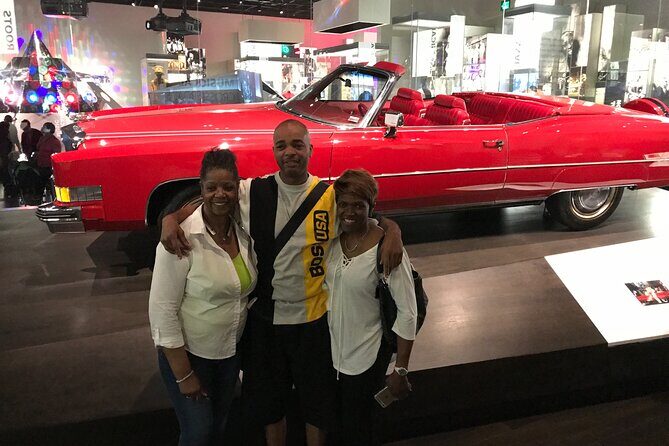
- Wireless headphones with a microphone so you can actually hear the story
- First three floors covered, great for a first visit to a huge museum
- Slavery and Freedom opening section that sets the emotional tone
- Era of Segregation gallery guidance that ties policy and lived experience together
- Private group format (up to 7), so questions don’t get lost
- Admission ticket included, so your $300 goes further than you expect
A private NMAAHC tour gives you structure in a big museum
The National Museum of African American History and Culture is famous for a reason: it’s large, layered, and emotionally powerful. The problem with going on your own is time. You can easily spend an hour just figuring out where to go, what to read, and how to connect the dots between galleries.
That’s why this private format works. With a guide directing your route, you get a storyline, not a random stroll. And the private size matters. Up to seven people means you’re not squeezed into a line where questions die on the vine.
I also like that the tour is built for clarity. The route is designed to cover key periods in a way that helps you understand what you’re seeing as you move. That makes the museum easier to absorb and easier to revisit afterward.
You can also read our reviews of more private tours in Washington DC



Clear audio with wireless headphones (the best small detail here)
Museums can be loud in the wrong way—voices, footsteps, and the general background noise of DC foot traffic. This tour solves that with headphones connected to a wireless microphone. Practically, that means you can hear the guide without turning your head every few minutes or competing with the environment.
It also changes how you experience the exhibits. When you can hear the narration clearly, you don’t just look—you follow the meaning. In a museum like NMAAHC, that matters. Some rooms hit you with artifacts first, then context second. Good audio helps keep context close to what you’re seeing.
If you’ve ever had a tour where you missed half the explanation because you couldn’t hear, you’ll appreciate this setup right away.
Slavery and Freedom: where the museum’s timeline starts to make sense
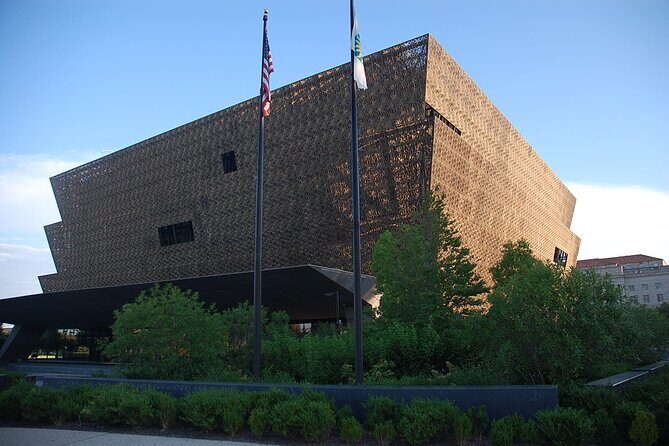
The tour begins with the Slavery and Freedom exhibit. This first stop sets the tone and frames the bigger story you’ll keep returning to throughout the building. You’re not just seeing objects; you’re being guided through how people survived, resisted, and built community and hope—often under crushing conditions.
What I like about starting here is that it gives you a reference point. When later galleries reference earlier experiences, you’ll understand the connection instead of thinking of each room as a separate chapter.
Because it’s a guided walking tour, the guide can also explain the layout and priorities as you go. That matters at NMAAHC, where the museum’s scale can make a first visit feel like drinking from a firehose. Starting strong helps you slow down for what’s in front of you.
The Era of Segregation: turning legal history into a lived story
After that opening foundation, the tour moves into the Era of Segregation gallery. This section focuses on the challenges and victories tied to Jim Crow laws and the everyday impacts of enforced separation.
This is where a guide’s explanations do real work. Laws and dates are important, but they can feel abstract unless someone connects them to what people experienced. With a private guide leading the route, you get that connection as you walk room to room.
And this is not presented as detached history. The narration helps you see how civil rights progress didn’t appear out of thin air; it grew out of resistance, organizing, and sustained pressure over time.
If you care about understanding cause and effect—how policy became daily reality—this gallery is a key reason to book a tour instead of trying to piece it together alone.
What exactly you cover in 2 hours (and why that’s a feature)
The tour runs for about 2 hours and focuses on the museum’s most important sections across the first three floors. In other words, it’s intentionally selective.
That selection is a good thing. Without a plan, you might end up reading every label but missing the big through-line. With the tour, you get a guided overview first, then you can choose what to revisit with your new context.
One practical note: admission is included, and the tour includes time spent walking and listening, not just a quick stop-and-snap-through. So the 2 hours feel like a real guided experience, not a rushed ticket shuffle.
If you like to stay longer in the museum after your tour, plan on it. This tour gives you the map; your follow-up time lets you slow down where you personally feel pulled in.
You can also read our reviews of more historical tours in Washington DC





Private group size: up to 7 people makes a difference
Pricing is $300 per group (up to 7 people). That’s not just a number—it affects your experience.
Small groups make it easier for the guide to tailor pacing. It’s also easier to ask questions without the guide having to juggle 20 people. In a museum where you may have thoughts you want to ask about—symbols, timelines, why certain stories are emphasized—this matters.
Based on the consistent feedback from past tours, the guides aim to point out what you might otherwise miss. They don’t just say what something is; they help you understand why it’s here and how it connects to the larger story.
If you’re traveling with friends or family and want the museum to feel personal instead of crowded, this private group format is one of the best parts.
Price and value check: $300 that includes admission
At $300 per group, the cost can feel like a lot until you do the math.
You’re paying for:
- a guided experience (about 2 hours)
- admission ticket included
- all fees and taxes included
Lunch is not included, so you’ll want to plan food separately. But the big value is that you’re not paying extra for entry, and you’re buying time and clarity. For many people, saving time on figuring out the museum layout and getting meaningful context is worth more than a free ticket plus confusion.
Also, since it’s booked on average about 34 days in advance, it’s smart to reserve early if your dates are fixed. Popular museum time slots can disappear.
Where to start: the meeting point and ending back there
The tour starts at 1400 Constitution Ave. NW, Washington, DC 20560 at the National Museum of African American History and Culture. It also ends back at the meeting point, so you’re not left guessing where to go next.
That makes planning easy. Once the tour wraps, you can immediately head back into DC sightseeing mode—or stay at the museum if you want more time in specific galleries.
Who should book this tour (and who can DIY it)
This private tour is a great fit if:
- you want a first-visit overview of NMAAHC without wandering
- you’re traveling as a small group (up to 7)
- you care about hearing explanations clearly through the headphones
- you’d rather spend your energy absorbing the exhibits than studying the layout
It might not be the best fit if:
- you want to spend half a day or more in-depth across every floor
- you prefer reading quietly on your own with no narration
Think of it like this: the tour helps you get your bearings fast, then you decide where to linger.
Practical tips for your museum time after the tour
Your guide route covers major highlights, but your museum experience doesn’t have to stop when the tour ends. Here are smart, low-effort ways to use what you learned:
- Wear comfortable shoes. You’re walking in a museum setting where some paths require attention.
- Keep your eye out for what your guide emphasized. Those are usually the areas most worth returning to.
- If something emotionally hits you, give it time. A guide gives context; you provide reflection.
- If you’re returning the same day, consider taking a short break before choosing more galleries, especially if you’re moving from exhibit to exhibit.
And if you want photos, you’ll likely feel more confident later, because you’ll understand the story behind what you’re photographing.
Should you book this private tour of NMAAHC?
I’d book this if you want an organized start and a clear explanation plan inside a museum that can feel overwhelming on your own. The wireless audio, the first three floors coverage, and the fact that admission is included make it strong value for the money—especially for a group.
I’d skip it (or pair it with extra time) if you already know exactly which galleries you want to hit and you’d rather move slowly without someone routing you through the highlights. In that case, DIY can work well, but it will take more planning.
For most first-time visitors, this private tour is an efficient way to understand what you’re looking at—and to know where your attention should go next.
FAQ
How long is the private tour?
The tour lasts about 2 hours.
What’s the price for the private tour?
It costs $300.00 per group for up to 7 people.
Is admission included?
Yes. The tour includes an admission ticket.
Where does the tour start?
It starts at the National Museum of African American History and Culture, 1400 Constitution Ave. NW, Washington, DC 20560, USA.
Where does the tour end?
The activity ends back at the meeting point.
Is lunch included?
No. Lunch is not included.
What language is the tour offered in?
The tour is offered in English.
Is this a private experience?
Yes. It’s a private tour/activity, and only your group participates.
Can I bring a service animal?
Service animals are allowed.
What’s the cancellation policy?
You can cancel for a full refund up to 24 hours in advance of the experience start time.