REVIEW · HISTORICAL TOURS
Private Black History Tour Washington DC for up to 10 Guests
Book on Viator →Operated by Perfect Private Tours and Transportation · Bookable on Viator
Eight stops. One story thread. This private Black History tour in Washington DC strings together major landmarks, campus culture, and museum time, with hotel pickup and entry included for NMAAHC.
I love that the pacing is built for first-time orientation: quick guided stops at big memorial sites, plus get-down photo moments so you see the places and understand why they matter. I also love the comfort factor—an air-conditioned vehicle, bottled water, and a guide who makes the details land without turning it into a lecture.
One possible drawback: the schedule is tight (about 2 to 3 hours with roughly 15 minutes per main stop), so if you want long, sit-down time at any single site, you’ll need extra hours on your own.
In This Review
- Key Highlights You’ll Care About
- A Private DC Black History Route That Fits Real Sightseeing Time
- Price and Group Size: What $575 Really Buys
- Hotel Pickup From Anywhere, Then Easy Getting Around
- The 2–3 Hour Itinerary: Memorials, Campus Stops, and U Street
- Martin Luther King Jr. Memorial (Photo Stop)
- Lincoln Memorial (Guided Stop)
- Lincoln Park and the Mary McLeod Bethune Statue (Guided Stop)
- African American Civil War Memorial (Guided Stop)
- Howard University (Photo Stop)
- U.S. Capitol (Photo Stop)
- Howard Theatre (Photo Stop)
- Ben’s Chili Bowl Mural (Photo Stop)
- National Museum of African American History and Culture (NMAAHC)
- How to Make 15 Minutes at NMAAHC Feel Like More
- Howard University and the U Street Corridor: Why These Stops Matter
- Transportation Comfort and the Little Things That Make a Difference
- Who This Tour Works Best For
- Guide Spotlight: Why the Conversation Can Make the Day
- Should You Book This Tour?
- FAQ
- What time does the tour start?
- How long is the tour?
- Is this a private tour?
- How much does it cost?
- Does the tour include hotel pickup?
- Does the tour include admission to the National Museum of African American History and Culture?
- Are there admission tickets for the memorial stops?
- Is bottled water provided?
- What happens if the weather is bad or I cancel?
Key Highlights You’ll Care About
- NMAAHC admission included so you don’t have to plan tickets or timing for the day’s biggest stop
- Hotel pickup from anywhere in the city, including vacation homes like Airbnb
- 8 iconic DC photo stops plus guided context, not just quick look-and-go
- Howard University and the U Street corridor tied into the story of education and Black culture
- Air-conditioned private transportation with bottled water on board
- A guide with sharp storytelling and real answers for follow-up questions
A Private DC Black History Route That Fits Real Sightseeing Time
This is the kind of tour that works when you’re in DC for a short window but still want something meaningful. You get a guided route through major memorials and cultural stops, and you finish with a museum visit that’s built into the plan instead of left to chance.
The best part is the “two-lane” approach: you’ll do photo-friendly stops at headline locations, then you’ll switch gears for inside time at the National Museum of African American History and Culture (NMAAHC). That balance helps you avoid the usual trap of either rushing photos only, or spending all your time in one museum without seeing the city’s landmarks.
Because it’s private, you’re not stuck with awkward group pacing. If your party wants to linger for a minute or two at a view point, the guide can usually work with your timing—within that overall 2 to 3 hour window.
You can also read our reviews of more private tours in Washington DC

Price and Group Size: What $575 Really Buys
The price is listed as $575.00 per group (up to 2), and the tour is described as private for up to 10 guests. That mismatch can be confusing, so here’s how to think about the value: you’re paying for a dedicated car and a private guide experience, not for an open-bus style ticket.
If you’re traveling with just 1–2 people, the math tends to feel straightforward—you’re essentially buying time savings and a guide who knows how to connect the dots fast. If you’re a larger group, you’ll want to confirm how the $575 pricing applies when you exceed the up-to-2 figure, since the exact pricing rules for extra people aren’t spelled out here.
In practical terms, what you’re getting for the money is:
- Hotel pickup (you don’t have to navigate rideshares or parking for this route)
- Transportation in an air-conditioned vehicle for the day’s short run
- Included NMAAHC entry, which can be a headache to coordinate on your own
- A guide who keeps the stops moving, so you actually see the full route in the allotted time
For many first-time DC visitors, the biggest value isn’t just “seeing eight places.” It’s the way the guide helps you interpret what you’re looking at, while keeping you on schedule.
Hotel Pickup From Anywhere, Then Easy Getting Around
This tour starts at 9:00 am, and pickup is offered from hotels and vacation homes (including Airbnb and others). That’s a big deal in DC because travel time can quietly eat your day—especially if you’re juggling multiple stops without a set plan.
You’re picked up, taken in comfort, and given bottled water during the tour. The vehicle is air-conditioned, which matters a lot in summer and even in spring/fall when the sun hits hard.
One thing to note: hotel dropoff is not included. You’ll need to make your own way back to your hotel at the end. That usually isn’t a deal-breaker, but you should plan for it—especially if your lodging is far from your final stop.
The 2–3 Hour Itinerary: Memorials, Campus Stops, and U Street
This route is designed around short, focused visits. Most of the listed stops are about 15 minutes, which means you’ll get orientation and photos without losing the thread of the day.
Here’s how each stop works in real life, and what to watch for:
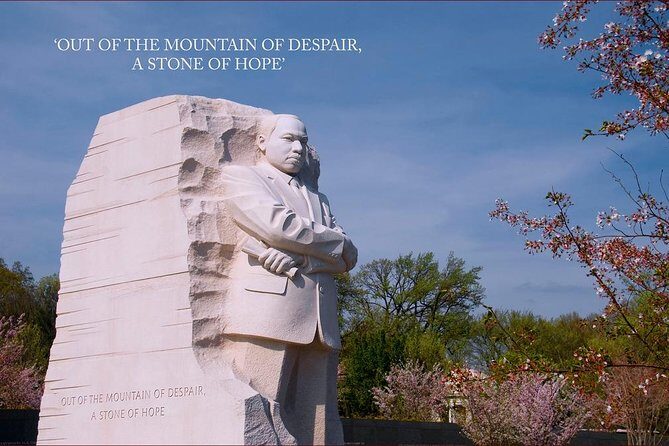
Martin Luther King Jr. Memorial (Photo Stop)
You start at the Martin Luther King, Jr. Memorial. It’s a powerful first stop because it sets the tone for the rest of the day, and it’s also ideal for photos early when lighting is often better.
Drawback to remember: at a memorial, it’s easy to feel rushed. With only about 15 minutes, think of this as a first look you’ll build on later if you want.
You can also read our reviews of more historical tours in Washington DC



Lincoln Memorial (Guided Stop)
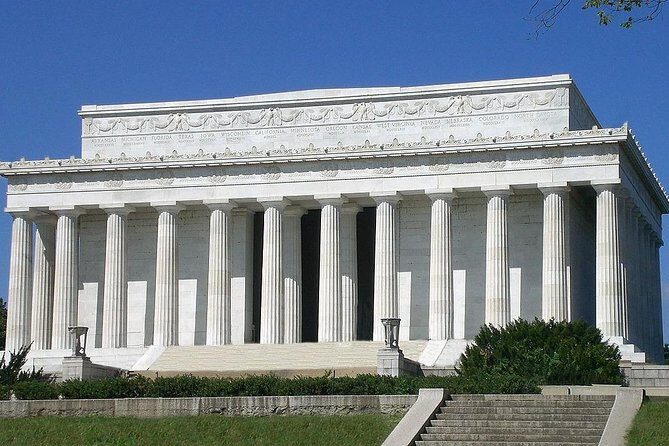
Next is the Lincoln Memorial, with a guided stop. This is where the guide can connect Lincoln’s legacy and the broader story of freedom and citizenship—making the stop more than just a famous backdrop.
Practical tip: be ready for a quick “why this matters” conversation, then keep moving. The point is to get the context fast so the rest of the route clicks.
Lincoln Park and the Mary McLeod Bethune Statue (Guided Stop)
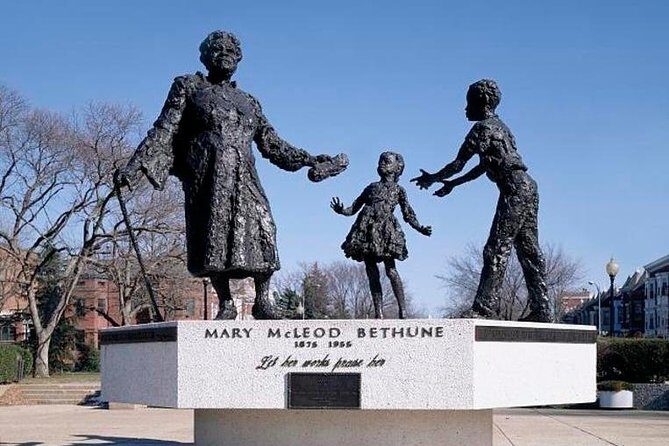
Then you’ll head to Lincoln Park to see the original Lincoln Memorial and the Mary McLeod Bethune Statue. This stop adds a layer many visitors miss: it’s a reminder that Black leadership and achievement belong in the same frame as the monuments and national narratives.
This is also one of the best “photo meets meaning” stops on the route—so don’t treat it like a random quick stop.
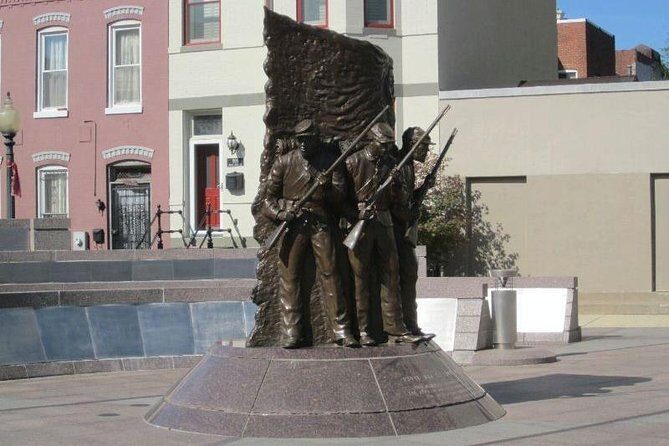
African American Civil War Memorial (Guided Stop)
The African American Civil War Memorial is next, with a guided view. It’s a quieter but important pivot point: you’re moving from memorials tied to later civil rights momentum to the earlier fight for freedom and recognition.
If your group likes history with strong specifics, this is often the stop where the guide’s storytelling becomes most memorable.
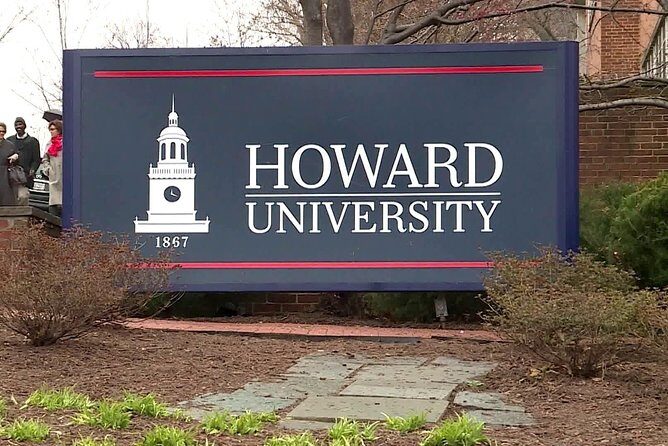
Howard University (Photo Stop)
You then pause at Howard University for photos. This matters because Howard is more than a campus you drive past—it’s part of the story of education, community leadership, and cultural influence.
With the time kept short, you’ll want to take a few photos that show the feeling of the place, not just one quick shot.
U.S. Capitol (Photo Stop)
Next is a photo moment at the U.S. Capitol. Seeing it from this route makes the day feel bigger, because you’re linking national political power to the people and movements pushing for change.
This stop is mostly about perspective—so use it to line up shots and then move on without waiting for a long talk.
Howard Theatre (Photo Stop)
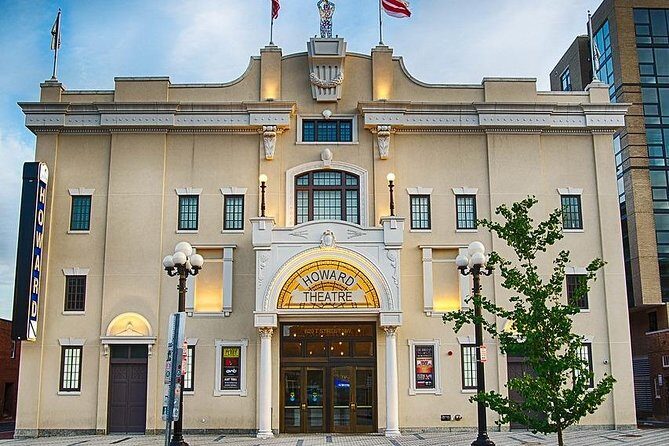
Then comes Howard Theatre. Together with Howard University and the surrounding corridor, it’s a stop that helps you understand cultural life—music, performance, and community spaces connected to Black America’s public story.
It’s also a nice rhythm break: you go from solemn memorials to a landmark tied to culture and everyday presence.
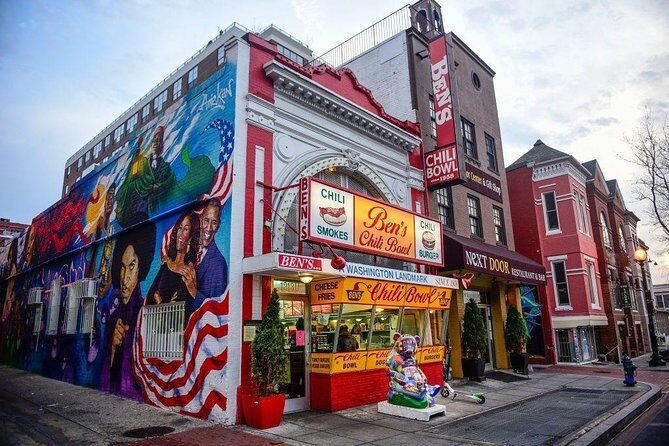
Ben’s Chili Bowl Mural (Photo Stop)
Your next photo stop is the Ben’s Chili Bowl Mural. This is one of those DC landmarks that feels instantly recognizable, but the guided framing turns it into more than a famous wall.
If your group likes a quick snapshot with context, this stop is a keeper.
National Museum of African American History and Culture (NMAAHC)
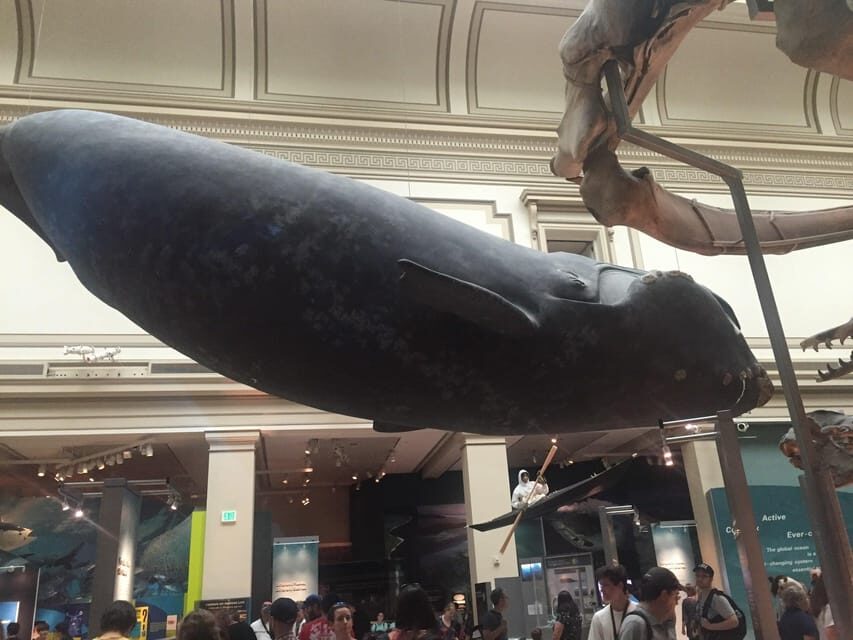
The final major stop is NMAAHC, where you explore inside with admission included. The time here is listed at about 15 minutes—so you’ll want to pick your priorities fast.
This is where the tour’s structure really shows value. You get into the museum experience without spending your morning sorting out tickets, and a guide helps you focus on the parts that make the museum feel connected to the landmarks you just visited.
How to Make 15 Minutes at NMAAHC Feel Like More
Fifteen minutes can be short in a museum, but it can also be perfect if you go in with a plan. Here’s how I’d do it:
- Decide on one theme you care about most before you enter (education, migration, civil rights, art, or military service).
- Look for the big visual anchors first, then use your remaining time for one or two deeper stops.
- Take one photo that shows you where you are, then let the rest be for reading and absorbing.
Because the museum entry is included, you can treat this as the start of your DC museum day, not the only museum you’ll ever do.
Howard University and the U Street Corridor: Why These Stops Matter
The itinerary keeps circling back to two big ideas: leadership through education and culture built in real neighborhoods.
Howard University connects to the legacy of an HBCU and the influence it has on education and culture. Then you carry that forward through the corridor stops, including Howard Theatre and Ben’s Chili Bowl Mural, which bring the story into the realm of performance and community life.
For me, that mix is what turns a list of famous sites into an actual route with direction. You’re not just collecting photos. You’re building a mental map of how DC’s Black community shaped the city’s cultural and national identity.
Transportation Comfort and the Little Things That Make a Difference
This is a private tour in an air-conditioned vehicle, with bottled water provided. That’s not glamorous, but it matters. When you’re moving through multiple locations in a few hours, comfort keeps you present.
In the reviews that shaped my sense of this tour, the vehicle quality and driving style came up more than once—one reason the tour feels calm rather than chaotic. You also get a mobile ticket, and the tour is offered in English.
One note for planning your day: the tour requires good weather. If weather is poor, the provider will offer a different date or a full refund, so you should keep an eye on forecasts as your tour date gets close.
Who This Tour Works Best For
This tour fits best if you want:
- A first-time DC orientation that still respects the weight of what you’re seeing
- A route that’s easy to follow without juggling multiple ride bookings
- A guided experience with strong conversation, not just a scripted walk-by
- A manageable timeline that avoids the all-day museum slog
It may be less ideal if your group wants long stays at each site. With frequent 15-minute segments, you’ll likely feel the pace.
You should also have a moderate physical fitness level, since you’ll be walking around outdoor sites and moving between stops.
Guide Spotlight: Why the Conversation Can Make the Day

Your guide is part historian, part translator of meaning. The name most associated with the positive experiences is Christopher Williams (often referred to as Christopher). People valued his mix of clear explanations, a friendly style, and the ability to answer questions as they come up.
That’s the real advantage of a good private guide: you don’t just hear facts. You connect the facts to what you’re seeing, and the day becomes easier to remember later.
There’s also a practical side. In the experiences shared, the tour’s driver-and-guide setup felt smooth—so you spend time with the stops, not fighting logistics.
Should You Book This Tour?
Book it if you want a tight, well-structured Black History tour that covers major memorials, campus and cultural landmarks, and an inside museum stop—without you having to plan the route like a logistics project.
Skip or supplement it if your top priority is spending a long, uninterrupted block of time inside museums or having lengthy, slow conversations at outdoor monuments. This tour’s strength is speed with purpose; it’s not built for hours at one site.
If you’re traveling with kids or teenagers, this also tends to work well because the route is varied—memorials, campus, and a museum in a short window—so attention stays active.
If you want, tell me your travel dates and group size, and I can help you decide whether the included NMAAHC timing and the 2–3 hour pace match your plans.
FAQ
What time does the tour start?
The tour starts at 9:00 am.
How long is the tour?
The duration is about 2 to 3 hours.
Is this a private tour?
Yes. It’s a private tour/activity, and only your group participates.
How much does it cost?
The price is $575.00 per group (up to 2).
Does the tour include hotel pickup?
Yes. Hotel pickup is included, and pickup is also offered from vacation homes like Airbnb.
Does the tour include admission to the National Museum of African American History and Culture?
Yes. Entry to NMAAHC is complimentary and included.
Are there admission tickets for the memorial stops?
The listed memorial and monument stops are shown as admission ticket free, while NMAAHC is included.
Is bottled water provided?
Yes. Complimentary bottled water is provided during the tour.
What happens if the weather is bad or I cancel?
The experience requires good weather. If it’s canceled due to poor weather, you’ll be offered a different date or a full refund. Free cancellation is available up to 24 hours in advance for a full refund.