REVIEW · HISTORICAL TOURS
National Archives & Museum of American History Guided Tour
Book on GetYourGuide →Operated by Babylon Tours DC · Bookable on GetYourGuide
You’re looking at America’s originals. This guided Washington DC combo tour strings together the founding documents and the stories behind today’s civic identity. You get the real “show up, see it, understand it” experience without waiting your turn at busy entrances.
I love that the tour focuses on the skip-the-line setup and then moves fast through the National Archives highlights. I also love the way it connects those papers to later history at the Smithsonian, including the Ruby Red Slippers and the First Ladies exhibit. The main drawback to plan around: there’s a moderate amount of walking, and it’s not the best fit if you have mobility limits.
In This Review
- Key things to know before you go
- Where the tour starts on Constitution Ave and why timing matters
- The National Archives Rotunda: Charters of Freedom, front-row context
- Declaration, Constitution, and Bill of Rights: what to look for
- George Washington’s Sword and the Star-Spangled Banner: symbols with a backstory
- Magna Carta at the Rubenstein Gallery: citizenship beyond the US-only story
- A break for food and thinking before the Smithsonian
- Smithsonian American History Museum: Fort McHenry to the National Anthem
- First Ladies exhibit plus Dorothy’s Ruby Red Slippers and Lincoln’s top hat
- What $166 per person buys you in this 5.5-hour history sprint
- Who should book this tour, and who might want a different plan
- Should you book it?
- FAQ
- Where do I meet for the tour?
- Does the tour include skip-the-line entry?
- How long is the experience?
- What are the main things you’ll see at the National Archives?
- What do you see at the Smithsonian American History Museum?
- Is food and drinks included?
- Are there limits on bags or luggage?
- Is the tour wheelchair accessible?
Key things to know before you go
- Skip-the-line entry uses a separate entrance so you lose less time early on.
- Small group size (max 8) keeps the guide’s attention on you, not just a crowd.
- Rotunda focus centers on the Charters of Freedom and the story of how the US formed.
- Magna Carta in the Rubenstein Gallery adds a useful “roots of citizenship” layer.
- Smithsonian pop culture meets politics via the anthem inspiration, First Ladies, and iconic artifacts.
Where the tour starts on Constitution Ave and why timing matters
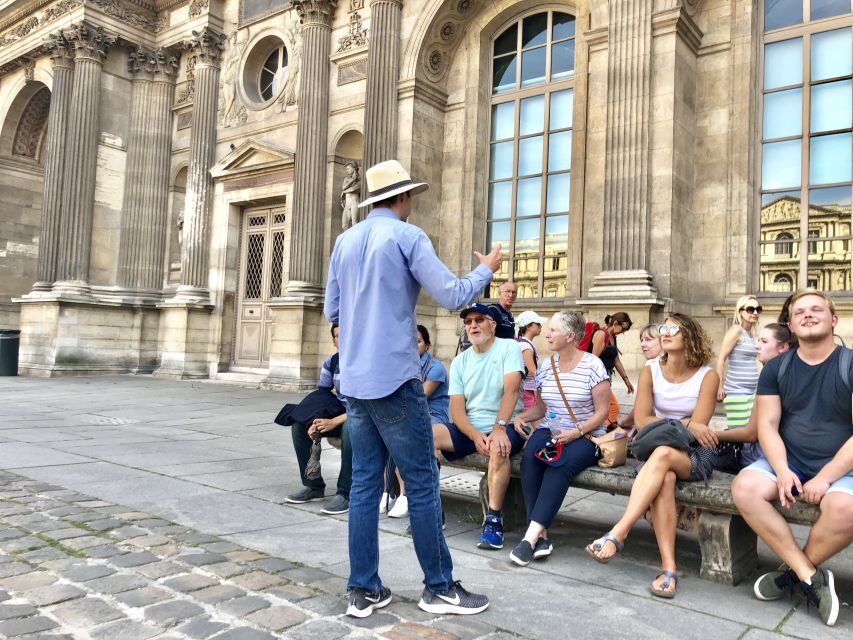
This is a 5.5-hour, two-museum guided day built around one key idea: get you into the most important rooms quickly, then help you make sense of what you’re seeing. You meet on the bottom of the front stairs of the National Archives Building on Constitution Ave. NW. From there, the guide keeps the pace practical, so you’re not spending your energy figuring out logistics while the day runs away.
Washington, DC museum lines and crowds can be brutal, especially for the National Archives. This tour solves that with a separate entrance that helps you skip the line. Even if you love going at your own pace, it’s hard to beat a guide-led plan when you want the top documents and top Smithsonian highlights without “wander and hope” time.
Also, the tour runs as a private or small-group experience (no more than 8 people). That matters because the sites themselves can feel overwhelming. With fewer people, you’ll get clearer explanations and more chances to ask what matters to you, rather than hearing only broad talking points.
You can also read our reviews of more guided tours in Washington Dc



The National Archives Rotunda: Charters of Freedom, front-row context
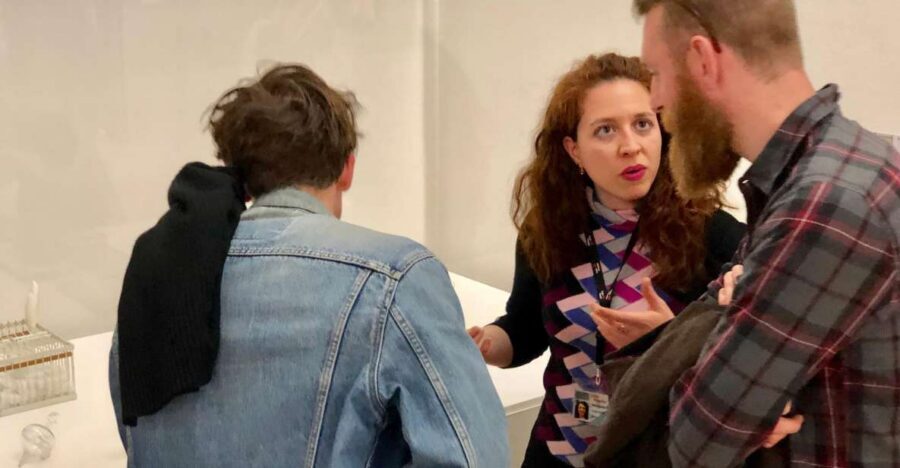
Your day begins with the National Archives’ signature setting: the Rotunda housing the original Charters of Freedom. The guide frames this space as more than a beautiful room. You’ll hear how the founding era wasn’t a tidy, one-day event. It was messy, urgent, and full of political compromise.
This is where you’ll start to see the documents as living objects. The original handwritten Charters matter because they force your brain to slow down. You’re not looking at a copy; you’re looking at the actual artifacts that shaped how the country told its own story.
A guided approach helps here. Without help, you can end up reading labels and moving on. With a guide, you’re more likely to notice the big ideas the exhibits are pointing you toward—like how the words of the founding were intended to organize power, rights, and belonging.
One more practical note: rooms inside museums may have rules about quiet or restricted talking. The guide will let you know what to follow so you can stay comfortable and respectful while still hearing the explanation.
Declaration, Constitution, and Bill of Rights: what to look for
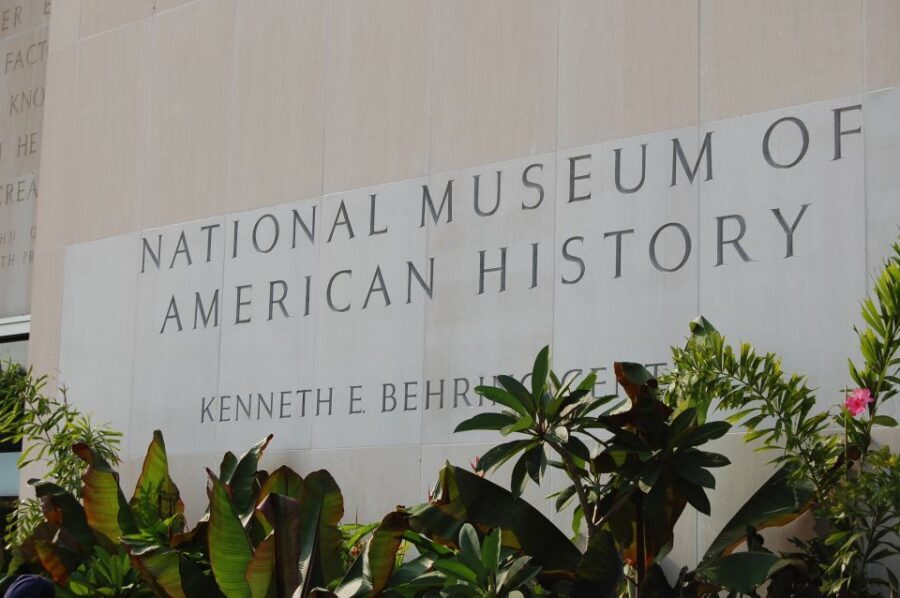
This tour doesn’t treat the National Archives like a checklist. It uses the big founding documents—starting with the original Declaration of Independence and then moving into the Constitution and the Bill of Rights—to connect words on parchment to real-world meaning.
Here’s the useful part for your visit: the guide doesn’t just say what each document is. You’ll get the why behind each one—how they responded to the political reality of their moment and how they influenced what the United States became.
At the Declaration of Independence, the guide will focus your attention on the famous line about all men being created equal and then use it as a conversation-starter for what “equality” has meant in practice. It’s not a comfortable talk, and that’s the point. The tour pushes you to see the documents as arguments and promises, not magic spells.
Then comes the Constitution and Bill of Rights. This section is valuable because these aren’t just legal items; they’re the machinery of everyday freedoms. If you’re the type who wants to understand how government affects your life, this is your moment. You’ll be guided toward the idea that rights and responsibilities are not static. They evolve as society argues, revises, and reinterprets.
George Washington’s Sword and the Star-Spangled Banner: symbols with a backstory

After you’ve grounded yourself in the founding documents, the tour adds powerful artifacts that carry emotional weight: the Original Star-Spangled Banner and George Washington’s Sword. These are the kind of objects that feel famous before you even see them, which can make it easy to skim.
A guide helps you avoid that. You’ll get the story of why these symbols mattered at the time they were used, and why they still matter now. You also get a sense of how nation-building relies on more than laws. It relies on identity—what people rally around when they’re uncertain, afraid, or hopeful.
The Star-Spangled Banner portion is especially strong when you later head to the Smithsonian, because the anthem connection becomes clearer. The tour sets you up so the Smithsonian artifacts don’t feel random. They feel like a continuation.
Magna Carta at the Rubenstein Gallery: citizenship beyond the US-only story
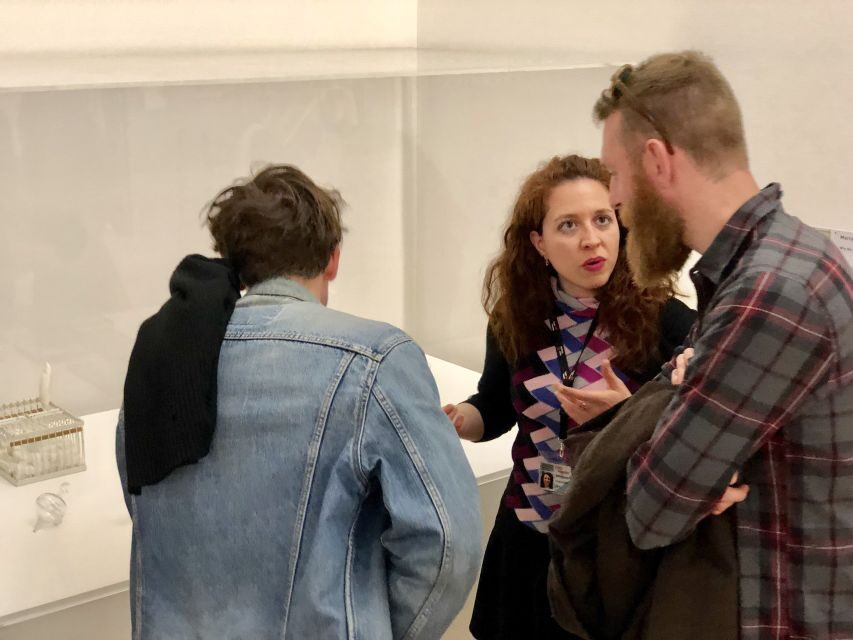
One of the tour’s smartest choices is adding the 1297 Magna Carta in the Rubenstein Gallery. You don’t have to be a law buff to get value from this stop. The guide connects Magna Carta to the evolution of the idea of citizenship—who counts, who gets included, and how criteria for belonging change over time.
Why this matters: people often treat American citizenship as if it appeared fully formed in 1776. The Magna Carta angle shows you a longer thread—earlier arguments about rights, limits on power, and the relationship between rulers and the ruled.
The guide encourages you to think about what citizenship means and how that meaning has shifted. That’s the kind of context that makes your later Smithsonian stops land better, because you start recognizing patterns: identity, rights, and belonging keep resurfacing in new forms.
You can also read our reviews of more historical tours in Washington Dc




A break for food and thinking before the Smithsonian
The day builds in time to pause. You’ll have a break to ponder the complexity of history (and grab a bite). This matters more than it sounds. After focusing on founding-era documents, your brain needs a gear change before pop culture and museum stories start flying at you.
If you’re hungry, plan to buy something nearby on your own. Food and drinks aren’t included. Pack water if you can, or plan to pick it up once you’re in the area. And yes, bring an umbrella and comfortable shoes. Washington weather loves to change its mind.
Smithsonian American History Museum: Fort McHenry to the National Anthem

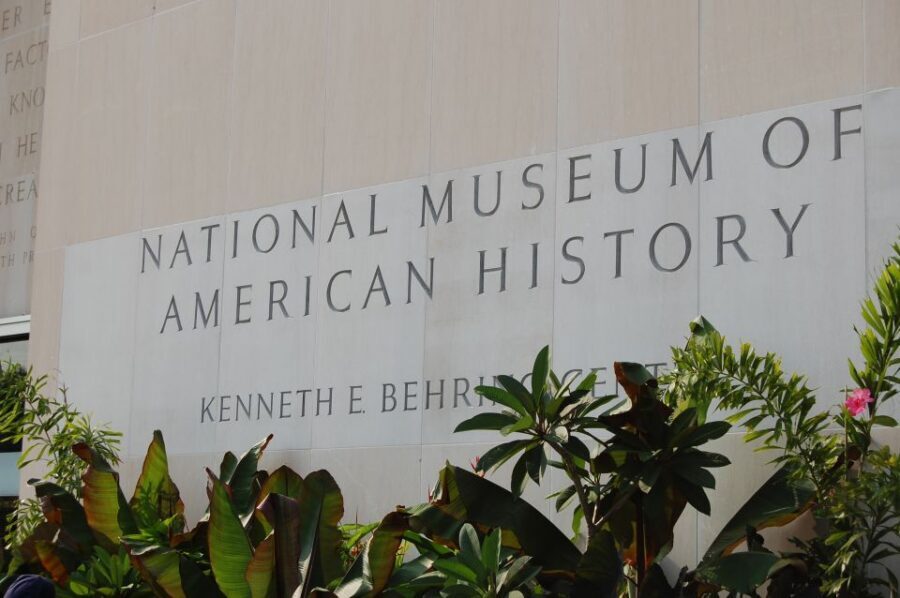
Next you head to the Smithsonian American History Museum, another major Washington DC anchor. Here, the guide helps you navigate the museum’s blend of scholarly history and pop culture. That mix can be tricky on your own, because it’s easy to get distracted by big displays and miss the connecting ideas.
The tour spotlights items that connect directly to national identity. A key example is the flag that flew over Fort McHenry. The guide ties that artifact to the poem that was eventually adapted into the National Anthem. Once you hear that story out loud, the anthem stops being a background noise fact. It becomes a piece of tangible history.
This portion is also a good reality check. It reminds you that national symbols often start with very specific moments: a place, a threat, a decision, and the public response afterward.
First Ladies exhibit plus Dorothy’s Ruby Red Slippers and Lincoln’s top hat
One of the most memorable parts of the day is the Smithsonian’s First Ladies exhibit, which the guide highlights as the most visited exhibition in the history of the Smithsonian. This is where the tour takes a surprising route: instead of only focusing on politics, it uses personal stories and iconic objects to show how public roles shape national conversations.
You’ll see why the most requested artifact includes Dorothy’s Ruby Red Slippers. The guide explains why these items act like living touchstones—objects that people recognize instantly and then use to talk about bigger ideas like identity and belonging.
And there’s a fun, meaningful detail here: the Ruby Red Slippers are displayed not too far from Abraham Lincoln’s top hat, which was worn the night to Ford’s Theatre. The guide’s job is to make that proximity feel intentional. It’s a reminder that history is always happening in layers. Popular culture, politics, and national myths overlap more than you’d expect.
If you like museums that connect emotions to events, this is the strongest section of the day. Even if you don’t care about all the First Ladies, you’ll likely appreciate how the guide uses the exhibit to show how the American public has historically narrated leadership through stories.
What $166 per person buys you in this 5.5-hour history sprint
At $166 per person for about 5.5 hours, you’re paying for three things: expert guidance, fast access, and two major museum experiences bundled together.
Is it expensive? It can be. But value in DC often comes down to time saved and understanding gained. The skip-the-line component alone is meaningful because the National Archives is one of those places where delays can ruin the flow of a half-day plan. Pair that with a small group (max 8), and you’re not just buying entry. You’re buying a guided framework so you understand what you’re looking at while you’re looking at it.
You’re also paying for focused selection. The tour is highlights-based, not a full museum marathon. Temporary exhibits are not included, so don’t expect to see everything. But if your goal is to hit the highest-impact artifacts with context, this price lines up with the kind of experience you’ll get.
Another value point: the tour is private or semi-private, with wheelchair tours available by request only. If you’re trying to keep the pace manageable with fewer people, this format helps.
Who should book this tour, and who might want a different plan
This is a great fit if you want to understand the founding of the United States without getting lost in facts. It’s especially good for you if:
- You want the big National Archives artifacts, not just photos.
- You like connections between political ideas and cultural symbols.
- You’d rather spend your limited DC time with a guide than self-navigate two huge institutions.
This may not be ideal if:
- You dislike walking and standing for long periods. The tour involves moderate walking.
- You have mobility limitations. The activity is marked not suitable for people with mobility impairments, even though wheelchair tours may be available by request. In other words, it’s worth checking fit closely before you commit.
- You want to linger in temporary exhibits or explore deep into every gallery. This is highlights-focused.
Also, note that museum closures can happen without warning from the museum management. The guide will provide an appropriate alternative if needed.
Should you book it?
If you’re planning a first trip to Washington DC and you want the National Archives plus the Smithsonian American History Museum without wasting time guessing where to go, this is an easy yes. The combination makes sense: founding documents first, then the continuing story of symbols, rights, and identity in later history.
Book this tour if your top goal is understanding. It’s built for that. If your top goal is total freedom and zero structure, you might prefer a self-guided approach. But for most people chasing maximum meaning per hour, this guided route is a smart value.
FAQ
Where do I meet for the tour?
Meet on the bottom of the front stairs of the National Archives Building on Constitution Ave. NW.
Does the tour include skip-the-line entry?
Yes. The tour includes skip-the-line entry through a separate entrance.
How long is the experience?
The duration is about 5.5 hours.
What are the main things you’ll see at the National Archives?
You’ll see the original Declaration of Independence, the Constitution and the Bill of Rights, plus the Original Star Spangled Banner and George Washington’s Sword. You’ll also visit the Charters of Freedom Rotunda and see a 1297 Magna Carta in the Rubenstein Gallery.
What do you see at the Smithsonian American History Museum?
You’ll visit highlights at the American History Museum, including the flag that flew over Ft McHenry, the First Ladies exhibit, and Dorothy’s Ruby Red Slippers. The tour also includes the connection to Abraham Lincoln’s top hat worn the night to Ford’s Theatre.
Is food and drinks included?
No. Food and drinks are not included, though there is a break for you to grab a bite.
Are there limits on bags or luggage?
Yes. Luggage or large bags are not allowed.
Is the tour wheelchair accessible?
Wheelchair tours are available by request only, but the activity is also marked not suitable for people with mobility impairments. If mobility is a concern, you should check fit with the provider.