REVIEW · DC FOOD TOURS
Little Ethiopia Food Tour
Book on Viator →Operated by Food Tour Corporation · Bookable on Viator
Little Ethiopia has a way of pulling you in fast. On this 3.5-hour walk through U Street and Shaw, you get multiple Ethiopian food tastings plus neighborhood context you won’t easily piece together on your own. I especially like how the tour leans into hole-in-the-wall spots where the food is the star, and how the guide shares stories with real cultural weight. The main drawback to plan for is that the route can involve a fair bit of walking between restaurants, so comfortable shoes matter.
If you want to eat more than one style of Ethiopian food, this is a strong use of an afternoon. You’re set up for everything from breakfast items and breads to meat and vegetable dishes, plus hot sauces and spice blends—and then the coffee ceremony and dessert usually land near the end.
At $71 per person for about 3 hours 30 minutes, it’s not a cheap snack stop, but it’s also not just paying for a meal. You’re paying for guided ordering, cultural explanations, and the chance to taste a spread you could spend a lot more trying to assemble solo.
In This Review
- Key highlights worth planning for
- Why Little Ethiopia works so well as a food tour
- Price and what you’re really paying for at $71
- The 3.5-hour route: what the day feels like from start to finish
- Stop 1: the meet-up that sets your food game plan
- Tasting stops you should expect: breakfast, breads, and the big Ethiopian staples
- Traditional breakfast foods and homemade breads
- Deep fried lentil appetizers
- The Ethiopian national dish (your guide selects the exact version)
- Traditional meat and vegetable dishes plus hot sauces and spice blends
- The coffee ceremony and dessert finish: don’t rush the last hour
- Guide style and group size: how the experience stays personal
- What to wear and how to handle the walking
- Food comfort and dietary needs: what you can control
- Who this tour fits best (and who should rethink it)
- Should you book the Little Ethiopia Food Tour?
- FAQ
- FAQ
- How long is the Little Ethiopia Food Tour?
- How much does it cost?
- What does the tour include?
- Are drinks included?
- Where does the tour start?
- What time does it start?
- How large is the group?
- What should I do if I have food allergies or dietary restrictions?
- Does the tour run in bad weather?
Key highlights worth planning for
- U Street and Shaw focus: you walk through a 19th-century neighborhood with a strong Ethiopian restaurant presence
- All tastings included: expect multiple food servings across the route, not just one sampler plate
- Coffee ceremony + dessert: the tour aims to finish with coffee and an Italian-influenced sweet
- Handmade sauces and spice blends: you’ll get to experience heat and flavor layers, not just one taste
- Small group size (max 12): easier conversation with your host, and a more personal pace
- Weather doesn’t stop it: it runs in all weather, so dress for the day you get
Why Little Ethiopia works so well as a food tour
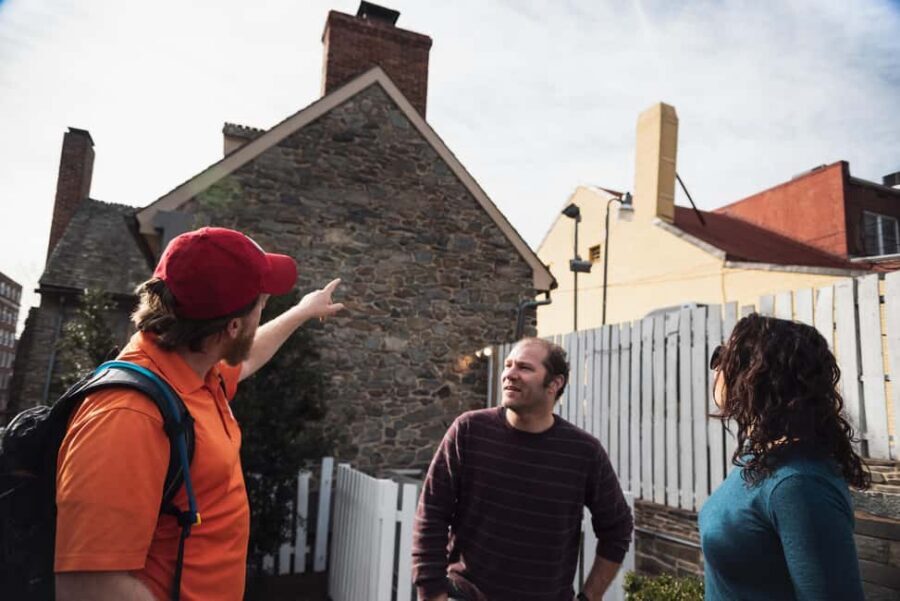
Little Ethiopia in Washington DC isn’t just a place to eat. It’s a neighborhood you can read, if someone helps you. This tour moves you through the center of Ethiopian life in the historic U Street and Shaw area, where the restaurant scene grew and kept going through tough odds—something your guide will connect to what you see and taste.
I like that the itinerary favors places that are built for food, not for photo backdrops. “Hole-in-the-wall” spots can sound like a marketing line, but here it’s really the point: you’re meant to taste what locals trust, served with the pride of a community that kept showing up.
And because it’s walking-based, you’re not stuck in one dining room. The neighborhoods you pass—blocks tied to African American history and the larger U Street corridor—add context without turning the tour into a lecture.
You can also read our reviews of more food & drink experiences in Washington DC


Price and what you’re really paying for at $71
Let’s talk value, because $71 can feel either reasonable or steep depending on what’s included. Here, the price covers food tastings and a tour escort/host, with the walking and explanations built in.
What’s not included is also important: drinks aren’t included unless specified, and you should plan on gratuity for the guide. If you’re the type who orders water only, you’ll likely find it more budget-friendly. If you tend to pair every stop with alcohol or specialty drinks, the final spend can creep up.
Still, $71 for a guided, multi-tasting meal around 3.5 hours is often fair, because you’re not just paying for food—you’re paying to avoid the guessing. Your host helps translate what to order, how to approach the flavors, and what each dish usually means in Ethiopian dining.
The 3.5-hour route: what the day feels like from start to finish
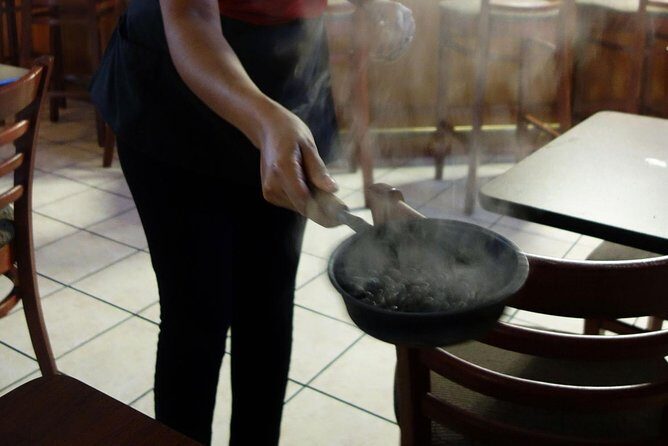
The tour starts at the U Street/African-Amer Civil War Memorial/Cardozo1240 U St NW area at 10:30 am and returns to the meeting point. That round-trip structure is handy: you don’t have to worry about a complicated end location after you’ve eaten enough for a small city.
The first step is a meet-and-greet at the DC Metro Food Tours area. Expect a quick orientation, plus a sense of the pacing—how long you’ll walk between stops and when the tastings will happen. From there, you’ll move through the neighborhood and hit multiple food moments.
One practical note from the experience profile: some departures may run with fewer restaurant stops, which can make the walking between them feel longer. If you have a low walking tolerance, go in prepared: bring comfy shoes, and don’t plan another big activity right afterward.
Stop 1: the meet-up that sets your food game plan
Your tour begins near U Street, at a very easy-to-find location tied to major landmarks. This is more than convenience. Being at a central spot helps the guide keep things organized when you’re doing multiple tastings, because the group can gather and get instructions without delays.
At the start, you’ll typically get a brief sense of how the evening’s flavor themes will flow—breakfast-to-dessert is common, and coffee ceremony often marks the end. That matters because Ethiopian meals often combine sour, savory, spicy, and starchy flavors in one experience, and knowing the order helps you taste each part more clearly.
Also, since the tour caps at 12 people, you should be able to ask questions early—especially if you’re picky about heat levels or textures.
Tasting stops you should expect: breakfast, breads, and the big Ethiopian staples
The tour is designed around tastings across a range of Ethiopian favorites. Your specific menu can vary, but the experience profile lists the kinds of items you may find.
You can also read our reviews of more tours and experiences in Washington DC






Traditional breakfast foods and homemade breads
Early tastings may include traditional breakfast items along with homeade breads and fresh cottage cheese. This is a great section of the tour if you want to understand Ethiopian eating beyond one “main dish.”
Why it works: breakfast foods and breads often show the foundation of the meal—how fermentation, grain texture, and dairy balance savory spices. If you’re new to Ethiopian food, starting here makes the rest easier to enjoy.
Possible drawback: if you’re not a breakfast person, you still get “breakfast energy” as part of the tasting lineup. Plan to eat normally beforehand only if you’re okay with a fuller lunch after.
Deep fried lentil appetizers
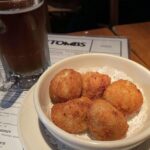
You may also get deep fried lentil appetizers. Lentils are central in Ethiopian cooking, and frying changes the texture game—crunch on the outside, dense comfort inside. This can be a nice palate reset between heavier meat/vegetable dishes later.
If you’re sensitive to oily or fried foods, tell your guide up front. You can still try, but you may want smaller tastes and water between bites.
The Ethiopian national dish (your guide selects the exact version)
The tour includes the Ethiopian national dish. Since the exact dish isn’t named in the tour info you provided, treat this as a choose-your-adventure moment. You’ll still get the cultural framing and tasting guidance, which is the real win here.
What you’ll likely notice is that national-dish tastings are often less about novelty and more about understanding identity. This is where the guide’s stories can really change the way you read flavor.
Traditional meat and vegetable dishes plus hot sauces and spice blends
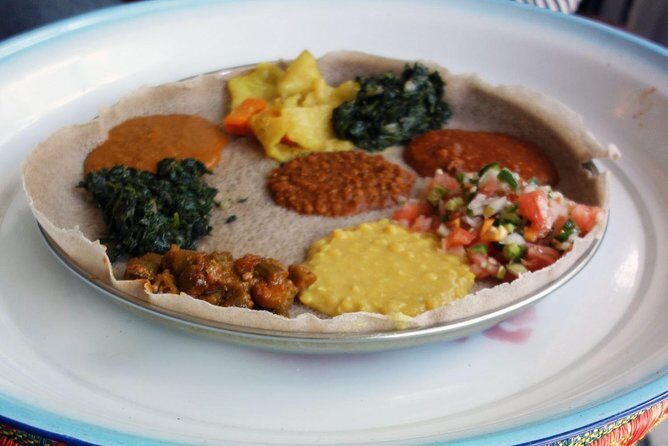
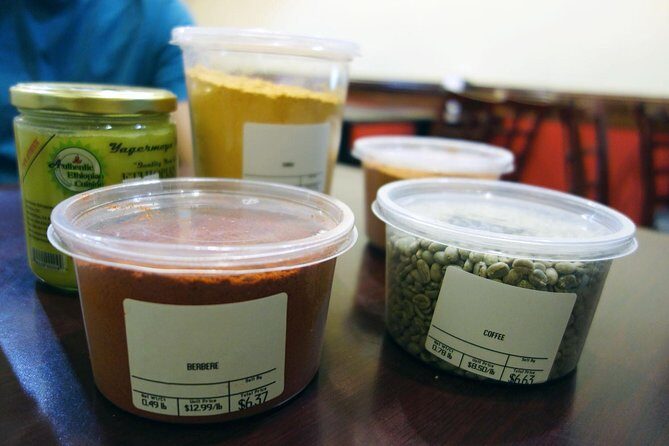
The menu may include traditional meat and vegetable dishes and handmade hot sauces and spice blends. This is the section for anyone who likes to taste multiple layers of heat and seasoning, rather than just “spicy” as a yes/no switch.
Practical tip: ask how the sauces are typically used—do you mix, dip, or add in small amounts? A guide can help you taste with intention instead of accidentally overwhelming your first few bites.
The coffee ceremony and dessert finish: don’t rush the last hour
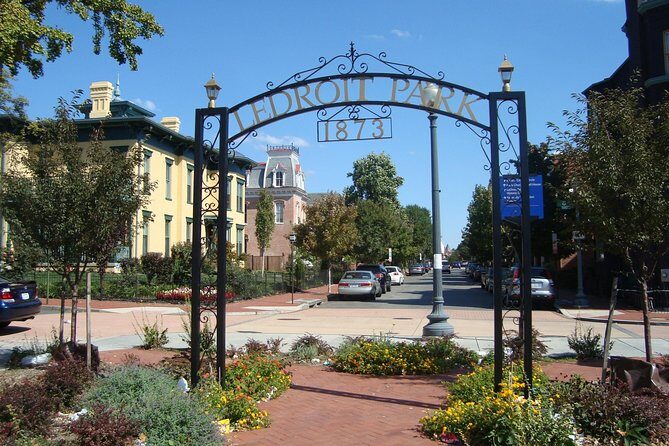
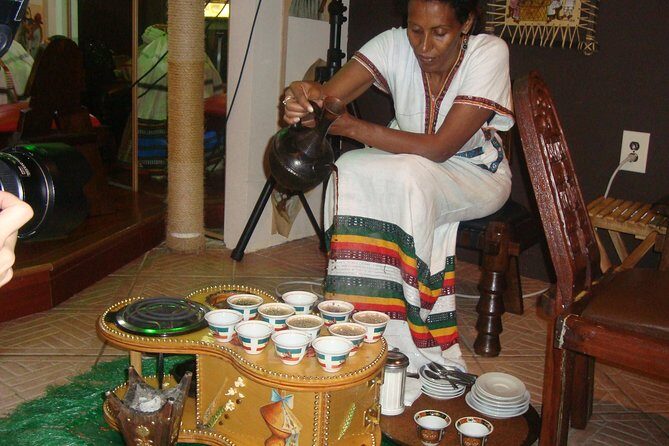
One of the most distinctive parts is the coffee ceremony, which often becomes the emotional landing spot for the tour. This isn’t just caffeine; it’s part of the social rhythm of Ethiopian hospitality, and having it inside a guided experience helps you understand what you’re seeing and why it’s done.
After that, there may be an Italian-influenced dessert. That combination—Ethiopian coffee ceremony followed by a sweet with Italian influence—is a reminder that food cultures travel and mix over time. It keeps the final course from feeling like a repeat.
If you’re the type to skip dessert, I’d still consider tasting a bite. The tour is built so that your last moments tie together the whole flavor arc.
Guide style and group size: how the experience stays personal
The tour limits groups to a maximum of 12 people per booking. That’s a big deal on a food tour. With a small group, you’re more likely to get direct answers, and it’s easier for the guide to adapt if someone needs pacing adjustments.
One guide name that comes up in the experience’s history is Christian, described as both knowledgeable and fun. Even without focusing on a specific person, the goal is clear: expect a host who can connect the food to the neighborhood and keep the tone light enough that you’re tasting, not cramming.
Also, a smaller group helps with one practical issue: questions. If you have allergies or dietary restrictions, you need a guide who can understand what you can safely eat. The tour says accommodations can only be made if restrictions are noted at booking, so don’t wait until you arrive.
What to wear and how to handle the walking
This tour operates in all weather conditions, so plan for sun, wind, rain, or a chilly U Street morning. Dress for the day, not just for the forecast you hope for.
For walking: because restaurant stops may be spaced out, you should expect periods where you’re just moving through the neighborhood. The tour can feel totally manageable if you pace yourself, but it can also get tiring if you’re wearing unsupportive shoes or carrying extra weight.
Quick self-check before you go:
- wear shoes you’d wear for a long museum walk
- bring a light layer you can adjust
- don’t schedule a tight “next appointment” right after
Food comfort and dietary needs: what you can control
The tour asks you to advise specific dietary requirements at time of booking and to list any food allergies/restrictions. The important part: accommodations are only possible if you note them in advance.
Also, the tour info says most travelers can participate, which is reassuring. Still, Ethiopian meals can include dairy, grains, and spice blends, plus fried items. If your restrictions are complex, you’ll feel better doing the legwork with the booking form rather than hoping for a last-minute substitution.
Drinks are not automatically included, so if you rely on certain beverages for your meal routine (non-dairy milk, caffeine-free options, etc.), bring a plan for what you’ll do between tastings.
Who this tour fits best (and who should rethink it)
This is a great match if you:
- want multiple Ethiopian tastes in one outing
- enjoy food tours that include neighborhood storytelling
- like small groups and a host who talks through what you’re eating
- are curious about Ethiopian coffee ceremony and spice flavors
It may be less ideal if you:
- hate walking between stops and want a very short restaurant-only route
- are very sensitive to fried foods or strong spices and don’t want to adjust
- prefer your meal fully custom with lots of dietary options beyond what you can note at booking
If you’ve never tried Ethiopian food, this tour is a smart first step because it covers a wide spread: breads, breakfast items, fried lentils, meat and vegetables, sauces, coffee ceremony, and dessert.
Should you book the Little Ethiopia Food Tour?
I’d book it if you want a guided, small-group way to eat your way across Little Ethiopia and come away understanding the neighborhood behind the flavors. The mix of tastings and the built-in coffee ceremony gives you more than a standard “three bites and done” experience.
Be sure to plan for the walking. If you’re the type who gets grumpy after 20 minutes on your feet, consider whether this tour’s stop spacing will feel okay for you. And if you have allergies or dietary restrictions, put those details in your booking right away so the tour can actually accommodate you.
FAQ
FAQ
How long is the Little Ethiopia Food Tour?
It runs for about 3 hours 30 minutes.
How much does it cost?
It costs $71.00 per person.
What does the tour include?
You get food tastings and a tour escort/host.
Are drinks included?
Drinks are not included unless specified.
Where does the tour start?
It starts at U Street/African-Amer Civil War Memorial/Cardozo, 1240 U St NW, Washington, DC 20009.
What time does it start?
The start time is 10:30 am.
How large is the group?
The tour has a maximum of 12 people per booking.
What should I do if I have food allergies or dietary restrictions?
You should list any food allergies/restrictions at the time of booking, because accommodations can only be made if they are noted then.
Does the tour run in bad weather?
Yes, it operates in all weather conditions, so dress appropriately.