REVIEW · DC FOOD TOURS
Washington D.C.: Taste of Georgetown Walking Food Tour
Book on GetYourGuide →Operated by Blue Fern Travel · Bookable on GetYourGuide
Georgetown bites come with real DC stories. On this 3-hour walking tour, you’ll get food tastings that are meant to feel like lunch, plus a guide who connects each stop to Georgetown’s big story, from Potomac trade to today’s restaurant mix. The small group size (limited to 8) makes it easy to ask questions, and guides such as Neka of Blue Fern Travel often bring the area to life with specific details.
One thing to plan around: this tour cannot accommodate vegan diets or people with dairy or gluten allergies. If you’re sensitive to lactase or gluten, double-check before you book—this one is built around standard restaurant menus.
In This Review
- Key points before you go
- Meeting at Green Almond Pantry and walking at a steady DC pace
- Georgetown’s “port days” show up in the route and the menu
- Canal-era tarts and the James Beard nominee moment
- Thin-crust pizza, meatballs, and why Georgetown attracts food lovers
- Turkish-spiced potatoes, gourmet olive oil, and bread that earns attention
- Falafel pita, marinated vegetables, and tahini that ties it together
- Crème brûlée, French influence, and a final stop at Brasserie Liberté
- Price and value: is $129 worth three hours of food?
- Who this Georgetown tour suits best (and who should skip it)
- Should you book the Taste of Georgetown Walking Food Tour?
- FAQ
- How long is the Georgetown walking food tour?
- What’s the walking distance?
- Where do I meet for the tour?
- How many people are in a group?
- Does the tour run in bad weather?
- What’s included in the ticket price?
- Does the tour include photos?
- Is the tour suitable for vegans?
- Are gluten or lactose allergies accommodated?
- Does the tour support a charity?
Key points before you go
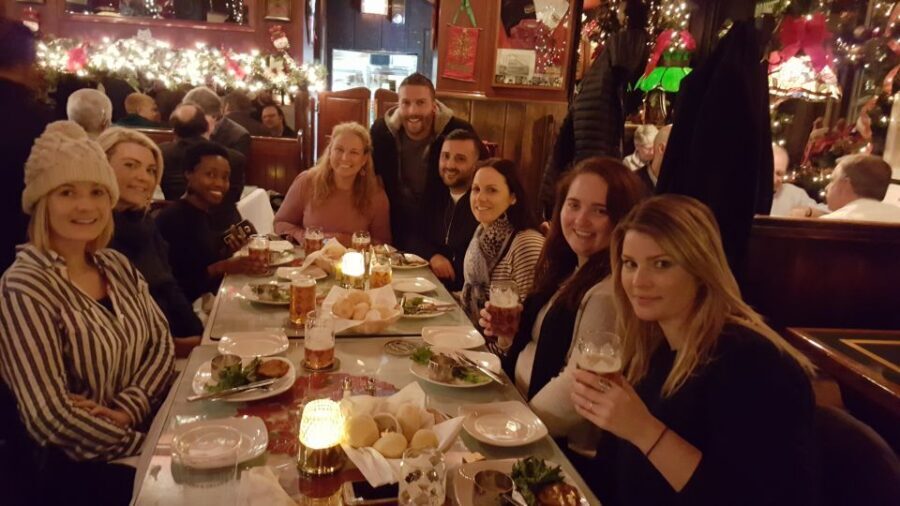
- Lunch-sized tastings across multiple stops, so you typically won’t need dinner right after
- Old Georgetown port history shows up in the route, including clues from canal and mill-era days
- French cuisine influence gets a spotlight, ending with a classic crème brûlée
- Photo stops with electronic photos taken by your guide during the walk
- Small groups of 8 keep the pace friendly and the questions coming
- A ticket donation supports Bread for the City, adding meaning beyond food
Meeting at Green Almond Pantry and walking at a steady DC pace
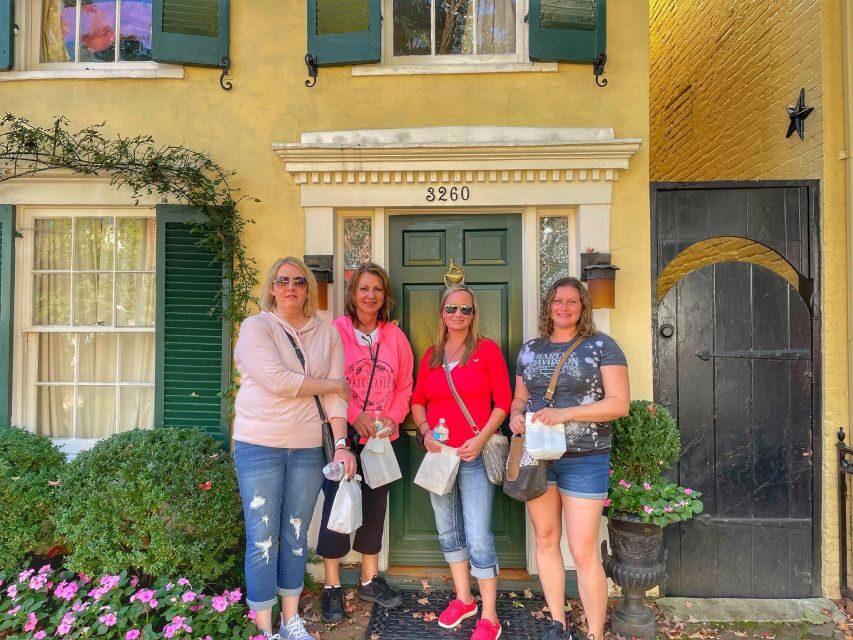
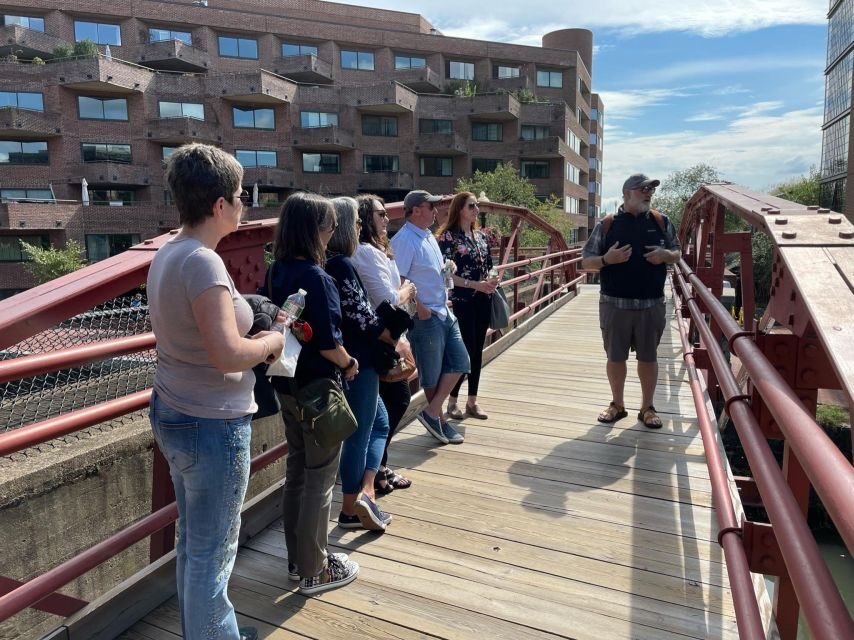
This tour meets at Green Almond Pantry (3206 Grace St NW area), then heads into Georgetown on foot. Plan on about 1.5 miles total over roughly 3 hours, so you’re not doing an all-day hike—more like a relaxed, food-focused strolling afternoon.
Bring comfortable shoes and dress for the weather. The tour runs rain or shine, which matters in DC because the forecast can flip fast, and you don’t want to be stuck in bad footwear or soaked clothes. Also, the route is built for sightseeing as you eat, so expect a mix of walking, short pauses, and photo moments.
The group stays small (up to 8). That’s a big deal for two reasons: you’ll hear the guide clearly, and you get more chances to ask why certain foods became popular here. If you’ve ever been on a big-group tour where the guide rushes to fit everything in, this format is the opposite.
You can also read our reviews of more walking tours in Washington Dc



Georgetown’s “port days” show up in the route and the menu
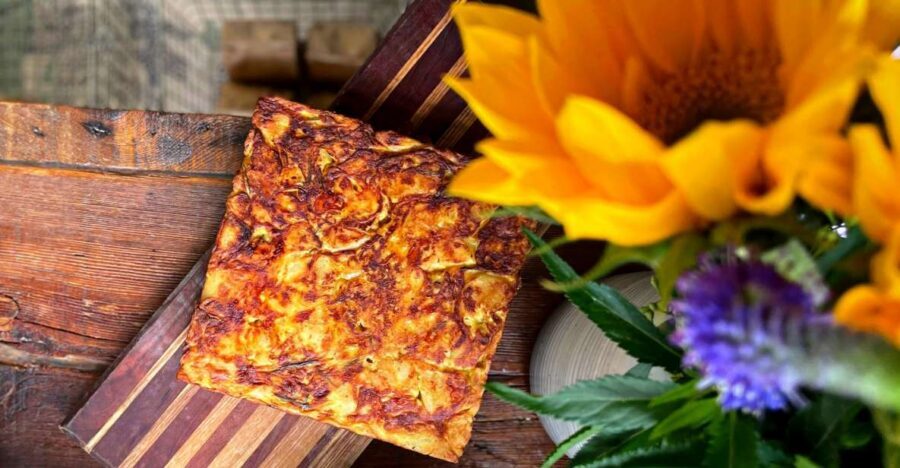
What makes this experience feel different from a standard food crawl is that Georgetown isn’t treated like a backdrop. It’s treated like the main dish.
Georgetown started as a thriving port, and the neighborhood still shows hints of that past—think canal-era transportation of goods and the working rhythm of old flour mills. Even when you’re standing in modern streets, the guide ties what you see to why the area grew: trade routes brought people in, goods moved through, and food became a way communities connected.
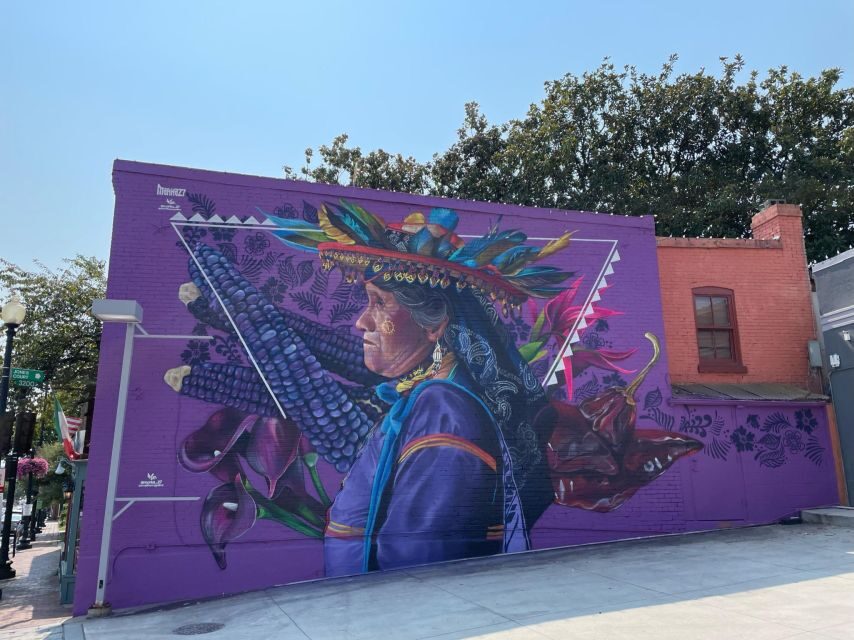
Then comes the shift. Georgetown transitions from a working port city to an elite enclave, but it doesn’t become culturally sterile. People from every continent and many religions lived here, and that mixture helps explain why the culinary scene can jump from French-style desserts to Mediterranean classics to Turkish-leaning flavors in the same afternoon.
If you care about “how neighborhoods become food neighborhoods,” this tour scratches that itch. You’re tasting the results, but you’re also learning the mechanism: migration, commerce, and changing class and commerce patterns shaped what ended up on plates.
Canal-era tarts and the James Beard nominee moment
One of the more memorable stops centers on a sweet bite from a James Beard nominee—tarts located near a canal that was once used to transport goods west. That pairing matters. You’re not just eating pastry because it’s tasty; you’re eating it in the context of a place that used to be all about moving supplies and people.
Tarts are also a smart food-tour choice. They’re easy to portion, they highlight ingredients, and they let you compare textures and sweetness as the tour goes on. If your goal is to sample widely without feeling like you’re forcing huge meals, this kind of start fits.
The possible drawback is also simple: if you have a strong aversion to pastry or desserts, you might find this portion less satisfying than a savory-only tour. But for most people, it sets a nice rhythm—light enough to keep you hungry for what comes next.
Thin-crust pizza, meatballs, and why Georgetown attracts food lovers
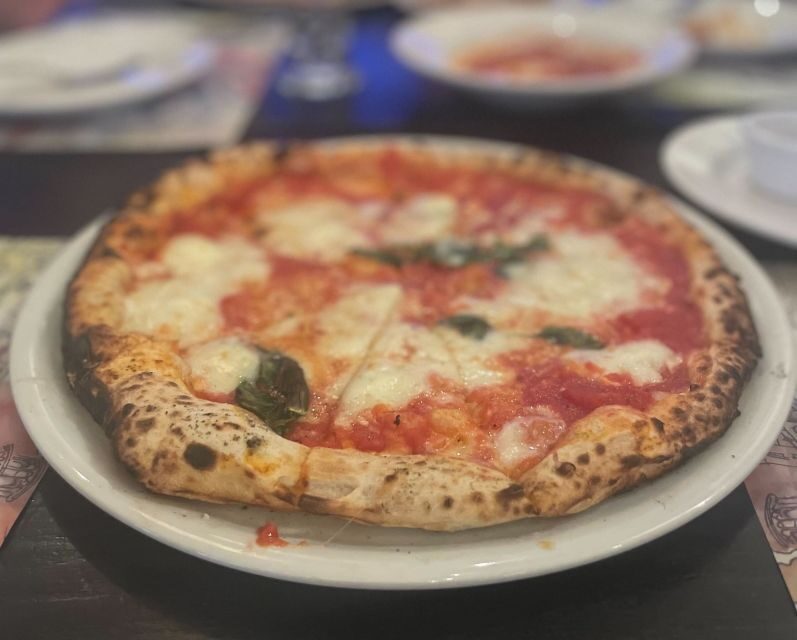
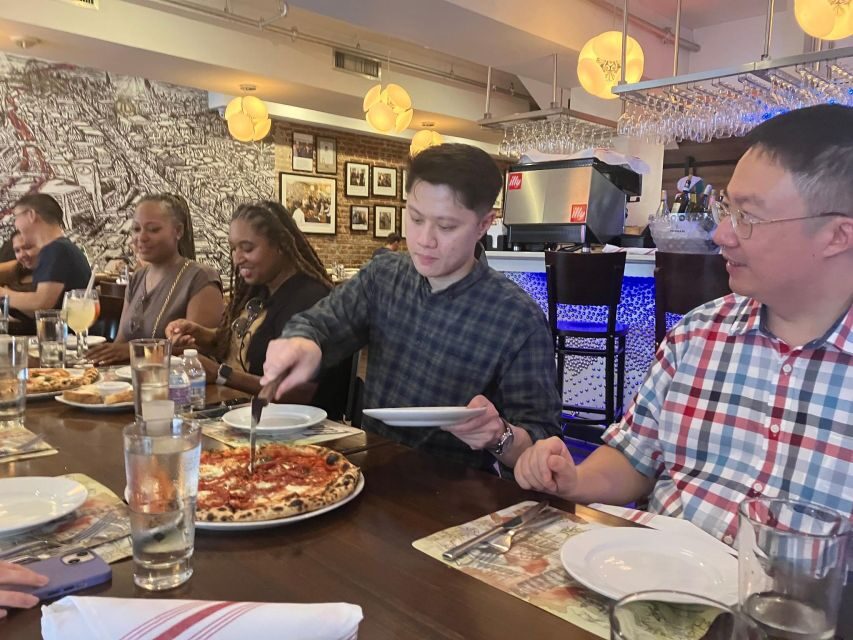
Next, the tour leans into the kind of comfort food that makes Georgetown feel like more than just historic streets. You can expect an award-winning thin-crust, VPN-style pizza tasting, plus other savory hits that may include meatballs.
Pizza works well on a walking tour because it’s share-friendly and repeatable. You can pay attention to the details—crust texture, sauce balance, topping style—without needing a full dinner plate. And Georgetown’s food story fits pizza too: the neighborhood’s blend of cultures shows up in how modern eateries adapt classic recipes with local tastes.
If you’re the type who likes to understand why a place is popular, the guide usually gives you more than “this is great.” The stories behind restaurants and ingredients are part of the package, and that turns a bite into a small lesson.
One consideration: if you’re watching your calories, this is not a diet-friendly tour. Portions are described as generous, and several stops are designed to feel like a full meal. The upside is value; the downside is you’ll want to skip a heavy dinner after.
Turkish-spiced potatoes, gourmet olive oil, and bread that earns attention
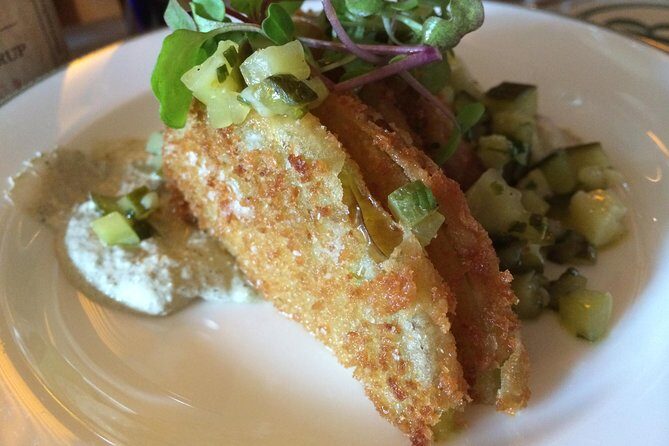
A standout run includes savory tastings such as potatoes and egg with Turkish spices and gourmet olive oil served with freshly baked bread. These are the kinds of flavors that show Georgetown’s “in-between” character—close to European tradition, but shaped by Middle Eastern and Mediterranean influences too.
Why I like this part for your experience: it adds variety. After earlier bites like pastry, you get warming, spiced flavors that feel substantial but not heavy. Potatoes and egg are comforting, and the Turkish-spice angle gives you a new flavor pathway rather than repeating the same profile.
Then the olive oil and bread stop can be one of those “how is bread this good” moments. It’s a reminder that on a food tour, sometimes the simplest food is where the quality shows. Pay attention to how the oil is presented and how the bread is served—small details often matter.
If you’re sensitive to dairy, this section could be tricky depending on how the bread and dishes are prepared. Since dairy and gluten allergies aren’t accommodated, I’d treat this tour as off-limits if those ingredients are a safety issue for you.
You can also read our reviews of more food & drink experiences in Washington Dc




Falafel pita, marinated vegetables, and tahini that ties it together
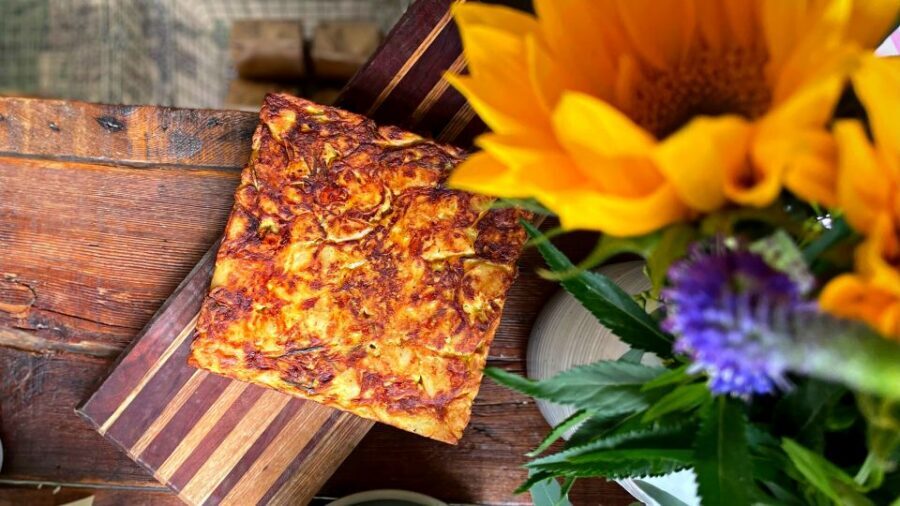
Another core tasting described is falafel pita with marinated vegetables and stellar tahini. This is where you see Georgetown’s cultural layering in a way that’s easy to understand: migration and community networks shaped what people cooked, sold, and shared.
Falafel is also a smart choice for a walking tour. It’s filling, it travels well in portion size, and it has enough flavor complexity to keep you interested. The tahini matters because it brings a creamy, nutty finish that balances the spices and adds richness without needing a dessert palate.
This stop often helps connect the dots from earlier history. Georgetown wasn’t just a port for goods; it was a port for people. The result is an “everybody’s food is somebody’s favorite” kind of neighborhood—so your tasting lineup can feel like a map of who ended up here and what they carried with them.
If you don’t like chickpeas or sesame-forward flavors, this may not be your favorite. But if you enjoy Middle Eastern flavors, it’s one of the most satisfying parts of the tour.
Crème brûlée, French influence, and a final stop at Brasserie Liberté
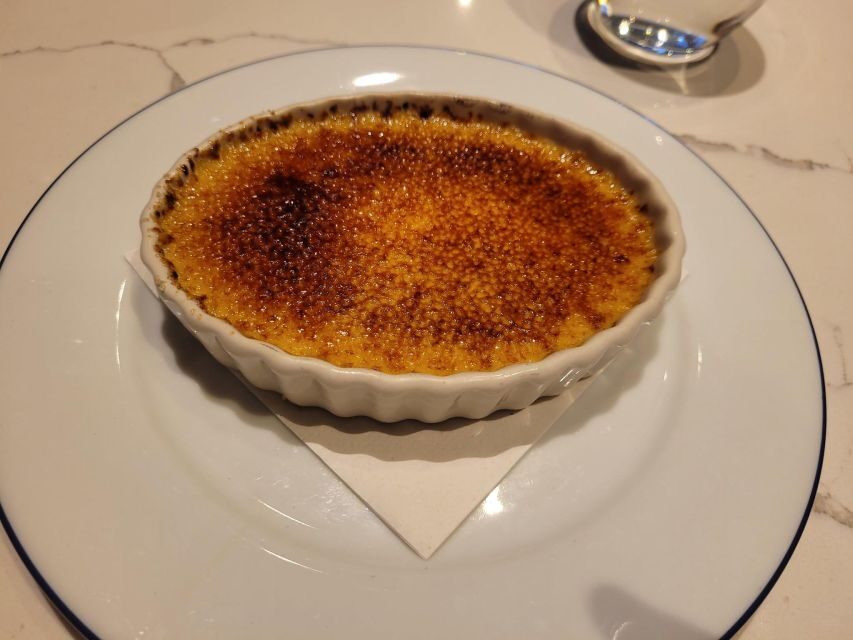
The tour’s French connection lands in a sweet way: you’ll savor crème brûlée while learning about the strong French influence in Georgetown. Crème brûlée is built for food tours because it gives you multiple textures in one bite—the crisp top and creamy center—and it’s easy to compare across servings.
Then you finish at Brasserie Liberté. Ending at a recognizable restaurant is useful, because it gives you a natural place to reorient. After three hours of walking and sampling, you’ll probably want a moment to sit, recharge, and decide what to do next.
One small planning tip: since you’re tasting across several stops, you may not feel like eating another full meal after you’re done. I’d plan lighter for the rest of your afternoon or evening, especially if you tend to get stuffed easily.
Price and value: is $129 worth three hours of food?
At $129 per person for about 3 hours, this isn’t a budget snack walk. It’s priced like a curated experience.
So where does the value come from?
- Multiple restaurant tastings that are described as generous and meant to cover lunch
- A guide who ties the food to the neighborhood’s evolution, including Georgetown’s port-to-enclave shift
- Photo moments with electronic photos taken during the tour
- A donation to Bread for the City, so part of what you pay supports hunger relief
Is it steep? Some people feel that way, especially if you’re used to cheaper group tours. But if you like the idea of tasting widely in a single outing and getting context for what you’re eating, it can feel like paying for both lunch and a walking lesson.
If you’re going on an odd day or with picky eaters, you’ll still get a lot of food, but not every stop will match every taste. Plan based on your own “tastes good even if it’s new” comfort level.
Who this Georgetown tour suits best (and who should skip it)
This is a great fit if you:
- Want a 3-hour activity that combines walking, food, and history without being exhausting
- Like tasting multiple cuisines in one afternoon, including Mediterranean-style and French classics
- Enjoy small groups where the guide can answer questions
It’s a poor fit if you:
- Need a vegan option, or you must avoid dairy and gluten. This tour can’t accommodate those needs.
- Don’t handle walking well, or you expect a sit-down dining schedule. You’ll be on your feet for a total of about 1.5 miles.
Also, if you’re the type who dislikes sweets, note that the tour includes a crème brûlée stop and a pastry/tart element. You can still enjoy the savory parts, but the tour is designed with dessert included for a reason.
Should you book the Taste of Georgetown Walking Food Tour?
I’d book this tour if you want a focused Georgetown experience that feels like food plus place. The setup is designed for real sampling, and the neighborhood context makes the tastings more interesting than just eating your way through a few restaurants. The small group size and photo stops add extra comfort.
I wouldn’t book it if you need vegan-friendly meals or have dairy/gluten restrictions that could affect safety. And if you’re looking for something light and brief, this is built to feed you, not graze.
If your plan is “see Georgetown and eat like you mean it,” this is a solid choice.
FAQ
How long is the Georgetown walking food tour?
It lasts about 3 hours.
What’s the walking distance?
The walk covers approximately 1.5 miles over the 3-hour duration.
Where do I meet for the tour?
Meet at Green Almond Pantry (3206 Grace St NW).
How many people are in a group?
The tour is limited to a small group of 8 participants.
Does the tour run in bad weather?
Yes, it operates rain or shine.
What’s included in the ticket price?
You get tastings at local restaurants in Georgetown, water, a walking tour, and a tour guide.
Does the tour include photos?
Yes, it includes electronic photos taken by your guide during the tour.
Is the tour suitable for vegans?
No. The tour cannot accommodate vegan diets.
Are gluten or lactose allergies accommodated?
No. It cannot accommodate those with gluten intolerance or lactose intolerance.
Does the tour support a charity?
Yes, a portion of the ticket is donated to Bread for the City.