REVIEW · GHOST & GEORGETOWN TOURS
The History of Black Georgetown
Book on Viator →Operated by Off the Mall Tours · Bookable on Viator
Georgetown has a second story. This black history-focused walking tour traces how enslaved and free Black lives shaped the neighborhood. You’ll walk past major landmarks, including Georgetown University, while learning about the slave trade that took place at the port.
I especially like the small-group feel and the way the guide paces the facts without rushing. I also love that you get real, place-based details—names, buildings, and sites tied to specific people and communities, from Patrick Healy to Emma Brown.
One thing to consider: you’ll be on your feet for about 2 to 2.5 hours, and the tour relies on good weather, so plan for cool mornings or a warm sun if skies hold.
In This Review
- Key highlights worth planning for
- The point of this Black Georgetown tour (and why it’s worth your time)
- Start at 3206 O St NW: Healy Hall and Patrick Healy’s Georgetown
- Pomander Walk (Bell’s Court): alleyway community life in Washington DC
- The Thomas Sweet break: where the tour gives you a breather
- 3146 O St NW holding pens: when buildings explain the system
- Emma Brown’s home: education as a form of leadership
- Mount Zion United Methodist Church: older roots and faith-based community
- Rose Park and the cemeteries: political organizing and lasting memory
- Your guide and group size: why the experience feels personal
- Timing, weather, and what to bring for a smooth 2–2.5 hour walk
- Price and value: is $30 a good deal for DC history?
- Who should book this Black Georgetown walking tour?
- Should you book? My take
- FAQ
- How long is the Black Georgetown walking tour?
- How much does the tour cost?
- Where does the tour start?
- Where does the tour end?
- Is the tour offered in English?
- What’s included in the tour price?
- Is coffee or tea included?
- How large is the group?
- Does the tour require good weather?
- Is there a cancellation window?
Key highlights worth planning for
- Healy Hall and Patrick Healy: Georgetown’s only Black president is tied to a gothic landmark you’ll see up close.
- Pomander Walk’s earlier life: Bell’s Court (owned by Alexander Graham Bell) connects to the idea of tight alley communities.
- A mid-tour break at Thomas Sweet: built in time for refreshment and a bathroom stop.
- O St NW holding-pen history: row houses were used as holding pens for the enslaved.
- Mount Zion roots: one of Georgetown’s oldest Black congregations is part of the walk.
- Rose Park and the cemeteries: political gathering ground plus the oldest cemetery in Georgetown with remains of enslaved and free Black citizens.
The point of this Black Georgetown tour (and why it’s worth your time)
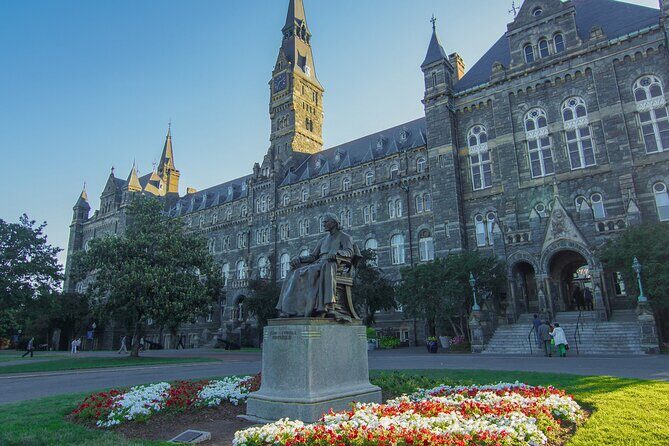
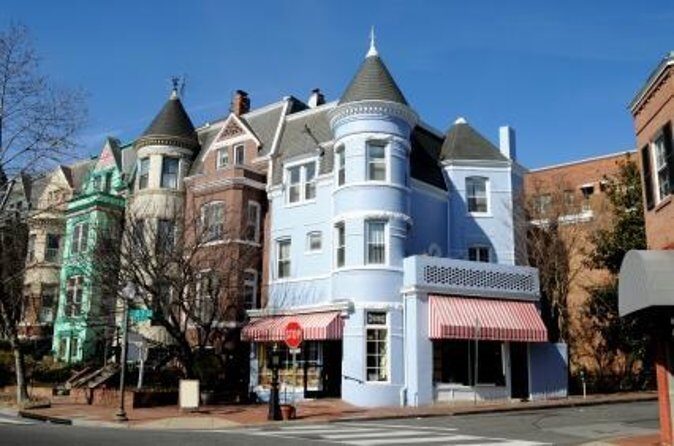
Georgetown looks sleek from afar—brick, trees, and the kind of views you see on postcards. But this tour shows you the neighborhood as it actually was for Black residents: people living, teaching, worshipping, organizing, and also enduring the systems that profited from human trafficking.
That’s the value. You’re not just hearing big, vague history. You’re moving through the town where the story happened. You’ll also hear how the past links to Georgetown’s institutions—especially Georgetown University—rather than treating Black history as a side note.
And it’s not all heavy. The tour includes a structured break so you can reset halfway through, which helps a lot when you’re covering real topics in real places.
You can also read our reviews of more historical tours in Washington DC



Start at 3206 O St NW: Healy Hall and Patrick Healy’s Georgetown

You begin at 3206 O St NW, where Healy Hall dominates the scene. This gothic-style building was built at the direction of, and named for, Patrick Healy, Georgetown University’s only Black president.
What I like about starting here: it forces you to widen the frame immediately. Georgetown didn’t become Georgetown only through famous lawmakers and powerful donors. It also had Black leadership tied to its own major institutions—something many visitors miss when they only associate the area with politics.
Practical tip: use the first stop to get your bearings. The guide’s early explanation sets the rhythm, so the later sites hit harder instead of feeling like random facts dropped on a sidewalk.
Pomander Walk (Bell’s Court): alleyway community life in Washington DC

Next you head to Pomander Walk. The key historical hook here is that it used to be Bell’s Court, owned by Alexander Graham Bell.
The tour connects this alleyway setting to the broader reality of Washington DC’s neighborhood pattern—tight, close-knit communities where people could live their lives with neighbors nearby. That detail matters. It helps you see Black Georgetown not just as a place of tragedy, but also as a place of community, everyday resilience, and shared space.
A possible drawback: Pomander Walk is narrower than some of the bigger streets you’ll be walking on later. If you’re sensitive to crowds or tight sidewalks, keep that in mind during busy times of day.
The Thomas Sweet break: where the tour gives you a breather
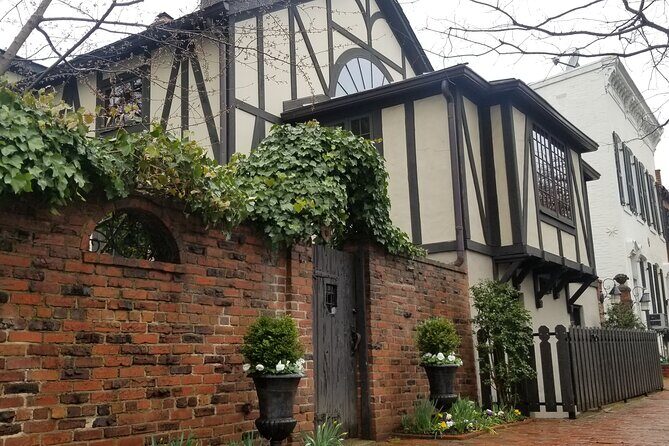
About halfway through, you pause at Thomas Sweet for refreshment and a bathroom break. This is a smart design choice. Two to two and a half hours of walking plus serious history can wear you out, so the stop helps you keep your energy for the tougher material later.
What to know: coffee and/or tea are not included, so if you want that perk, you’ll likely need to buy it there. I’d treat this as your chance to top up your water too—then you’re ready for the next stretch without rushing.
3146 O St NW holding pens: when buildings explain the system
At 3146 O St NW, the tour turns uncomfortable in the most important way. The row houses at this address were used as holding pens for the enslaved.
That’s the value of a walking tour like this. In a museum, you can stare at an artifact behind glass. Here, you stand where people were held. The guide also shares that the pens were torn down by an Irish entrepreneur who had spent their childhood as an indentured servant in the West Indies.
This is one of the stops where your brain starts connecting timelines. You’re seeing how “real estate” and “property” language can mask violent human systems. Even if you’ve heard slavery history before, the physical location makes it feel less abstract.






Emma Brown’s home: education as a form of leadership
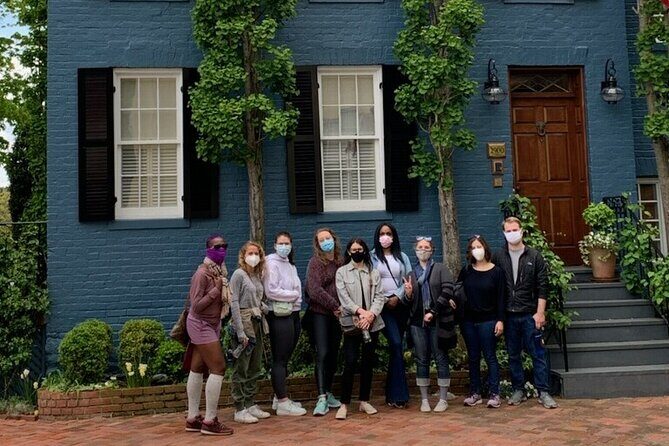
The tour also includes the house of Emma Brown, one of the first Black teachers in Washington DC to reach the level of Principal.
This stop shifts the tone from survival and coercion toward advancement and influence. When you learn that someone held a leadership position in education, it changes how you think about the community’s goals. It wasn’t only about enduring harm; it was also about building institutions and shaping futures.
If you like history that includes people you’d like to remember—not just what happened to them—you’ll probably appreciate this part of the walk a lot.
Mount Zion United Methodist Church: older roots and faith-based community
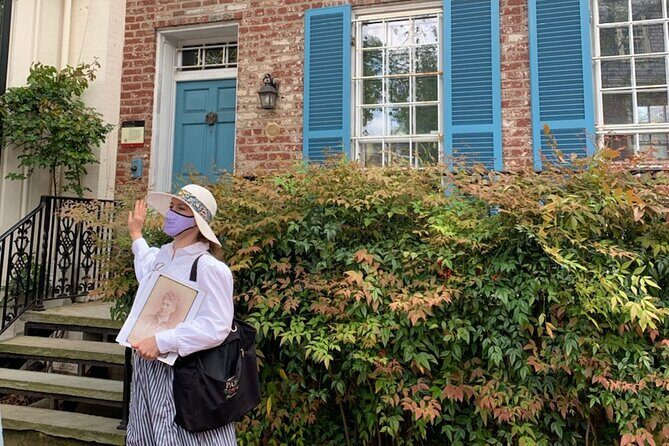
At 1332 29th St NW, you’ll visit Mount Zion United Methodist Church, which the tour describes as one of the oldest Black congregations in Georgetown.
Church history in DC isn’t just about architecture or tradition. It’s about gathering, support networks, organizing, and continuity—especially when other systems blocked access to power elsewhere. Seeing this church after learning about educators and community spaces helps the story feel connected instead of chopped into separate topics.
Tip for your experience: if you want to ask questions, this is a great time. It’s a natural moment to connect the guide’s background themes—community building, leadership, and organizing—back to what you’re seeing in front of you.
Rose Park and the cemeteries: political organizing and lasting memory
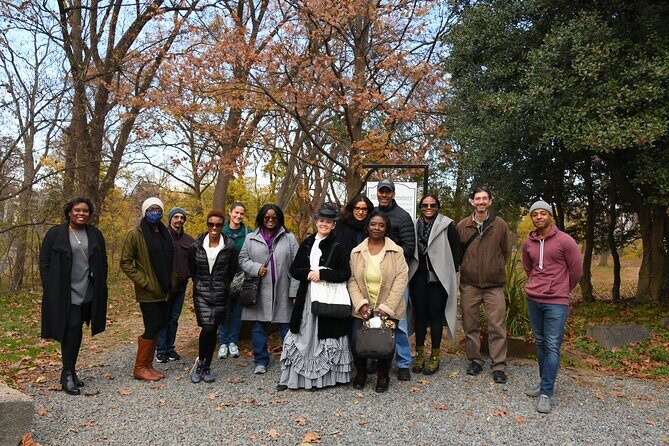
The walk continues to Rose Park, described as the site of numerous political rallies and community gatherings for the Black community in Georgetown.
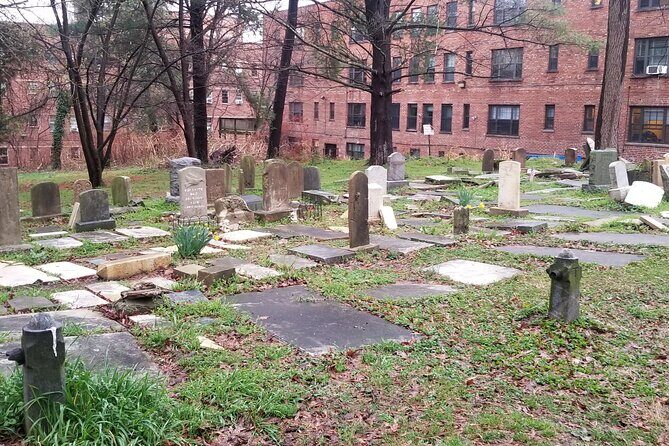
Then you finish at the Mount Zion and Female Union Band Society Cemeteries. The tour notes that this is the oldest cemetery in Georgetown, and it contains the remains of enslaved and free Black citizens.
This closing pair is powerful because it holds two truths at once:
- People organized and pushed for political voice right where they lived.
- Their memories and bodies remain tied to the same ground, even as neighborhoods changed.
If you’re prone to getting emotional on history tours, know that the final stop is where that energy tends to peak. It’s not a performance moment; it’s a remembrance moment.
Practical note: because you’re outdoors, wear shoes that can handle uneven sidewalk patches. You’re not doing a long hike, but you do have steady walking.
Your guide and group size: why the experience feels personal
This tour is capped at a maximum of 20 travelers, and it’s run as a private tour experience, which is a big deal for how the time feels. Instead of listening to a monologue while you trail behind, you get more room for questions and a pace that matches the group.
On the guide side, the name that comes up most clearly is Katie. The feedback emphasizes her strong knowledge, friendly manner, and good pacing, with extra details added in without taking over the whole walk.
What this means for you: if you’re the type who likes to ask, or you want the tour to feel more like a conversation than a lecture, this setup usually works well.
Timing, weather, and what to bring for a smooth 2–2.5 hour walk
Plan for 2 hours to 2 hours 30 minutes. That’s a realistic window for a walking tour that includes multiple stops plus a bathroom/refreshment break.
Because the tour requires good weather, you should watch the forecast and dress accordingly. In DC, you can go from mild to chilly fast, and rain can turn sidewalks into a slip-and-slide situation.
What I’d bring:
- Comfortable walking shoes (you’ll be on sidewalks for the full route)
- A water bottle
- A small bag for basics since coffee/tea isn’t included
- A light layer you can manage if the temperature swings
And if you’re traveling with a service animal, the tour allows them. The tour also calls for moderate physical fitness level, which usually means normal walking ability rather than athletic stamina.
Price and value: is $30 a good deal for DC history?
The price is $30 per person for a tour that runs about 2 to 2.5 hours and includes over 2 hours of historic information from an experienced guide.
For DC, that’s strong value when you compare it to costs of transit plus museum entry plus the time you’d need to self-teach in between. Here, you’re paying for guided interpretation—someone connects each site to people and themes, and you don’t have to guess what you’re looking at.
Also, because it’s a small-group private experience with a maximum of 20 people, you’re not stuck feeling like one face in a crowd.
One practical note: this tour is typically booked around 47 days in advance on average, so if you have a specific date in mind, earlier planning can save you stress.
Who should book this Black Georgetown walking tour?
I’d steer you toward this tour if:
- You want Washington DC history that includes Black neighborhoods as the story, not just occasional mentions.
- You like tours where you can see how leaders, institutions, and everyday community spaces relate to each other.
- You appreciate a guide who talks with pacing and adds the kind of details that make a neighborhood feel real.
It’s also a good match if you’ve visited Georgetown before and felt like your previous trips focused only on the famous headlines. This walk reframes the neighborhood around people like Patrick Healy and Emma Brown, plus sites connected to holding pens, congregations, rallies, and cemeteries.
If you’re looking for a casual, mostly scenic stroll, you might find the content heavier than you expected. But if you want the real Georgetown, this is one of the more direct ways to get it.
Should you book? My take
Yes—if you’re open to learning a harder chapter of Georgetown’s past while also seeing how Black communities organized, taught, worshipped, and left a lasting physical imprint.
The biggest reasons I’d book it:
- You get a focused route with specific places tied to named people and clear themes.
- The guide approach is built for understanding, not just showing up for a photo.
- The small-group, private feel helps you ask questions and absorb it better.
If weather is questionable, weigh that against your schedule. But when conditions are decent, this is a thoughtful, place-based way to understand Georgetown beyond the postcard version.
FAQ
How long is the Black Georgetown walking tour?
The tour runs about 2 hours to 2 hours 30 minutes.
How much does the tour cost?
It costs $30.00 per person.
Where does the tour start?
The start location is 3206 O St NW, Washington, DC 20007.
Where does the tour end?
The tour ends at Mount Zion and Female Union Band Society Cemeteries, 2501 Mill Rd NW, Washington, DC 20007.
Is the tour offered in English?
Yes, it’s offered in English.
What’s included in the tour price?
You get over 2 hours of historic information from an experienced guide.
Is coffee or tea included?
No. Coffee and/or tea are not included.
How large is the group?
The tour has a maximum of 20 travelers.
Does the tour require good weather?
Yes. If it’s canceled due to poor weather, you’ll be offered a different date or a full refund.
Is there a cancellation window?
Yes. You can cancel for a full refund up to 24 hours in advance of the experience start time.