REVIEW · MUSEUMS
National Portrait Gallery and American Art Museum Tour: 8ppl Max
Book on Viator →Operated by Babylon Tours DC · Bookable on Viator
This tour turns museum labels into stories, and it starts in a building that used to be a Civil War hospital. I love the small group size of no more than eight, because you can ask questions instead of getting rushed. I also love how the guide connects the art to human moments like Walt Whitman treating wounded soldiers, but you should know the museums can have occasional closures without warning, with limited options if that happens.
If art history ever felt like homework to you, this is where it clicks. I love the way Meghan, the guide, breaks down what you’re seeing and adds context you would miss from the wall text, including thoughtful attention to women artists and the stories behind them.
In This Review
- Key things that make this tour worth your time
- A small-group tour that actually fits inside two and a half hours
- Why this National Portrait Gallery setting hits harder than you expect
- Portraits, politics, and the people behind them
- American Art Museum: from impressionists to modern experiments
- How the pace works for first-time museum walkers
- Practical stuff you’ll want to know before you go inside
- Who this tour suits best (and who might want a different style)
- Should you book this National Portrait Gallery and American Art Museum tour?
- FAQ
- FAQ
- How long is the National Portrait Gallery and American Art Museum tour?
- How many people are in the group?
- What language is the tour offered in?
- Where do we meet, and where does the tour end?
- Is admission included?
- What should I prepare for museum security and entry?
- What if the museum is closed or delayed?
Key things that make this tour worth your time
- Max eight people keeps the pace calm and questions welcome
- Walt Whitman’s Civil War tie-in makes the Portrait Gallery feel personal, not just educational
- Meghan’s added context helps you read famous works fast
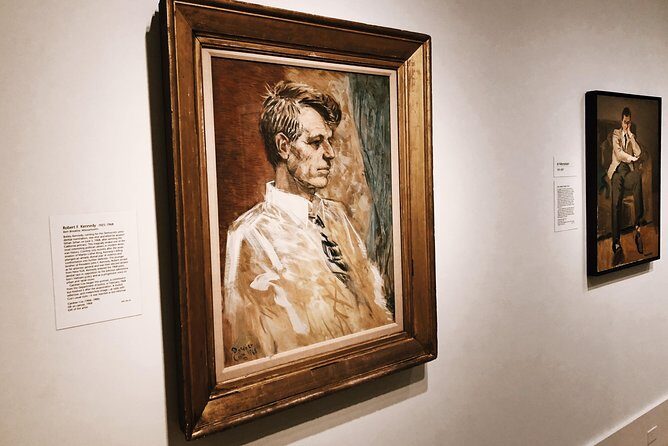
- Major American names like Mary Cassatt, Georgia O’Keeffe, Edward Hopper, and David Hockney all show up
- Depression-era government photography and an Obama portrait add a modern political thread
- Quiet-room rules inside some galleries mean you’ll need to lower your voice
A small-group tour that actually fits inside two and a half hours
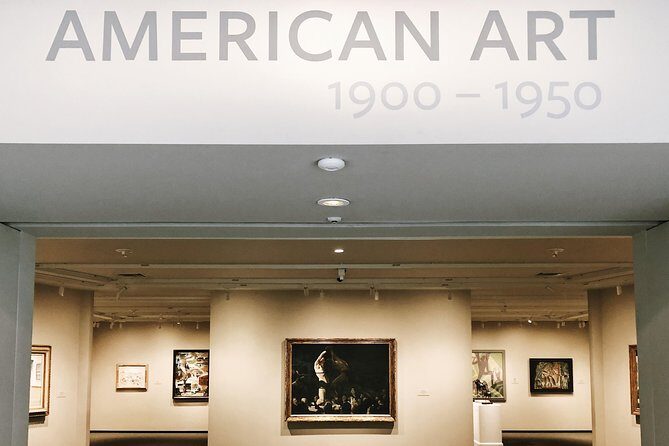
Washington, DC has big museums. Big museums can make you wander, squint, and miss the best parts. This tour is designed to avoid that problem. You get a professional guide leading you through two major spaces—starting at the National Portrait Gallery and then continuing into the American Art Museum—while staying within a total 2.5-hour time frame.
The other big win is the group size: 8 guests maximum. In practice, that means you’re not just another body in the crowd. It’s a format where you can ask, react, and get quick explanations before you move on. The tour runs in English, and it’s a good fit if you want guided help without feeling trapped in a rigid script.
You’ll also be glad the tour includes museum entry (it’s listed as admission ticket free). At $89.67 per person, you’re paying for the guide and the small-group approach more than for the ticket itself. If you’ve ever spent $30 on admission and then stared at art without understanding what mattered, you’ll likely feel like this is paying for the missing layer.
You can also read our reviews of more museum experiences in Washington DC

Why this National Portrait Gallery setting hits harder than you expect
This is not just a pretty museum stop. The National Portrait Gallery occupies a building with serious Civil War-era roots, and that shapes how the portraits land in your brain.
The space ties back to a time when the building served as a Civil War Era hospital. Poet Walt Whitman tended to wounded soldiers there, and a portrait in the gallery today continues that commemoration thread. That context changes how you look at faces on the walls. You’re not only reading names and dates—you’re also feeling why this type of public portraiture mattered so much in the first place.
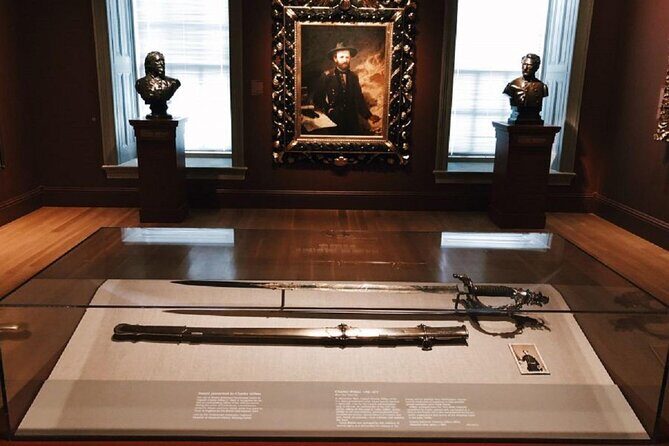
And it’s not stuck in one era. The gallery connects early art exhibition history as far back as 1829, then moves through a long sweep of American identities. You’ll see portraits that recall leaders and the chain of political history—think presidential portraits and first ladies—alongside Civil War figures like Grant and Sherman. The mix helps you understand that American portrait galleries are basically nation-building machines. They tell you who counted, and how the story was presented.
Portraits, politics, and the people behind them
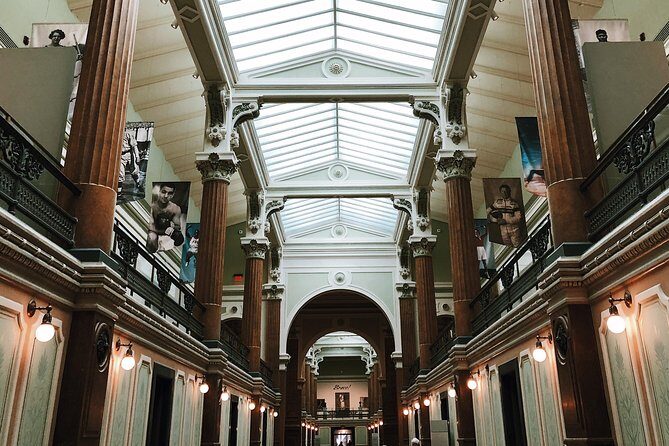
Once you’re in the Portrait Gallery galleries, you’re guided through an impressive range of subject matter. The core idea is simple: portraits aren’t just about who looked important. They’re about how America chose to remember itself.
You’ll spend time with an assortment of paintings and photographs, plus 19th-century daguerreotypes. That matters because daguerreotypes are early photography—so you’re seeing the United States documenting itself at the moment new technology changed how images could circulate. Even if you’re not a photography nerd, the guide’s explanations help you notice what makes those early images feel different from later portrait styles.
The tour also pulls in theme threads that go beyond presidents:
- portraits of great women and men who shaped the United States
- references to the Robber Barons era
- the presence of Suffragettes
- and other key individuals across the country’s short but big-history timeline
This is where the small-group format helps. You’re not just looking. You’re being taught how to read the story being told—who’s shown, what kind of power is being signaled, and where the narrative is heading.
American Art Museum: from impressionists to modern experiments
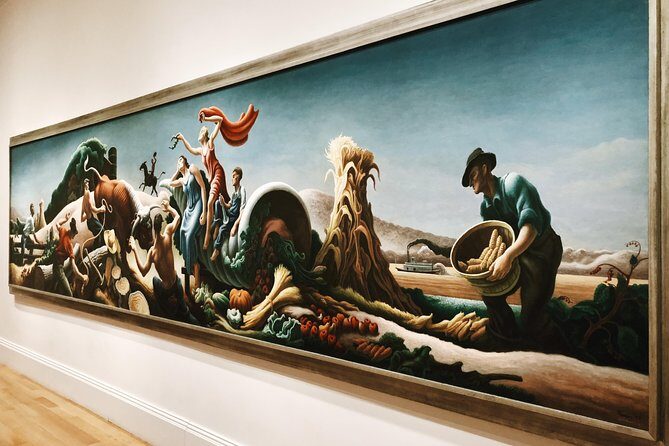
After you’ve started anchoring yourself in the Portrait Gallery, the tour keeps moving through American art in the American Art Museum.
This part is especially good if you tend to get stuck on one style. You’ll see a timeline that jumps across movements and moods. For example, Mary Cassatt is included, and she’s tied to the Impressionist movement. Then the tour fast-forwards to Georgia O’Keeffe—especially known here through her provocative flower imagery. If you’ve only seen O’Keeffe in textbooks, a guided walk through her work helps you feel why people argued about it back then and why it keeps catching new eyes.
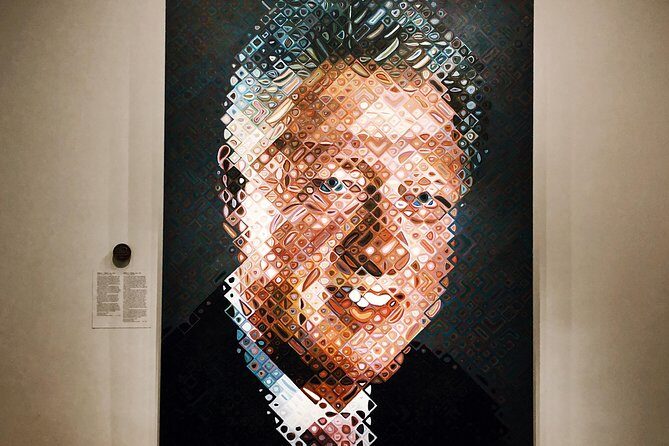
You’ll also encounter government-linked photography from the Great Depression. That’s a strong pivot because it shifts the conversation from art as personal expression to art as public messaging. And yes, you’ll see a curious portrait of former president Obama, which gives the tour a modern emotional contrast: you go from images shaped by crisis-era programs to images of contemporary political leadership.
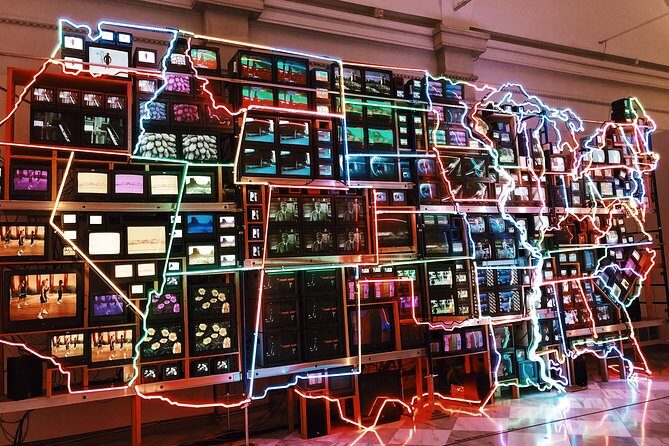
Then come two heavyweight names—Edward Hopper and David Hockney—before the tour moves into more experimental and contemporary art. This is one of the smartest parts of the format. Contemporary work can feel vague if you come in cold. The guide sets up how the pieces fit into America’s continuing story, so you’re not left thinking you missed a key reference.
How the pace works for first-time museum walkers
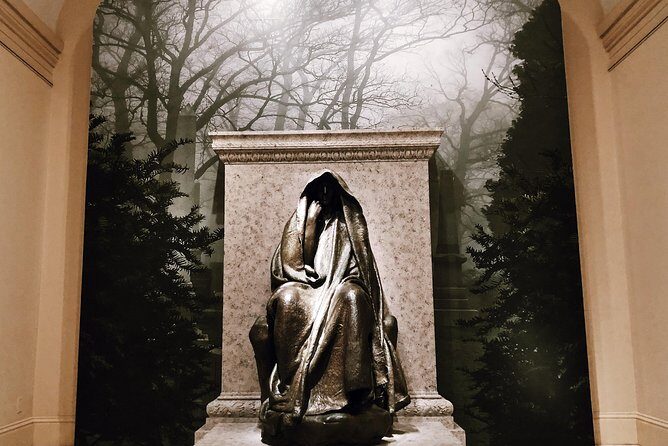
The tour runs starting at 1:30 pm and lasts about 2 hours 30 minutes. That timing is convenient if you’re already in DC and want culture without burning a whole day. It also means you’re likely to hit the best highlights without getting exhausted.
Here’s what I think makes the pace work: the guide is giving you context along the way, not saving it all for the end. That keeps you from wandering with that frustrating feeling of seeing a lot but learning little. The group size helps again—people can ask real questions, and the guide can adjust without the classic big-tour problem of one person talking while the rest silently freeze.
One practical note: museums have security, and sometimes that creates slow moments. The tour info flags that increased security can cause lines, even when a tour offers skip-the-line style access. So if you’re the type who plans to sprint from museum to museum, consider adding a little buffer to your day.
Also, you’ll want a moderate physical fitness level. This is a museum walking experience, so wear comfortable shoes and expect some standing time. Nothing extreme is described, but your legs will do work.




Practical stuff you’ll want to know before you go inside
This tour asks for a few small preparations that can save you stress.
1) Meeting point and where it ends
You meet at the National Portrait Gallery at 8th St NW & G St NW, Washington, DC 20001. The tour ends back at the same meeting point.
2) Mobile phone number
You must provide a mobile phone number (including country code). That’s important because your confirmation and coordination depend on it.
3) Bag and security rules
Security is strict. No large bags or suitcases are allowed inside. You can bring a handbag or small thin bag pack through security. If you’re used to touring with a bigger daypack, consider downsizing for this one.
4) Dress
Appropriate dress is required for entry to some sites on the tour. The tour doesn’t specify a dress code, so I’d stick to neat, comfortable clothes without anything overly casual.
5) Quiet or restricted rooms
Some specific rooms have a rule about quiet (and in some cases a restricted right to speak). The guide will tell you before entering those areas. In other words: treat those rooms like libraries. It’s not a vibe killer; it just helps everyone enjoy the art without distraction.
6) Possible closures
The museums can have occasional closures without warning. If a delay happens beyond 1 hour from tour start time, the operator says it will provide an appropriate alternative, but refunds or discounts aren’t available in those cases. This is rare, but it’s worth knowing so you don’t build your whole afternoon around a perfect schedule.
Who this tour suits best (and who might want a different style)
This tour is best for people who like art but also want help making sense of it. If you enjoy famous names—Hopper, Hockney, O’Keeffe, Cassatt—you’ll get a strong set of anchors.
It’s also a great match if you like group structure, but still want interaction. A maximum of eight people means you’ll likely hear your guide clearly and catch explanations as you go.
I’d be a little cautious about booking if you:
- hate guided tours and prefer total self-direction
- need total quiet time (because explanations and group movement are part of the experience)
- are traveling with bulky luggage and don’t want to deal with bag rules
On the other hand, if you’re the kind of person who stops at a painting, reads the label once, and then wonders what you’re supposed to notice—this format is built to solve that exact problem.
Should you book this National Portrait Gallery and American Art Museum tour?
If your goal is to see two major Smithsonian-style stops and leave with real understanding—not just photos—then I think this is a strong choice. For the money, you’re getting a professional guide, admission ticket free, and a small group of 8 that makes the explanations practical.
The biggest reason to book is the way the guide connects details to meaning. Meghan’s approach (including her attention to context and women artists) is exactly what makes a portrait gallery more than an inventory of famous people. And the way the tour moves from Whitman’s wartime setting to Depression-era government imagery and then into more contemporary work is a smart way to show how American art keeps reinventing how it tells stories.
If you’re going anyway, I’d treat this as your structured “best-of” walk rather than a casual browse. Book it if you want your time in DC to feel efficient and satisfying.
FAQ
FAQ
How long is the National Portrait Gallery and American Art Museum tour?
It’s about 2 hours 30 minutes.
How many people are in the group?
The tour allows a maximum of 8 travelers.
What language is the tour offered in?
The tour is offered in English.
Where do we meet, and where does the tour end?
You meet at National Portrait Gallery, 8th St NW & G St NW, Washington, DC 20001, and the tour ends back at the meeting point.
Is admission included?
Yes. The tour is listed as admission ticket free.
What should I prepare for museum security and entry?
You should plan for security rules: no large bags or suitcases, only handbags or small thin bag packs. Appropriate dress is required for entry to some sites.
What if the museum is closed or delayed?
The museums may have occasional closures without prior warning. If opening is delayed by more than 1 hour from the tour starting time, the operator will provide an appropriate alternative. Refunds or discounts aren’t provided in those cases.