REVIEW · MUSEUMS
National Portrait Gallery & American Art Museum Guided Tour
Book on GetYourGuide →Operated by Babylon Tours DC · Bookable on GetYourGuide
DC art history hits differently inside a former hospital. This 2.5-hour guided highlights tour connects the National Portrait Gallery and American Art Museum inside the historic Old Patent Office Building. You get a clear, story-driven path through American art and the people who shaped it.
One thing I really like is the hands-on guidance from an art historian level guide. They help you notice what your eyes might skip, especially when you’re staring at famous faces and big name artworks. The second big win for me is the mix: you start with Presidential Portraits, then move through photography, suffrage-era culture, and Civil Rights connections before landing in Impressionism and modern art.
The only real drawback to plan for is logistics: there’s a moderate amount of walking, and security is strict. You’ll want to travel light because luggage or large bags aren’t allowed, and only small bags go through.
In This Review
- Five standout moments on this DC double-museum tour
- Why the Old Patent Office Building changes the way you see portraits
- National Portrait Gallery: Presidential portraits and the art of American identity
- Getting the mystery behind iconic art (without feeling lost)
- The Greensboro Lunch Counter: a Civil Rights moment you can’t ignore
- American Art Museum: Cassatt to Hopper to modern puzzles
- How a guided highlights format keeps you moving (and hearing more)
- Price and time: is $86 worth it for a 2 to 2.5 hour guided tour?
- Practical tips: ID, bag rules, and what to wear
- Who should book this tour (and who might want another option)
- Should you book the National Portrait Gallery and American Art Museum guided tour?
- FAQ
- How long is the National Portrait Gallery & American Art Museum guided tour?
- How much does the tour cost?
- Are there different starting times?
- Is hotel pickup or drop-off included?
- What’s included in the tour price?
- What’s not included?
- What meeting point should I use?
- Is this tour offered every day?
- What do I need to bring?
- Is it suitable for wheelchair users?
Five standout moments on this DC double-museum tour
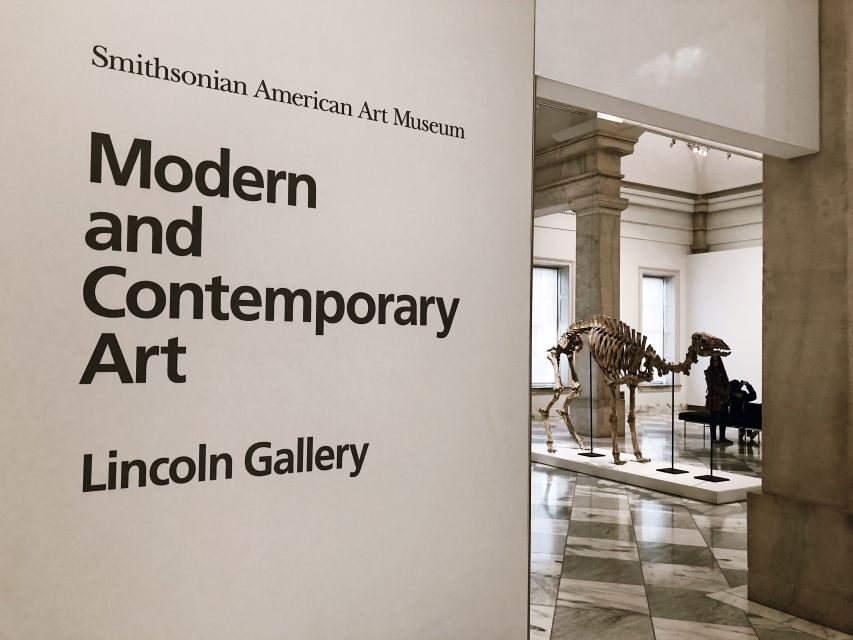
- Old Patent Office Building, with a Civil War backstory: Walt Whitman’s presence adds a human layer to the portraits on these walls.
- Presidents, first ladies, and Civil War generals: Grant and Sherman show up in the same “who built America” story.
- A guided highlights route through multiple art eras: daguerreotypes and early photography to Robber Barons and Suffragettes.
- Greensboro Lunch Counter: a direct Civil Rights Movement touchpoint you won’t get from a quick museum walk-through.
- Big-name American art, plus WPA-era photography and head-scratching modern works: your guide helps you make sense of it fast.
Why the Old Patent Office Building changes the way you see portraits
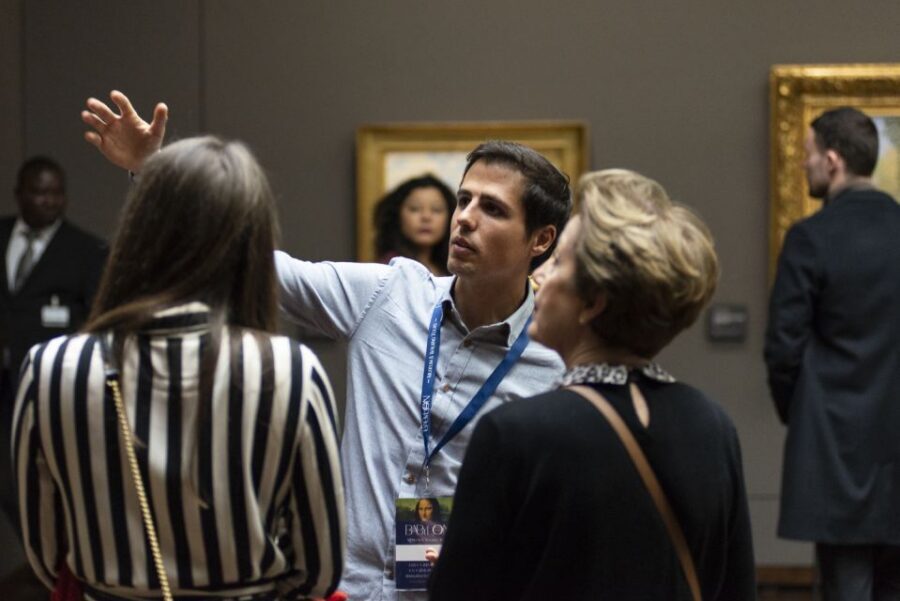
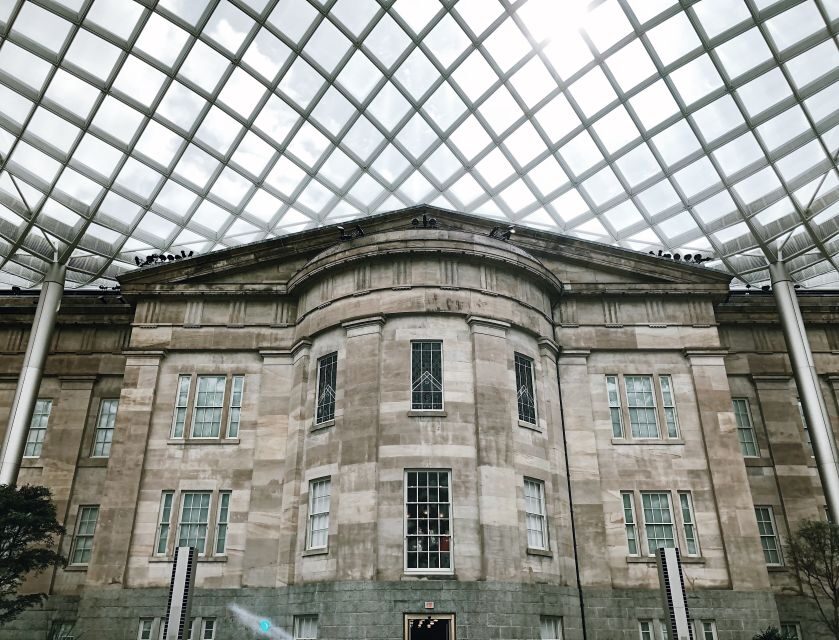
This tour begins in one of DC’s most distinctive spaces: the Old Patent Office Building. Long before it was a museum home, it served as a Civil War Era hospital. Poet Walt Whitman helped injured soldiers there, and today his portrait sits among the collection. That alone changes the mood. You’re not just looking at art on walls; you’re stepping into a building that carried real strain, care, and aftermath.
The building also started flirting with art exhibits as far back as 1829. Later, it became a museum dedicated to the kind of public learning you actually want on vacation: people, ideas, and the visual record of a nation trying to define itself.
You’ll feel that “big picture” from the start. The guide uses the building as part of the storyline—how a place can move from healing to documentation, and then to representation. It’s a smart setup for the two museums you’ll visit back-to-back, because you’re always asking the same question: who gets remembered, and how?
You can also read our reviews of more guided tours in Washington Dc



National Portrait Gallery: Presidential portraits and the art of American identity
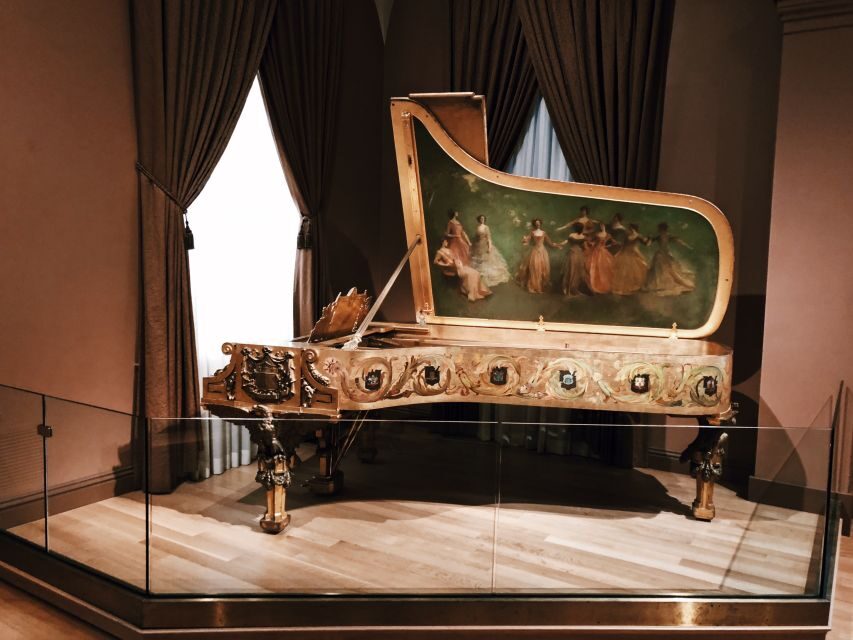
The National Portrait Gallery portion is the classic DC “faces of the country” experience—built for people who like history, but also for anyone who likes to see how styles and technologies change what’s considered worth preserving.
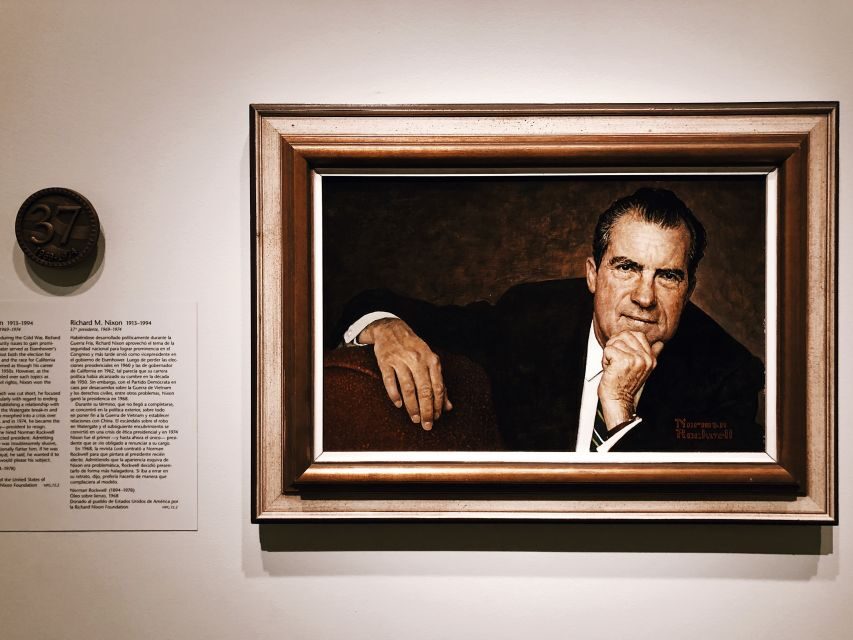
Expect to spend time with Presidential Portraits, including presidents and first ladies. The tour also brings in military leadership from the Civil War era. You’ll see famous names such as Grant and Sherman, and the guide ties them to larger themes: leadership, public image, and how a young nation wanted to look at itself.
From there, you move through a timeline of visual technology and style. One of the most interesting parts is the jump into 19th-century daguerreotypes and early photography. Even if you know photography’s basics, seeing it in a portrait gallery setting makes it feel more consequential. Daguerreotypes weren’t just “pictures.” They were proof—proof that someone could be documented, circulated (in limited ways), and turned into public memory.
The tour also covers cultural shifts into the early 20th century—think Robber Barons and Suffragettes. That mix matters. It prevents the portrait gallery from becoming only a parade of power. You get a sense of conflict and ambition, who had access to the spotlight, and who had to fight for a voice.
Getting the mystery behind iconic art (without feeling lost)
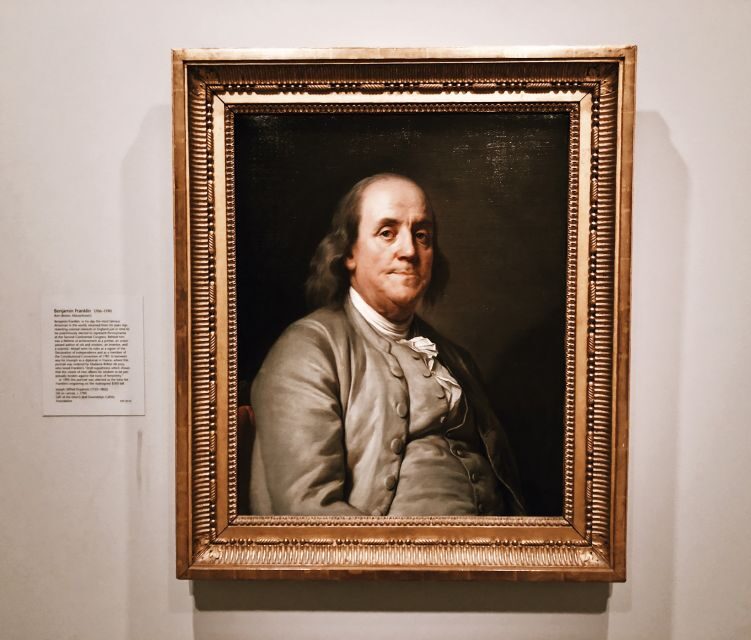
This is a highlights tour, but it doesn’t feel like a skim. The guide’s job is to keep you moving with a purpose—so you don’t spend 20 minutes staring at one painting wondering why everyone else is excited.
What helps most is the way the guide frames questions as you go. Instead of treating each artwork like a separate museum stop, you start connecting them. When you see well-known imagery—whether a portrait, a photograph, or a themed piece—the guide explains the “why” behind it, including some of the mystery around iconic art.
That’s especially useful in a portrait gallery because portraits can look straightforward at first glance. A famous face is easy to spot. The meaning behind the styling, timing, and how the subject is presented takes more work. Having an expert guide keeps that work manageable and makes it feel fun, not like homework.
The Greensboro Lunch Counter: a Civil Rights moment you can’t ignore
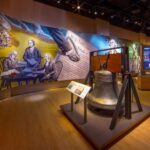
One of the most memorable stops on this tour is the Greensboro Lunch Counter. This isn’t decoration. It’s presented as a touchpoint of the Civil Rights Movement, and your guide helps you understand why it belongs in this museum context.
Here’s what makes this part valuable: it anchors the whole day’s theme—representation and memory—to something lived and contested. Portraits often show the people history chose to record. The Lunch Counter reminds you that change also comes from ordinary places and ordinary people refusing to accept humiliation.
Even if you’ve read about the Civil Rights Movement before, seeing this object inside a portrait-and-art framework gives you a clearer sense of how art museums can hold more than aesthetics. They hold evidence of the social struggle that helped reshape America’s identity.
If you care about linking culture to real-world change, don’t treat this stop as a quick photo moment. Give it your attention. This is the part that tends to linger after the tour ends.
American Art Museum: Cassatt to Hopper to modern puzzles
After the Portrait Gallery, you head to the American Art Museum. The shift is big and satisfying: you go from faces and photographic records to paintings, works on paper, and a wider sweep of American visual culture.
You’ll see major artists that most people recognize at least by name. Mary Cassatt is included, bringing in the world of Impressionism—especially how women and everyday scenes can become art history. From there, the route includes Edward Hopper and David Hockney, which is a nice contrast. Hopper often feels like silence and mood; Hockney can feel like motion and visual play.
Georgia O’Keeffe’s provocative flowers also show up. This is one of those moments where the guide’s framing really helps. The subject can feel obvious—flowers—but the meaning isn’t only the subject. It’s the scale, the way the form is presented, and what it suggests about attention, desire, and power.
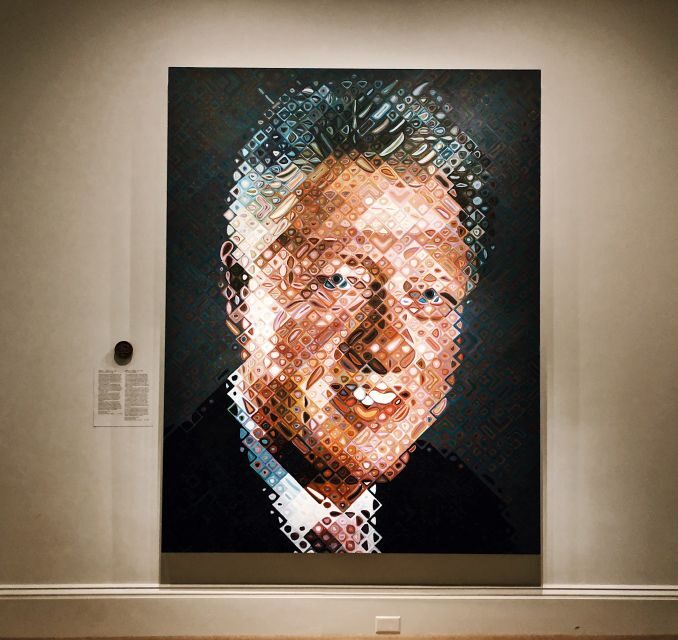
Then you hit a surprise that works for most audiences: a slightly odd portrait of former president Obama. That’s a good reminder that museums don’t always aim for flattering familiarity. They aim for interpretation. The guide helps you see what’s different about the portrayal and why that difference might matter.
One of the strongest theme threads here is photography during the Great Depression. You’ll explore WPA-era photographs that helped define a nation during that period. That portion connects emotionally with the Greensboro Lunch Counter stop: both help show how Americans documented struggle, identity, and dignity in the middle of pressure.
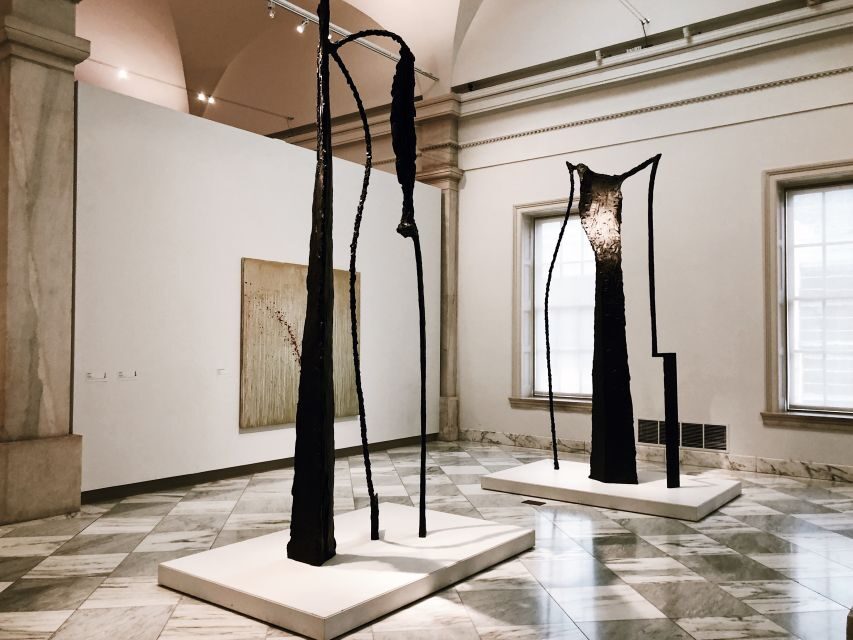
Finally, you’ll see more modern works that can make you scratch your head. This part is key: you’re not expected to instantly “get it.” Your expert guide helps bring it into focus, so what feels confusing at first becomes a conversation instead of a dead end.
You can also read our reviews of more museum experiences in Washington Dc


How a guided highlights format keeps you moving (and hearing more)
This tour works best because it’s structured. You’re not left alone with two large museums and a vague plan. The guide leads a highlights route that gives you the most meaningful cross-sections without pretending you can see everything in 2.5 hours.
The pacing also matters because there are rules that can affect your experience. Some rooms may require quieter voices or restrict speaking. In those cases, your guide tells you what to expect before you enter—so you aren’t caught off guard mid-sentence.
Also, there’s a moderate amount of walking. That’s typical for DC museum days, but it’s not a sit-and-stroll itinerary. Wear comfortable shoes, and keep your plan flexible for breaks. You’ll get the best experience if you’re ready to keep moving at a museum pace.
Your guide can make or break a short tour. This one has strong evidence of that. Names like Leigh and Bess show up in excellent guide feedback, praised for being engaging and easy to follow. One guest even highlighted that pre-tour check in and post-tour follow-up felt thoughtful, which tells me the operator pays attention to the full experience, not just the time inside the galleries. You’ll feel that kind of care in how the tour runs.
Price and time: is $86 worth it for a 2 to 2.5 hour guided tour?
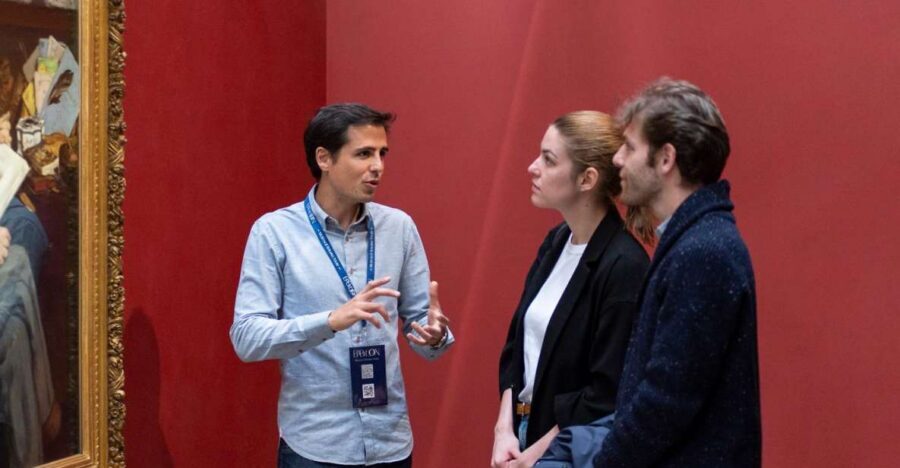
At $86 per person, this isn’t the cheapest way to do two major museums. But it’s also not trying to be. You’re paying for something that self-guided museum visits usually miss: a professional art historian guide and a tightly planned route that helps you make connections quickly.
For a short DC day, the value is in the time saved. Two museums can swallow half your day even if you’re motivated. Here, you get a guided highlights tour through major collections—Presidential Portraits, Civil War-era leadership, daguerreotypes and early photography, WPA-era photographs, and major American artists like Cassatt, Hopper, Hockney, and O’Keeffe—without needing to research each stop in advance.
Another value point is that it’s available daily (based on the schedule you choose). Daily availability matters in DC because plans shift. If your timing is tight, being able to slot in a 2 to 2.5 hour window can be the difference between seeing these galleries and not seeing them at all.
Bottom line: if you like art and history but don’t want to do the heavy lifting of building your own museum route, $86 can feel like a fair trade.
Practical tips: ID, bag rules, and what to wear
A few on-the-ground facts will make your visit smoother:
- Bring valid photo ID (passport or ID card).
- Security is strict: luggage or large bags aren’t allowed, and only handbags or small thin bag packs are allowed through security.
- Plan for moderate walking. Comfortable shoes matter more than style today.
- Meeting point can vary depending on the option booked, and the tour ends back at the meeting point.
Because this is a museum day with security checks, I recommend showing up early enough that you can get through without stress. You don’t want to start the tour already rushed.
If you’re sensitive to quiet-space rules, note that some rooms restrict speaking. Your guide will explain what’s coming, but it helps to keep your expectations set: this is a place where you may need to lower your voice in certain areas.
For mobility needs, the tour data says it is not suitable for wheelchair users, yet it also asks you to advise if you require a wheelchair accessible tour. If that applies to you, I’d message the provider before booking so you can confirm what’s possible for your needs.
Who should book this tour (and who might want another option)
This experience fits best if you want a guided, story-based path through American art and portraiture. It’s especially good for:
- First-time DC museum visitors who want momentum and context
- People who like connections—Civil War → photography → Suffrage → Civil Rights → Impressionism and modern art
- Anyone who gets stuck in museums when there’s no guide to explain what you’re looking at
It may not be the best fit if you’re the type who only wants temporary exhibits. Temporary exhibits aren’t included in this highlights-style format.
Also, if you want to move at your own pace and linger for long stretches in one gallery, a 2 to 2.5 hour structure can feel short. The trade-off is that you’ll see a lot of key ideas and move with purpose.
Should you book the National Portrait Gallery and American Art Museum guided tour?
I think you should book this tour if you want the “DC museum brain upgrade” that a good guide provides. In a short window, you’ll connect portraits, photography, social movements, and major American artists into a single coherent story. The Greensboro Lunch Counter stop gives it moral weight, while the art selections—from Cassatt and Hopper to O’Keeffe and modern works—give it visual payoff.
Book it if you also value clarity. The guide’s role is central here: you’ll leave with more than memories. You’ll have a framework for what you saw and why it mattered.
Skip it only if you need wheelchair-accessible accommodations that the tour can’t guarantee, or if you strongly prefer a completely self-directed museum day.
If your goal is to make two top DC galleries actually click, this is a solid way to do it.
FAQ
How long is the National Portrait Gallery & American Art Museum guided tour?
The tour lasts about 2 to 2.5 hours.
How much does the tour cost?
It costs $86 per person.
Are there different starting times?
Starting times depend on availability, so you’ll need to check the schedule when booking.
Is hotel pickup or drop-off included?
No. Hotel pickup and drop-off are not included.
What’s included in the tour price?
A professional art historian guide is included.
What’s not included?
Temporary exhibits, luggage or coat storage, and hotel pickup/drop-off are not included.
What meeting point should I use?
The meeting point may vary depending on the option booked. The tour ends back at the meeting point.
Is this tour offered every day?
Yes, it is listed as available daily.
What do I need to bring?
Bring valid photo ID, such as a passport or ID card.
Is it suitable for wheelchair users?
The tour is listed as not suitable for wheelchair users, but you can advise when booking if you require a wheelchair accessible tour.