Spies love DC, and so should you.
This walking tour threads together real-world espionage history across prominent addresses, with a guide who keeps the stories moving fast and readable. I like that it’s small-group focused, so you can ask questions instead of watching the guide talk at the group.
Two things I really enjoyed were the chance to socialize with like-minded espionage fans and the way the guide helps with photo moments at major political landmarks. Even if you don’t arrive as a super-spy nerd, the tour nudges you toward wanting to understand how power, secrecy, and diplomacy fit together.
One possible drawback: you should expect a good amount of walking, and there can be stretches where the guide isn’t talking for every step. If you prefer constant narration every minute, plan to lean into the city views and the story beats between stops.
In This Review
- Key takeaways before you go
- Price, pace, and what $49.99 buys you in DC
- Start at E St NW, finish at the Embassy of Ireland (then go explore)
- Stop 1: The Exchange Saloon and the Capitol Couples CIA story
- Stop 2: 918 16th St NW and Air America’s CIA connection
- Stop 3: 1125 16th St NW and the Soviet Embassy to Russian Ambassador shift
- Stop 4: The Mayflower Hotel and WWII-era deception with CIA practice
- Stop 5: The Dupont Circle Hotel area and the mystery of a Putin aide’s death
- How the guide makes (or breaks) this DC spy walk
- Who this tour fits best (and who might not love it)
- Should you book the DC Spy History Walking Tour?
- FAQ
- FAQ
- How long is the DC Spy History Walking Tour?
- What does the tour cost?
- How big is the group?
- Where does the tour start and end?
- Is the tour in English?
- What’s included in the price?
- What’s not included?
- Is there free cancellation?
Key takeaways before you go
- A tight group (max 8) means more back-and-forth, not just a one-way lecture.
- Photo help on political landmarks saves you from awkward timing and bad angles.
- Most stops are free to view, with one notable exception you’ll want to plan for.
- Cold War and WWII threads connect surprisingly well across five nearby addresses.
- You end near Dupont Circle metro, so you can keep exploring without backtracking.
Price, pace, and what $49.99 buys you in DC
At $49.99 per person for about 1 hour 30 minutes, this tour sits in that fun “worth it if you like stories” zone. You’re not paying for museum tickets or long bus rides. You’re paying for a guide who can stitch together clandestine operations with real addresses you can actually stand in front of.
The pacing matters here. The route is structured so you get short, focused stops (about five minutes each at the listed locations). That keeps the walk from dragging and helps the bigger picture land: DC government is everywhere, but the hidden side of diplomacy and intelligence is often easy to miss when you’re sightseeing on your own.
The small-group size (up to 8 travelers) is a big part of the value. When you have fewer people, you can ask follow-up questions and get answers that feel tailored rather than generic. It also makes the vibe more like a conversation between history-minded spy lovers than a scripted show.
Still, keep your expectations realistic. You will be walking. Some people want the guide speaking nonstop through every step, but the way the tour is set up may include natural pauses while you move between sites. You’ll get the stories; just don’t expect a constant soundtrack the whole time.
You can also read our reviews of more walking tours in Washington DC


Start at E St NW, finish at the Embassy of Ireland (then go explore)
You’ll begin at the Dunkin’/American Red Cross building at 2025 E St NW, Washington, DC 20006. The location is handy because it’s tied to a central corridor of landmarks, and you don’t have to fight to find a remote meeting spot.
You’ll end at the Embassy of Ireland, 2234 Massachusetts Ave NW, Washington, DC 20008, right in the Dupont Circle area. The walk ends in front of the embassy, and the listing notes it’s a short walk to the Dupont Circle metro station. That matters if you want to treat the tour like the first chapter of your day rather than the whole day.
Also, this isn’t just a “walk to a single point.” The route is built so you come away with a better sense of where key players and institutions sat—then you can keep looking around with new eyes. If you plan to grab food afterward, Dupont Circle is a solid bet for continuing the “what else is hiding in plain sight?” mood.
Stop 1: The Exchange Saloon and the Capitol Couples CIA story
The first location is the Exchange Saloon, formerly known as Capitol Couples. This is where the story gets deliciously specific: it was famously used by a married couple to infiltrate the CIA back in the 1970s.
Standing outside a place like this is different from reading about espionage. You get a sense of scale—how a real social venue could fit into a larger intelligence picture. The key takeaway for you: espionage isn’t always about secret tunnels and spy gadgets. Sometimes it’s about cover stories, human access, and knowing which doors people actually use.
One practical note: the tour listing says there’s an admission ticket element here, and that admission ticket is not included. Translation: you may need to budget extra time or money depending on what’s available on the day and whether the space is open as you arrive.
What I’d do in your shoes is plan to be flexible at this first stop. Don’t assume this will be a quick peek and photo-only situation. If you’re the type who likes the story to meet the physical setting, this is the stop where you’ll feel the most payoff—and where you’ll feel the most friction if you weren’t prepared for the ticket detail.
If you’re short on patience for paid entrances, you can still enjoy the tour’s narrative, but the value of this particular stop depends on whether you can access the space as intended.
Stop 2: 918 16th St NW and Air America’s CIA connection
Next up is 918 16th St NW, the former HQ of Air America, described here as a clandestine airline operated by the CIA. Even if you’ve never heard the name before, you’ll understand the basic logic quickly: intelligence often needs transportation, communication, and plausible explanations for where people and supplies go.
This stop is where the tour helps you see a pattern you might not notice on your own. When governments operate in secret, they don’t only hide documents. They hide operations inside everyday systems—like travel and logistics—that look normal from the outside.
Good news for your wallet: the listing indicates this stop is free (no admission ticket needed). So you can stay in story mode without paying extra at the door.
The “five minutes” structure also works well here. It’s long enough to connect Air America to the larger picture of Cold War tradecraft—without turning this into a lecture where you lose the thread. You’ll likely walk away thinking about how intelligence networks borrow legitimacy from ordinary industries.
If you’re a photo person, this is also a good moment to let the guide steer you. The tour includes help snapping photos of political landmarks, and in this part of the route, that guidance can help you capture context instead of just a blurry street sign.
Stop 3: 1125 16th St NW and the Soviet Embassy to Russian Ambassador shift
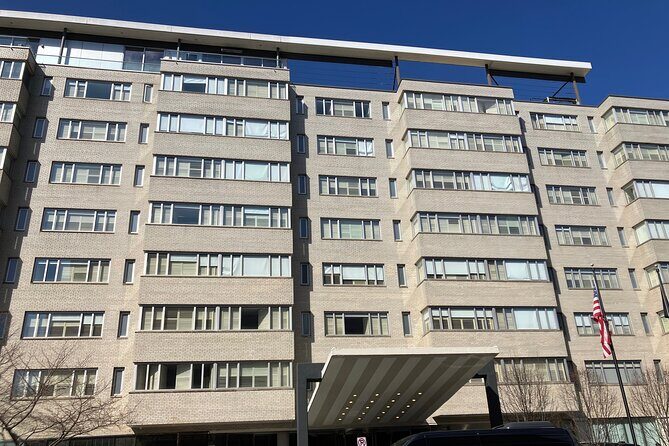
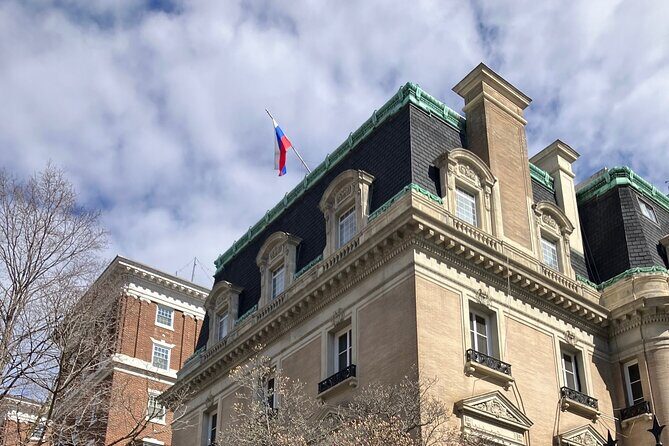
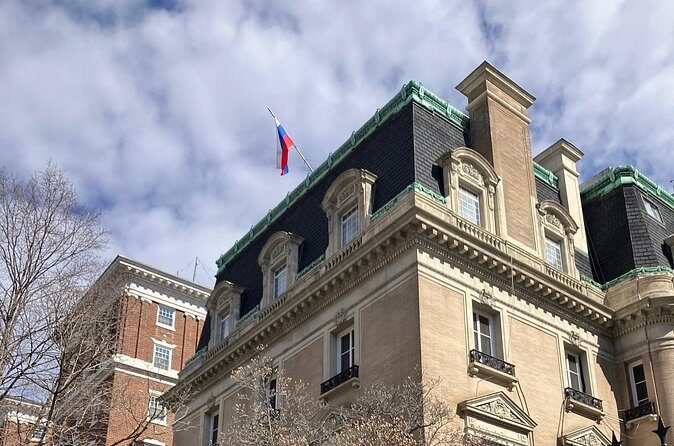
At 1125 16th St NW, you’ll face a site tied to the Soviet Embassy and today serves as the residence for the Russian Ambassador. The tour’s story highlights how, during the Cold War, many American spies handed over secrets from this kind of diplomatic setting.
This is one of those stops that hits because of the contrast. The same address can hold totally different roles across decades. That’s the real point you’ll likely remember: espionage history isn’t frozen in the past. It changes uniforms, changes names, but the chessboard stays.
The listing indicates the stop is free to visit (no admission ticket mentioned for this location). That keeps the tour moving and reduces friction, which is good when you want the whole hour and a half to stay tight.
As you stand here, you can also connect the dots with what you’ll see later on the route. The story keeps returning to a theme: intelligence work depends on access. Diplomatic buildings, hotels, and social spaces were never just places to sleep or meet. They were tools in a larger strategy.
One practical tip for you: take a moment to look at the building’s relationship to the surrounding streets. Even without going inside, the setting can help you picture how a handoff could be arranged with minimal chaos—and maximum deniability.
You can also read our reviews of more historical tours in Washington DC





Stop 4: The Mayflower Hotel and WWII-era deception with CIA practice
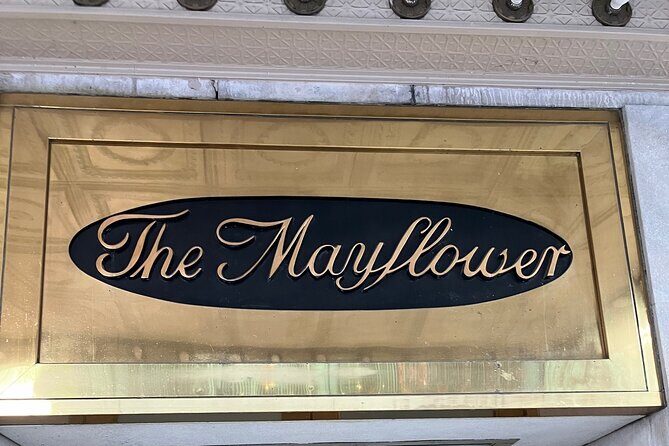
The next stop is the Mayflower Hotel, Autograph Collection. Here the focus is dual: the tour ties the site to where CIA agents practiced their craft and also mentions a German operation during WWII.
This is a smart pivot point in the tour. It takes you beyond the Cold War and reminds you that intelligence tradecraft doesn’t begin in one era and end in another. DC collects layers. One address can carry decades of strategy—sometimes from opposing sides.
The practical side is easy: the listing indicates this stop is free (no admission ticket needed). So you’re not juggling payments or timed entry again.
The benefit for you is how the guide frames practice versus plot. Even when you don’t fully visualize the operations, you’ll start to see how training, cover techniques, and communications methods can be practiced in one context and applied later in another.
Also, hotels matter in espionage stories because they concentrate people, routines, and access points. You’ll probably find yourself watching for how travel and hospitality can serve as both disguise and infrastructure. That thought alone can change how you see DC as you keep walking afterward.
If you’re planning what to do next, this stop gives you a natural “linger” moment. Even if the guide keeps things short, you might want a few extra minutes to look around and take in the hotel’s role in the city’s political life.
Stop 5: The Dupont Circle Hotel area and the mystery of a Putin aide’s death
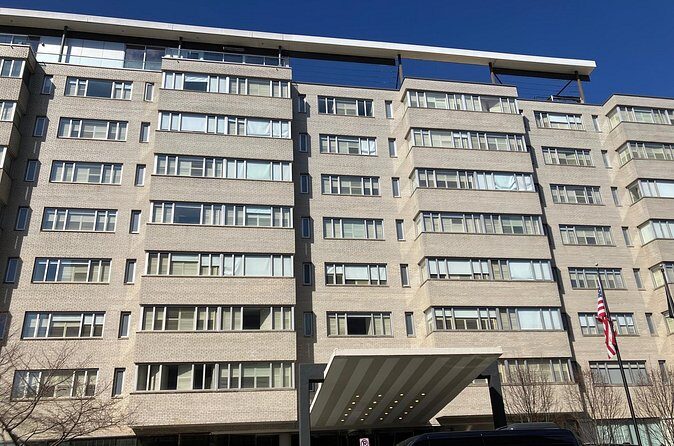
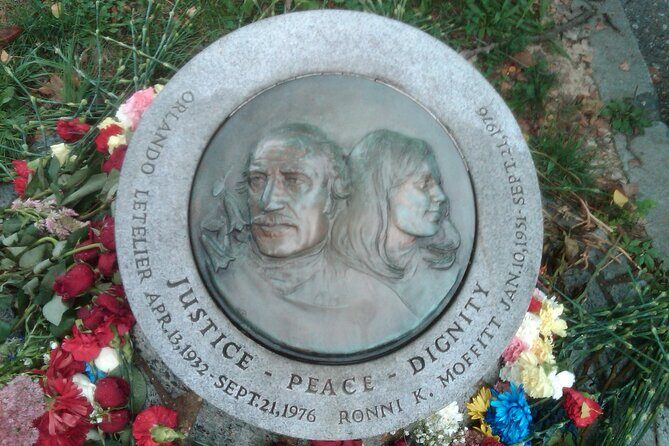
The tour closes near Dupont Circle, at the Dupont Circle Hotel. The story here is darker and more modern: the listing points to the site of a suspicious death of an aide to Vladimir Putin.
This final stop adds a useful jolt. It’s not just history from a textbook era. It’s a reminder that today’s headlines can still connect back to older patterns—secrecy, influence, and the dangerous blur between politics and covert action.
The listing says this stop is free. That keeps the final stretch simple and lets you focus on the story instead of logistics.
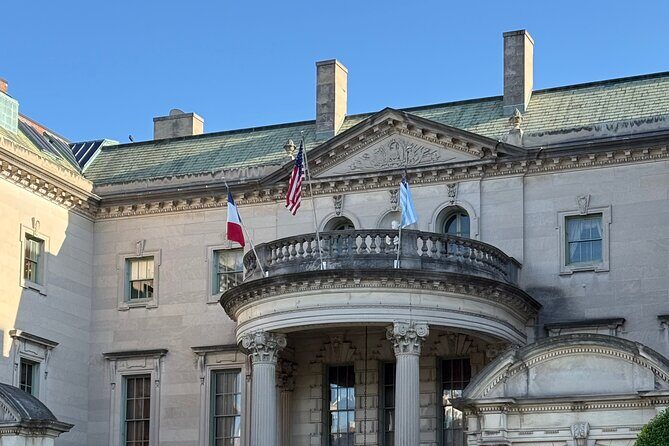
You’ll likely finish feeling a little more alert, not just entertained. That’s the power of ending with a mystery-like note: it encourages you to keep asking questions about what you’re seeing around you. And because the tour ends at the Embassy of Ireland near the Dupont Circle metro, you can transition smoothly into normal sightseeing without feeling like you’ve been dropped somewhere inconvenient.
If you’re the type who likes to process as you go, this is also a good time to take photos and then step away for a few minutes. Let the stories settle before you hit your next plan.
How the guide makes (or breaks) this DC spy walk
This tour is sold as small-group, lots of chances to ask questions, and a guide who explains the covert past of DC. In practice, that’s what you want: clear storytelling paired with factual structure, not random name-dropping.
One theme that comes through is pacing. When the guide balances story beats well, you don’t feel rushed at stops, and you don’t get stuck listening to one long monologue while the group fades. You also get enough time at each address to connect the location to the plot idea.
Another key detail is photo help. The guide isn’t just narrating. They’ll help you snap photos of several political landmarks. That’s more than convenience. It helps you leave with images you can actually use to remember what you learned.
Where you should be careful is expectations about constant narration. If you’re hoping for nonstop commentary during every walking segment, you might feel disappointed at times when the group is moving and the guide is quiet for stretches. The tradeoff is that you may notice more of the city itself while you go.
The best strategy: come with curiosity, not just a checklist. If you’re willing to watch the city for context—street layout, landmark visibility, the way buildings sit along major roads—you’ll get more from the gaps between the story moments.
Who this tour fits best (and who might not love it)
If you’re choosing between a standard sightseeing walk and something more story-driven, this one is for you if you like:
- Espionage history tied to real DC addresses
- Question-friendly tours with a max of 8 people
- A short, focused 1.5-hour format that leaves energy for the rest of your day
It can also work well for locals and returning visitors. DC keeps changing, but intelligence history is one of the ways it stays layered. Even if you’ve been to Dupont Circle a dozen times, seeing it through a spy lens can feel new.
You might want to skip or temper expectations if you hate walking or you need a guide speaking constantly. The format is built around quick stops and movement, not a slow stroll with constant narration at every step.
Should you book the DC Spy History Walking Tour?
Book it if you want a sharp, compact way to connect Washington DC landmarks to espionage and covert operations—and you like asking questions in a small group. At $49.99, it’s good value when you see it as guided storytelling plus on-site context, not as a museum-style ticket day.
Think twice if you know you get impatient with walking or you strongly prefer one long, continuous explanation with zero quiet moments. The tour is designed to move, and that’s part of its rhythm.
FAQ
FAQ
How long is the DC Spy History Walking Tour?
It runs for about 1 hour 30 minutes.
What does the tour cost?
The price is $49.99 per person.
How big is the group?
The tour has a maximum of 8 travelers.
Where does the tour start and end?
It starts at Dunkin’ / American Red Cross Building, 2025 E St NW, Washington, DC 20006 and ends at the Embassy of Ireland, 2234 Massachusetts Ave NW, Washington, DC 20008, in front of the embassy.
Is the tour in English?
Yes, it’s offered in English.
What’s included in the price?
The tour includes a tour guide and bottled water.
What’s not included?
It does not include transportation to the starting point or from the end point. Also, admission ticket is not included for the Exchange Saloon stop.
Is there free cancellation?
Yes. You can cancel for free up to 24 hours before the experience start time for a full refund.