REVIEW · BIBLE MUSEUM
DC: All Creation Sings- Museum of the Bible Exhibition Entry
Book on GetYourGuide →Operated by Museum of the Bible · Bookable on GetYourGuide
One sentence that hooks you: Worship can be an art form.
The All Creation Sings exhibition turns the Bible into a living performance about origins, creativity, and praise, then hands you a full Museum of the Bible day ticket to keep exploring afterward. It’s a smart combo if you like ideas, objects, and stories—without needing to commit to a guided tour.
I especially like how the show is structured in four acts, moving from creation, to worship through beauty, to the Bible’s influence, and ending with a big, finale-style moment. I also like that you don’t just sit and watch: the included general admission lets you roam at your own pace across multiple floors (from modern culture to archaeology).
One drawback to consider: the show is only about 25 minutes, and if you’re motion-sensitive or have vertigo, this kind of theatrical experience may not be a good fit.
In This Review
- Key things to know before you go
- All Creation Sings at the Museum of the Bible: what the show is really doing
- Price and value: is $49 worth it?
- Getting there and where to check in on the day
- The four acts of All Creation Sings: a clear walkthrough
- Act One: origins, tensions, and the beginning of song
- Act Two: intimacy, artistry, and the theology of beauty
- Act Three: the Bible’s word and its influence
- Act Four: an ending that frames all creation praising God
- After the show: how to use your included Museum of the Bible entry
- Floor 2: Bible influence in fashion, literature, and music
- Floor 3: Bible stories
- Floor 4: historical artifacts and stepping into the past
- Floor 5: archaeology from the Israel Antiquities Authority
- Rules that affect your comfort (and what to bring)
- Who should book this experience?
- Practical strategy for a great day
- Quick FAQ about All Creation Sings and Museum of the Bible entry
- FAQ
- How long is All Creation Sings?
- How long should I plan for the whole activity?
- Where do I show my ticket?
- What floor is the exhibition on?
- Do I need a Museum of the Bible ticket too?
- What does the price include?
- Is there a guide included?
- Are food and drinks allowed?
- Can I take photos?
- Is the experience wheelchair accessible?
- Is it suitable for people with vertigo or motion sickness?
- Should you book this?
Key things to know before you go
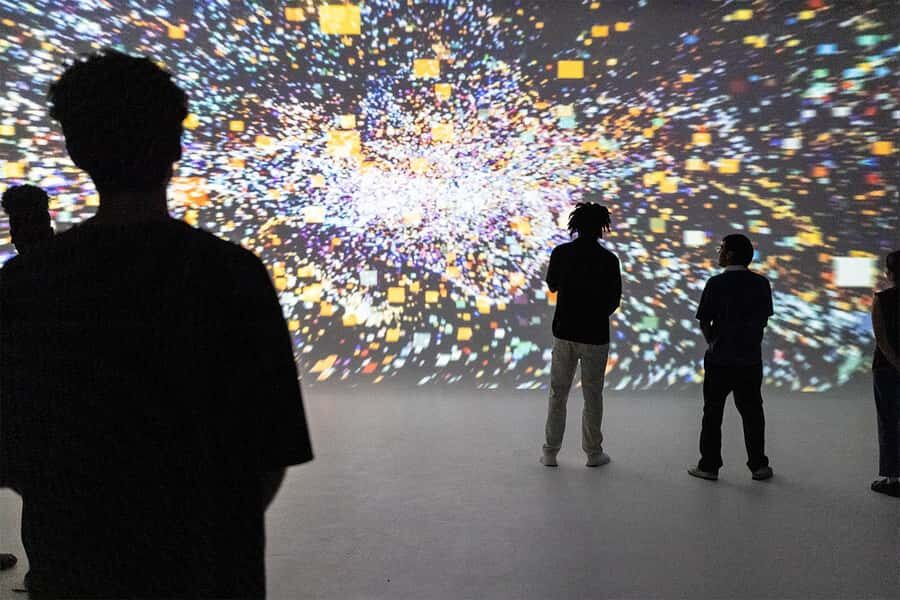
- Four acts, one continuous story that traces creation, worship, expression, and an end goal of praising the Creator
- 25 minutes of performance, then you switch gears to explore the Museum of the Bible on your own
- Included general admission so you can visit floors focused on influence, stories, historical artifacts, and archaeology
- Clear photo and food rules: no food/drinks, no flash, and no professional cameras
- Accessibility limits for some visitors since it’s not suitable for people with vertigo or motion sickness
All Creation Sings at the Museum of the Bible: what the show is really doing
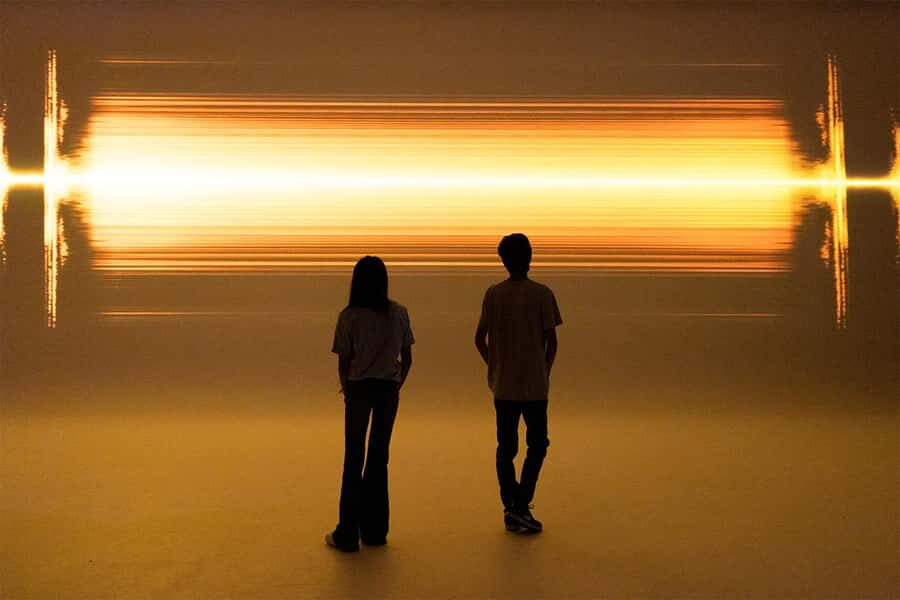
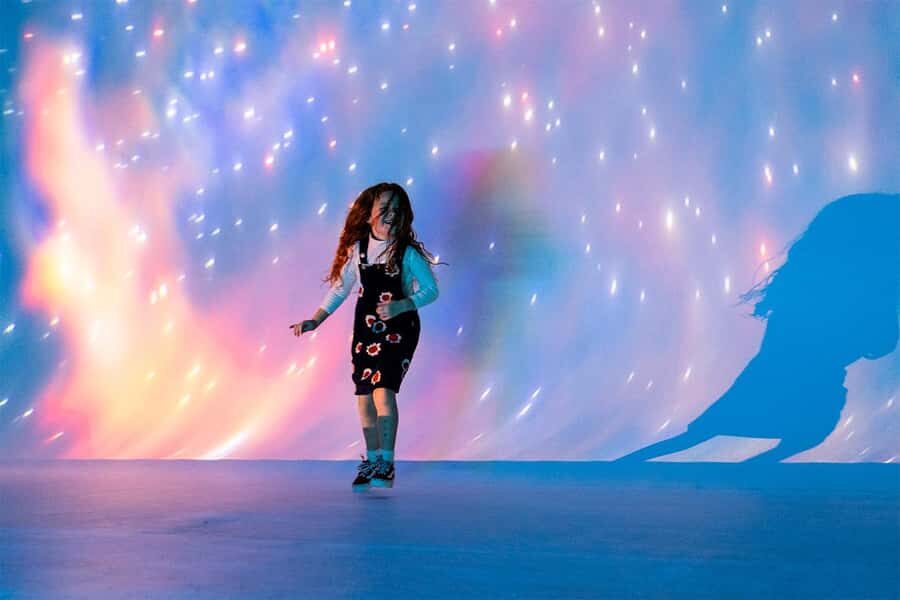
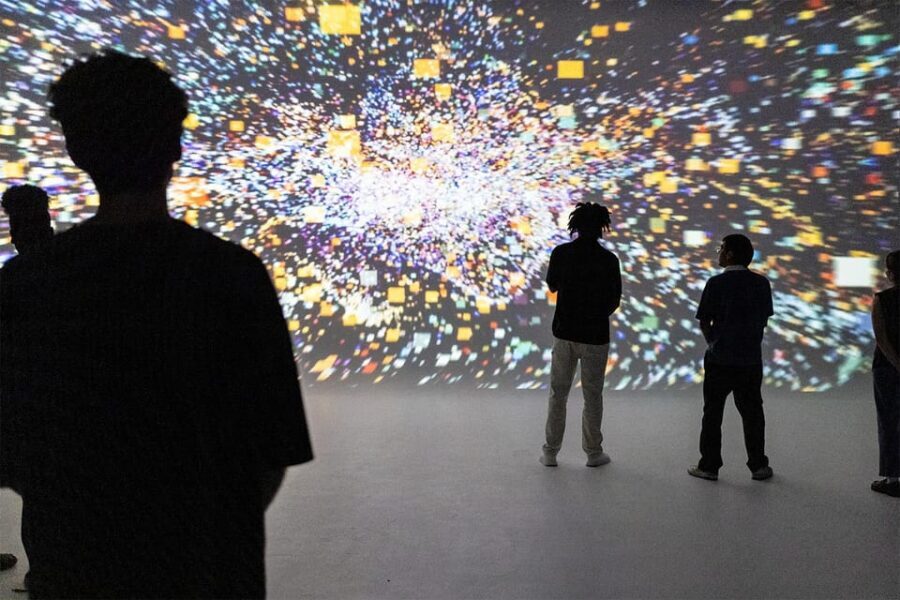
If you think the Bible is mostly words on a page, this experience gently challenges that. All Creation Sings takes the ideas of worship and turns them into a guided emotional journey—something closer to performance art and reflection than a lecture.
You’ll start with general admission to the Museum of the Bible and a ticket specifically for the show. Then you’ll head to the exhibition space on floor B1 for the performance. The experience is designed to feel like a story with momentum: it unfolds in four acts, each one building the next, leading toward a conclusion that frames all creation as praise.
The most useful way to think about it: this isn’t just Bible content. It’s a way of asking what worship looks like when you translate it into art—music, style, stories, and material history.
You can also read our reviews of more museum experiences in Washington Dc


Price and value: is $49 worth it?
At $49 per person, you’re paying for two things that work together. First, you get a ticket to the All Creation Sings exhibition. Second, your ticket includes general admission to the Museum of the Bible, which is what lets you spend time on multiple floors after the show.
That matters because the performance itself is about 25 minutes. If you were only buying the show, it could feel short for the price. But your museum access is what extends the value—especially if you enjoy connecting the themes from the performance to objects and exhibits across different levels of the museum.
So the equation is pretty simple: if you plan to actually use your museum ticket afterward, the price makes sense. If you only want the show and won’t linger, it’s easier to feel like you’re paying extra for entry you may not use.
Getting there and where to check in on the day

Your practical starting point is the Museum of the Bible entrance in Washington, DC. You’ll show your ticket there, and the show itself takes place on floor B1.
Plan to arrive with a bit of buffer. The show has a set duration (about 25 minutes), and your museum access is included but best enjoyed if you aren’t rushed between entry and seating. Also, note that the activity duration is listed as 1 hour overall, so treat it like a timed program plus a self-paced window afterward.
You’re not going to need a guide for the museum part because general admission is self-directed. The “guided” component is the exhibition itself.
The four acts of All Creation Sings: a clear walkthrough
The exhibition is built as a sequence. One act feeds into the next. That structure is part of what makes the experience satisfying, because you’re not just seeing separate pieces—you’re watching a storyline about worship, creativity, and influence.
Act One: origins, tensions, and the beginning of song
Act One starts with the biblical story of creation of the cosmos. Expect a focus on beginnings and the tension between what exists and what it means to worship the Creator. This act sets the language of the show: worship isn’t treated as an isolated idea; it’s framed as part of how humans respond to reality itself.
A helpful takeaway here is that the show doesn’t jump straight to modern culture. It builds from foundational themes first, so later acts feel connected instead of random.






Act Two: intimacy, artistry, and the theology of beauty
Act Two shifts tone. Instead of only large-scale origins, it leans into intimacy between the biblical creator and the created. This is where you’ll see how worship is expressed through artistry—plus the idea of a theology of beauty.
If you like when religion shows up as design, mood, and expression—not just doctrine—this act is where you’ll feel it most. It’s also the part most aligned with visitors who want meaning you can sense, not only understand.
Act Three: the Bible’s word and its influence
Act Three turns attention toward the biblical word of God and how it influences culture. This act is about transmission: how something written and spoken can echo into later forms.
Even though the show is separate from the museum floors, this act sets you up for what you’ll find on site afterward, especially the parts of the museum focused on cultural influence such as music, fashion, and literature.
Act Four: an ending that frames all creation praising God
Act Four brings everything together in an explosive conclusion—a symphony-like finale where all creation praises God. The show’s final framing matters because it pulls the earlier acts into one message: worship isn’t only about a ritual moment. It’s treated as a response that stretches across time, culture, and expression.
For many people, this act is the emotional payoff. If you came for the performance value and not just the museum, Act Four is likely what you’ll remember when you leave.
After the show: how to use your included Museum of the Bible entry
Here’s the best practical benefit: once you finish the exhibition, you explore the museum at your own pace. That freedom is worth planning for, because the museum covers multiple types of content.
You’ll have general admission, and the museum’s floors are organized by focus. That means you can “target” what you want rather than wandering blindly.
Floor 2: Bible influence in fashion, literature, and music
On floor 2, look for exhibits that show how the Bible influences popular culture. This is the most direct bridge from the exhibition’s themes—especially if Act Three and the show’s cultural angle stuck with you.
This floor is a good choice when you want modern connections. Even if you’re not deeply religious, you can still enjoy the human side: style, books, and songs that borrow ideas, symbols, and stories.
Floor 3: Bible stories
Floor 3 focuses on the Bible’s stories. If you want narrative clarity, this is where you’ll likely feel the most “grounded.” It also helps you connect what you saw in the performance to concrete storylines.
If you’re the kind of visitor who likes to leave a museum with a mental map (rather than just feelings), floor 3 is your anchor.
Floor 4: historical artifacts and stepping into the past
Floor 4 is where you’ll step deeper into historical artifacts. This floor is a different mood from floors about culture or stories. It’s more about material evidence and the visual weight of objects.
If you’re thinking about spending only a short time in the museum, prioritize whichever floor matches your curiosity. If you want texture and history, don’t skip floor 4.
Floor 5: archaeology from the Israel Antiquities Authority
On floor 5, you’ll find archaeological discoveries from the Israel Antiquities Authority. This is the floor for people who like when the museum moves into research-backed artifacts and historical context.
Because the exhibition is about worship and creativity, adding archaeology and historical evidence afterward is a smart way to broaden the experience. It prevents the museum from feeling purely thematic.
Rules that affect your comfort (and what to bring)
You can’t bring food and drinks into the experience area, and photography is limited:
- No professional cameras
- No flash photography
That means pack light. If you’re someone who likes to document every room, plan on using your phone without flash. And if you’re visiting during a busy time, avoid expecting to snack your way through the exhibition space.
Also, the show isn’t suitable for people with vertigo or motion sickness. If you have motion sensitivity, treat this as an important safety note rather than a minor inconvenience. The theatrical style could be a trigger for some visitors.
Who should book this experience?
This is a strong match if you:
- Enjoy worship themes expressed through art and performance
- Want both a show and a museum option without needing a guided tour
- Like cultural connections such as how the Bible influences music, fashion, and literature
- Prefer self-paced exploring after an organized program
It’s probably not the best fit if you:
- Have vertigo or motion sickness
- Need a long museum day with heavy guided structure (because the museum part is self-directed)
- Only care about a deep museum tour and aren’t interested in a short, focused exhibition
Practical strategy for a great day

If you want your time to feel intentional, here’s a simple plan.
First, show up, get checked in, and be ready for the exhibition on floor B1. Afterward, don’t try to do everything at once. Pick one or two floors that match the parts of the show you liked most. Then add a second floor for balance.
For example:
- If Act Two (beauty and artistry) resonated, start on floor 2.
- If Act One or Act Four landed emotionally, spend time on floor 3 for story grounding.
- If you want tangible proof and material context, prioritize floor 4 or floor 5.
This way, the museum supports the show instead of turning into a random marathon.
Quick FAQ about All Creation Sings and Museum of the Bible entry
FAQ
How long is All Creation Sings?
All Creation Sings lasts for about 25 minutes.
How long should I plan for the whole activity?
The overall activity duration is listed as 1 hour.
Where do I show my ticket?
Show your ticket at the entrance to the Museum of the Bible in Washington, DC.
What floor is the exhibition on?
The exhibition is on floor B1.
Do I need a Museum of the Bible ticket too?
Yes. The All Creation Sings ticket requires general admission tickets as well, which are included with your booking.
What does the price include?
Your ticket includes general admission to the Museum of the Bible and tickets to the All Creation Sings exhibition.
Is there a guide included?
No guide is included.
Are food and drinks allowed?
No. Food and drinks are not allowed.
Can I take photos?
Professional cameras are not allowed, and flash photography is not allowed.
Is the experience wheelchair accessible?
Yes, it is wheelchair accessible.
Is it suitable for people with vertigo or motion sickness?
No, it is not suitable for people with vertigo or motion sickness.
Should you book this?
If you want a short, well-themed performance tied directly to a museum you can explore afterward, I’d book it. The big reason is the balance: a focused 25-minute exhibition plus general admission that lets you move through cultural influence, story, artifacts, and archaeology on your own schedule.
Skip it only if motion sensitivity is a concern or if you’re looking for something longer and strictly guided. For everyone else, this is a thoughtful way to spend time in Washington DC—one part reflection, one part learning, and plenty of “keep going” energy after the final act.