REVIEW · PHOTOGRAPHY SESSIONS
Captivating DC Private Photography Workshop
Book on Viator →Operated by Brandon J · Bookable on Viator
You can read DC like a photo. This private National Mall photography workshop turns a familiar loop into intentional shots, from the Lincoln Memorial pool to the Vietnam Veterans Memorial at low light, led by Brandon J. You start at 6:00 pm and spend about 2 hours 30 minutes learning how to see with your camera.
I love how the coaching is practical and personal, not just camera theory. Brandon J is friendly and steady, and you get hands-on guidance that helps you slow down, frame better, and make images with meaning. I also like the workshop’s focus on story and emotion, using media-psychology ideas so your photos feel like more than postcards.
One consideration: it’s a weather-dependent evening shoot, and the memorials get darker fast. If you’re not comfortable working in low light, plan to lean on the guide’s tips and take your time with exposure and focus.
In This Review
- Key Things That Make This Workshop Worth Your Evening
- Why This Starts at 6:00 pm and Feels Like Real Photography
- Lincoln Memorial Pool: Framing, Reflections, and Storytelling Shots
- World War II Memorial: Balance, Dramatic Backdrops, and Long Exposures
- Reflecting Pool and Washington Monument: Symmetry That Actually Works
- Vietnam Veterans Memorial: Low-Light Respect and Reflective Surfaces
- What the Private Format Adds (Beyond Fewer People)
- Price and Value: When $170 Feels Fair for Better Images
- Gear, Snacks, and What to Bring With You
- Who This Workshop Is Best For
- The Bottom Line: Should You Book This DC Photo Workshop?
- FAQ
- Where does the workshop start?
- What time does it start?
- How long is the experience?
- Is this a private tour?
- What’s included in the price?
- Is snacks included?
- What if the weather is bad?
Key Things That Make This Workshop Worth Your Evening

- Brandon J’s teaching style: friendly, calming, and communicative, with lots of real-world camera guidance
- Media-psychology approach to photos: learn why certain compositions and moments land emotionally
- Reflection-focused practice: Lincoln pool and the Reflecting Pool get serious attention for clean, usable reflections
- Long-exposure night skills: the World War II Memorial session trains you for night photography
- Respectful low-light memorial photography: Vietnam Veterans Memorial work emphasizes reflective surfaces and solemn mood
- Private group format: only your group participates, so questions and pacing stay personal
Why This Starts at 6:00 pm and Feels Like Real Photography
This workshop is built around an evening rhythm. Starting at 6:00 pm means you’ll catch shifting light across stone, water, and sky, and you’ll practice seeing how mood changes as the day fades.
The big value here is that the instructor doesn’t treat night photography like a separate skill you study later. You learn long exposure and low-light technique right where you’ll use it: in front of the memorials, with real compositions and real constraints.
It also helps that it’s private. In a group setting, you often waste time waiting for your turn. Here, the pace can match your questions, your camera speed, and how fast you want to try new framing ideas.
You can also read our reviews of more private tours in Washington DC
Lincoln Memorial Pool: Framing, Reflections, and Storytelling Shots

The Lincoln Memorial stop is where you train your eye for structure. You’ll work on framing and composition at one of the most photographed sites in the U.S., which sounds easy until you try to make it look intentional.
You’ll learn how to build shots that communicate, not just document. The guidance focuses on establishing shots, then moving into close-ups and details, so your images don’t all feel the same.
The pool nearby becomes a hands-on lesson. You practice techniques for getting clear reflections instead of blurry smears, and you learn how to position yourself so the reflection supports your main subject rather than fighting it. If you’ve ever taken reflection photos that looked washed out or uneven, this is exactly the kind of practice that fixes that.
Practical reality check: Lincoln is popular. You may have to wait for a cleaner view, and that’s normal. The best results usually come from patience and repeat attempts, not one quick shutter press.
World War II Memorial: Balance, Dramatic Backdrops, and Long Exposures
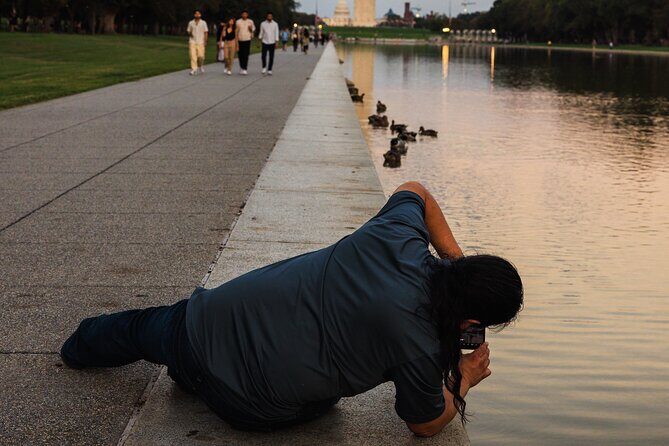
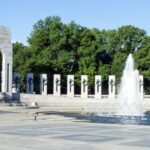
Next comes the World War II Memorial, and this is where the workshop starts feeling like night photography training, even before it’s fully dark.
You’ll practice balance in your compositions against dramatic backdrops. The goal isn’t just making the subject centered. It’s learning how to use lines, mass, and background shapes so your final image feels stable and readable.
Then you shift into long exposure. The instruction includes long exposure practice for night photography, so you can experiment with what changes when the camera holds the scene longer. That might mean smoother tonal transitions and more controlled light trails, depending on the conditions.
There’s also time to experiment with street photography. Even though this is a monument-focused tour, street shooting teaches you to react fast: small moments, quick framing, and how to keep your images from feeling staged. It’s a useful skill for photographing people honestly in public spaces without turning the whole experience into a constant posed setup.
Reflecting Pool and Washington Monument: Symmetry That Actually Works

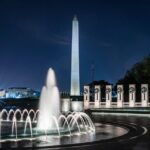
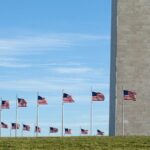
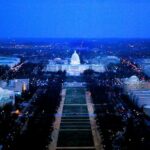
The Reflecting Pool and Washington Monument pairing is one of the strongest photo lessons you can get in DC. The workshop targets the two things people struggle with most: symmetry and light on reflective surfaces.
You’ll learn techniques for capturing reflection and symmetry so the monument looks centered and intentional, not slightly off because you rushed your viewpoint. When symmetry works, the image feels calm and formal. When it’s off, it feels accidental, even if you did everything technically correct.
You’ll also work on advanced ways to capture light on the Reflecting Pool surface. Water reflections in the evening can turn unpredictable fast, depending on wind and ambient light. The coaching helps you adjust so the water becomes part of the composition instead of a distracting smear.
Symbolism shows up here too, but in a practical way. The guide connects what the Washington Monument represents—leadership ideals and direction—with how you frame it. That matters because it pushes you to consider what your viewer should feel, not just what the camera records.
And yes, you’ll start transitioning into night photography skills. By the time you move on, you should feel more confident about working in dimmer light and making exposures that hold detail.
Vietnam Veterans Memorial: Low-Light Respect and Reflective Surfaces

The Vietnam Veterans Memorial is the mood shift stop. This is where you put the earlier skills to work while keeping the tone respectful.
You’ll focus on photographing reflective surfaces and capturing the memorial under low lighting conditions. The guidance emphasizes the solemn, reflective nature of the place, which changes how you frame. You’re not trying to make it flashy. You’re aiming for images that feel quiet and present.
The real lesson here is patience and control. In low light, it’s easy to chase brightness and end up with noise or shaky blur. The coaching helps you slow down, test settings, and refine composition so the final image feels deliberate.
If you want your portfolio to include more than architecture and monuments, this stop is the one that tends to produce the most emotionally effective shots. Even when you’re not sure what to do with a scene, the guide’s approach gives you a structure for making choices.
You can also read our reviews of more photography tours in Washington DC


What the Private Format Adds (Beyond Fewer People)

This is a private activity, so it’s designed around your group. Only your group participates, which means you’re not competing for the guide’s attention while strangers crowd into the best angles.
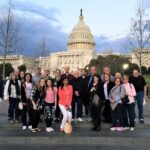
The session also includes a group photo. That’s a small detail, but it’s a real convenience. You’re spending hours taking photos; having one provided photo helps you remember you were part of it, not just behind the camera.
I like that the experience is built for learning rather than checking boxes. The workshop uses multiple themes—symmetry, reflection, balance, long exposure, and street moments—so you’re practicing different ways of seeing instead of doing one repeated pose.
And because the guide is enthusiastic about photography, the energy stays helpful instead of stressful. You’ll get tips, but you’ll also get reassurance to try again when a shot doesn’t land.
Price and Value: When $170 Feels Fair for Better Images
$170 per person sounds like a splurge until you break down what you’re actually buying.
You’re paying for:
- a focused 2.5-hour coaching session
- an instructor who communicates clearly and puts you at ease
- themed practice at multiple iconic memorial locations
- guidance that connects composition to emotion, not just settings
- and a group photo included
If you’ve ever tried to teach yourself night and reflection photography by trial and error, you know how many wasted outings it takes to get consistent results. This workshop compresses that learning into one evening, with direct correction as you shoot.
Also, the private format changes the value. In a big group, you might get a quick tip and then disappear into the crowd. Here, you can keep your questions tight and your learning moving.
The only thing that could affect value is your comfort level with evening shooting. If you’re brand-new to low light and reluctant to experiment, you may need more time to feel confident. The guide can help, but you’ll still be learning a real skill in real conditions.
Gear, Snacks, and What to Bring With You
You’re told to bring what you want to use for pictures and snacks, so plan like that.
Here’s how I’d think about prep so you’re not fighting your setup:
- Bring your camera (or phone) plus whatever you normally need to stay steady in low light.
- If you use accessories for night shooting, bring them. The workshop includes long exposure practice and low-light scenes.
- Pack snacks if you need them, since snacks aren’t included.
- Wear shoes you can stand in during an evening session. Memorials are not quick pop-ins.
Since it’s a mobile-ticket experience, make sure your ticket is ready on your phone before you head out. It’s also near public transportation, which is helpful if you don’t want to worry about parking in the evening.
Who This Workshop Is Best For
This workshop suits you if you want more than “take photos here.” You’ll enjoy it most if you care about framing, reflections, and telling a visual story.
It’s also a good fit if you:
- like learning from a person who can explain camera choices clearly
- want to practice night photography skills in a real setting
- enjoy a calm, friendly coaching style where you can ask questions without pressure
- want iconic DC locations, but with intentional guidance so the images aren’t generic
If you only want to see sights with minimal effort, this may feel too structured. But if you want to learn how to make photographs you actually feel good about, it’s a strong match.
The respectful tone at the Vietnam Veterans Memorial also makes it appealing if you’re interested in photographing with care, not just chasing dramatic shots.
The Bottom Line: Should You Book This DC Photo Workshop?
I’d book this if you want a guided, themed photography session in Washington DC that builds from reflections and symmetry into long exposure and low light. The standout here is the teaching style—Brandon J helps you feel comfortable fast—and the workshop doesn’t treat emotions as fluff. It uses them to guide your choices.
You might skip it if you’re sensitive to evening conditions or you know you don’t want to experiment with night photography. But if you’re ready to practice and learn while photographing iconic memorials, this is one of the more focused ways to turn a National Mall visit into real camera improvement.
FAQ
Where does the workshop start?
It starts at the Three Servicemen Statue, Vietnam Veterans Memorial, 5 Henry Bacon Dr NW, Washington, DC 20004, USA.
What time does it start?
The start time is 6:00 pm.
How long is the experience?
It lasts about 2 hours 30 minutes.
Is this a private tour?
Yes. It’s a private activity, and only your group participates.
What’s included in the price?
The included item listed is a group photo.
Is snacks included?
No. Snacks are not included, and you’re told to bring what you want for pictures and snacks.
What if the weather is bad?
The experience requires good weather. If it’s canceled due to poor weather, you’ll be offered a different date or a full refund.
If you tell me your camera type (phone, DSLR, mirrorless) and your comfort level with night shots, I can help you plan exactly what to practice during each memorial stop.