REVIEW · HISTORICAL TOURS
African-American Heritage Walking Tour of U Street in DC
Book on Viator →Operated by UTG Experience · Bookable on Viator
U Street tells stories in every block. This African-American Heritage Walking Tour ties together music landmarks and memorial sites with a local guide and walking pace that lets you actually notice the neighborhood around you. It’s a 5:00 pm start, built for an evening feel, when street life and history hit different.
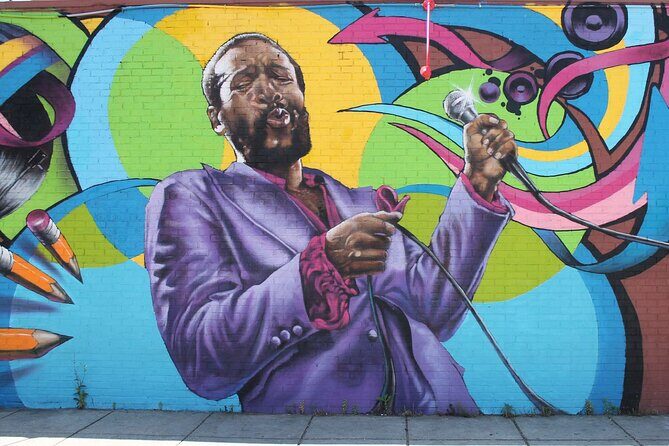
I especially love how the route moves from the party-and-performance legacy of Black Broadway to the gravity of the African American Civil War Memorial Museum. I also like the detour to the Ben’s Chili Bowl mural, where public art shows how attention, fame, and controversy can reshape a neighborhood’s face over time.
My one caution: the tour’s reviews include a few cases of last-minute cancellations or a guide not arriving, so you’ll want a Plan B mindset and to double-check you’re at 1250 U St NW at start time.
In This Review
- Key highlights you’ll care about
- A practical look at an evening that actually teaches
- Getting oriented: where to meet and how to prepare
- Stop 1: U Street and the Black Broadway blocks you can feel
- Why this stop is worth your time
- The possible drawback
- Stop 2: The Ben’s Chili Bowl mural and how public art changes
- Why you’ll probably enjoy this more than you expect
- A smart way to watch this stop
- Stop 3: African American Civil War Memorial Museum and the USCT story
- What makes this museum stop different
- The possible drawback
- Stop 4: Howard Theatre and why this stage mattered since 1910
- Why this stop lands
- A practical note
- Price and value: is $90 for 2 hours fair?
- Who this tour is best for
- Weather, time, and the small details that matter
- Should you book this African-American Heritage Walking Tour?
- FAQ
- How long is the African-American Heritage Walking Tour of U Street?
- Where does the tour start?
- What is included in the tour price?
- Are there admission fees at the stops?
- What language is the tour offered in?
- Is the tour affected by weather?
- Is the tour good for people with limited mobility?
Key highlights you’ll care about
- Black Broadway at street level: you’ll connect jazz-era performers and the U Street nightlife scene to the blocks you’re standing on
- Ben’s Chili Bowl mural as changing public memory: you’ll see how the artwork has evolved since 2012
- USCT-focused Civil War memorial: the museum centers Black troops who fought for the Union
- Howard Theatre’s role as a stage for exclusion and triumph: founded in 1910 when other venues wouldn’t let Black performers in
- Small group size: up to 20 people, which keeps the walk from feeling like a march
A practical look at an evening that actually teaches
This tour is built around a simple idea: walking gives you context. You’re not just reading plaques or staring at statues. You move through U Street and key nearby landmarks at a human pace, with a licensed guide pointing out what matters, why it matters, and how it connects to larger DC and American stories.
The evening timing also changes the vibe. After 5:00 pm, U Street tends to feel more like a neighborhood you’d actually hang out in, not a history classroom. That matters because the tour covers both sides of community life: performance and nightlife, and then the hard, specific record of Black soldiers and their treatment.
And yes, a strong guide makes a huge difference. In the reviews, guides like Nur (also spelled Noor/Nore/Nor in different write-ups) show up again and again as the reason people call the experience inspiring and unforgettable. Others, like Amanda, also earned top marks for being passionate and very clear on the city’s story.
You can also read our reviews of more walking tours in Washington DC



Getting oriented: where to meet and how to prepare
You’ll meet at 1250 U St NW, Washington, DC 20009, and the tour returns to the same spot. Start time is 5:00 pm, and the walking portion runs about 2 hours.
A few practical notes will save you stress:
- Dress for an evening walk. The tour is outdoors, and it also depends on good weather.
- Bring comfortable shoes. Reviews don’t complain much about walking, but you should assume a steady pace for a neighborhood loop.
- Pack water, especially if you get warm walking before sunset.
- Know what’s included: the tour includes a licensed tour guide. Transportation and food/drink are not included, so if you want a chili snack, you’ll need to handle it yourself.
One more reality check: this is a small-group tour with a maximum of 20 people. That’s a positive for conversation and questions. Still, small groups can be tightly scheduled, so arrive on time and keep your phone charged in case you’re using the mobile ticket.
Stop 1: U Street and the Black Broadway blocks you can feel
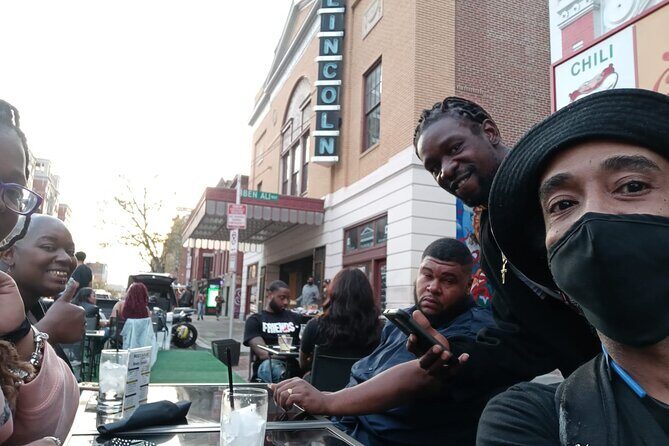
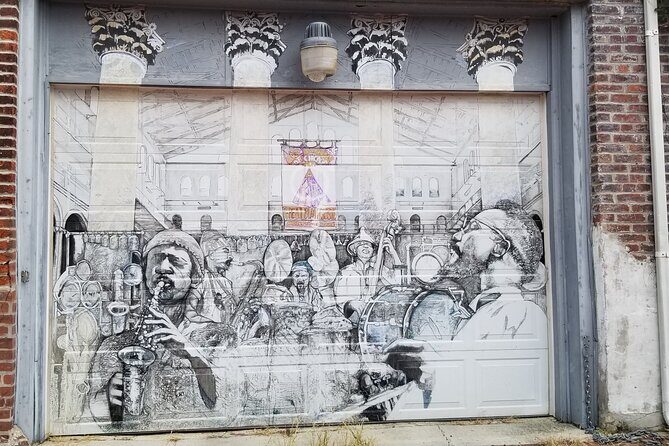
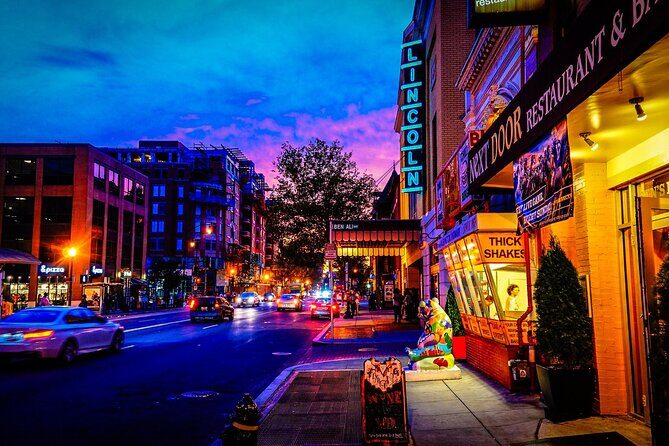
U Street is the headline here, and the tour treats it like a living map. You’ll spend time in the neighborhood known as Black Broadway, tied to the African-American jazz scene and to the era when major performers were drawn to these stages and club doors.
The tour’s U Street focus is more than name-dropping. It’s about connecting famous artists to place. You’ll hear about the kinds of theaters and clubs that once hosted big names such as Duke Ellington, Cab Calloway, Pearl Bailey, Sarah Vaughn, and Jelly Roll Morton, plus more.
Why this stop is worth your time
If you’ve ever visited DC and felt like the history is scattered, this is a fix. U Street helps you see how culture builds community. It also shows how a neighborhood can be both entertainment and identity—where music was not just art, but a way to claim space.
The possible drawback
Because this is a walking tour, the U Street stop works best when the group can stay together and keep moving. If you’re the type who needs long pauses for photos or you’re sensitive to noise, consider that this area can be lively, especially in the evening.
You can also read our reviews of more historical tours in Washington DC





Stop 2: The Ben’s Chili Bowl mural and how public art changes
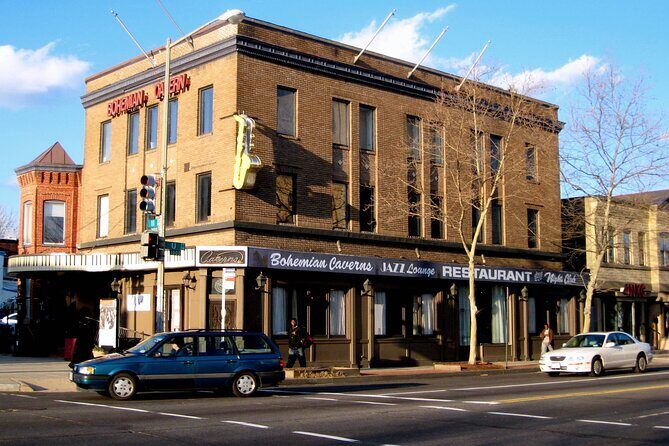
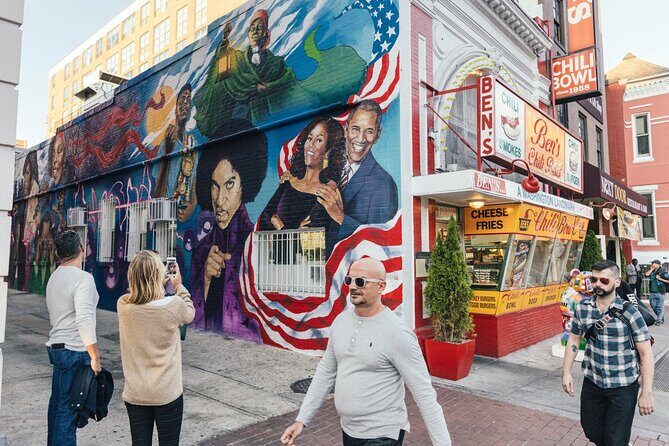
Ben’s Chili Bowl is one of those DC institutions that people know even if they’re not sure what they’re looking at. Here, it’s not the half-smoke headline that drives the stop. It’s the mural.
The mural has changed multiple times since it appeared in 2012. At one point, the artwork included faces such as Bill Cosby, Barack Obama, Donnie Simpson, and Chuck Brown. That section was removed after allegations against Cosby became widely known. The mural shifted again later—there was a period where it included a tribute connected to the Washington Wizards around the NBA playoffs, and then in 2017 local artist Aniekan Udofia painted the mural you’ll see today.
This stop is short on paper, but it’s loaded with meaning.
Why you’ll probably enjoy this more than you expect
A lot of heritage tours treat art like museum objects. This one treats the mural like a conversation. You’re learning how the neighborhood reacts to culture, fame, and public accountability, and how that shows up on a real city wall where people pass every day.
A smart way to watch this stop
Look at the mural like a timeline. Even if you don’t know every name, you’ll start noticing patterns: what the community celebrates, what it debates, and what it removes when the story changes. That’s local history you can see.
Stop 3: African American Civil War Memorial Museum and the USCT story
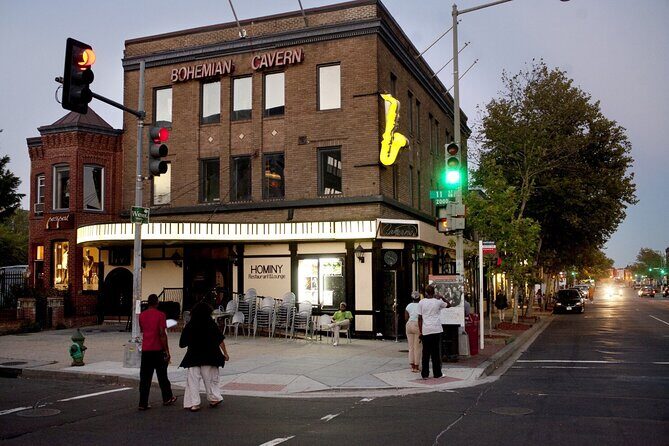
Then the tour turns serious. The African American Civil War Memorial Museum honors Black troops who fought for the Union. It’s the first memorial dedicated solely to Black soldiers in that conflict.
Here’s what the tour context emphasizes:
- Early in the Civil War, the rebel states refused to rejoin the Union, and President Abraham Lincoln issued the Emancipation Proclamation.
- That process helped create regiments filled with Black soldiers, including the United States Colored Troops (USCT).
- More than 200,000 Black Americans served in 175 USCT regiments, about one-tenth of Union forces.
- The museum highlights not just battlefield service, but the discrimination Black soldiers faced from the opposing army and even within their own side.
- The museum notes that persistence from the Black community helped change Union policy on Black military service.
- About 180,000 Black soldiers served, including 98,500 formerly enslaved men, and names of the troops (and those of white allies) are inscribed on the Wall of Honor.
What makes this museum stop different
This isn’t a generic Civil War overview. The focus stays on Black service and the policy and discrimination surrounding it. That’s what makes it emotionally heavy in a grounded way: you get names, numbers, and specific context, not just a broad sweep.
The possible drawback
Museum time can feel short when you’re eager to read everything. The stop is listed as around 30 minutes, so you’ll want to prioritize. If you’re a slow reader or want to take a lot of notes, keep your expectations realistic and use any spare time to pick one or two themes the guide points you toward.
Stop 4: Howard Theatre and why this stage mattered since 1910

The Howard Theatre stop connects the political side of access with the art side of impact. The Howard Theatre is described as the first Black theater in America, founded in 1910 in the Shaw neighborhood around Howard University.
The story matters: it was created because Black men and women weren’t allowed into other venues at the time. That meant the Howard wasn’t just a performance space. It was a space of dignity and possibility.
The tour framing also connects the Howard Theatre to a wide range of artists, from Louis Armstrong to Kendrick Lamar. Before it became nationally known, it was locally known for open-mic style events and battle-of-the-band style contests, and it played a major role in earlier eras of musical exploration, before the Chicago jazz era and the Harlem Renaissance.
Why this stop lands
You’ll likely feel a shift here. After learning about USCT soldiers, you end at a theater that represents community building through art and the fight for access. It’s a strong pairing: hardship and creativity in the same corridor of DC.
A practical note
Some guides may include time connected to the Howard University area nearby, and at least one review specifically praised a Howard University campus component. Since that detail isn’t guaranteed in every version, expect the Howard Theatre to be the core focus, with possible extra time near the university depending on the flow of the night and the group.
Price and value: is $90 for 2 hours fair?
At $90 per person for about 2 hours, this isn’t a budget walk. But it can still feel fair if you care about depth and a good guide.
Here’s how the value works:
- You’re paying for a licensed guide who interprets places and connects stories.
- You’re paying for an efficient route that hits several major nodes tied to African-American heritage: U Street’s performance legacy, Ben’s Chili Bowl mural, the USCT memorial museum, and the Howard Theatre.
- Admission is listed as free for the stops included (with tickets noted as free in the tour format), so your money goes more toward guiding than entry fees.
Where the value can wobble is service reliability. The overall rating of 3.8 from 20 reviews suggests most people enjoy the tour, but enough reports of last-minute cancellations or a guide not showing up to take seriously. That doesn’t mean you shouldn’t book. It means you should book with your head, not your heart, especially if you have tightly scheduled plans.
Who this tour is best for
This walking tour is a strong match if you:
- Want DC culture connected to African-American heritage in a focused corridor (not a drive-by).
- Like learning through neighborhoods, not only landmarks.
- Enjoy evening atmospheres and walking at a moderate pace.
- Appreciate a guide who tells stories and adds context, especially guides like Nur (and other leaders praised in reviews such as Amanda, Darren, and Nor/Noor/Nore).
It’s also a good fit for couples and solo travelers who want an organized, guided experience without needing to plan stops. Because it’s capped at 20 people, it tends to work well for conversation.
If you hate walking or you’re short on time on your last day, you might want to pick another option, since the tour is weather dependent and covers multiple sites.
Weather, time, and the small details that matter
This experience requires good weather, and it starts at 5:00 pm. DC evenings can be comfortable or annoying depending on season, so plan for the weather you’re actually getting, not the forecast from a week ago.
Also note the realism of the schedule: each stop has a defined time window. If you’re the type who needs long museum reading time, you may leave wanting more. In that case, treat this tour like the ignition, then plan a follow-up visit on another day when you can go at your own speed.
And keep a close eye on where you meet. The meeting point listed is 1250 U St NW, and there have been complaints in the past about not finding the guide at the promised location. A bit of proactive checking can prevent a bad start to your night.
Should you book this African-American Heritage Walking Tour?
I’d book it if you want a guided, street-level route through DC’s African-American heritage tied to both music and memorials. The structure makes sense: you start with U Street’s creative legacy, pause at Ben’s Chili Bowl’s mural as public memory, confront the USCT story at the museum, and finish at the Howard Theatre where performance and access meet.
I wouldn’t book it as your only heritage plan if your schedule is fragile. The reviews include occasional last-minute disruptions and one or two issues where the tour didn’t happen as expected. If your time is flexible and you can adjust, you’re more likely to land on the best version of this experience—especially if you get a guide like Nur or Amanda, who earned repeated praise for clarity and passion.
FAQ
How long is the African-American Heritage Walking Tour of U Street?
It runs for about 2 hours.
Where does the tour start?
The tour starts at 1250 U St NW, Washington, DC 20009, USA, and ends back at the same meeting point.
What is included in the tour price?
The price includes a licensed tour guide. Food and drink and transportation are not included.
Are there admission fees at the stops?
The stops listed in the tour include admission tickets marked as free.
What language is the tour offered in?
The tour is offered in English.
Is the tour affected by weather?
Yes. The tour requires good weather, and if it’s canceled due to poor weather, you’ll be offered a different date or a full refund.
Is the tour good for people with limited mobility?
The tour notes a moderate physical fitness level is required, so plan for walking.