REVIEW · HALF-DAY
Secrets & Scandals: Washington DC Private Half-Day Walking Tour
Book on Viator →Operated by Travel Curious · Bookable on Viator
Scandals in Washington start right on your sidewalk. This private half-day walk centers on the political heart of D.C., pairing major landmarks with the darker side of U.S. power—think presidential assassinations, attempted assassinations, and the messy human stories behind them. You’ll spend about three hours moving through the White House neighborhood and beyond, guided by someone who keeps the focus on what shaped the nation.
I especially like the private, story-led format—it feels less like sightseeing and more like getting the context behind the headlines. I also like that your guide builds in real photo time and keeps the route flexible for your group. The main consideration: it’s still a 3-hour walking tour, and the listing calls for moderate physical fitness, with no food or drink included along the way.
In This Review
- Key highlights at a glance
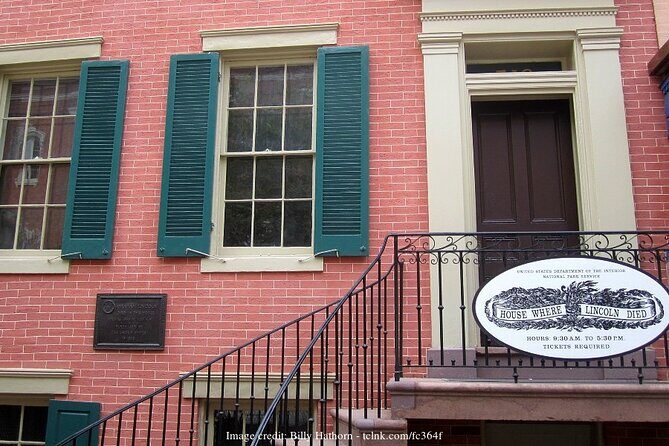
- Ford’s Theatre: where the story turns political
- White House neighborhood: assassinations, attempts, and the people behind power
- Lafayette Park, the Willard, and how architecture turns into evidence
- U.S. Capitol and FBI Headquarters: institutions you can see, stories you can’t
- Photo time, pacing, and what private really changes
- Price and value: is $185 per person worth it?
- Logistics that matter: where you meet and how you finish
- What to bring for a smooth 3-hour walk
- Who should book this tour, and who might skip it
- So should you book Secrets & Scandals?
- FAQ
- Where does the tour start?
- How long is the walking tour?
- Is this a private tour?
- Is food included during the tour?
- Are entrance fees included?
- What’s the cancellation policy?
Key highlights at a glance
- Ford’s Theatre to the White House area: you start where major history actually unfolded, then connect the dots.
- Assassinations plus attempted assassinations: you’ll learn about four presidential assassinations, from Abe Lincoln to JFK.
- Major institutions outside, not museum-only: you see the White House, U.S. Capitol, and FBI Headquarters as part of the story.
- Old Ebbitt Grill and The Willard: scandal talk lands next to recognizable, long-lived DC names.
- Truly private group experience: only your group participates, with a guide who can answer questions on the spot.
- English-only tour with mobile tickets: easy to use, and you’re not juggling complex paperwork.
Ford’s Theatre: where the story turns political
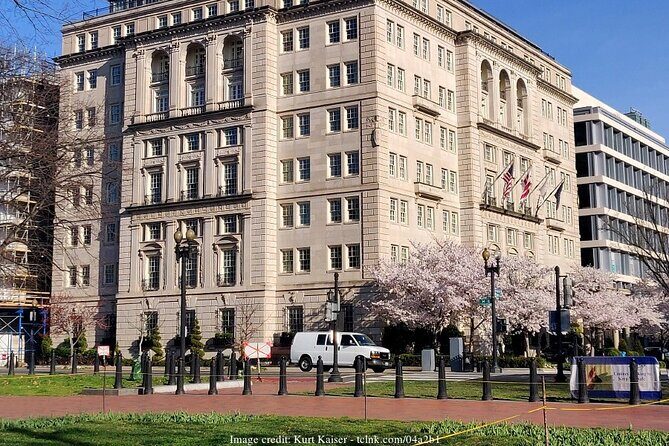
Your tour starts at Ford’s Theatre, 511 10th St NW, Washington, DC 20004—an address that already feels like a scene-setting detail. From the first steps, the focus is clear: this isn’t a facts-on-a-postcard route. It’s Washington as a place where power and consequences collide, and where the most dramatic moments changed the country’s direction.
What I like about starting here is the way it changes your whole mindset for the rest of the walk. When you’re standing near a landmark tied to a presidential assassination, every nearby government building stops looking “official” and starts looking human. And that’s the tone for the whole outing.
Expect a guide who uses the big political moments to explain why certain spots matter—especially around the White House neighborhood. This theme is the backbone of the tour: secrets, scandals, and the national-level ripple effects they created.
You can also read our reviews of more walking tours in Washington DC



White House neighborhood: assassinations, attempts, and the people behind power
The heart of the experience is the White House area, with stories that connect national tragedy and political wrongdoing to the physical spaces you’re walking past. You’ll see key sights in that neighborhood while your guide frames them with the kind of narrative Washington is famous for—who gained power, who tried to take it, and what got stopped.
The most specific storyline you should expect is the set of presidential assassinations, from Abe Lincoln through JFK, plus the many attempted assassinations that were thwarted. Even if you know some names already, the point here is the linking logic: how security, public access, and political systems evolved as the stakes rose.
The guide storytelling also tends to feel fast and sharp—one of the strongest points in the tour’s reputation. It’s the kind of route where anecdotes aren’t random; they connect back to the sites you’re seeing. One guide you might meet is Keshler, described as enthusiastic and happy to talk through the right context for an English-speaking couple. That sort of energy matters on a walking tour, because the city moves quickly and you want the story to keep pace with your feet.
You’ll also have time for photos, which is more important than it sounds in D.C. In this area, landmarks are often photographed from similar angles. Having time built in means you can get the shot you actually want, without feeling rushed through the next stop.
Practical note: the tour doesn’t include entrance fees, so don’t plan on museum-style entry during the walk. You’re mostly learning by seeing and listening—standing outside, looking around, and letting the guide do the connecting work.
Lafayette Park, the Willard, and how architecture turns into evidence
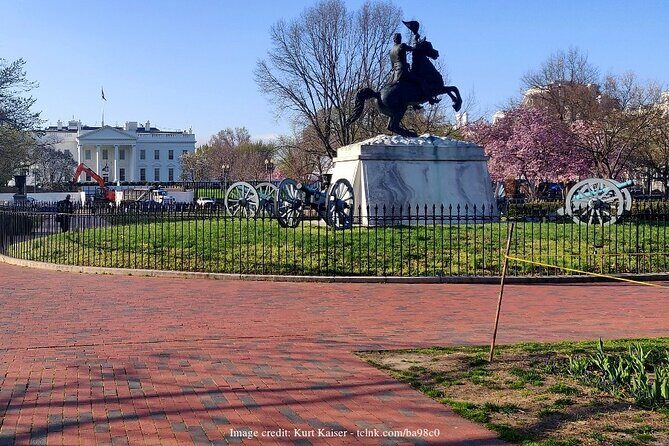
A standout part of this experience is how it treats architecture like clues. One of the favorite themes from the tour’s discussion points includes Lafayette Park history, with attention to architecture and statues, plus how those features connect to political storytelling.
That might sound like a small detail, but it changes how you see D.C. Statues and park layouts often look like decoration until someone explains why they’re here and what they were meant to communicate. When your guide ties those visuals to scandal and power, the city stops feeling like a lineup of monuments and starts feeling like a designed political stage.
Another big stop in the story arc is The Willard Hotel area. You’ll hear about its role in DC’s history and why it shows up in the kind of political tales this tour focuses on. The tour’s tone also brings in Old Ebbitt Grill, another long-running name that helps anchor the storytelling in places people recognize.
I like this approach because it turns “downtown landmarks” into actual locations in a narrative. It’s one thing to read about Washington’s scandals. It’s another to stand nearby and understand why that place is repeatedly referenced in political history.
If you’re the type who enjoys understanding motivations, you’ll probably enjoy this part the most. The tour isn’t just about what happened; it’s about how people used institutions, networks, and public moments to maneuver.
U.S. Capitol and FBI Headquarters: institutions you can see, stories you can’t

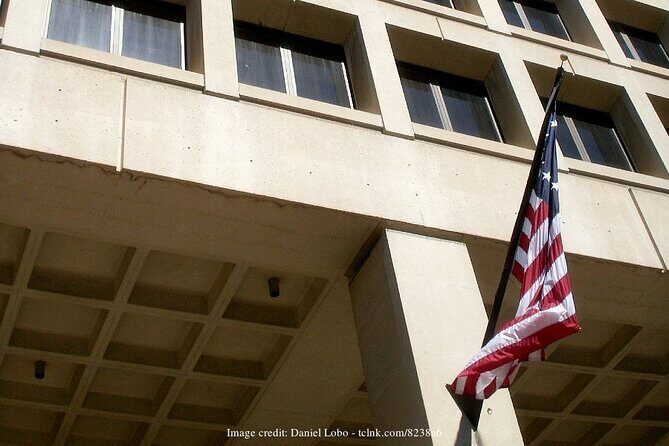
Beyond the White House neighborhood, the tour includes major political and law-enforcement landmarks. You’ll see the U.S. Capitol and FBI Headquarters as part of the broader theme: how government power and investigation have both shaped outcomes.
Why this pairing works is simple. The Capitol represents legislative authority—the formal process of governance. FBI Headquarters represents the enforcement and investigative side—what happens when rules, threats, and alleged crimes pull the system into a different mode.
This tour uses those landmarks to keep the story grounded. Instead of treating scandals as distant drama, you walk through the physical geography of the institutions involved. That matters in Washington, where the city is built to signal authority. Your guide helps you read the signals.
The tour also leans into the idea that Washington’s “center” is never just ceremonial. It’s a working machine where access, scrutiny, and secrecy all play roles. That’s why the title fits: secrets and scandals aren’t separate topics here—they’re the wiring that connects the institutions.
One guide you may meet is Raphael, whose anecdotes were described as riveting, giving the tour a hit-tape energy—like a TMZ-style approach to American political history, but grounded in facts and sites you can point to.
If you care about how political systems respond to threats, you’re likely to leave feeling like you understand the city’s incentives better.
Photo time, pacing, and what private really changes
This is a private tour for your group only, and that one line changes the whole experience. You’re not waiting for others who walk slowly or sprint ahead. Your guide can adjust the pace, answer questions as they come up, and spend more time where your interests actually land.
Your guide will also give you plenty of time to take photos of your favourite places. That’s not just for sightseeing satisfaction—it’s a learning tool. When you pause for photos, you slow down just enough to notice details you’d otherwise miss: street angles, building relationships, and the way parks and government structures align.
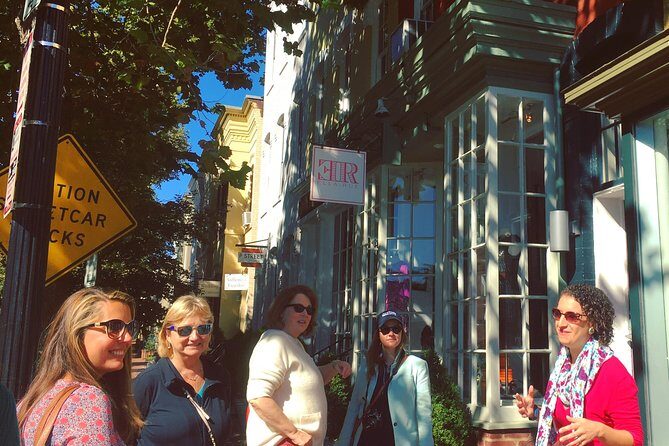
In the reviews style, guides like Stephen and Jonah were described as personally engaging and fun, with Stephen offering lively storytelling that made it feel like the city’s politics had personalities, not just policies. That personal approach is the benefit of private. When the story feels like it’s aimed at your group, the information sticks.
Pacing-wise, you should plan on moderate walking effort. The listing calls for moderate physical fitness, and some people note the route may involve less walking than some other tours they’ve taken. But it’s still a half-day walk, so wear comfortable shoes and expect you’ll be on your feet for most of the 3 hours.
You can also read our reviews of more private tours in Washington DC





Price and value: is $185 per person worth it?
At $185 per person for about three hours, this tour isn’t a budget add-on. It’s priced like a true private guiding experience.
So where’s the value? You’re paying for three things you can’t easily replicate on your own:
- A guide who can connect scandal and political events to the specific spaces you’re standing in
- A focused route that targets the “power center” stories, instead of covering every famous building
- The flexibility and comfort of a private group format, with photo time built in
If you’re traveling solo, the price may feel steep compared to group walking tours. But if you’re traveling with a partner or small group, private can become more reasonable because you’re not splitting the experience across dozens of people with different interests.
Also, admission is essentially free for this tour, and entrance fees aren’t included. That’s a hidden value point in D.C., where some attractions stack up quickly. Here, you’re mostly paying for guiding and the time investment, not ticket hassles.
If you’re the kind of traveler who likes your history with plot, context, and personalities, the price starts to make sense. You’re not just looking at buildings—you’re learning why they mattered.
Logistics that matter: where you meet and how you finish
You meet at Ford’s Theatre, then end in a location close to public transport and taxi links in Washington D.C. The guide also assists with advising you on how to get around afterward.
That ending detail matters more than it seems. D.C. can feel like a grid of connections, and you don’t want to finish a tour far from transit when you still have dinner plans or a train to catch.
Because the tour uses a mobile ticket, you won’t be scrambling for paper confirmations. And because it’s offered in English, you can focus on the story instead of worrying about language barriers.
What to bring for a smooth 3-hour walk
Since food and drink aren’t included, plan to grab a meal before or after. Your guide will be happy to recommend local favourites along the way, which is helpful if you want a quick, sensible next step for lunch or an early dinner.
Bring:
- Comfortable walking shoes (you’re outside and on your feet)
- A camera or phone you can actually use while moving
- Water and a small layer for changing outdoor conditions (especially in a city like Washington)
Also, think about your energy level. The listing suggests moderate physical fitness, so if you have mobility concerns, it’s worth matching the pace to what your body can handle. Private can help because the guide can slow down if needed, but the route still involves walking.
Finally, if you’re someone who loves questions, bring them. This tour’s whole style is built for conversation, not silent monument-watching.
Who should book this tour, and who might skip it
This tour is a strong match if you want:
- Politics and scandal connected to real places, not just names in a textbook
- Major D.C. landmarks tied to one storyline, centered around power
- A guide-led experience where you can ask follow-ups
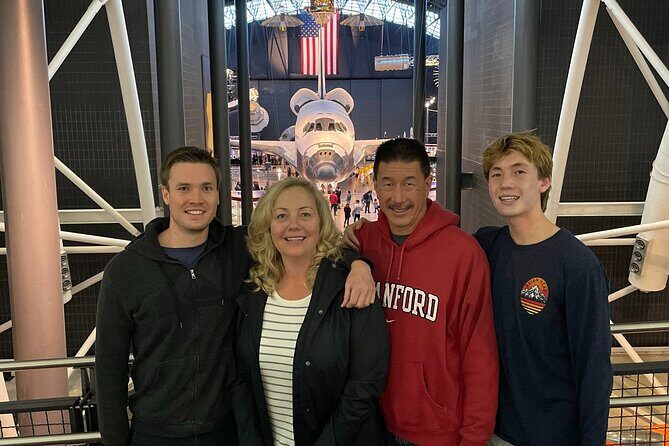
It’s also great for couples and small families who want a shared narrative rather than separate group wandering. In the tour’s feedback, families with parents and adult sons enjoyed the guide’s storytelling style, with an emphasis on how the information was explained clearly and personally.
You might want a different style if:
- You prefer long museum time or inside-the-building tickets
- You want a strictly neutral, low-drama sightseeing approach
- You’re unwilling to walk for about three hours outdoors
But if you like your Washington with a plot, and you enjoy understanding the “why” behind famous sites, this is exactly that.
So should you book Secrets & Scandals?
My take: book it if you want Washington D.C. to feel like a living story. The tour’s big strength is that it treats the city’s power centers—White House neighborhood, Capitol area, and FBI Headquarters—as part of one connected narrative about secrets, scandal, and high-stakes events.
I’d skip it if your ideal day is mostly quiet looking at monuments with minimal context. This tour leans into the darker side of political history and uses place-based storytelling to make it make sense.
If you do book, choose it knowing you’ll be walking for ~3 hours, you’ll have time for photos, and you’ll leave with a more structured understanding of why certain sites in Washington get referenced again and again. That’s the practical payoff: you’ll start seeing the city differently long after the tour ends.
FAQ
Where does the tour start?
It starts at Ford’s Theatre, 511 10th St NW, Washington, DC 20004.
How long is the walking tour?
The duration is about 3 hours.
Is this a private tour?
Yes. It’s private, and only your group participates.
Is food included during the tour?
No. Food and drink aren’t included, but your guide can recommend local favourites along the way.
Are entrance fees included?
No entrance fees are included. The tour notes admission ticket free.
What’s the cancellation policy?
You can cancel for a full refund if you cancel at least 24 hours before the experience starts. If you cancel less than 24 hours before, the amount you paid won’t be refunded.