REVIEW · HISTORICAL TOURS
Two Smithsonian Museums Private Tour: American & Natural History
Book on Viator →Operated by Travel Curious · Bookable on Viator
Two Smithsonian museums in one private morning is a great shortcut. You’ll pair human and U.S. history at the American History Museum with the big natural-world wow-factor at the Natural History Museum, while your guide steers you to headline artifacts like Lincoln’s top hat and Dorothy’s ruby slippers. It’s interesting because the day isn’t just a checklist; it’s a guided plan for a huge, crowded place.
I especially like the private-group setup. It makes it easier to adjust on the fly—asking what you care about and focusing your time there—rather than getting stuck reading placards at random. One consideration: the whole experience runs about 3 hours, so if you want specific exhibits beyond the highlights, you should arrive with a short list.
In This Review
- Key tour takeaways
- American History Museum: from presidents to protests (and what to aim for)
- Natural History Museum: Hope Diamond, T-Rex, and ecosystems in two hours
- The private guide advantage: how great tours avoid time waste
- Pacing and your best prep before you arrive
- Price and value: paying for a guide, not entry tickets
- Should you book this Smithsonian American + Natural History private tour?
- FAQ
- How long is the private tour?
- Where does the tour start and end?
- What’s included in the price?
- What is not included?
- Is this tour private?
- Can I cancel if plans change?
Key tour takeaways
- Two museums, one plan: You hit American history first, then Natural History, with a short break built in.
- Icon artifacts: Lincoln’s top hat and Dorothy’s ruby slippers at American History; Hope Diamond and a T-Rex fossil at Natural History.
- Short film + mammal timeline: You get a guided story of mammals over 200 million years, not just static displays.
- Private guide attention: People like John Grant and Jalesa for tailoring the route to the group’s interests.
- Free museum admission included: You’re paying for the guide and the structure, not entry tickets.
American History Museum: from presidents to protests (and what to aim for)
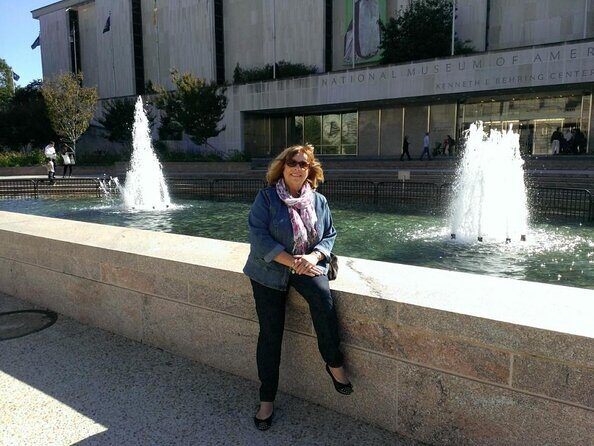
Your day starts at the National Museum of American History, at 1300 Constitution Ave. NW. The tour begins with a quick overview of American history, then shifts into guided walking through exhibitions where the story changes by era—political power, cultural life, war, protest, triumph, and tragedy.
What makes this stop work well is how the guide frames objects. Even if you know the headline dates, you’ll usually learn why certain items matter and what context to look for as you move through galleries. American history museums can feel like a lot of rooms and a lot of text. A guide helps you pick up the threads so you’re not just staring at cases.
I also like that this stop is flexible. The tour is built to help you explore topics like women’s history, African American history, Latin American history, and other areas you can flag in advance. That matters because American history isn’t one lane—it’s many storylines at once. If you care about a specific angle, this kind of private format gives you a real shot at landing in the right place instead of hoping you’ll stumble into it.
One practical note: this museum is big, and your time here is about 1 hour. That means you’ll feel the pressure to make choices. If you show up with no plan, you’ll still see important highlights, but you might not reach the exact exhibits you daydream about.
You can also read our reviews of more private tours in Washington DC



Natural History Museum: Hope Diamond, T-Rex, and ecosystems in two hours
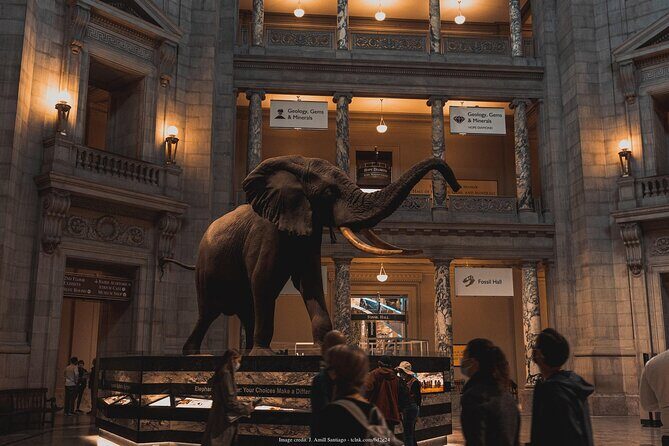
After the first stop, you head to the Smithsonian National Museum of Natural History. The tour time here is about 2 hours, and it ends inside the museum near 10th St. & Constitution Ave. NW. Natural History can swallow time fast, because it’s packed with major displays and open spaces where you can wander for ages.
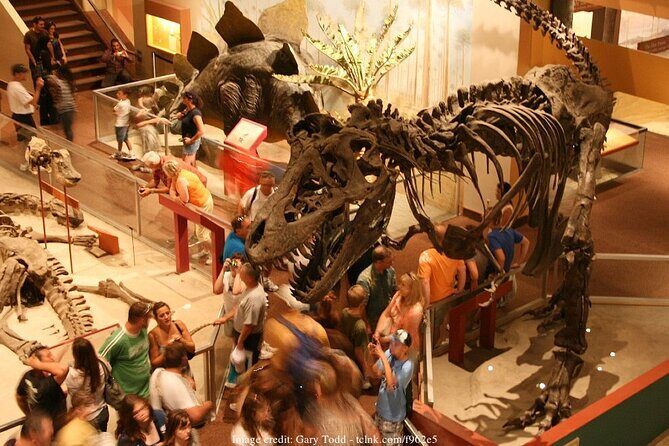
This tour focuses you on a best-of route, including some of the most famous items: the Hope Diamond (Harry Winston’s donation), a T-Rex fossil, and a short film that traces the history of mammals over 200 million years. That combo is smart. The Hope Diamond is a sparkly, easy-to-recognize anchor. The T-Rex fossil gives you scale and age. The film helps connect the dots so you’re not just looking at individual specimens—you’re following a timeline.
Then you’re guided into earth’s ecosystems, including areas like the ocean galleries where you can see creatures ranging from the smallest life in the sea to large ocean animals. The big win here is that you’re getting a guided path through multiple “worlds” of natural science—geology and life cycles, ocean ecosystems, and major fossil and mammal storylines—without needing to spend hours picking your own route.
If you’ve been nervous about how to navigate the Natural History Museum, this is the part where a guide tends to make the biggest difference. People mention guides who make sure you hit the right rooms through heavy crowds. In your shoes, I’d treat this stop as a “high-impact” segment and let the guide handle where to go first.
The private guide advantage: how great tours avoid time waste
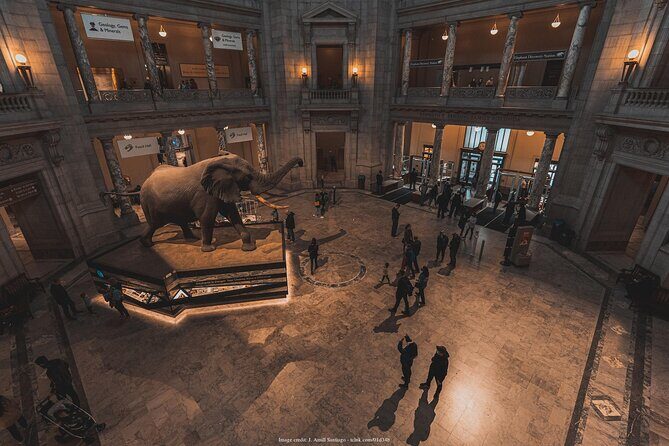
The tour is private, meaning only your group participates, led by an English-speaking guide. That matters because Smithsonian museums are free, which also means they’re popular. Without a plan, you can burn time moving slowly through crowds, then end up spending the most energy near the entrance—where you won’t necessarily get the best story.
In the feedback, guides like John Grant and Jalesa come up for a reason: they don’t just point at objects. They ask what your group is into and then adjust the route. That’s especially useful if you’re mixing ages—say, teens who want the “cool stuff” with adults who want context—or if your group has one or two must-sees and everything else is negotiable.
Here’s the practical takeaway for you: arrive with two categories of interest.
- Must-see icons (examples you’ll likely care about here: Lincoln’s top hat, Dorothy’s ruby slippers, the Hope Diamond, the T-Rex).
- One deeper theme (women’s history, a specific minority history topic, wars and protest, or ecosystems).
With that, you’ll get far more from the guide’s time. A guide can’t guess your priorities perfectly, but they can steer you fast once they know what matters.
Also, don’t overlook the “small facts” effect. Several people mention guides spotting details you might skip—things that make an object feel less like a random artifact and more like part of a story. That’s where private tours often pay off: not just speed, but meaning.
Pacing and your best prep before you arrive
Because the tour is about 3 hours total, pacing is part of the deal. American History is about 1 hour, Natural History about 2 hours. That can feel like a whirlwind if you want to linger in one room for a long time.
So I’d prep in a very old-school way:
- Pick your top 3 stops inside each museum (big-name artifacts count).
- Decide which theme matters most (history topics at American History; ecosystems and major fossil/mammal storylines at Natural History).
- Keep questions short and pointed. If you ask a broad question, you might not get the full answer before your route moves on.
There’s also the “sound reality” of museum tours. These halls can be busy, so if you’re sensitive to not hearing well, you may want to prepare yourself for crowd noise. And if you’re traveling as a family or with multiple ages, remind the guide early that you’ll need a rhythm that works for everyone’s attention span.
Good news: the private format helps you avoid the worst kind of rushed experience. The guide can slow down where you care most and move faster past rooms you’d rather skip. That’s a lot better than feeling trapped in someone else’s itinerary.
On the logistics side, the tour includes mobile ticket access, and it’s near public transportation. The day is designed for visitors with moderate physical fitness, so wear comfortable shoes. You’ll likely do plenty of walking—Smithsonians are not “sit in one room and learn” kind of museums.
Price and value: paying for a guide, not entry tickets
At $185 per person for a roughly 3-hour private tour, this price can look steep at first glance—especially because both Smithsonian museums have free general admission. But here’s the value math that usually matters most:
You’re paying for:
- A guide to set your route through two huge museums
- Context that helps you understand what you’re looking at
- A private group experience that can adapt to your interests
- Time saved from trial-and-error wandering
If you went on your own, you’d still be able to see the Hope Diamond and the T-Rex, and you could probably find Lincoln’s top hat. The question is how much effort it would take to connect the objects to the bigger themes in the time you have. For many people, the guide is the difference between a “cool day out” and a day that actually feels organized and educational.
This tour also ends efficiently. You start at the American History Museum and finish inside the Natural History Museum, which makes it easier to keep sightseeing without backtracking across the mall.
Who tends to get the best value?
- First-time visitors who want the top highlights fast
- Groups with mixed interests (history lovers + science lovers)
- Families who want structure so kids don’t burn out before the good exhibits
- Anyone with limited time in Washington, D.C.
Who might find it less satisfying?
- People who already know exactly where they want to go inside each museum and plan to spend hours there
- Groups expecting a lot of “extra” beyond the highlights, since the total time is limited
You can also read our reviews of more historical tours in Washington DC





Should you book this Smithsonian American + Natural History private tour?
If your goal is a smart two-museum introduction in a short window, I’d say this is worth serious consideration. The tour hits famous objects—Lincoln’s top hat, Dorothy’s ruby slippers, the Hope Diamond, and the T-Rex fossil—but it’s also set up to explain what those things represent in broader U.S. and natural history stories.
Book it if you want a guide to:
- Help you choose what to see without wasting time
- Connect objects to themes (wars, protest, ecosystems, mammal evolution)
- Tailor the route to your group’s interests
I’d hesitate only if your expectations are unrealistic for the time. In 3 hours, you won’t “cover everything.” You’ll cover what you can cover—very well if you come prepared.
Finally, check your comfort with the walking pace. The tour is described for moderate physical fitness, and museum crowd levels can affect how relaxing it feels. If you’re comfortable with that tradeoff, the private setup is a strong way to make your Smithsonian day feel purposeful.
FAQ
How long is the private tour?
It’s about 3 hours total. The American History Museum stop runs about 1 hour, and the Natural History Museum stop runs about 2 hours.
Where does the tour start and end?
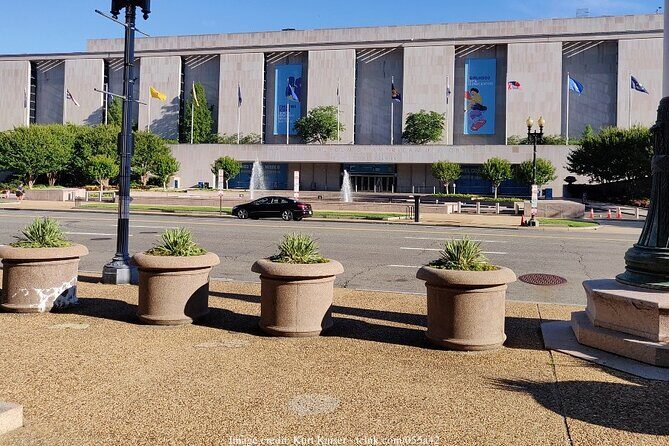
It starts at the Smithsonian National Museum of American History, 1300 Constitution Ave. NW, Washington, DC 20560. It ends inside the Smithsonian National Museum of Natural History near 10th St. & Constitution Ave. NW, Washington, DC 20560.
What’s included in the price?
You get a friendly, professional English-speaking guide for your private group and entrance to both museums: the National Museum of American History and the Smithsonian National Museum of Natural History.
What is not included?
Gratuities are optional. Food and drink aren’t included, and transportation on the day (if you need it) and hotel pickup/drop-off aren’t included.
Is this tour private?
Yes. It’s a private tour/activity, and only your group will participate.
Can I cancel if plans change?
Yes, free cancellation is available if you cancel at least 24 hours before the experience’s start time for a full refund. The tour also requires good weather; if it’s canceled due to poor weather, you’ll be offered a different date or a full refund.