REVIEW · HISTORICAL TOURS
Smithsonian Natural History Museum Semi-Private Guided Tour
Book on Viator →Operated by Unscripted Tours · Bookable on Viator
A record-setting T-Rex starts this tour. I love the small-group format (max 6), because it keeps questions from getting lost, and I also love that you’ll get real time around the fossil lab and scientists working on specimens. The only real drawback is simple: at ~2 hours, this isn’t a full museum takeover, so you’ll still want a plan for what you’ll revisit later.
What makes this one different is the pacing. You meet at the Unscripted Welcome Center, talk logistics with your guide, then move through Smithsonian spaces in a tight route designed for the highlights. When the guide is Shane, the energy seems to click fast: in a small-group situation, he turned the tour into a patient, easygoing highlight reel with smart context.
For the best experience, come with comfortable shoes and a moderate pace in mind. You’ll walk, you’ll stand, and you’ll want your eyes free for details like the Hope Diamond, Henry the Elephant, and the museum’s major fossils.
In This Review
- Key highlights at a glance
- A semi-private Smithsonian route that doesn’t waste your time
- Price and what you get for $129 in 2 hours
- Meet Henry the Elephant and the museum’s headline fossils
- The Hope Diamond and the big “wait, how did that happen?” stones
- Fossil lab time: seeing scientists work, not just finished displays
- Archaeology-adjacent moments and bone-level details
- Logistics that actually matter: where to go, how to move, what to bring
- Who this Smithsonian tour fits best
- Should you book this tour? My straight call
Key highlights at a glance
- Max 6 people keeps the tour flexible and question-friendly
- Hope Diamond + iconic specimens cover the museum’s biggest nameplates fast
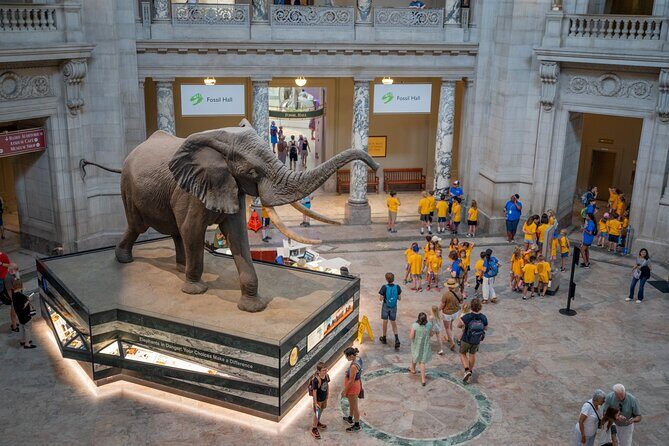
- Henry the Elephant gives you a fun, memorable first encounter
- Fossil lab access shows scientists working on real fossils
- The Last American Dinosaurs adds a strong science-and-story angle
- Bottled water + mobile ticket are small touches that help a lot
A semi-private Smithsonian route that doesn’t waste your time
The Smithsonian National Museum of Natural History is huge. That’s the good news, and also the bad news. On your own, it’s easy to drift, miss key exhibits, and end up spending more time finding entrances than seeing what you came for.
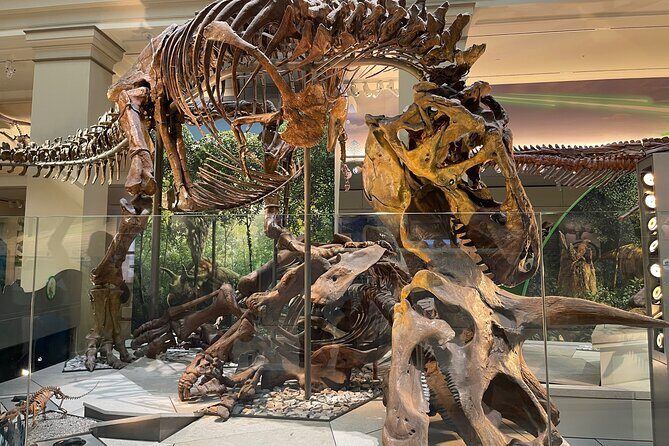
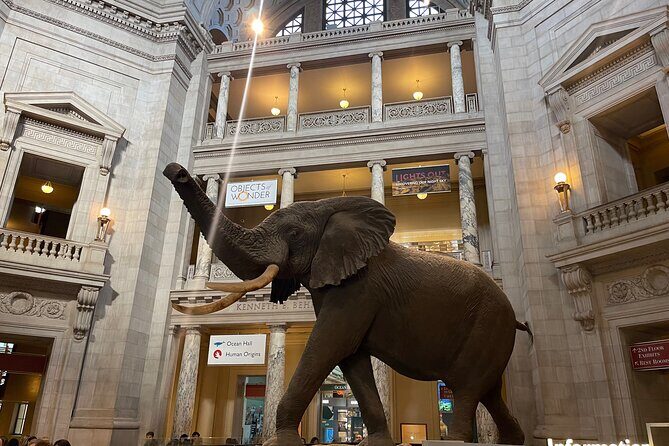
This tour is built to prevent that. With a maximum group size of 6, you’re more than just a body moving through halls. You can ask, you can stop, and your guide can steer you toward the displays that matter most—like the Hope Diamond, the largest complete T-Rex fossil found in the United States, and Henry the Elephant.
And the tone feels practical. This isn’t a “just look at pretty things” lap. It’s a guided path through objects that connect science, history, and the stories we tell about the natural world.
You can also read our reviews of more guided tours in Washington DC



Price and what you get for $129 in 2 hours
$129 per person sounds steep until you compare it to what a self-guided museum day usually becomes in DC: ticket math, schedule stress, and the risk that you’ll see only a fraction of the museum’s most famous work.
Here, you’re paying for focus. The tour is about 2 hours (around 1 hour 50 minutes in the museum after a short orientation), and it’s guided by Unscripted Tours. You also get bottled water, and you’ll use a mobile ticket, which helps on a day when you’re carrying less and scanning more.
Is it still “short”? Yes. That’s the trade. You’ll leave with a sharpened sense of where to go next, not with the feeling you finished everything. If you’re the type who wants a full-depth museum sprint, you’ll need a second visit. If you want the greatest hits plus the science backstory, this time block is a smart fit.
Meet Henry the Elephant and the museum’s headline fossils
Your day starts at the Unscripted Welcome Center at 400 7th St NW #102. You meet your guide there and talk through your tour before you head into the museum. That little pre-walk chat matters more than it sounds, because it sets expectations and helps your guide tailor the route to what you’re most excited about.
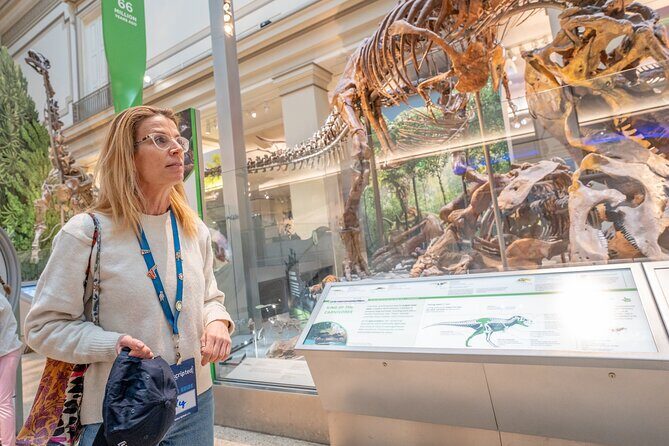
Once you’re inside, the highlights hit early. You’ll meet Henry the Elephant, which is a great opener because it’s eye-catching and gives you an instant “OK, this is real” moment. Then you’ll move into the fossil section where the tour leans hard on the museum’s major specimens—especially the largest complete T-Rex fossil found in the United States.
That combination works well. Elephants are a crowd-pleaser, and dinosaurs pull you into the scale of deep time. A guided route helps because fossils aren’t just big bones behind glass. Your guide can point out what you’re actually looking at—how the pieces relate, why the setup is the way it is, and what to notice when you’re faced with a towering skeleton.
The Hope Diamond and the big “wait, how did that happen?” stones
One of the best parts of this tour is how it links beauty with process. You’ll see the famed Hope Diamond, and you’ll also encounter original stones connected to the US Capitol. That pairing is useful because it shows gems not only as jewelry or decoration, but as materials with cultural and institutional meaning.
You’ll also spend time in areas where gems and crystals get explained in a way that feels less like a lecture and more like guided looking. In fact, that gems-and-crystals focus is something people come away talking about, because it makes the displays feel hands-on. You know what you’re seeing, not just that it’s shiny.
One more element worth mentioning: the tour includes learning about the oldest unsolved mystery in history. The museum doesn’t just drop objects in front of you here; it connects them to a question that still sparks curiosity. It’s the kind of stop that makes you look again after the guide moves on.
If you like moments where science and story intersect, this is your section.
Fossil lab time: seeing scientists work, not just finished displays
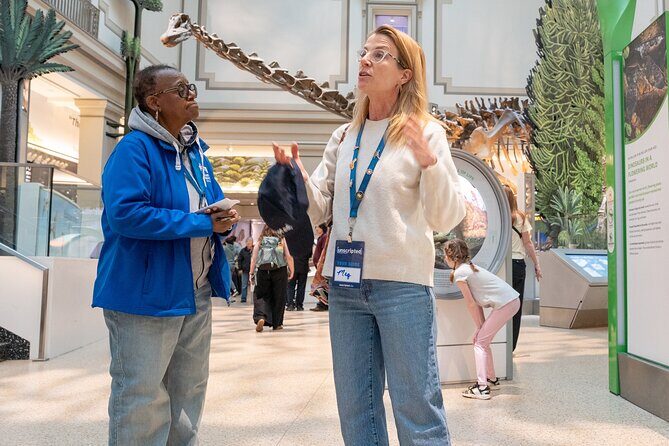
This tour gets extra credit for the fossil lab angle. You’ll visit the fossil lab and spend time around real workspaces connected to fossils. The tour description includes watching scientists working on real fossils, which is exactly why this experience feels different from a standard museum walk.
Seeing the fossil lab changes how you view the exhibits. Instead of thinking of dinosaurs as static “things in a room,” you start to see them as projects—sorting, cleaning, analyzing, comparing, and interpreting. Even without technical training, you’ll catch the idea that research is ongoing and that the “finished” skeleton is only part of the story.
And the stop includes time in The Last American Dinosaurs exhibit, which helps you connect the fossil lab work to the bigger narrative of evolution and extinction. It’s also where the tour’s pace can surprise you—in a good way—because the guided look tends to pull you into specifics you might miss when you’re scanning on your own.
If you’re traveling with kids, this section often works because it feels like backstage access. If you’re traveling as an adult, it tends to land because it turns curiosity into context.
You can also read our reviews of more private tours in Washington DC






Archaeology-adjacent moments and bone-level details
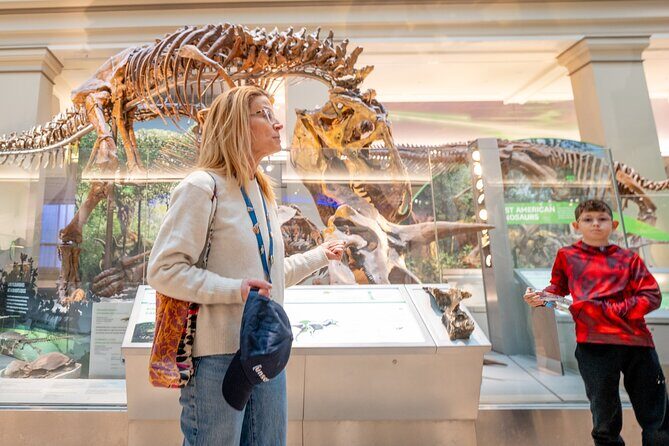
Even though the museum is best known for famous fossils, this tour also includes stops that feel archaeological—places where you can see work areas and bones that connect human and animal history. That kind of angle is valuable because it breaks the “dinosaurs only” mental frame and shows how natural history museums do more than paleontology.
In a guided setting, these stops can be especially effective. Your guide can point you toward what’s worth noticing: how the spaces are arranged, what kinds of specimen work take place, and how the museum turns raw material into something that can teach.
This is one of those sections where a guide’s ability to explain in plain language makes the difference. When the group is small, you can also ask follow-ups, which is where tours like this can turn from “nice” into “I’ll remember this.”
Logistics that actually matter: where to go, how to move, what to bring
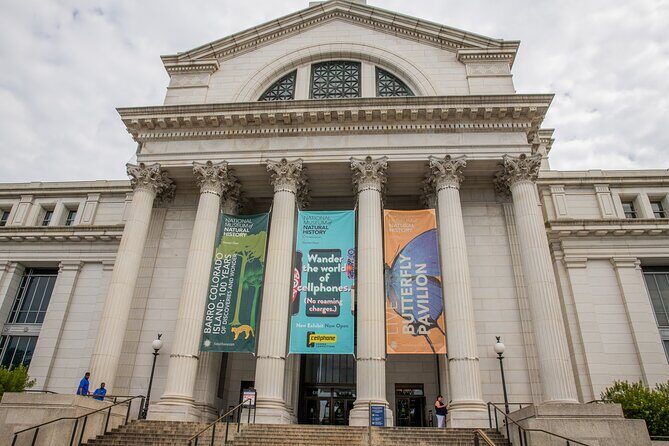
You’ll start at Unscripted by Guided Tours DC at 400 7th St NW #102. Your end point is at the Smithsonian National Museum of Natural History, near the 10th St & Constitution Ave. NW area. The tour uses a mobile ticket, and it’s near public transportation, so you can plan for a simple arrival and an easier departure.
Plan your timing with a little padding. The tour is about 2 hours total, and you’ll want to avoid being rushed at the start. Wear comfortable shoes. You’ll stand in front of major objects, and you’ll move between galleries at a museum pace.
Also, bring the kind of attention span that likes stopping and looking. This tour rewards curiosity. If your idea of a perfect museum visit is “walk fast, photos only,” you may feel the structure is a little controlling. If you like guided looking, you’ll likely find the pace just right.
Who this Smithsonian tour fits best

This tour is a great match if you want:
- A tight route through the museum’s most famous objects without the guesswork
- A small group with the ability to ask questions
- Science context, not just display labels
- A fossil lab experience that adds meaning to the skeletons
It’s also a good option if you’re on a DC itinerary where you can’t afford half-day museum wandering. Two hours is easier to slot into a trip than a full-day plan.
If you’re the sort of person who wants to read every placard and absorb everything at a slow pace, this won’t replace that approach. You’ll use it as a smart “first pass,” then return on your own to linger where you want more time.
Should you book this tour? My straight call
Yes, I think you should book this if you want the museum’s top hits plus a real science angle, and you care about doing it with a guide instead of improvising. The biggest strengths are the semi-private size, the Fossil Lab component where scientists are working on real fossils, and the way the route hits major icons like Henry the Elephant and the Hope Diamond.
I’d be cautious only if you’re expecting a full museum tour in 2 hours or if you hate walking and standing. In that case, you’ll feel boxed in.
If your goal is: see the best things, understand what you’re looking at, and leave with clear next steps for what to explore later, this one earns its spot on your Smithsonian list.