REVIEW · HISTORICAL TOURS
Smithsonian National Museum of Natural History Guided Tour
Book on GetYourGuide →Operated by UTG EXPERIENCE LIMITED · Bookable on GetYourGuide
Two hours is a fast path to wonder. This Smithsonian National Museum of Natural History guided tour gets you moving quickly through a museum packed with over 145 million specimens, with a guide who helps you spot what matters. I like that you start with orientation and then head straight for big highlights instead of wandering blind.
I also like the mix of what you’ll see: dinosaur remains, tools tied to early humans, unusual gemstones, and even mummies, all tied together with live explanations. When the guide is strong, the exhibits stop being a wall of labels and start feeling like a story with cause-and-effect.
The main drawback to plan for is pace. At 2 hours, the route can feel quick, and you might want to slow down afterward if you’re the type who likes lingering at interactive areas or reading every label.
In This Review
- Key reasons this guided tour works
- Smithsonian speedrun: why a guide makes sense here
- Where you meet and how you avoid the start-up stress
- The museum’s main attraction: over 145 million specimens, in human time
- Dinosaurs first: why fossil stops change the whole visit
- Human artifacts, tools, and the mummy contrast you didn’t expect
- The 2-hour plan: what you can realistically accomplish
- Price and value: $75 when the museum entry is free
- Guides and the style that tends to work best
- Who should book this tour (and who should plan differently)
- Tips to get more out of your 2 hours
- Accessibility and comfort basics
- Should you book this Smithsonian Natural History guided tour?
- FAQ
- How long is the Smithsonian National Museum of Natural History guided tour?
- How much does the tour cost?
- Where do we meet the guide?
- Is museum entrance free?
- What’s included in the $75 price?
- What isn’t included?
- What language is the tour guide speaking?
- Is the tour wheelchair accessible?
- What is the cancellation policy?
- Can I reserve and pay later?
Key reasons this guided tour works
- Meet at the bottom of the stairs so you can start without guesswork
- Skip museum wandering and move straight to collection highlights
- Dinosaur bones + human artifacts in the same focused visit
- Live commentary that adds context to what you’re looking at
- Real time-saving value since museum entry is free
Smithsonian speedrun: why a guide makes sense here
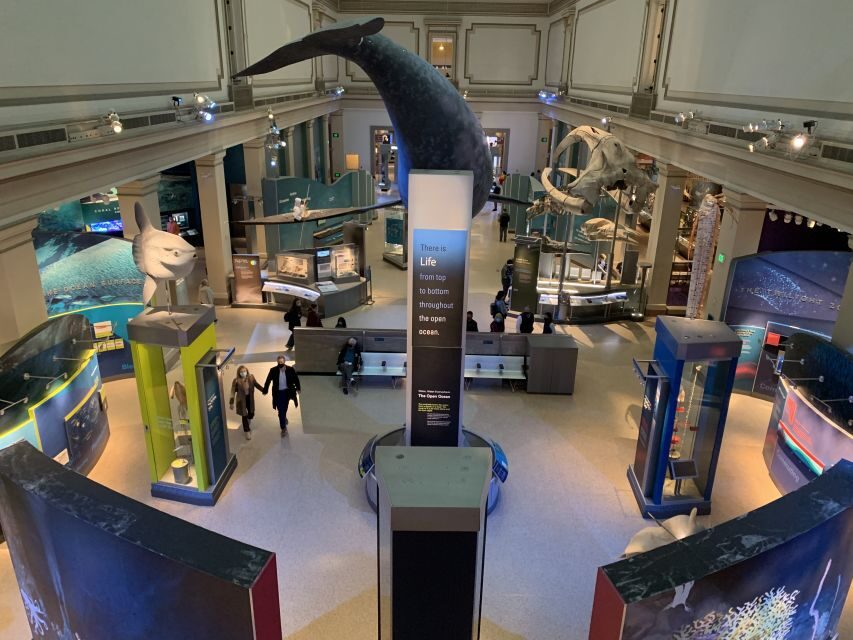
The Smithsonian National Museum of Natural History is the kind of place where you can walk for hours and still feel like you only scratched the surface. The collection is enormous—over 145 million specimens—and the galleries can be overwhelming if you don’t know where to aim your time. That’s where this guided tour earns its keep.
For me, the key value is simple: you’re not paying for a ticket to the museum. Entrance is free, and the $75 is for direction. A good guide acts like a map you can follow in real life. Instead of decoding signs while your feet get tired, you follow a route built around the museum’s strongest “wow” stops—dinosaurs, gems, mummies, and human artifacts.
The second reason this tour works is variety. Natural history can feel like separate boxes: fossils over here, rocks over there, anthropology somewhere else. This experience connects the themes so you understand why objects belong together—like how early human tools fit into the larger story of human development, or how preserved specimens help explain the living world today.
You can also read our reviews of more guided tours in Washington Dc



Where you meet and how you avoid the start-up stress
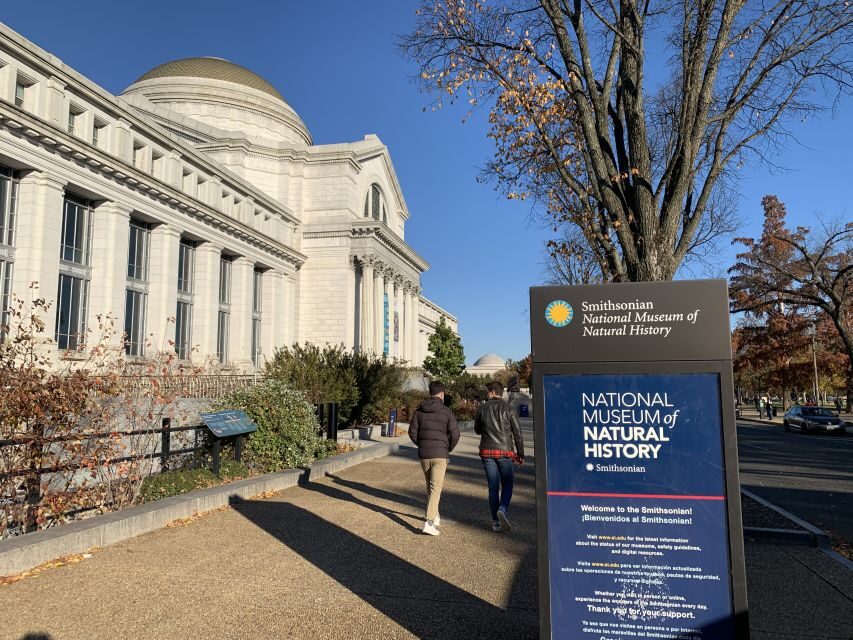
This tour keeps the logistics straightforward. You meet your guide at the bottom of the stairs outside the Smithsonian National Museum of Natural History. That detail sounds small, but it matters on the ground. If you’ve ever arrived at a major museum only to realize you’re searching for a meeting point while your group is waiting, you’ll appreciate this setup.
Also, because the meeting point is outside, you don’t waste time with inside-the-building confusion. You can arrive a few minutes early, get oriented, and then start moving as soon as the group is ready.
One more practical note: the tour is 2 hours, and it’s described as going directly to collection highlights. So plan your day around that block. If you try to stack a bunch of other museum plans right after, you may feel rushed—especially since the museum is free and full of tempting detours.
The museum’s main attraction: over 145 million specimens, in human time
The big promise is the scale: you’ll be navigating through a museum that houses over 145 million specimens. That number is hard to picture until you’re there. One wing feels small. Then you turn a corner and realize you’re looking at just one piece of a much larger collection.
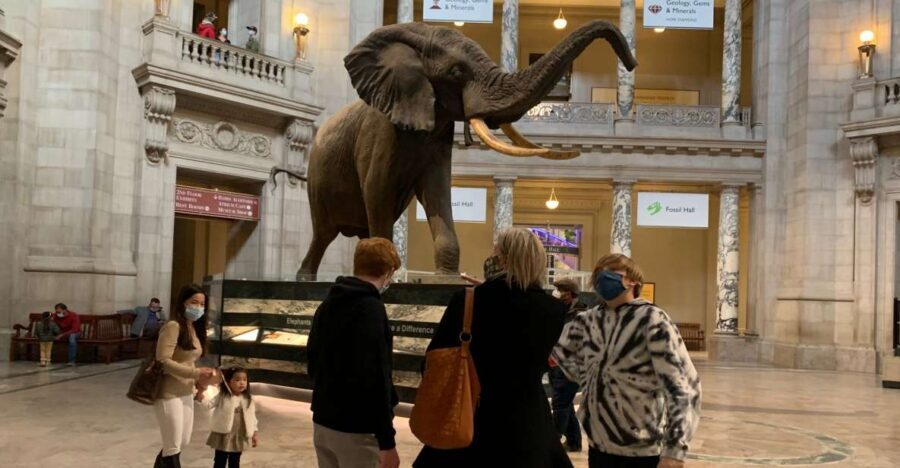
This guided tour helps you “zoom in” without losing the bigger picture. You’ll see the kinds of objects that anchor the museum’s reputation—dinosaur bones, preserved plants and animals, and human artifacts. The guide’s job is to help you notice the details that would be easy to miss if you’re doing it solo. That includes how fossils are presented, what makes particular gemstones visually striking, and what makes mummies historically important.
I like this approach because it respects how people actually visit museums. You can’t process everything, but you can process the best examples if you’re pointed to them. In 2 hours, that’s the difference between a scattered walk and a focused visit you’ll remember.
Dinosaurs first: why fossil stops change the whole visit
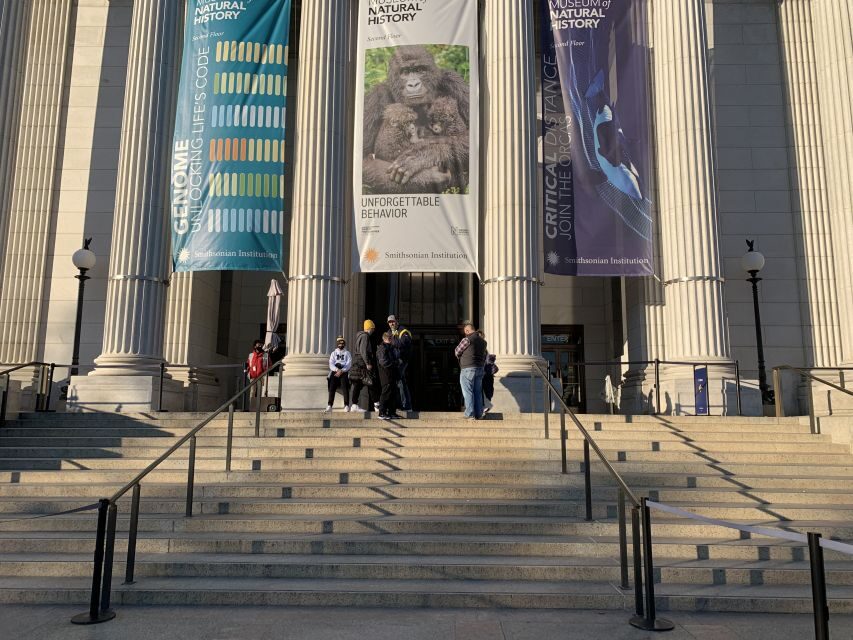
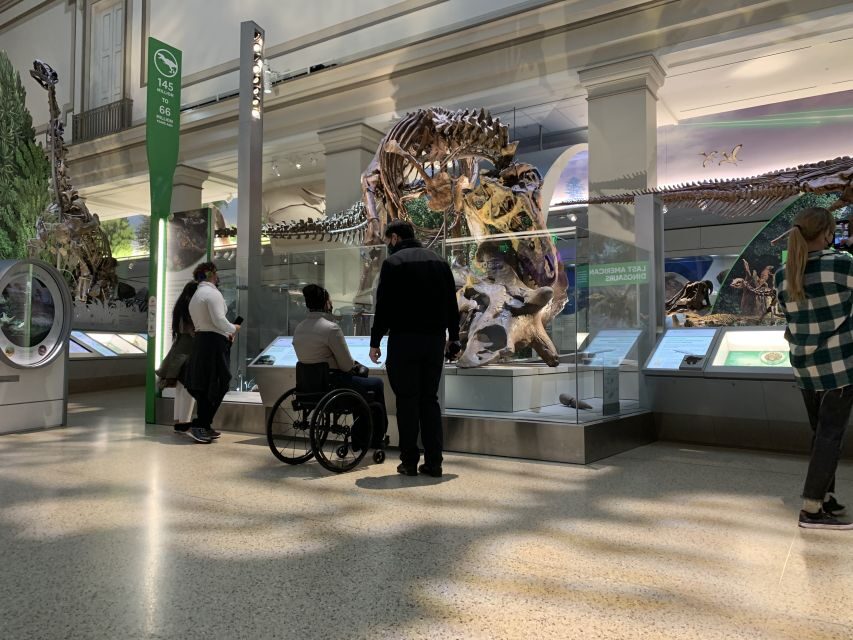
Dinosaur material is a natural anchor for the museum. When you get to dinosaur bones and remains, it’s not just about the visuals. Fossils are time machines, and the way they’re displayed gives you clues about how scientists interpret life from long ago.
In a guided format, you also get help connecting the dots quickly. Instead of just seeing huge skeletons, you start thinking about questions like: What parts of the skeleton tell you the most? How do bones get dated or categorized? What does the arrangement in the exhibit suggest about motion and behavior?
A strong guide can also keep the story from turning into a lecture. The goal isn’t to make you memorize dates. It’s to help you stand in front of the fossil and understand what you’re looking at with your own eyes—so the awe sticks.
Human artifacts, tools, and the mummy contrast you didn’t expect
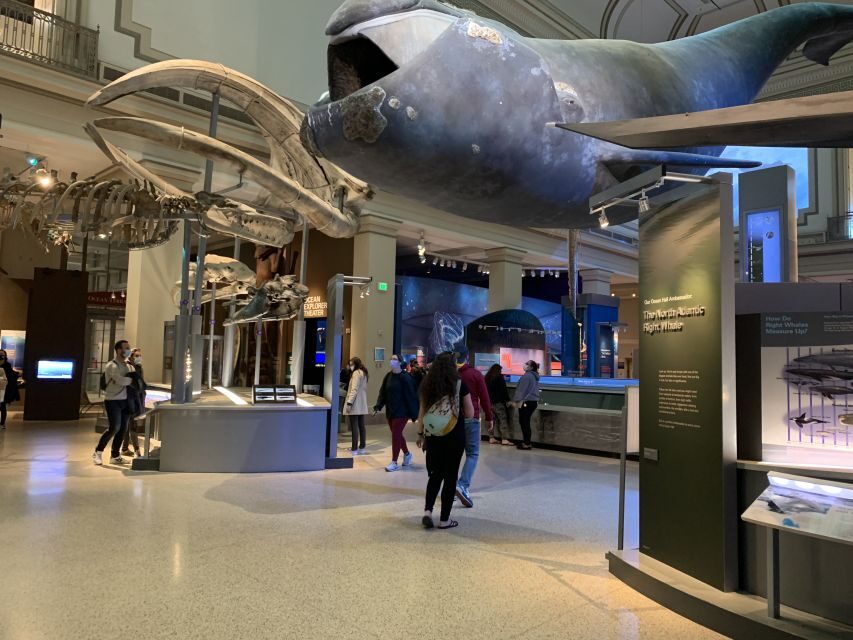
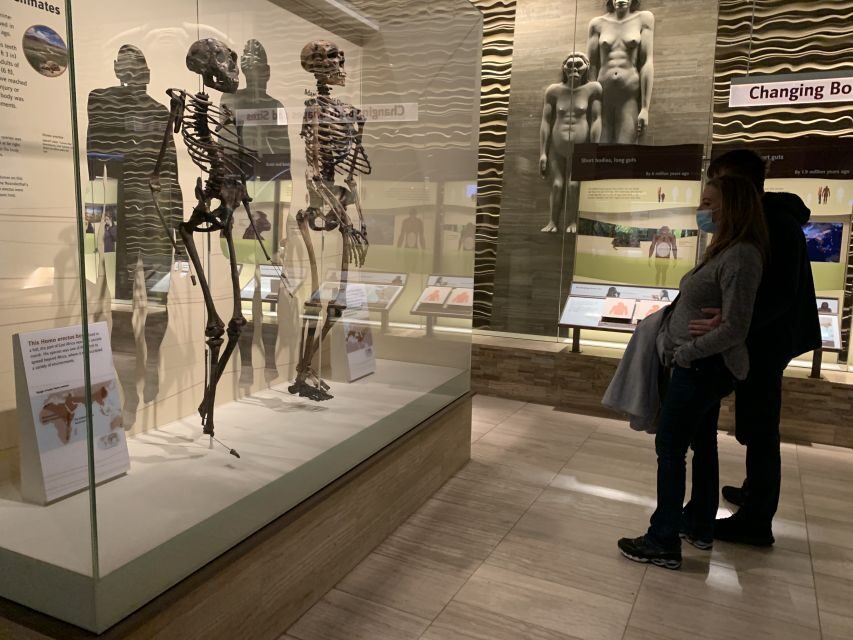
One of the most memorable parts of the tour’s “shape” is the mix: you’re not only looking at natural history specimens. You’ll also see human-related items—tools used by early humans and human artifacts—and then you may swing into objects like ancient mummies.
That contrast is exactly why the tour feels different from a purely fossil-focused visit. When you move from dinosaur remains to early human tools, you’re watching two different kinds of evidence interact. Fossils tell a story about ancient animals. Tools tell a story about how people changed their environment.
Then mummies add a third layer: preservation. Mummies aren’t just mysterious because they look old. They’re historically valuable because preservation can protect details that ordinary time would destroy. A guide can help you look past the shock-and-awe and into what makes these artifacts significant and how museums interpret them.
If you’re the kind of visitor who likes variety, this tour’s highlight selection is a real plus. If you prefer a single theme the entire time, you might find the switch between categories takes a moment to settle into. But for most people, it keeps attention up.
You can also read our reviews of more historical tours in Washington Dc






The 2-hour plan: what you can realistically accomplish
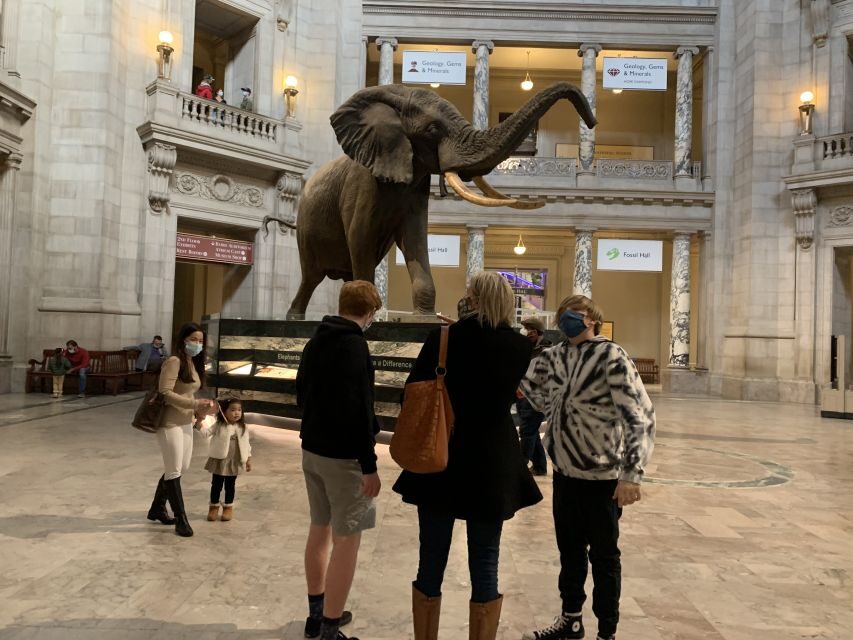
This is a two-hour highlights tour. That means the visit has to be efficient. You’ll go directly to key exhibits and spend enough time to get the “main ideas” without turning your day into a marathon.
In practice, that efficiency is a benefit. You’ll cover a lot of ground compared to wandering on your own. More importantly, you’ll know what to look for. Instead of spending your first hour just figuring out where things are, you spend the first hour getting oriented and then the rest of the time learning what you’re seeing.
The tradeoff is time pressure. Some visitors may prefer more slow, quiet time at interactive exhibits, and a highlights route can leave you wanting to return later. If that sounds like you, don’t panic. This tour is still a smart first pass. Treat it as the part where you get bearings, then plan a longer follow-up visit to revisit the places that grabbed you.
Price and value: $75 when the museum entry is free
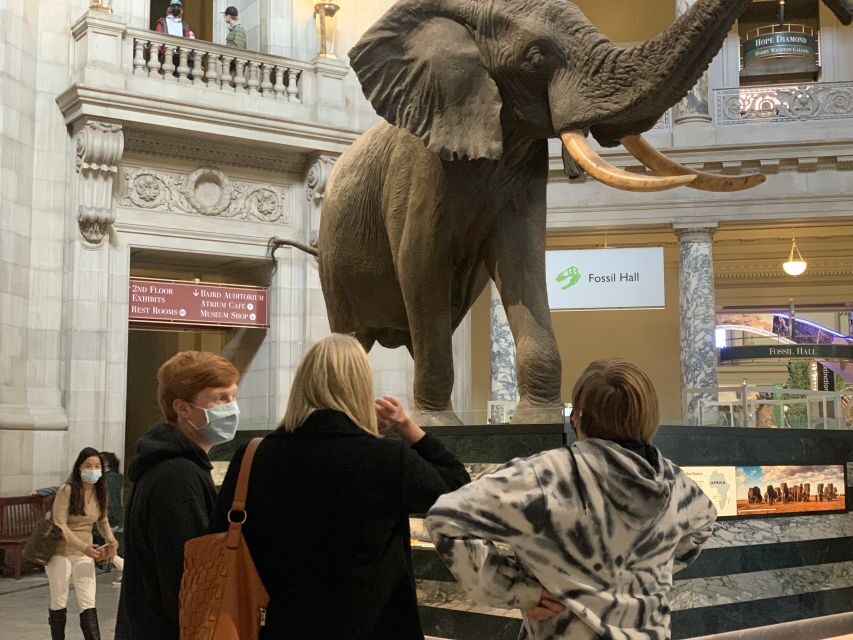
Let’s talk money in plain terms. You’re paying $75 per person for a 2-hour guided tour. Museum entrance is free, and entrance is included with your tour, which means your payment is for the guide service and the shortcut to highlights.
So the real question is: do you want a guide to save you time and help you interpret what you see? If yes, $75 can feel fair, especially because you’re getting live commentary rather than just buying a ticket and hoping you’ll figure it out.
Here’s how I’d judge value before booking:
- If you’re traveling with kids, a guide can keep attention moving and answer questions on the spot.
- If you have limited time in DC, this tour is a way to see major hits without spending the whole day navigating.
- If you love reading but also hate confusion, the guide can reduce dead time and you can spend your saved minutes reading where it matters.
On the other hand, if you plan to stay at the museum for most of the day anyway and you’re comfortable choosing your own route, you might decide to do it on your own. The tour is best as a “high-impact start” rather than the only thing you do in the museum.
Guides and the style that tends to work best
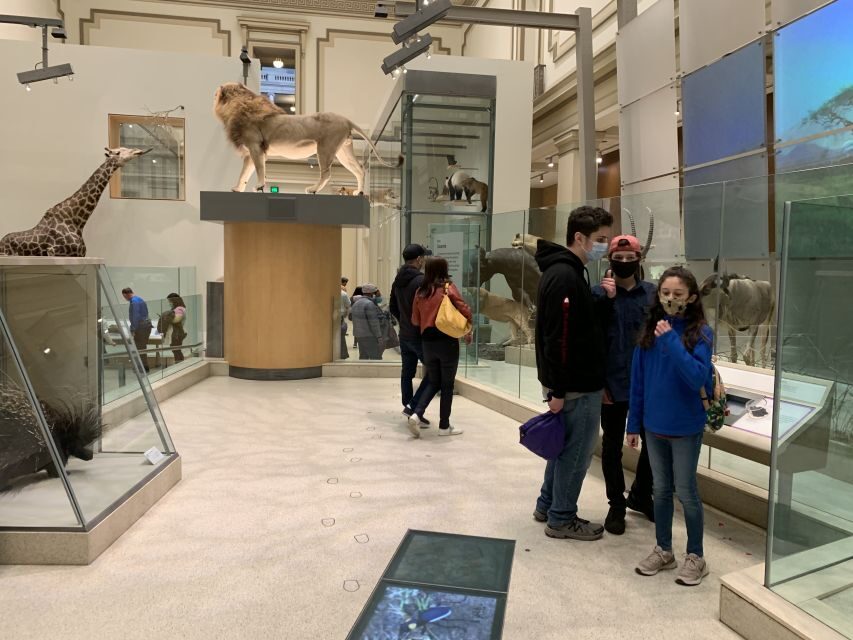
The experience is live and in English, and the guide is the difference-maker. In the examples tied to this tour, guides like Nur (including Nur Gray), DC, and Maurice show up with a common pattern: energy plus explanation plus pointing out details people often miss.
That matters because a museum guide isn’t just a translator of label text. The best guides:
- steer you toward standout exhibits,
- explain what you’re looking at in a way that fits how you’re actually viewing it,
- and adjust their tone to the group—especially when children are involved.
If you’re traveling with family, this kind of interaction can be a big deal. A guide who asks questions and keeps kids engaged can turn a chaotic family museum day into a smoother one.
Who should book this tour (and who should plan differently)
This tour fits best if you want structure and you don’t want to spend your limited time figuring out a route. It’s a good match for:
- first-time visitors to the Smithsonian National Museum of Natural History,
- families who need help keeping kids focused,
- visitors who like learning through conversation rather than reading alone,
- anyone with only a couple of hours who still wants to see the museum’s biggest highlights.
It may feel less ideal if:
- you want to linger for long stretches at fewer exhibits,
- you’re sensitive to a faster walking pace,
- you’re hoping to catch a lot of interactive moments beyond the tour’s key stops.
The smartest way to handle that is to treat the guided tour as the foundation. Then plan extra time on your own afterward to slow down where you want more depth.
Tips to get more out of your 2 hours
A guided tour goes well when you show up ready to learn and ready to move. Here are a few practical things I’d do:
- Wear comfy shoes. You’ll cover multiple areas in 2 hours.
- Have one or two question topics in mind. Fossils? Early human tools? How mummies get interpreted?
- If you’re visiting with kids, tell the guide what they’re most curious about. That often helps the guide tune the pacing.
- Don’t overbook your schedule. Leave buffer time for museum wandering after the tour if you find a stop you want to revisit.
Also, keep expectations clear: this is not a museum replacement course. It’s a high-impact highlight route with live commentary.
Accessibility and comfort basics
The tour is listed as wheelchair accessible, which is a major plus if you need mobility options. Since the meeting point is outside at the bottom of the stairs, plan how you’ll approach the area before you meet your guide so you’re not stressing at the last minute.
If you have any specific mobility needs, you’ll want to check what access routes are available on the day you go. The tour being wheelchair accessible is a strong start, but practical details can still vary in large buildings.
Should you book this Smithsonian Natural History guided tour?
I’d book it if you want the fastest way to experience the museum’s signature highlights without getting lost. The biggest reasons are value and focus: $75 buys you a guide who helps you navigate quickly through a collection of mind-boggling scale and makes exhibits easier to understand on the spot.
If you like variety—dinosaurs, gemstones, mummies, and human artifacts—this tour’s mix can be a fun way to see how one museum tells multiple stories. And if you’re visiting with children or you’re short on time, the live guidance is the kind of help that turns a good museum visit into a memorable one.
If you prefer slow pacing and you’re planning a long day, you might do just fine on your own. But for a 2-hour window, this guide format is one of the more sensible bets at the Smithsonian.
FAQ
How long is the Smithsonian National Museum of Natural History guided tour?
The tour lasts 2 hours.
How much does the tour cost?
It costs $75 per person.
Where do we meet the guide?
Meet your guide at the bottom of the stairs outside the Smithsonian National Museum of Natural History.
Is museum entrance free?
Yes. The entrance to the museum is free.
What’s included in the $75 price?
The tour includes a 2-hour guided tour and museum entrance.
What isn’t included?
Hotel pickup and drop-off are not included, and food and drinks are not included.
What language is the tour guide speaking?
The tour is offered in English.
Is the tour wheelchair accessible?
Yes, the tour is wheelchair accessible.
What is the cancellation policy?
You can cancel up to 24 hours in advance for a full refund.
Can I reserve and pay later?
Yes. You can reserve your spot and pay later.