REVIEW · MUSEUMS
Smithsonian Air & Space Museum Guided Tour 8ppl Max
Book on GetYourGuide →Operated by Babylon Tours DC · Bookable on GetYourGuide
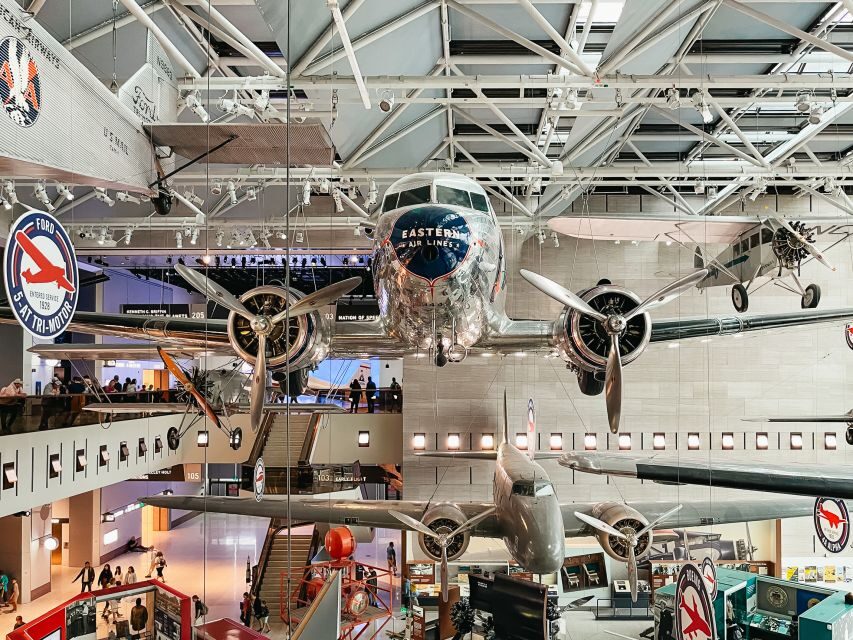
A museum that tells flight and moon stories fast. With a max of 8 people, you get real guidance through the Air & Space Museum’s sheer size, instead of aimless wandering. I especially like how the tour spotlights the Apollo 11 Command Module and lets you touch real moon rock, so the history turns physical and memorable. Guides like Rebecca and Amanda are praised for turning big milestones into clear, human stories you can follow.
One thing to keep in mind: the museum is in major construction, and that can change what’s on display. Your guide adjusts the route based on what’s available, so the exact exhibits you see may vary even if you book expecting the headline stops.
In This Review
- Key things I’d bank on
- Meeting the Guide at the Air & Space entrance (and how to not lose time)
- Small-group tours in a 760,000+ square foot museum
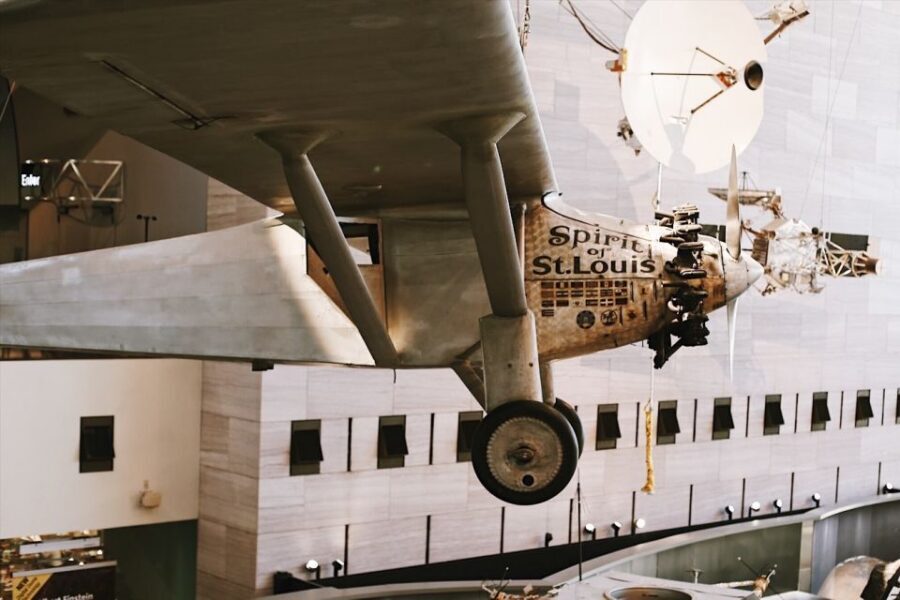
- Early flight stops: seeing the Wright Flyer and Spirit of St. Louis with context
- Apollo 11 Command Module, real moon rock touch, and Buzz Aldrin’s gear
- The International Space Station model: making current space feel human
- Astronaut life today, plus the freeze-dried ice cream moment
- Price and timing: is $95 for 150 minutes worth it?
- Should you book this Smithsonian Air & Space guided tour?
- FAQ
- Where do I meet the guide?
- How long is the tour?
- How big are the groups?
- Is it worth bringing an ID?
- Can I bring luggage or a big bag?
- Is it wheelchair accessible?
- What if the museum is delayed or closed?
- Do you include skip-the-line entry?
Key things I’d bank on
- Small group pacing (up to 8) that keeps questions from getting lost
- Apollo 11 Command Module plus a real moon rock touch moment
- Wright Brothers Flyer & Spirit of St. Louis shown with the right context, not just labels
- International Space Station model that makes current missions feel understandable
- Astronaut-life explanations plus the chance to buy freeze-dried ice cream
Meeting the Guide at the Air & Space entrance (and how to not lose time)
The tour meets 10 minutes before start time at the base of the sculpture in front of the Air & Space building entrance. You want the entrance facing the lawn of the DC Mall. This matters more than it sounds, because the National Mall area can be busy and the museum building has multiple entry points.
Bring a passport or ID card. You’ll also want to keep your bag situation simple: no luggage or large bags, and only handbags or small thin bag packs go through security. That’s your best bet to avoid turning a 150-minute tour into a 150-minute “where is my bag tag?” comedy routine.
Also note that some sites on the tour require appropriate dress. The museum is full of glass cases and set pieces, but a few rooms can have specific entry rules, so stick to smart casual and you’ll be fine. If you’re the type who hates unclear museum etiquette, you’ll appreciate that your guide will flag any rooms with quiet or restricted speaking rules before you enter.
You can also read our reviews of more guided tours in Washington Dc



Small-group tours in a 760,000+ square foot museum
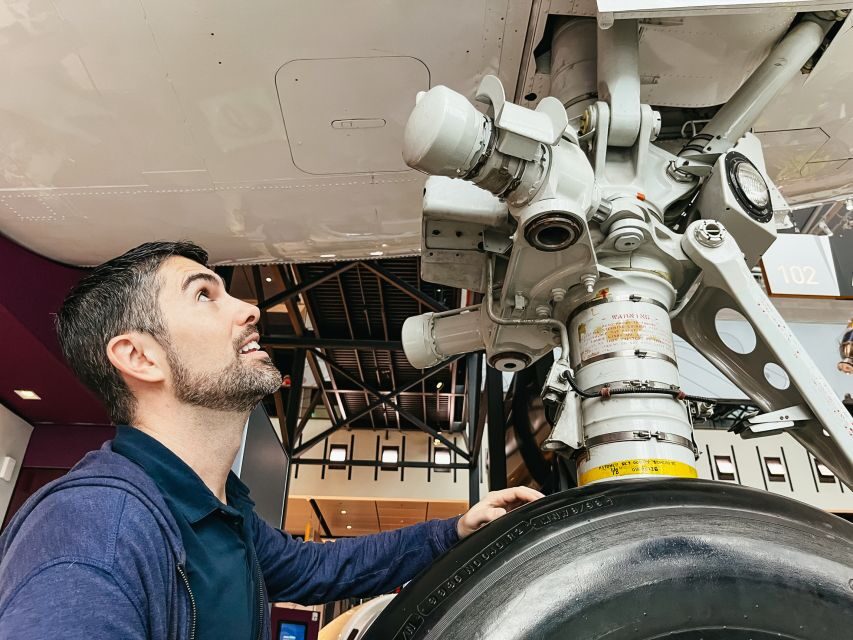
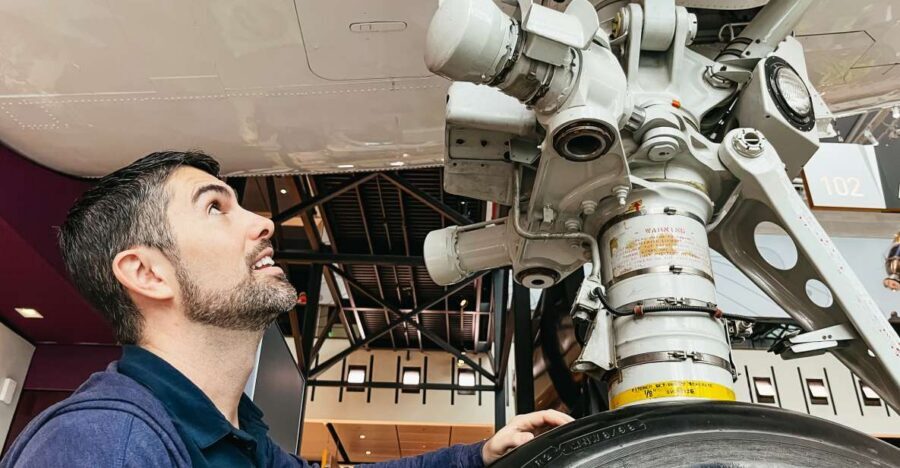
The National Air and Space Museum is huge. Even if you love reading plaques, doing it alone can turn into a blur of metal, glass, and dates. What makes this tour feel like good value is the group size: up to 8 people, with private tours also available if you choose that option.
That small headcount changes how you experience the museum. You can ask questions. You can slow down when something grabs you. And your guide can steer you toward what matters most, instead of treating every exhibit as equally important. In the feedback, guides like Paul, Leigh, and Tim are repeatedly praised for keeping a steady pace while still adding story-level details that the exhibits alone usually don’t provide.
I also like that the guide approach is not just facts-on-a-script. Some guides use personal add-ons to make moments click. For example, Paul has shared Wright Brothers reenactment videos on a tablet, which is a great way to turn a static artifact into a lived, try-this-at-home kind of story.
Early flight stops: seeing the Wright Flyer and Spirit of St. Louis with context
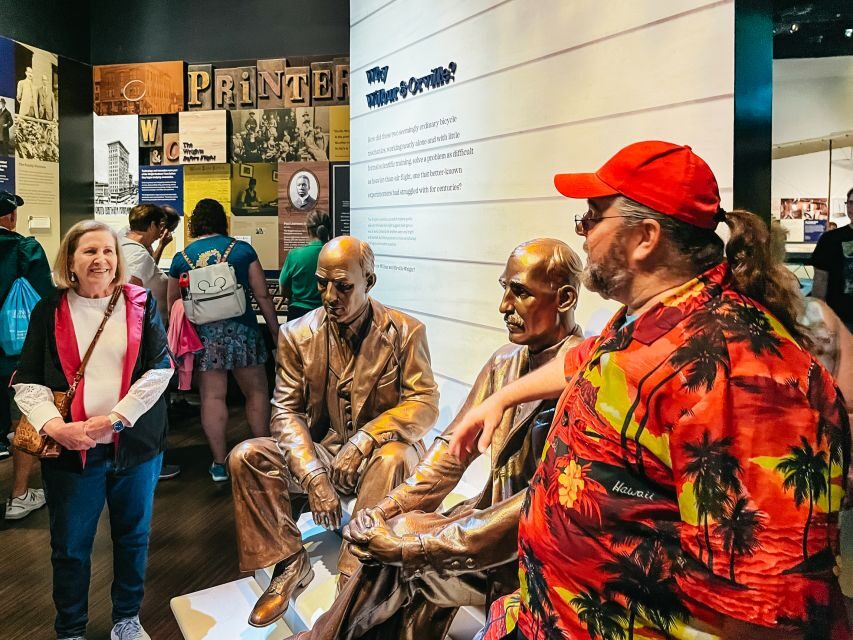
One of the smartest parts of this tour is that it doesn’t start with the Space Race. It brings you back to the start: the Wright Brothers Flyer (1903) and the Spirit of St. Louis. These aren’t just famous names. When you see them in the museum’s space, you start noticing what people were really solving: control, stability, repeatable flight, and the leap from invention to aviation that could scale.
Your guide’s job here is to make the artifacts feel connected. Instead of seeing an airplane as a “cool object,” you start seeing it as a step in a chain. That chain matters because it helps you understand later breakthroughs, including how the mindset of early aviation carried into astronautics.
One small practical perk: early flight exhibits can be busy and spread out. With a guide, you’re not guessing where to go first or trying to match your own mental timeline to the museum’s physical layout. You’re following a story arc with stops chosen for impact.
Apollo 11 Command Module, real moon rock touch, and Buzz Aldrin’s gear
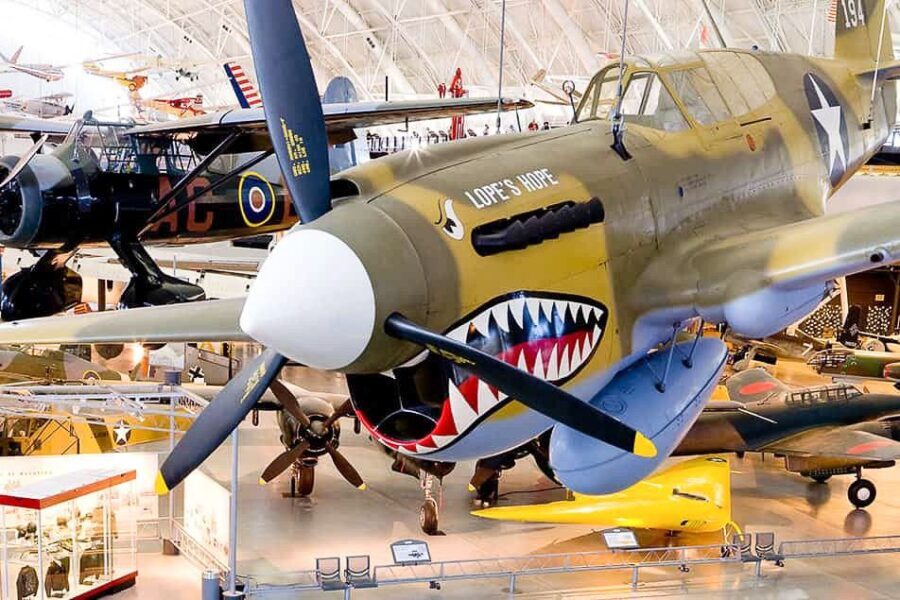
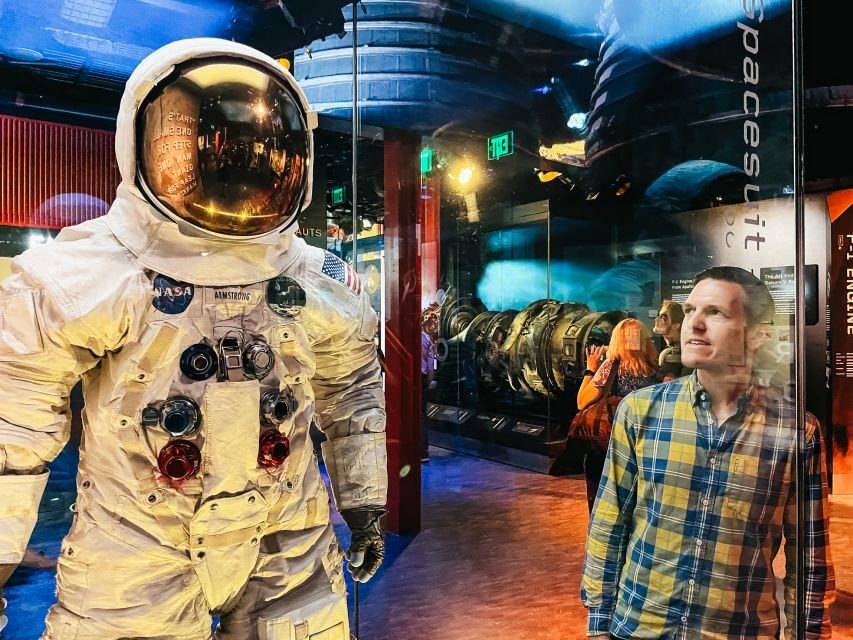
If the museum is the classroom, the Apollo 11 segment is the moment when the lights come on. This tour highlights the Apollo 11 Command Module and includes the chance to touch real moon rock. That combination is powerful: you’re not just learning what happened. You’re interacting with the tangible evidence that the mission reached the moon and brought materials back.
The best part is how the tour connects engineering to the people inside it. You’ll also learn about Buzz Aldrin’s spacesuit and moon boots, which adds a grounded, practical layer. It’s one thing to hear about moonwalks. It’s another to understand what the suit actually had to do and why those boots mattered for how astronauts moved on a different world.
A quick reality check: the museum construction can affect what you can see at a given time. Still, the tour is built around these headline moments, and your guide will adjust based on what’s available. So you should still aim for this tour if Apollo is on your must-do list, but keep expectations flexible if specific rooms are closed.
The International Space Station model: making current space feel human
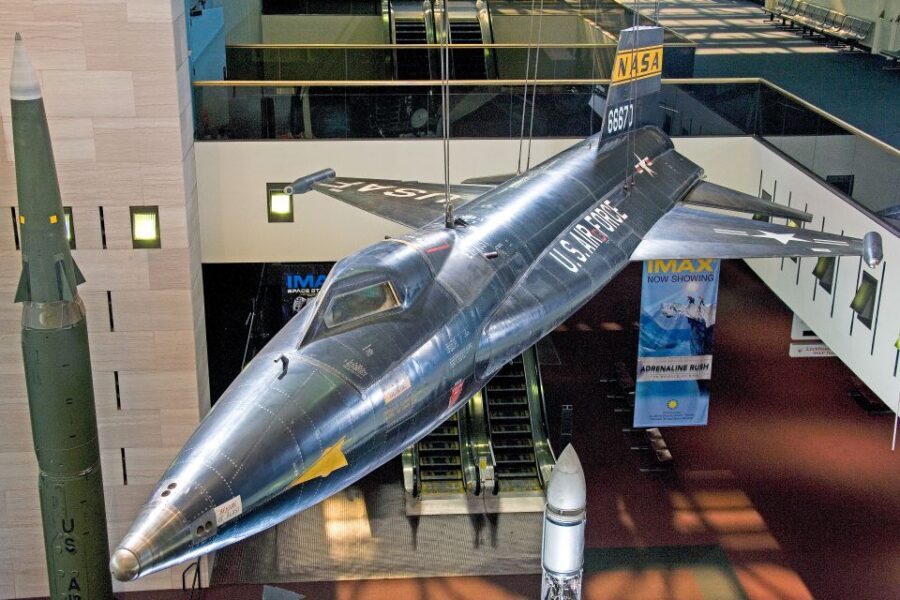
After the moon-era big bang, the International Space Station (ISS) model is a nice “now” bridge. The ISS can feel abstract if you only read about it in headlines. Seeing a model helps you visualize what living and working in space looks like in practical terms: modules, layout, and how the station functions as a continuous system.
This stop also helps you connect past and present. Apollo proved humans could go to the moon. The ISS shows humans can live and work in orbit for long stretches. When your guide explains the technology and daily reality behind it, the museum stops feeling like a history display and starts feeling like a living lab.
In tours like this, the ISS segment often gives you the best payoff for people who are new to space topics. You don’t need to memorize orbital mechanics. You just need a guide to translate what you’re seeing into something you can picture.
You can also read our reviews of more museum experiences in Washington Dc





Astronaut life today, plus the freeze-dried ice cream moment
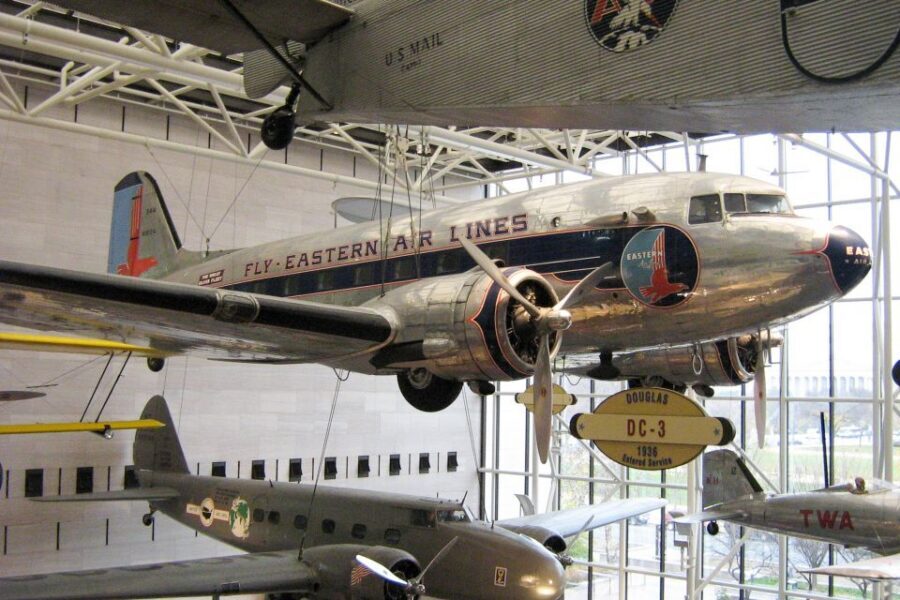
This tour doesn’t just park you in 1969. You’ll also learn what it’s like to be an astronaut today. The museum is loaded with hardware, but the most interesting stories are about how rules, training, and technology translate into daily life.
That’s where the tour’s tone pays off. Guides are praised for passion and for making the science understandable without talking down to you. You’ll hear a mix of historical background and scientific explanations, plus surprising details that you likely would miss if you only skimmed labels.
Then there’s the fun practical add-on: there’s a chance to purchase freeze-dried ice cream. It’s not a required part of the experience, but it’s a very on-theme souvenir—treats you in the language of space food. Even if you don’t buy it, the fact that you’re given the option tells you the tour is built for real engagement, not just standing and listening.
Price and timing: is $95 for 150 minutes worth it?
At $95 per person for 150 minutes, this is not a cheap add-on. But for many people, it can be a solid value because it solves two problems that self-guided museum visits create: time and understanding.
Time: the tour is long enough to hit major highlights without sprinting through the museum. And the tour includes skipping the ticket line, which can save a chunk of time during busy periods.
Understanding: with a good guide, you start noticing patterns. You connect early flight breakthroughs to later navigation and spacecraft design. You also understand why the Apollo artifacts matter beyond their fame.
What could reduce the value? Construction. If enough rooms connected to your priority exhibits are closed, you might feel like you paid to see fewer items than you expected. The tour is adjusted based on renovation stages and available exhibits, and your guide will reroute accordingly. If you’re traveling when the museum is most disruptive, you’ll get the best outcome by going in with a flexible mindset and focusing on the tour’s story arc, not just a checklist.
Should you book this Smithsonian Air & Space guided tour?
Book it if you want the museum’s highlights explained in a clear order, especially if you care about aviation history, the Space Race, or the specific Apollo artifacts. It’s also a good pick if your time in DC is tight. The small group size means you’ll actually get answers, and the guide’s storytelling is a major part of the payoff.
Consider skipping or choosing a different plan if you absolutely need specific rooms to be guaranteed during construction. While the tour is designed to focus on big stops like the Apollo Command Module and the ISS model, renovation can change what’s available that day.
And if you’re deciding between private and small group: private is often best for families with kids who ask lots of questions, or friend groups who want their own pace. Small group is great when you want the social energy of others but still want up to 8 people instead of a crowd.
Overall, this is a strong “great guide, strong highlights” experience—exactly the kind of museum time you’ll remember once you’re back on the street.
FAQ

Where do I meet the guide?
You’ll meet your guide 10 minutes before the tour starts at the base of the sculpture in front of the Air & Space building entrance facing the lawn of the DC Mall.
How long is the tour?
The tour runs for 150 minutes.
How big are the groups?
A maximum of 8 people are permitted on each tour. Private tours are also available if you select that option.
Is it worth bringing an ID?
Yes. You should bring valid photo ID (passport or ID card) as part of the tour requirements.
Can I bring luggage or a big bag?
No. Luggage or large bags are not allowed. Only handbags or small thin bag packs are permitted through security.
Is it wheelchair accessible?
The details provided say wheelchair tours are available by request only, but the activity is also noted as not suitable for wheelchair users. You should confirm fit and options with the provider before booking.
What if the museum is delayed or closed?
The museum may close occasionally without warning. If opening is delayed more than 1 hour from the tour starting time, guests are provided with an appropriate alternative, but refunds or discounts are not offered in these cases.
Do you include skip-the-line entry?
Yes. The tour includes skipping the ticket line.