REVIEW · HISTORICAL TOURS
National Archives + American History Museum Tour 8ppl Max
Book on Viator →Operated by Babylon Tours DC · Bookable on Viator
One stop can be a masterpiece; two stops can be a smart day. This small-group tour pairs the National Archives with the Smithsonian American History Museum so you see the key founding-era documents and then connect them to big U.S. stories up through pop culture. I like the way the guide sets the context with clear storytelling, and I also like the skip-the-line push at the National Archives so your time on the National Mall actually moves. One thing to consider: it’s not designed for wheelchair use, and the day involves enough walking for a moderate fitness level.
Expect a guided plan that keeps you focused on the objects that matter. You’ll spend time in the Rotunda looking at the handwritten Charters of Freedom, then shift to the philosophical foundation in the Rubenstein Gallery with a 1297 Magna Carta copy. After that, you’ll continue to the American History Museum for major artifacts like the Star-Spangled Banner flag story, the Greensboro lunch counter tied to the Civil Rights Movement, and even Dorothy’s ruby red slippers from The Wizard of Oz.
A minor drawback is practical: lunch is a break on your own. If you’re the type who needs a full sit-down meal, you’ll want to plan a quick, easy option nearby so you don’t feel rushed when you rejoin the group.
In This Review
- Key Things That Make This Tour Worth Your Time
- Entering The National Archives Rotunda Without Wasting Your Morning
- Charters of Freedom, Declaration Energy, and How Citizenship Evolved
- The Lunch Break: Simple, Flexible, and Mostly On You
- Smithsonian American History Museum: Big Artifacts, Strong Story Connections
- How the Guide Changes the Day (Brenda and Christina as a Clue)
- Price and Value: What You’re Really Paying For
- Timing, Start Point, and How to Keep the Day Smooth
- Museum Rules That Affect Your Comfort: Bags, Dress, and Quiet Rooms
- Who Should Book This Tour (And Who Might Skip It)
- Should You Book This National Archives + American History Day?
- FAQ
- What time does the tour start?
- How many people are in the group?
- Where does the tour begin and end?
- How long is the tour?
- Is admission included?
- Is lunch included?
- Is the tour available for wheelchair users or walking disabilities?
- Do I need to provide a mobile phone number?
- Can I cancel for a full refund?
Key Things That Make This Tour Worth Your Time
- Max 8 people keeps the pacing manageable and the guide’s attention more personal.
- Skip-the-line at the National Archives gets you into the Rotunda faster.
- Charters of Freedom in the Rotunda gives you the founding documents in the right setting.
- 1297 Magna Carta in the Rubenstein Gallery ties old-world ideas to modern citizenship.
- American History Museum highlights connect U.S. history with culture, from Civil Rights to Hollywood props.
- 5.5 hours total with a lunch break means you cover both buildings without turning the day into chaos.
Entering The National Archives Rotunda Without Wasting Your Morning
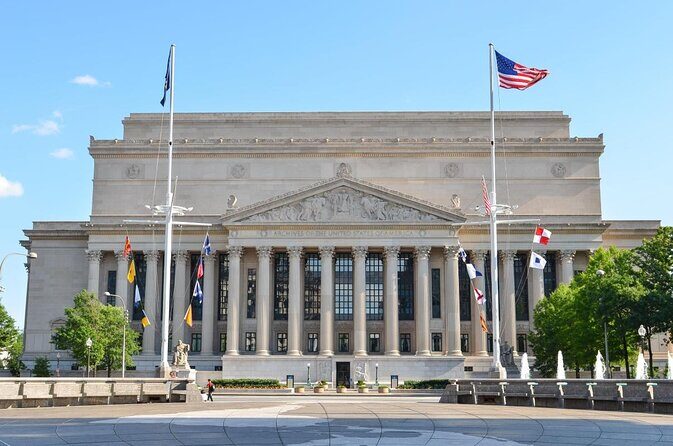
The morning starts at the National Archives Museum (701 Constitution Ave. NW). Plan to arrive a little early, because meeting up, getting organized, and entering under museum security can still take time even with the fast-track benefit. The tour is timed to get you inside and moving quickly, so you’re not stuck waiting while your day on the Mall evaporates.
Here’s why the National Archives portion is so effective on a single tour day: it’s easy to wander too slowly on your own. With a guide, you get to the places that usually take the most effort to find and understand. And because this tour is limited to 8 people, the group rarely feels like a moving crowd stampede.
You can also read our reviews of more historical tours in Washington DC



Charters of Freedom, Declaration Energy, and How Citizenship Evolved
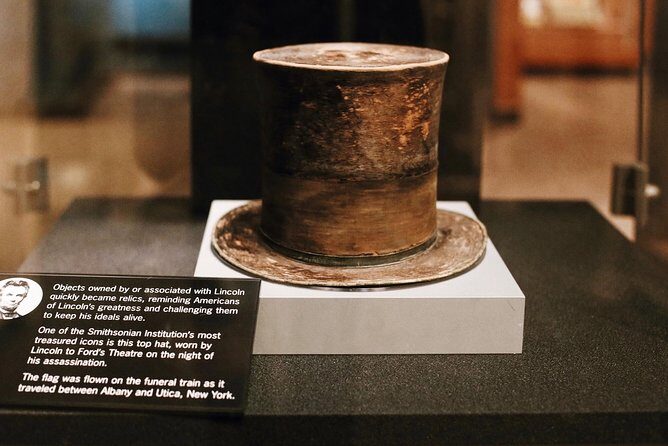
Once inside, you’ll head straight to the Rotunda to see the handwritten Charters of Freedom. This is the big moment people picture when they think of the National Archives, but the real value is how the guide frames what you’re looking at. Instead of treating the documents like museum glass, you get the story of the circumstances that brought the United States into existence.
You’ll also spend time with key documents and related works from the founding era, including the Declaration of Independence and the U.S. Constitution. The guide’s goal is to help you see what each document is doing—politically, philosophically, and practically. That matters because the U.S. founding can feel like a single event if you only read the headline. This tour nudges you toward seeing it as an evolving process.
Then comes the Rubenstein Gallery, where you’ll focus on the philosophical foundation for modern ideas of belonging. You’ll view a 1297 Magna Carta copy and talk about citizenship—what it means and how the criteria have changed over time. If you’ve ever read historical language like all men are created equal and wondered what came next, this is the kind of discussion that gives the phrase context in the real world.
A practical tip: if you’re a note-taker, bring a small notebook and pen. The guide is doing the heavy lifting, but writing down a few names and themes helps you connect the dots later at the Smithsonian.
The Lunch Break: Simple, Flexible, and Mostly On You
After the National Archives, you get a lunch break. Lunch is own expense, and you’re on your own for that part of the day. That’s not a flaw—it’s a smart choice for flexibility in Washington, DC—but it does mean you control how long you take.
If you want to avoid stress, aim for food that’s quick to order and easy to finish. The tour continues to the Smithsonian, so your best move is to grab something nearby and keep one eye on the time. You don’t want a long sit-down meal to shrink the afternoon portion.
Smithsonian American History Museum: Big Artifacts, Strong Story Connections
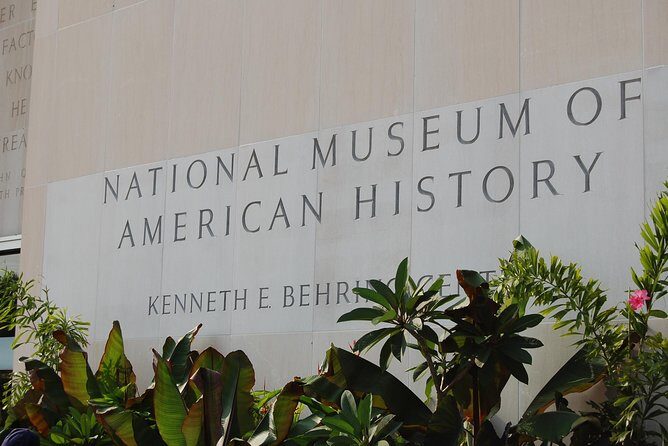
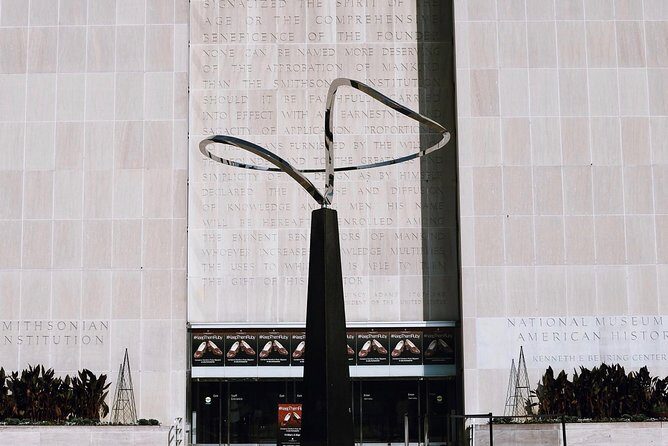
The tour then transitions to the Smithsonian National Museum of American History (1300 Constitution Ave. NW), where you’ll spend about 2 hours 30 minutes. The admission is free for this stop, which adds value because you’re getting a major museum experience without paying extra ticket fees on top.
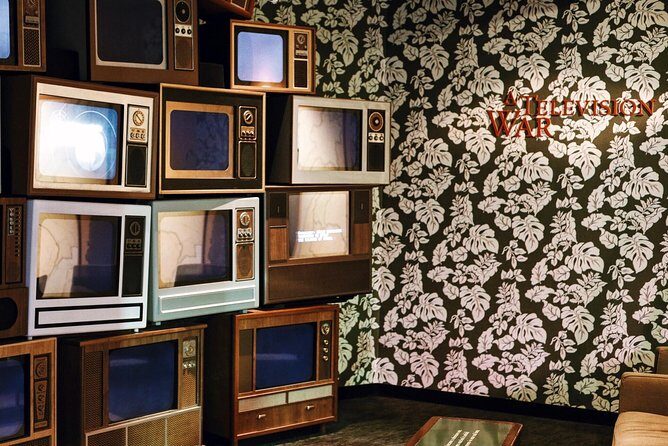
This museum is where history and culture shake hands. You’ll trace the U.S. story from George Washington’s Revolutionary sword through the Star-Spangled Banner story connected to the flag that flew over Ft McHenry and the poem that became the National Anthem. That connection is the key: you see not just the artifact, but how events turned into words, and words turned into national identity.
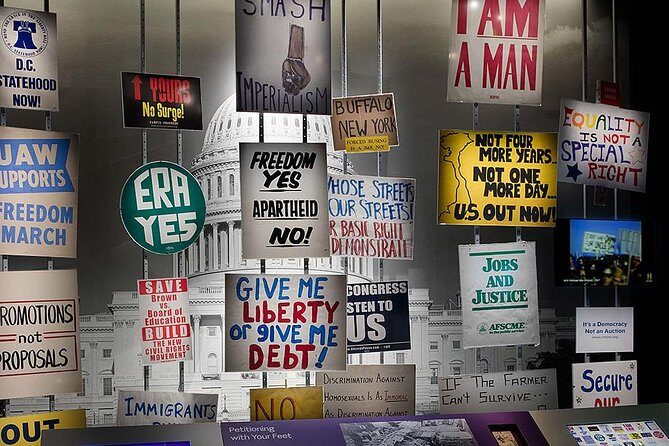
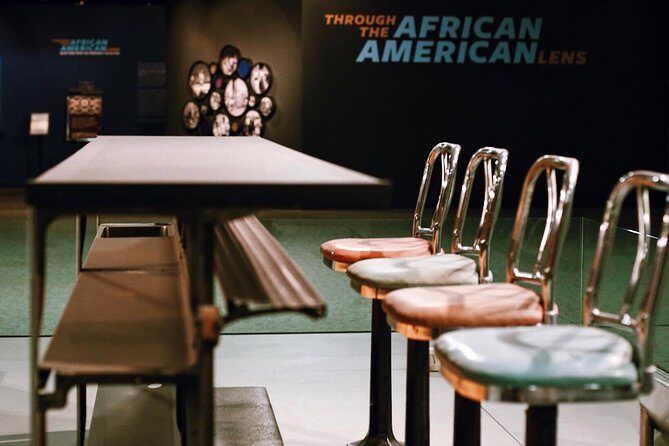
Then you’ll get a clear Civil Rights Movement highlight through the Greensboro lunch counter, an object tied to launching the movement on a national stage. If you’ve seen Civil Rights history in textbooks, this kind of visit can make it feel less like dates and more like choices people had to make in real time.
And yes, you’ll also see First Ladies items, including First Ladies’ gowns. That portion often helps people notice that history isn’t only politics—it’s also public image, tradition, and symbolism. Dorothy’s ruby red slippers from The Wizard of Oz add a pop-culture punch that can make the whole museum experience feel more human. It’s the kind of contrast that keeps the afternoon from turning into pure solemnity.
One more artifact connection you’ll hear about: Dorothy’s slippers are shown not too far from the top hat Abraham Lincoln wore that night to Ford’s Theatre. It’s a neat way to connect different eras and see how objects become shorthand for memory.
How the Guide Changes the Day (Brenda and Christina as a Clue)
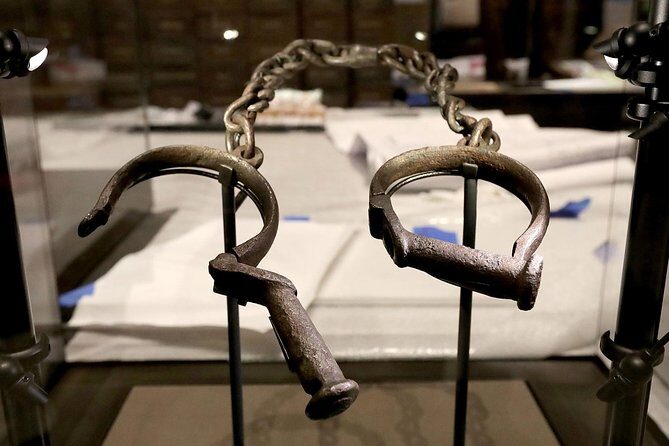
This kind of tour works best when the guide is good at turning objects into stories you can remember. The tour’s small size helps, but your real experience depends on how the guide frames the material.
I’ve seen examples of stand-out guiding from people like Brenda—praised for going the extra mile to make the day comfortable for a visitor with blindness and mobility needs, while staying engaging and informative. Another name that comes up is Christina, described as knowledgeable, personal, and engaging, with strong coverage of the highlights and more.
You can’t guarantee which guide you’ll get, but this is still a strong sign that the company staffs people who take the storytelling seriously. If you care about depth without getting lost in trivia, that kind of guide match matters.
You can also read our reviews of more museum experiences in Washington DC


Price and Value: What You’re Really Paying For
At $166.15 per person, you’re not paying for just access—you’re paying for time-saving, focus, and structure.
First, skip-the-line at the National Archives is a real value driver. At this scale, the difference between spending 30 minutes waiting and 30 minutes looking can change how much you enjoy the Rotunda experience. Second, you’re getting two major museums in one trip, with guided transitions that keep you from wandering in circles.
Third, admission is included where it counts:
- National Archives Museum stop: admission ticket included
- American History Museum stop: admission free
That means a chunk of what you might otherwise pay separately is already handled. Add in the group cap of 8 people max, and you’re getting a more personal pace than larger coach tours.
The price also makes more sense if you’re visiting during peak season or short on time on the Mall. If you have days to spare, you could DIY. But if you want a guided hit on two institutions without losing your day, the math tends to work.
Timing, Start Point, and How to Keep the Day Smooth
The tour starts at 10:00 am at the National Archives Museum, and it ends at the American History Museum. It runs for about 5 hours 30 minutes, including the lunch break. That timing is ideal if you want to end in a central area where you can still keep exploring the National Mall after the tour wraps.
Because both stops are on the Mall, the logistics are easier than if this were cross-city. Still, give yourself a cushion for DC walking and security lines. Even with skip-the-line access, some rooms and rules inside museums can slow things down.
A key practical requirement: you’ll need to provide a mobile phone number (with country code). Do it at booking so the meeting day stays simple. If your phone is unreachable, it’s harder for any tour team to coordinate quickly.
Museum Rules That Affect Your Comfort: Bags, Dress, and Quiet Rooms
Both museums have security rules, and this tour expects you to follow them. For the National Archives and similar sites, there’s a rule against large bags or suitcases, and you’ll typically be limited to handbags or small thin bag packs through security. Plan to travel light. You’ll feel faster when you’re not fighting zippers and straps at the checkpoint.
Dress matters too. You’ll want to wear clothing that’s comfortable for walking and that fits the entry requirements for museums. If you’re unsure, go with smart casual and bring a light layer—museums can run different temperatures depending on the day.
Finally, some rooms inside museums can be very quiet or have restricted speaking. Your guide will explain where those rules apply before you enter. That’s a good thing. It means you can hear the guide clearly in the moment and then adjust your volume without getting awkward.
Who Should Book This Tour (And Who Might Skip It)
This is a strong fit if you want:
- A tight, guided overview that hits major founding and culture-connected history
- A max 8 group size for a calmer pace
- Skip-the-line value at the National Archives
- A day built for seeing iconic objects, not just reading about them
It may not be the best fit if you:
- Need wheelchair access or you rely on accommodations tied to walking disabilities. The tour data says it’s not available for those who use a wheelchair.
- Have very limited tolerance for walking. The tour calls for moderate physical fitness.
If you like museums but get frustrated when you’re left alone to figure out what to prioritize, this format is a win. The guide’s job is to steer you toward the items that tell the bigger story.
Should You Book This National Archives + American History Day?
If your goal is to make the most of a single day on the National Mall, I’d lean yes. The combination of skip-the-line entry, the Rotunda Charters of Freedom focus, and the way the Smithsonian stop connects U.S. history to objects you’ll recognize makes this a practical, high-value plan. And the small group size keeps it from feeling like a factory line.
I’d only hesitate if you strongly prefer a long unstructured museum wander, or if mobility and access needs require something different than what this tour supports. If that’s you, it’s better to choose a more flexible option that matches your pace.
FAQ
What time does the tour start?
It starts at 10:00 am.
How many people are in the group?
The group is capped at 8 people max, with a guarantee of no more than 8.
Where does the tour begin and end?
It meets at National Archives Museum, 701 Constitution Ave. NW, Washington, DC 20408, and ends at Smithsonian National Museum of American History, 1300 Constitution Ave. NW, Washington, DC 20560.
How long is the tour?
The duration is about 5 hours 30 minutes (including the lunch break).
Is admission included?
Yes. National Archives Museum admission is included, and admission to the National Museum of American History is free for this tour stop.
Is lunch included?
No. There is a break for lunch, but lunch is at your own expense.
Is the tour available for wheelchair users or walking disabilities?
No. The tour is not available for those with walking disabilities or using a wheelchair.
Do I need to provide a mobile phone number?
Yes. You’re required to provide a mobile phone number (including country code).
Can I cancel for a full refund?
Yes. You can cancel up to 24 hours before the experience start time for a full refund. If you cancel within 24 hours, the amount paid is not refunded.