REVIEW · BIKE TOURS
Customized Private Bike Tour of DC
Book on Viator →Operated by DC Cycling Concierge · Bookable on Viator
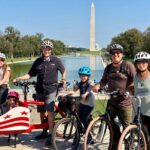
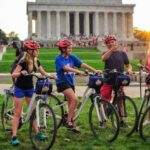
Pedal past DC’s icons, at your pace. This private bike tour of Washington, DC lets you see the big sights without the stress of planning, because the route can be customized around what you care about.
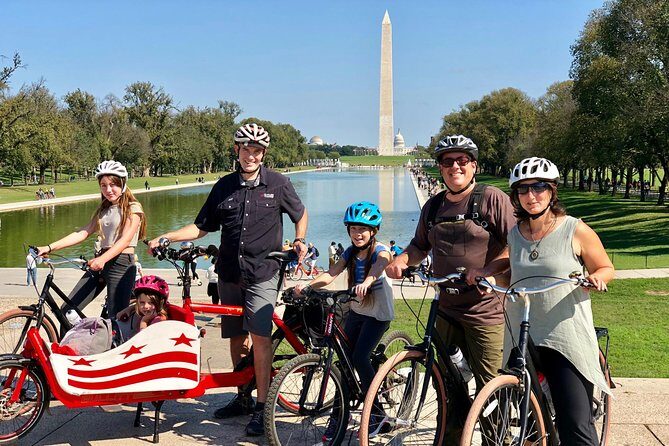
I especially like the human scale of it: your guide keeps things moving on bike paths and quieter streets, then explains what you’re looking at in a way that actually sticks—whether you’re riding past the White House area or working your way down the National Mall corridor.
What I also like is the comfort side—hotel pickup plus snacks and water so you stay fueled through the ride. One thing to think about: it is priced for a group, and the schedule is fixed around a 3-hour window, so you’ll want to book with enough flexibility in your day (and wear comfy cycling clothes).
In This Review
- Key things to know before you ride
- Your DC, but on two wheels (with a guide who adjusts)
- Start at the White House area: the story behind the address
- Capitol Hill views: quick context, big meaning
- Lincoln Memorial: the moment that keeps showing up
- Jefferson Memorial and the tidal basin skyline
- The National Mall: the big corridor of meaning
- Smithsonian Institution Building: quick but useful context
- WWII Memorial: symbolism and reflection
- Vietnam Veterans Memorial: time to reflect as you want
- Why the snacks and water matter more than you think
- The guides make the difference: Jeff and Charlie as examples
- Where this bike tour fits best (and who should skip it)
- Price and value: what $595 gets you as a private group
- Quick logistics that affect your day
- Should you book this private bike tour of DC?
Key things to know before you ride
- Private and customizable: you can shape the route to match your interests and your pace.
- Hotel pickup and drop-off: door-to-door makes the whole day feel easier.
- Snacks and premium water: less scrambling, more enjoying the stops.
- A classic DC lineup: White House, Capitol Hill, Lincoln and Jefferson memorials, the Mall area, and WWII + Vietnam memorials.
- Family-friendly energy: guides are praised for matching the ride style for different ages.
- Admission included in the tour value: all listed stops are free to enter.
Your DC, but on two wheels (with a guide who adjusts)
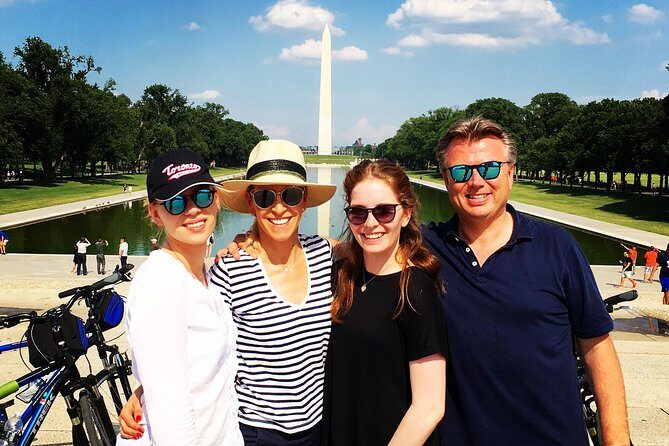
A bike tour works in Washington, DC in a way that walking often can’t. You move faster between landmarks, but you still get to pause, look closely, and get the story behind what you’re seeing. This is a private tour, so the plan bends to you, not the other way around.
A big part of the value here is that the guide handles the flow. You’re not just given a map and told to figure it out. Your guide times the ride so you hit major sights during the tour window, while still keeping stops short enough to keep momentum.
The tour is offered in English, and it runs for about 3 hours. Price is listed per group (private), up to 2 people, and the booking notes also mention a maximum of 6 people per booking—so if you’re traveling with more, it’s worth checking what size groups they can accommodate.
And yes, you’ll get the practical comfort stuff: bikes and gear, snacks, and a premium water bottle. That matters in DC. It can feel like you’re either over-planning or under-fueling—this tour tries to solve both.
You can also read our reviews of more cycling tours in Washington DC


Start at the White House area: the story behind the address
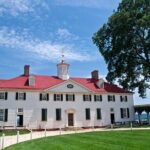
You begin near 1525 H St NW, with hotel pickup available if you’re staying nearby enough for the guide to meet you. The first stop is the White House area, with about 10 minutes on-site.
At this stop, you’re not just looking at a famous building. You’re learning the history of the White House and the surrounding area, which is exactly how this tour earns its keep. DC’s power is not only in what you can photograph—it’s in the political theater, the layout, and the long timeline of decisions made here.
Why the bike start helps: it sets your bearings early. You get a sense of how DC “threads” its major landmarks together, and you’re warmed up before you hit the longer stretches.
A possible drawback: the White House stop is short. If you want long photo sessions or you’re hoping for a lot of time at one single point, you may feel a little time-pressured. The tradeoff is that you’re able to cover a lot more of DC’s signature sights in one go.
Capitol Hill views: quick context, big meaning
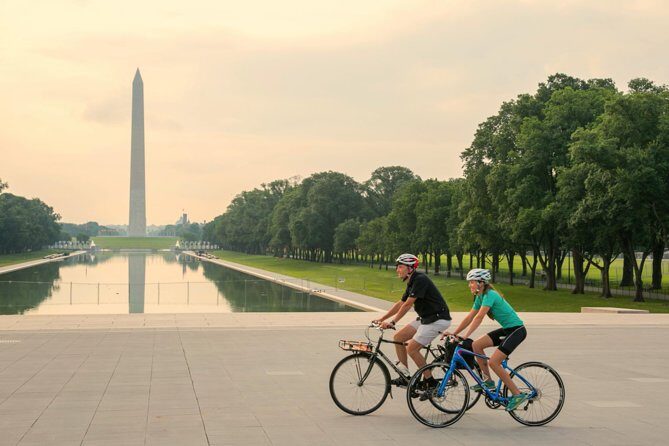
Next up is Capitol Hill, again about 10 minutes. This stop focuses on history and iconic views—exactly what you want when you’re on a bike. You’ll likely notice how the city’s sightlines are designed to guide your attention, and your guide can connect that layout to the political significance of the area.
This is one of those stops where a good guide can make a “seen it in photos” location feel real. Even without museum time, the short explanation can turn the scenery into something you understand.
One consideration: if you’re the type who prefers slow sightseeing, the 10-minute stop might feel brief. But if your goal is to get educated fast while still riding, this time balance is sensible.
Lincoln Memorial: the moment that keeps showing up
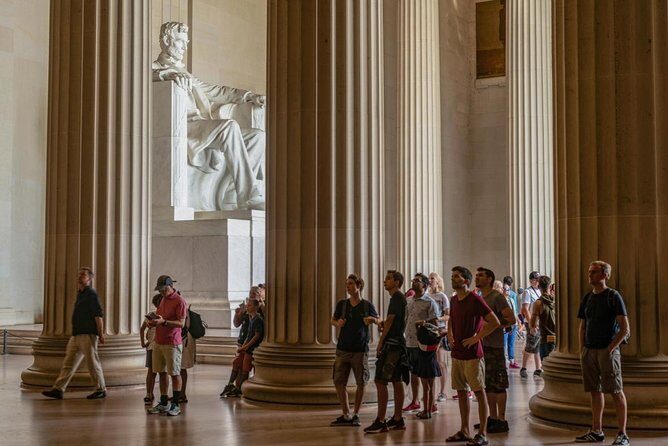
The itinerary includes a stop at the Lincoln Memorial for about 20 minutes. This is where the tour leans into national meaning. You’ll explore the memorial for Abraham Lincoln, including how it has served as a backdrop for civil rights and national events.
This longer stop compared with the earlier ones makes sense. The Lincoln Memorial is a place where you’ll naturally want time to stand, look, and let the context land. The tour also builds a logical emotional flow: you’ve covered the government center and the national legislative area, and now you’re stepping into the idea of leadership, rights, and major national turning points.
Potential drawback: it’s a popular DC landmark, so having a set stop length can mean you’re not lingering as long as you might if you came on your own. Still, 20 minutes is a solid window for learning and photos without turning the tour into a half-day ordeal.
Jefferson Memorial and the tidal basin skyline
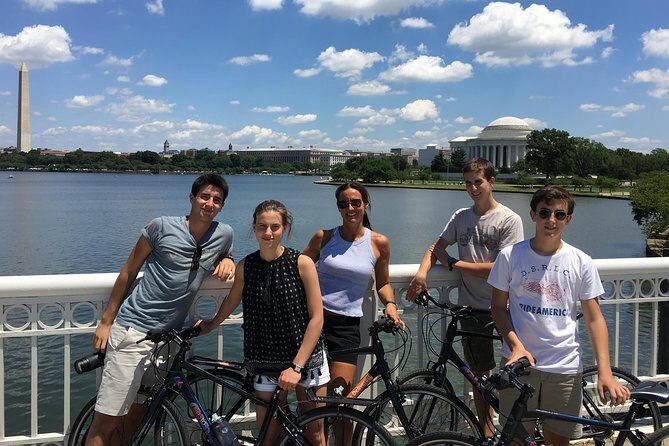
Then comes the Jefferson Memorial, around 15 minutes. The focus here is on key founding fathers and the complexity of these figures—plus a view across the tidal basin to the DC skyline.
This stop is often where the bike tour feels especially smart. The view across the tidal basin isn’t just a photo spot; it’s part of understanding how DC frames its monuments and its skyline. A guide can point out what you might miss if you’re simply walking through.
Consideration: the quality of your skyline view can depend on conditions on the day. But the overall design of the stop—learning plus a scenic payoff—still holds up.
You can also read our reviews of more private tours in Washington DC



The National Mall: the big corridor of meaning
Your next segment explores the National Mall area for about 15 minutes. The goal is views plus history along the Mall’s most recognizable stretch.
This is a “coverage” stop, but not a shallow one. The Mall is long, and trying to see it all in one day on your own usually turns into stress and backtracking. On a bike tour, the Mall becomes a guided corridor: you see multiple key moments with context, instead of just staring at landmarks you don’t yet understand.
What I like about this kind of Mall stop: it gives you a framework. Once you’ve ridden through and heard the story, you can later decide what’s worth extra time on a return trip.
A drawback: 15 minutes is not enough to replace a museum day or a full walk. Think of it as an orientation that helps you choose what to do next.
Smithsonian Institution Building: quick but useful context
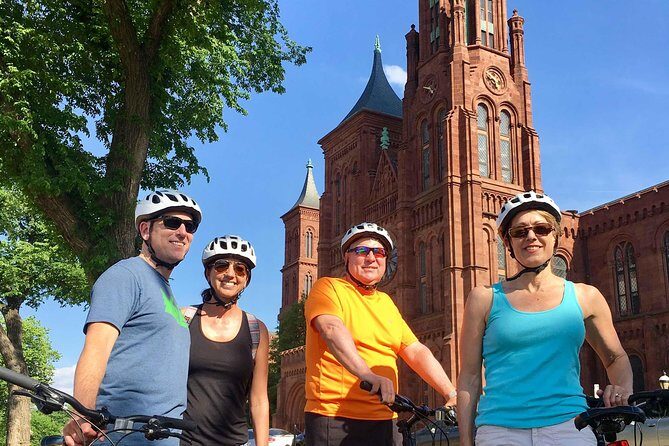
The tour then stops at the Smithsonian Institution Building for about 5 minutes. This is short by design, but it can still be valuable because it’s about the Smithsonian’s story and evolution.
That tiny chunk of time works if your goal is to build context. Even if you don’t go inside, you’ll have a clearer sense of what the Smithsonian represents and how it grew into the major network you see today.
Consideration: if you love museums and could spend hours in the Smithsonian area, you’ll likely want to add a separate visit after your bike tour. This stop is context, not a full museum experience.
WWII Memorial: symbolism and reflection
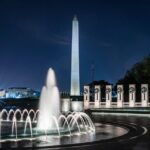
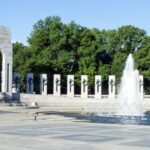
Next is the National World War II Memorial, about 10 minutes. Here you’ll learn symbolism and reflect on the sacrifices made.
This is a stop where tone matters. A bike tour can sometimes feel too fast, but with this format, you get enough time to pause without losing the ride momentum. Your guide’s explanations can help you read what you’re seeing—so the memorial becomes more than a backdrop.
A possible drawback: if you prefer silent, long reflection, the stop length might feel quick. Still, 10 minutes can be a meaningful amount when it’s guided and respectful.
Vietnam Veterans Memorial: time to reflect as you want
The tour concludes with the Vietnam Veterans Memorial for about 5 minutes, with the note that you reflect “as requested by guests.”
That line matters. It suggests the guide is flexible about how you handle this emotional stop—whether you want to read thoughtfully, take a moment of quiet, or simply pay your respects quickly so you can keep the tour flow.
As with any memorial, the biggest variable is your personal pace. If you want more time here, you may want to plan your day so you can come back afterward on foot.
Why the snacks and water matter more than you think
This tour includes snacks and a premium water bottle. That’s not a throwaway perk. In DC, you can get caught between excitement and dehydration without noticing until you’re dragging later.
The snacks help you avoid the common trap of arriving hungry, pushing through the ride, then paying for it at the last stop. And having water ready means you spend less time thinking about logistics and more time seeing the city.
This is especially helpful for families. In the feedback you’ll find, guides like Jeff and Charlie are praised for riding at the right pace and keeping the experience comfortable for groups ranging from kids to grandparents.
The guides make the difference: Jeff and Charlie as examples
The names that pop up most in the feedback are Jeff and Charlie. Both are described as making the experience feel smooth and tailored, not robotic.
What that translates to for you: if your group includes kids, you’ll likely appreciate the patience and flexibility. One review highlights a multi-generation family (ages spanning from 50 down to 12) and credits the guide for customizing the route to interests and pacing. Another mentions an 11-year-old finding the ride the best thing in the trip, with the guide staying patient and turning the day into education plus fun.
That kind of guide responsiveness is exactly what private biking is good at. Your route isn’t just a schedule—it’s a conversation shaped by who’s on the bike with you.
Where this bike tour fits best (and who should skip it)
This tour is a great fit if you want to:
- Hit the highlights fast while still understanding what you’re seeing
- Enjoy a sightseeing day that mixes education with movement
- Prefer private pacing over a crowd schedule
- Travel with mixed ages and want a guide who can adjust
You might want to consider another plan if you:
- Want a long stop-by-stop deep dive at just one monument
- Are the type who needs frequent breaks far beyond a typical sightseeing rhythm
- Are arriving late and think you’ll rush the rest of your day (timing is about 3 hours, so you’ll want a clean window)
Price and value: what $595 gets you as a private group
At $595 per group (up to 2) for about 3 hours, this isn’t a bargain-basement sightseeing option. It’s a premium way to experience DC because you’re paying for the combination of bike setup, a professional cyclist/guide, and customized private time.
Here’s why it can still feel like good value: the alternative to a guided private bike tour is usually piecing together multiple things—transport, bike rentals, a walking plan, and a guide you hire separately for context. This package bundles the planning, the equipment, and the interpretation into one experience.
Also, the tour includes snacks, water, and hotel pickup. Those details reduce friction. Less friction means you can actually enjoy the ride instead of spending mental energy on logistics.
If you can share the cost with a second person, the price becomes easier to justify. If you’re traveling as a solo rider, it may still be worth it if you value private pacing and a guide’s explanations enough to pay for the convenience.
Quick logistics that affect your day
You get confirmation at booking time, and it runs in English. Children must be accompanied by an adult, and service animals are allowed.
The start and end point are tied to 1525 H St NW, and the tour ends back at the meeting point. Pickup is offered from your hotel or another mutually determined location that fits your schedule—so coordinate early so you’re not wandering the city before your ride.
Most travelers can participate, but if you have any mobility limits or specific biking concerns, you’ll want to clarify details with the provider before booking.
Should you book this private bike tour of DC?
If your DC trip has only a couple of days—or you want your first day to create a map in your mind—this is an easy yes. The combination of private, customizable pacing, major landmarks, and included snacks and water makes it a practical way to see Washington without turning your day into a checklist.
Book it if you want history with movement: White House to Capitol Hill to Lincoln and Jefferson, then the Mall and memorials. Skip it if you’re planning to spend many hours parked at one site or if your schedule is tight enough that a 3-hour activity will make you nervous.
If you do book, wear comfortable clothes for cycling, bring a layer for changing weather, and have your must-see priorities ready—because that customization is where the best results usually come from.