REVIEW · BIKE TOURS
Washington DC: Monuments and Memorials Bike Tour
Book on GetYourGuide →Operated by Unlimited Biking Washington DC · Bookable on GetYourGuide
Pedal past American icons without the stop-and-go fatigue. This Washington DC monuments and memorials bike tour turns the National Mall into a quick, low-stress sightseeing loop, with easy riding and guided history at the places that matter most.
Two things I really like: the fun factor of riding (you cover real ground without feeling rushed), and the way guides bring each stop to life with clear stories and photo-friendly pacing. The one thing to keep in mind is that it is not designed for everyone—pregnant travelers aren’t recommended, and the route is only safe to run when conditions are good.
In This Review
- Key Points at a Glance
- Set Up at The Wharf: Helmets, Cannondale Comfort Bikes, and a Smooth Start
- Why Two Wheels Works So Well for the National Mall (and the Potomac Views)
- Jefferson Memorial: The First Photo Stop With Context
- Martin Luther King Jr. Memorial: Guided Focus, Family-Friendly Viewing
- Korean War Veterans Memorial: A Meaningful Mid-Tour Moment
- Lincoln Memorial: Why This Stop Is a Bike-Tour Favorite
- Vietnam Veterans Memorial: Time to Walk, Not Just Roll By
- World War II Memorial: Scale Hits You Faster When You’re Not Tired
- Washington Monument: Quick Photo, Big Sense of Place
- Smithsonian Castle: A Perfect Ending Point for What Comes After
- Price and Value: Is $65 Worth It for Three Hours?
- Who Should Book This Bike Tour (and Who Should Skip It)
- Tips That Make Your Tour Feel Effortless
- Should You Book This Washington Monuments Bike Tour?
- FAQ
- How long is the Washington DC monuments and memorials bike tour?
- Where is the meeting point?
- What is included in the price?
- Do I need a helmet?
- Is the route easy?
- Which sights are included on the route?
- Is hotel pickup and drop-off included?
- Can children ride with toddler trailers or tag-a-longs?
- What footwear is allowed?
- What happens if weather makes riding unsafe?
Key Points at a Glance
- Flat, easy terrain on an approximately 4-mile route that feels manageable for families
- Real guided time at major stops, with short photo moments and then time to look around
- Cannondale comfort bikes plus helmets included so you can roll immediately
- A strong guide lineup, with names like Jose, Mark, Bianca, and Wally showing up repeatedly in reviews
- You get a fast overview of the Mall, especially helpful if you only have a day or two
Set Up at The Wharf: Helmets, Cannondale Comfort Bikes, and a Smooth Start
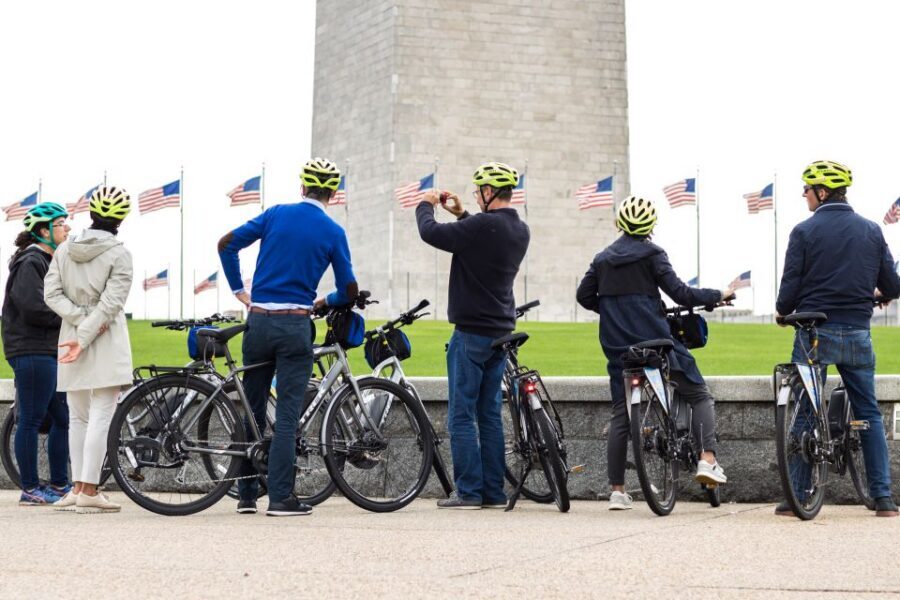
The meeting point is at 801 D St NW, right by the US Navy Memorial Plaza near the Wharf. The big practical win here is simple: you start in a place that makes sense for a bike tour, and you’re not scrambling across the city just to begin.
Once you arrive, you get set up with a bike and a helmet—both included. The bikes are Cannondale comfort bikes, which matters more than people think. On a short tour, comfort equals staying present. You’ll spend your energy on the views and the stories, not on fighting a stiff ride.
One more detail I appreciate: this tour is designed to be family-friendly. That usually means the pacing is sensible and the route is planned around easier riding, not constant negotiation with traffic or steep hills. Reviews back that up, including comments that the ride is safe and easy for groups with kids.
You can also read our reviews of more cycling tours in Washington Dc


Why Two Wheels Works So Well for the National Mall (and the Potomac Views)
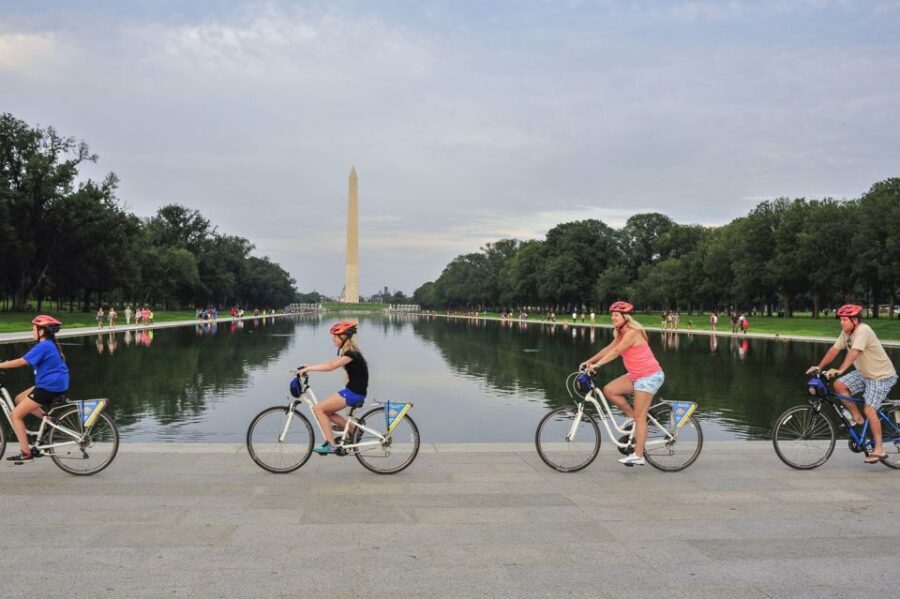
Washington’s memorials are spread out—and walking between them can turn a great plan into a long grind. This tour solves that problem with an efficient route that keeps you moving, while still giving you time to stop, look, and take photos.
You’ll ride through the National Mall area and toward views along the Potomac/Tidal Basin corridor. Even if you already know the names of the monuments, seeing them from a bike changes your sense of scale. You get the feeling of the city’s layout quickly, without getting worn out before you even reach the big sites.
The other value is the guided narrative. The route isn’t just a checklist of famous buildings. Your guide connects the memorials to the wars and presidential moments behind them, so the places feel less like postcards and more like a story you can follow.
Jefferson Memorial: The First Photo Stop With Context

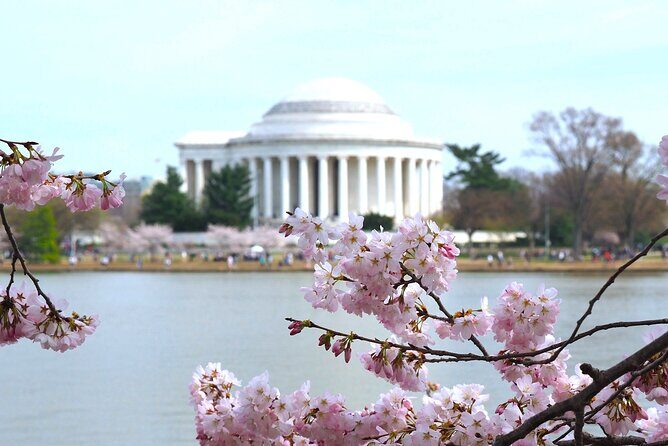
The tour starts with a short ride to the Jefferson Memorial, with a brief stop for photos and a guided moment. Jefferson’s memorial is one of the easiest anchors for new visitors because you can see the “how” and “why” of the National Mall layout right away.
What makes this stop useful on a bike tour is time management. You’re not spending 30 minutes hunting for the best photo angle like you would on your own. Instead, you get a planned moment to frame the views, plus guidance that helps you notice details you might otherwise skip.
A small practical tip: if you care about photos, prepare your expectations. This isn’t a slow, all-day wandering style. The tour gives you the right kind of stop length—enough to look and learn, with time to move to the next major site.
Martin Luther King Jr. Memorial: Guided Focus, Family-Friendly Viewing

Next up is the Martin Luther King Jr. Memorial. Like Jefferson, this stop works well as part of a shorter tour because the guide can point out what to look for while you’re there, and you still get the chance to walk around.
This is also where the tour’s family-friendly design really shows. The ride between stops is short, the terrain is flat, and the stop structure keeps the momentum. For families with kids of different ages, that kind of rhythm helps everyone stay engaged.
Reviews frequently call out how guides manage pacing and safety, and you’ll feel that here. You’ll likely see less “we stopped because we got lost” and more “we’re here, now we’ll do it right.”
Korean War Veterans Memorial: A Meaningful Mid-Tour Moment
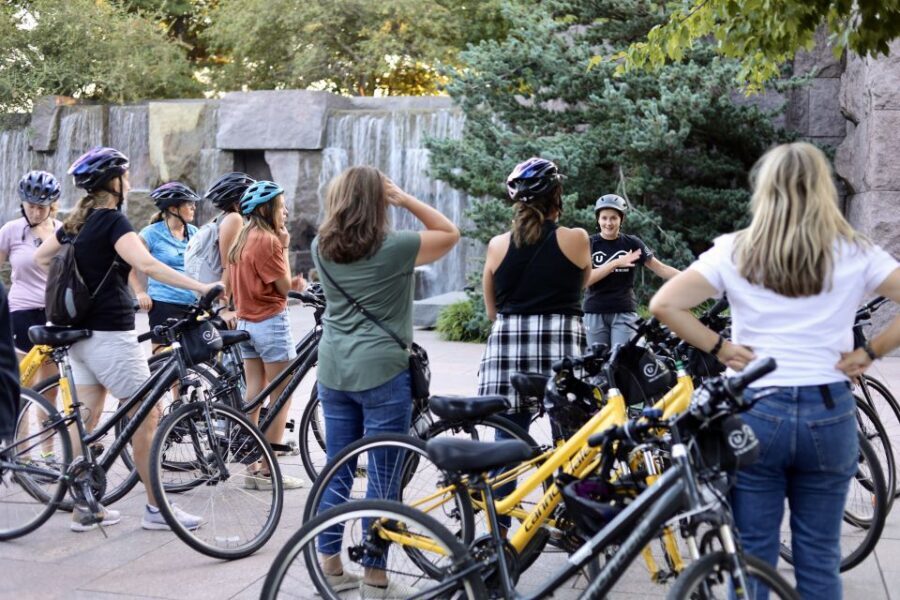
Then you roll to the Korean War Veterans Memorial. This stop is important because it adds depth to the tour. After presidential figures and civil rights, the story shifts to the war memorial context—different tone, still central to understanding DC’s commemorative landscape.
The practical payoff of including this stop on a bike tour: it’s easy to underestimate how many major memorials are packed into a small area. The tour helps you experience that density without rushing through it. You get guided context, you can look around, and you move on while the energy level stays high.



Lincoln Memorial: Why This Stop Is a Bike-Tour Favorite
The Lincoln Memorial is one of those sites you already recognize—but you might not have a plan for what to pay attention to. The bike tour structure helps because your guide can point out key ideas and the story behind what you’re seeing.
This stop also tends to be the kind where people slow down on their own. That’s a good match for this tour because you have time to walk around and take it in, not just snap a photo from the saddle.
One drawback to consider: famous stops can attract crowds, even during relatively calm hours. The bike tour gets you there efficiently, but you still share space with other visitors. The quick-stop structure helps avoid you spending the whole tour stuck in slow-moving lines.
Vietnam Veterans Memorial: Time to Walk, Not Just Roll By
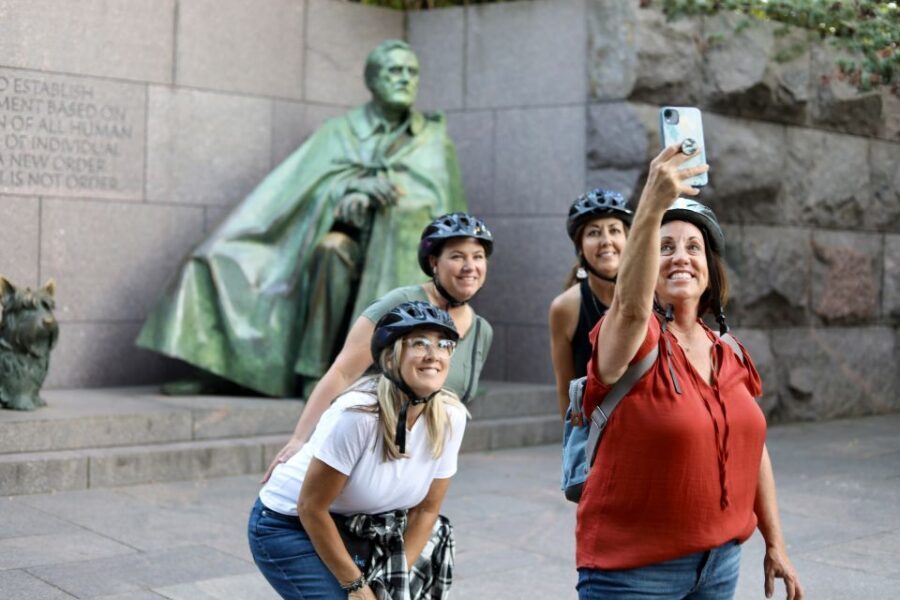
Next is the Vietnam Veterans Memorial. This memorial is powerful, and the guide’s job is to help you slow your brain down enough to actually absorb what you’re looking at.
Here’s why I think a guided bike tour works: when you arrive under your own steam, you might just scan for the most obvious features and call it done. With a guide, you get context that changes how you look. Then you’re allowed to walk around and actually spend a little time with the site.
This is also one of the moments where comfortable shoes are more important than people expect. The tour is easy riding, but you’ll still be standing and walking during stops. Wear shoes you can move in without fuss.
World War II Memorial: Scale Hits You Faster When You’re Not Tired
The World War II Memorial is the kind of site where the setting matters. Since this tour is built to keep riding time controlled and stops structured, you arrive without being exhausted from long walks.
That matters. By the time you reach World War II, your legs are ready, your attention is fresh, and the scale lands. You’ll have guided framing, plus time to explore around the memorial so it doesn’t become just another name on a map.
A note from reviews worth paying attention to: multiple people mention there’s no need for an e-bike on this route because it’s flat and largely traffic-light. So if you’re choosing between bike types, trust the route design. The value here is that you get the sightseeing without extra rental complexity.
Washington Monument: Quick Photo, Big Sense of Place
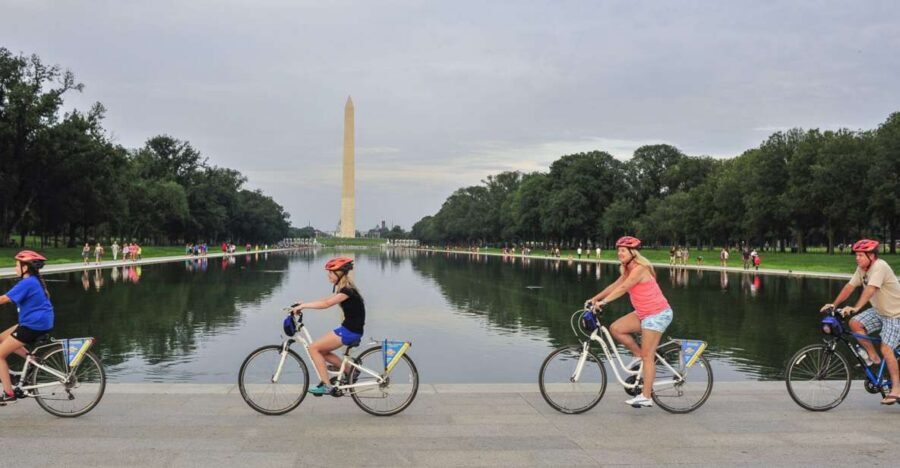
Then comes the Washington Monument. This is a great “big moment” stop in a 3-hour format because you’ll get the photo moment and guide explanation, plus the satisfaction of seeing DC’s most recognizable landmark right on schedule.
The route is planned so this doesn’t feel like an afterthought. You reach it as part of a logical flow—from major memorial stories into the wider DC skyline idea—so the stop feels like a reward rather than a detour.
One practical consideration: Washington Monument areas can be visually busy, with lots of people and angles. If you’re picky about photos, be patient and follow your guide’s cues. They’ll help you pick timing and angles that don’t waste your time.
Smithsonian Castle: A Perfect Ending Point for What Comes After
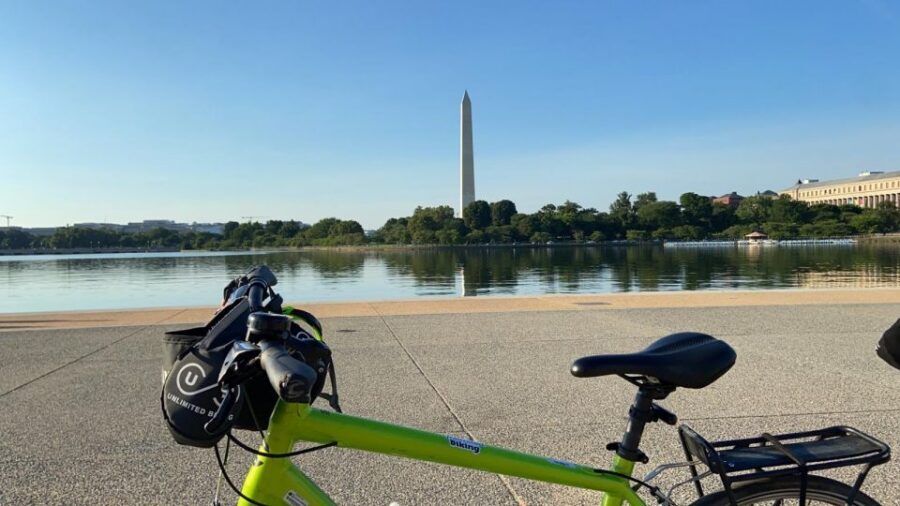
After the monument stop, you ride toward the Smithsonian Castle. It’s a smart closer because it connects the tour to the rest of the Smithsonian universe. Even if you don’t go into museums immediately, ending near a major anchor gives you options.
This is where the “short but complete” design of the tour shines. In three hours, you get the core memorial tour experience and then you’re positioned to continue your day on foot or by transit.
If you want a smooth plan for your next steps, think about it like this: use the tour to learn the big story beats, then pick one museum or exhibit that matches what you found most moving or interesting.
Price and Value: Is $65 Worth It for Three Hours?
At $65 per person for a 3-hour guided experience, the value depends on how you like to travel. If you’re the type who hates spending your limited time in DC walking between distant stops, this price makes sense fast.
Here’s the value math I’d use:
- You get bike rental and a helmet included, so you’re not paying extra at the last minute.
- The route covers a meaningful cluster of major memorials without long transit hassles.
- Guided storytelling saves time. Instead of reading or guessing, you’re pointed to what matters at each location.
The tour is also rated easy and covers about 4 miles of flat terrain, so you’re not buying this for intense exercise. You’re buying it for efficient sightseeing plus a guided “why this matters” layer.
So if your goal is to see a lot without burning your energy early, this is a strong deal for the time you have.
Who Should Book This Bike Tour (and Who Should Skip It)
This tour is best for:
- Families who want a repeatable, low-drama way to see monuments
- People who want an efficient overview of the National Mall highlights in a single morning/afternoon window
- Visitors who enjoy guided explanations and don’t want to piece the story together alone
It’s not the best match for:
- Pregnant travelers, since the tour lists it as not suitable
- Anyone who needs long stops at each site (the tour is built around photo moments plus time to explore, not extended museum-style lingering)
If you’re traveling with kids, pay attention to the child gear options. Toddler trailers and tag-a-longs are available for rent, which helps keep the family experience smoother for mixed ages.
Tips That Make Your Tour Feel Effortless
A few small choices will make a big difference:
- Bring a passport or ID card
- Wear comfortable shoes (standing and walking are part of the experience)
- Skip sandals or flip flops since they’re not allowed
- Plan to arrive ready to roll with a helmet on, since helmets are mandatory for everyone
Also, if you’re sensitive to group pacing, treat this as a structured ride. It moves. You can slow down when the guide builds in walking time at stops, but it’s not designed for wandering off on your own for long stretches.
Should You Book This Washington Monuments Bike Tour?
Book it if you want a smart, family-friendly way to see the National Mall memorials and DC’s major historical stops without wearing yourself out. At $65 for a guided 3-hour ride with bikes and helmets included, it’s a practical value—especially if you like clear explanations and efficient sightseeing.
Skip it if you want long, independent time at each memorial or if your group needs a more flexible, less structured pace. Also, if pregnancy is part of your travel plan, this one isn’t recommended.
If you’re trying to choose between “see fewer things” and “see the key things fast,” this tour leans into the second option—and it does it well.
FAQ
How long is the Washington DC monuments and memorials bike tour?
It lasts about 3 hours.
Where is the meeting point?
You meet at 801 D St NW, Washington DC 20004, right by the US Navy Memorial Plaza.
What is included in the price?
The tour includes a professional guide, bike rental, and a helmet.
Do I need a helmet?
Yes. Helmets are mandatory for all participants.
Is the route easy?
Yes. It is rated easy and covers approximately 4 miles of flat terrain.
Which sights are included on the route?
The tour visits the Jefferson Memorial, Martin Luther King Jr. Memorial, Korean War Veterans Memorial, Lincoln Memorial, Vietnam Veterans Memorial, World War II Memorial, Washington Monument, and the Smithsonian Castle.
Is hotel pickup and drop-off included?
No, hotel pickup and drop-off is not included.
Can children ride with toddler trailers or tag-a-longs?
Yes. Toddler trailers and tag-a-longs are available for rent for children.
What footwear is allowed?
Sandals or flip flops are not allowed. Wear comfortable shoes.
What happens if weather makes riding unsafe?
Tours may be canceled if weather creates dangerous riding conditions. If the operator can’t reschedule, you receive a full credit or refund.