REVIEW · BIKE TOURS
Monumental Electric Bike Tour
Book on Viator →Operated by Unlimited Biking formerly Bike and Roll DC · Bookable on Viator
DC’s monument loop is built for speed. An e-bike tour is a smart way to cover the Mall and still feel like you’re outdoors. You’ll roll along Pennsylvania Avenue on the path that lines up with presidential parade routes, then glide from memorial to memorial with history stops that mostly stay outside.
I like two things most: the e-bike + helmet included approach makes it realistic for more people (even if your legs are less than perfect), and the small group size (max 15) keeps the pace friendly and allows your guide to steer the conversation instead of just rattling facts.
One consideration: it’s a tour of highlights, not slow sightseeing. With only minutes at each stop, you can feel a bit rushed if you like to linger, and some bike issues can pop up (so do a quick check of brakes and fit before you roll).
In This Review
- Key things to know before you ride
- Why this e-bike tour is the easiest way to see the Mall
- Starting at 801 D St NW: the quick reality check
- Electric bikes make the route feel manageable
- How the pacing works: 3 hours, many stops, limited lingering
- Stop-by-stop: what you’ll see and what to watch for
- Stop 1: Ulysses S. Grant Memorial (ride past, 15 minutes, free)
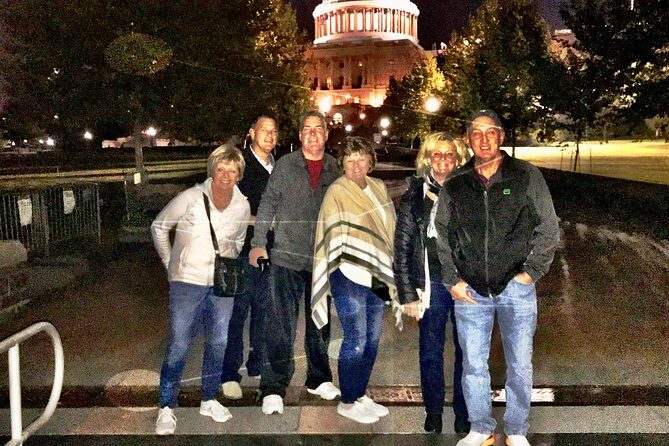
- Stop 2: U.S. Capitol (10 minutes, free sighting only; no interior)
- Stop 3: Library of Congress (15 minutes, free; behind the Capitol)
- Stop 4: National Archives Museum district (5 minutes; no entry)
- Stop 5: Freedom Plaza (15 minutes, free; ride past)
- Stop 6: White House from the Ellipse (7 minutes, no entry)
- Stop 7: Washington Monument (5 minutes, free; notice the color difference)
- Stop 8: National World War II Memorial (10 minutes, free; walk-in time)
- Stop 9: Vietnam Women’s Memorial (15 minutes, free)
- Stop 10: Vietnam Veterans Memorial (10 minutes, free; story + walk-through opportunity)
- Stop 11: Korean War Veterans Memorial (10 minutes, free; hidden significance)
- Stop 12: Martin Luther King Jr. Memorial (10 minutes, free; Mountain of Despair to Stone of Hope)
- Stop 13: Franklin Delano Roosevelt Memorial (15 minutes, free; four rooms + Fala)
- Stop 14: Jefferson Memorial (10 minutes, free; Tidal Basin views + inside access)
- Guides matter: when the facts stay human
- Value for $89: what you get for your money
- What to bring so the ride stays comfortable
- Should you book this Monumental Electric Bike Tour?
- FAQ
- What’s included with the tour?
- How long is the Monumental Electric Bike Tour?
- Where does the tour start and end?
- Is this tour available in English?
- What are the minimum age requirements?
- Do I visit the inside of the U.S. Capitol or the White House?
- Do I go into the National Archives Museum?
- What admission fees are included?
- How big is the group?
- What happens if weather is bad?
- Can I bring luggage or attach a trailer?
Key things to know before you ride
- Presidential parade-route vibes on Pennsylvania Avenue without dealing with car traffic chaos
- E-bike and helmet included, plus a group cap of 15 for easier guidance
- Mostly outside access: you’ll learn from the curb and plaza, with no entry into the Capitol or White House
- A stop-by-stop memorial route that hits WWII, MLK, FDR, and Jefferson in one loop
- Short time blocks at each site (often 5–15 minutes), ideal for an overview, less ideal for deep lingering
Why this e-bike tour is the easiest way to see the Mall
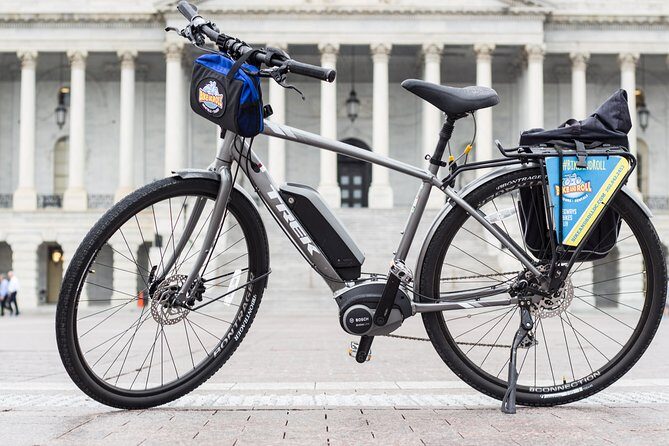
If you’re visiting Washington DC for the first time, the biggest challenge is simple: distance. The National Mall is spread out, and monuments that look close on a map can still chew up a lot of walking time once you’re there. This tour solves that by using electric bikes so you can keep moving, breathe fresh air, and still stop often enough to learn what you’re seeing.
What makes this route especially good is the logic of the sweep. You start near downtown and work your way through the core civic zone: the Capitol area, the Library of Congress, the National Archives district, and then the presidential sights toward the White House and Washington Monument. After that, it flows into the memorials that many first-time visitors most want to understand in context.
You also avoid a common DC trap: spending half your day stuck in bottlenecks. Here, the bike format turns the in-between stretches into usable time. You’re not just being transported; you’re actively moving through DC with stops that reset your attention.
You can also read our reviews of more cycling tours in Washington DC



Starting at 801 D St NW: the quick reality check

The meeting point is at 801 D St NW, Washington, DC 20004, and the tour ends back where you started. That round-trip setup matters because you can show up, get your bike, and focus on the loop instead of planning a separate return.
Arrive early. The tour starts on time, and you’re expected to check in 15 minutes before departure. If you’re late, they can’t guarantee they’ll fit you in. This is the one logistics rule that affects everyone equally, so it’s worth treating it seriously.
A couple practical notes from the operation details:
- Minimum age is 16, and IDs may be checked.
- Luggage can’t be held due to security at the location, so travel light.
- Trailers and tag-a-longs can’t be attached to the e-bikes for safety.
- Service animals are allowed, and the start is near public transportation.
If you’re traveling with a team, this tour can be a solid way to keep everyone synced. One reason it works is that the guide can manage a group of up to 15 on a consistent route, rather than forcing you into a chaotic parade of strangers.
Electric bikes make the route feel manageable
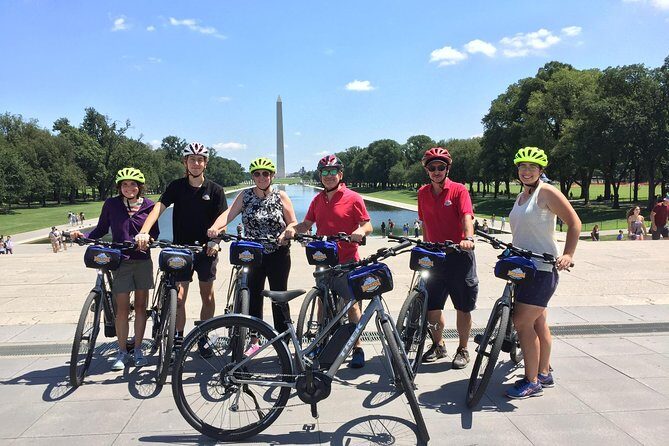
This is the part you’ll feel right away. The e-bike reduces the effort needed to cover the Mall while still letting you stay in charge of your speed. That matters because the tour includes stops that range from a quick photo pause to a longer memorial walk-in moment.
Helmets are mandatory, and helmets are provided with the bike rental. You’ll also want to do a short personal check before you head out:
- confirm your brakes feel solid and predictable
- test how the bike accelerates from a stop
- make sure the bike is stable when you pause at monuments
Some riders have reported bikes that needed attention (like squeaky brakes or a less-than-ideal kickstand). You don’t need to be a mechanic, but you should treat the first few minutes like a safety inspection. If something feels off, speak up immediately so the guide can help sort it quickly.
Also, if you’re booked for an e-bike, it’s smart to verify at check-in that you actually receive the electric bike assigned to you. A couple of issues in the past came from people not starting on the e-bike they expected, which created awkward delays.
How the pacing works: 3 hours, many stops, limited lingering
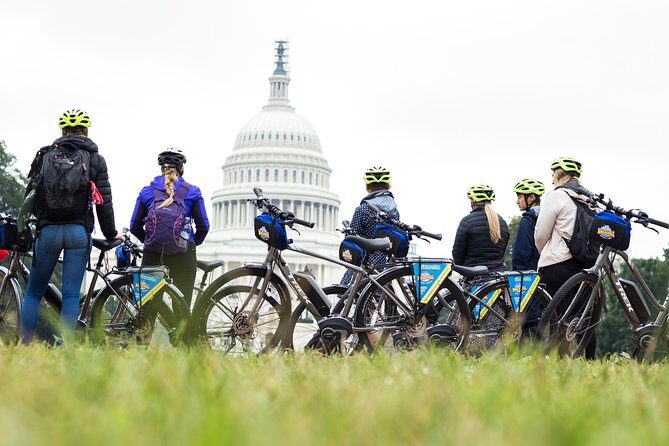
The tour is about 3 hours total, but the real structure is the tight stop timing. Most locations are 5–15 minutes, and the memorial walk-ins are usually brief but meaningful.
That pacing is a feature, not a bug. It’s built for an overview of the major sites, with enough time for your guide to frame what you’re looking at. If you want to understand DC without turning your day into a half-marathon, this is one of the more efficient formats.
The tradeoff is that it’s not designed for slow, long conversations at every monument. If you tend to wonder and linger—taking in every plaque, reading every panel, snapping a hundred photos—set your expectations now. You can still enjoy the stops, but you’ll likely want to plan one or two follow-up visits later with more time.
Stop-by-stop: what you’ll see and what to watch for
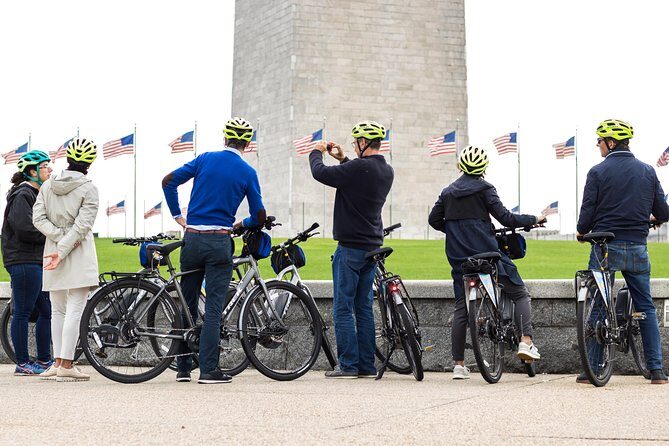
Here’s what the ride feels like from start to finish, with the key details that shape your experience.
You can also read our reviews of more tours and experiences in Washington DC



Stop 1: Ulysses S. Grant Memorial (ride past, 15 minutes, free)
You begin with the Grant Memorial area and then continue toward the Capitol. Even when you’re not spending a long time at each point, this opening sets the theme: Washington DC as a planned landscape where leadership and symbolism are built into the streetscape.
Look for the guide’s framing as you move along the approach to the Capitol. The value here is understanding how the city’s layout guides your eye, even before you reach the iconic building itself.
Stop 2: U.S. Capitol (10 minutes, free sighting only; no interior)
You’ll stop on both sides of the Capitol Building and get a practical talk about the design and the history of where the House and Senate convene. You won’t go inside the Capitol.
This is still worth it because viewing the Capitol from multiple angles helps you see why people talk about the structure’s scale and planning. It also gives you a starting point for planning a future visit if you want interior access.
Stop 3: Library of Congress (15 minutes, free; behind the Capitol)
Just behind the Capitol, you’ll pass the Library of Congress area. It’s a stop that rewards you if you like the civic backbone of DC, not just the headline monuments.
This stop is also a nice mental break. After the grand Capitol moment, the Library area feels more detailed and human-scale in how it reads to visitors.
Stop 4: National Archives Museum district (5 minutes; no entry)
Next is the National Archives Museum area. The important note: you will not go into the Archives.
Even from outside, your guide can help you understand why this place matters. There’s a fun detail here that sticks: the Archives is home to every letter written by children to U.S. Presidents, and some of them are genuinely amusing. It’s the kind of fact that turns a quick stop into something you remember.
Stop 5: Freedom Plaza (15 minutes, free; ride past)
You’ll pass Freedom Plaza on the way toward the White House. This is one of those sections where the bike helps most, because you’re able to cover the space without losing the thread of where the route is heading.
Use this as a reset moment. If you feel your energy dipping, this stretch gives your body a chance to settle into the ride rhythm.
Stop 6: White House from the Ellipse (7 minutes, no entry)
You’ll stop along the Ellipse and see the White House from the south side. You’ll learn about construction and additions presidents have made during their terms. You will not go into the White House.
Because the stop is short, I’d treat it like a viewpoint and context stop, not a photo marathon. The best payoff comes when you listen for the guide’s details on changes over time, which gives the White House a sense of living history instead of just a postcard.
Stop 7: Washington Monument (5 minutes, free; notice the color difference)
At the Washington Monument, your guide points out something most people miss: the monument looks like it has two different colors. You’ll hear why that happens.
This is a perfect example of how the tour earns its value. You’re not just stopping—you’re being taught what to notice in the moment.
Stop 8: National World War II Memorial (10 minutes, free; walk-in time)
The National World War II Memorial is one of the emotional stops on the route. You’ll have a chance to walk in and experience it more directly.
This is where the tour timing can feel right. Ten minutes isn’t long enough to read every detail, but it’s long enough to absorb the design and feel the intended mood before you move on.
Stop 9: Vietnam Women’s Memorial (15 minutes, free)
The Vietnam Women’s Memorial gets a longer stop here, and that helps. With more time, you can actually take in what the memorial is communicating rather than just glancing and moving on.
If you care about learning beyond the biggest-name monuments, this is one of the stops that gives the tour depth.
Stop 10: Vietnam Veterans Memorial (10 minutes, free; story + walk-through opportunity)
You’ll stop outside the Wall and hear the story behind the design and the designer. Then you’ll have a chance to walk through the memorial.
This is often a “quiet” moment for many visitors. The walk-through component is what makes it more than just a photo stop. Even if you only spend part of the time reading, it helps you connect emotionally to what the memorial represents.
Stop 11: Korean War Veterans Memorial (10 minutes, free; hidden significance)
At the Korean War Veterans Memorial, your guide highlights details that can be easy to miss. It’s tied to the idea of the war being referred to as the forgotten conflict, and there are elements with built-in significance.
This is another stop where listening matters. The tour format helps you spot what you might otherwise overlook.
Stop 12: Martin Luther King Jr. Memorial (10 minutes, free; Mountain of Despair to Stone of Hope)
You’ll see the Martin Luther King Jr. Memorial area outside first, then walk through parts of it. The route includes the Mountain of Despair and leads to the Stone of Hope viewpoint.
Even with limited time, this layout is clear enough that you can feel the narrative. The guide’s role is to explain what you’re walking through and why it was designed that way.
Stop 13: Franklin Delano Roosevelt Memorial (15 minutes, free; four rooms + Fala)
At the Franklin Delano Roosevelt Memorial, you hop off your bike and walk through the four “rooms,” each representing a term of his presidency. There’s also the famous “luck” tip: rub Fala’s ears.
This stop is built for walking, which fits the tour well. It’s long enough to feel like you truly enter the memorial space, not just pass by it.
Stop 14: Jefferson Memorial (10 minutes, free; Tidal Basin views + inside access)
You end at the Jefferson Memorial, with sweeping views of the Tidal Basin. You’ll learn why Jefferson seems to “keep an eye on” the White House, and then you’ll climb the steps to see inside the monument.
This is a nice finale because it links landscape views with design meaning. It also leaves you positioned well for what comes next on your DC day.
Guides matter: when the facts stay human

What consistently makes this kind of tour feel worth it is the guide’s balance: enough story to make monuments click, but not so much information you tune out.
In the past on this route, guides like Berto, Mark, Noah, Greg H, Joe, Alexa, Jose, Adrian, Tim, Kirby, Shane, Matthew, Eric, Charlotte, and James have been praised for being on point without overwhelming people. One thing I value in a guide is pacing their commentary to the moment, especially when you’re moving by bike and everyone has different comfort levels.
If you’re hoping to get practical tips beyond monument facts, this format often delivers that too. For example, some guides are known for sharing recommendations for what to do next around the city—useful if you haven’t planned every hour yet.
Value for $89: what you get for your money
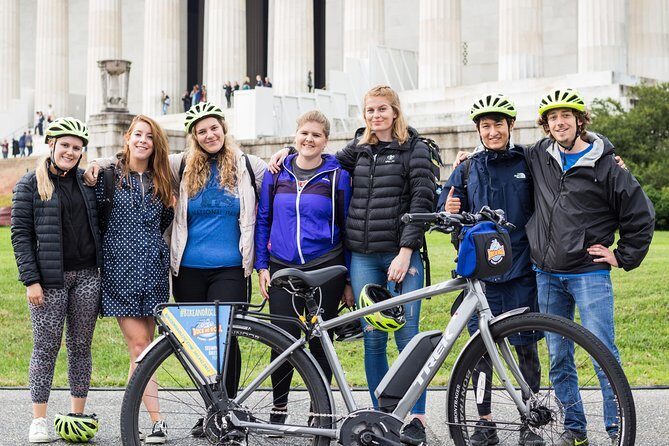
At $89 per person for about 3 hours, the value comes from three things you don’t have to piece together yourself:
- a professional guide running the loop
- an electric bicycle and mandatory helmet included
- a dense route that groups many of DC’s best-known monuments and memorials into one managed outing
This isn’t a budget museum ticket. It’s closer to a paid way to buy time and mental clarity in a city where everything takes planning. If you’re trying to see the Mall efficiently while still understanding what you’re looking at, this price makes sense.
Two other value signals: the tour is commonly booked around 23 days in advance (so planning ahead helps), and the group cap of 15 supports a better experience than the bigger “everyone squeeze in” formats.
What to bring so the ride stays comfortable
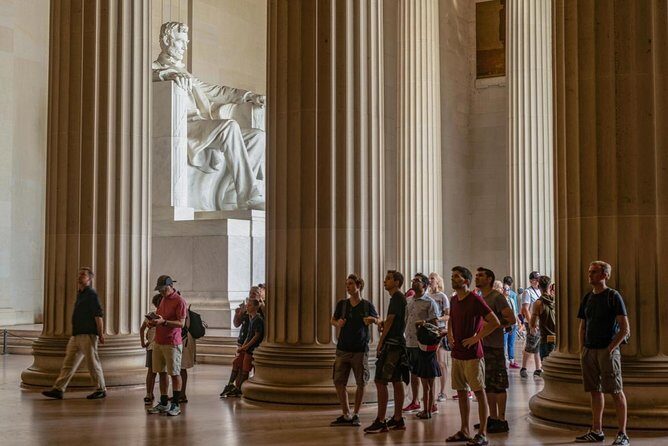
A few small items can make a big difference on a bike-based monument tour:
- Water: some riders have noted hydration wasn’t provided as expected, so I strongly recommend bringing your own bottle.
- Phone/keys access: there’s a small pouch sized for essentials, so you won’t need a big bag.
- A quick ID check: you may need it at the 16+ boundary.
- Weather-ready clothes: the tour can be canceled if weather makes riding unsafe, and you’ll want to dress for the day.
- Pace mindset: if you’re a slow walker or tend to linger, choose your follow-up spots carefully since stop times are short.
Also remember: there’s no luggage storage at the start due to security, so plan to carry only what you truly need.
Should you book this Monumental Electric Bike Tour?
Book it if you want:
- a fast, structured way to see the key Mall sights and memorials without a car
- an accessible way to handle distance with e-bike support
- guided context that tells you what to notice at stops like the Washington Monument color detail or FDR’s “rooms” and Fala tradition
Skip it (or pair it with extra time elsewhere) if you want:
- to go inside the Capitol, White House, or the Archives, because this tour explicitly stays outside those interiors
- long, unhurried time at a single memorial. Here, you get a strong overview, not hours of reading and wandering
If you’re planning a first DC visit or you only have a half-day to get oriented on the Mall, this is one of the most sensible “get your bearings fast” options.
FAQ
What’s included with the tour?
The tour includes a professional guide, use of an electric bicycle, and a mandatory helmet.
How long is the Monumental Electric Bike Tour?
It’s approximately 3 hours.
Where does the tour start and end?
It starts at 801 D St NW, Washington, DC 20004, and ends back at the meeting point.
Is this tour available in English?
Yes. The tour is offered in English.
What are the minimum age requirements?
The minimum age is 16, and IDs may be checked. If someone in your party is under 16, their seat is forfeited and there is no refund.
Do I visit the inside of the U.S. Capitol or the White House?
No. You’ll learn from stops outside and around the buildings, but you do not go inside the U.S. Capitol or the White House.
Do I go into the National Archives Museum?
No. You’ll stop near it and learn about what’s there, but you do not go into The Archives.
What admission fees are included?
Some stops are free (like the Grant Memorial, Library of Congress, Freedom Plaza, and many memorials). Other stops note admission is not included (like the Capitol area, National Archives Museum district, and the White House).
How big is the group?
The tour has a maximum of 15 travelers.
What happens if weather is bad?
The tour requires good weather and may be canceled if conditions make riding dangerous. If canceled due to weather, you’ll be offered a different date or a full refund.
Can I bring luggage or attach a trailer?
You can’t store luggage during the tour due to security. Trailers and tag-a-longs can’t be attached to the e-bikes for safety.