REVIEW · TOUR REVIEWS
Sushi Masterclass in Washington D.C. (Includes 4-Course Meal)
Book on Viator →Operated by Cozymeal Cooking Classes · Bookable on Viator
A sushi class in D.C. can be genuinely hands-on. In this small-group sushi masterclass, you’ll learn sushi rice and knife work while making a four-course meal, and you’ll take those skills home. One thing to plan for: the meeting point is in Centreville, VA, so you’ll want to build in travel time.
I love the personal attention you get with a tight group size (listed up to 8, with the activity also noting a maximum of 6), plus the clear focus on technique, not just eating. The instructor, Chef Made Master, is described as energetic and encouraging, and that matters because sushi is all about repeatable motions, not luck. And yes, this is a BYOB-friendly setting, which makes the whole experience feel more like a relaxed dinner party than a classroom.
In This Review
- Quick Take: What Makes This Sushi Masterclass Worth It
- Setting the Stage in Washington: Small Group, Real Instruction
- Course Flow: How the 3 Hours Unfold
- First Course: Tuna Sesame Salad to Wake Up Your Palate
- Second Course: Assorted Maki Rolls, Including Spicy Tuna and Avocado Cream Cheese
- Third Course: Special Rolls Like Caterpillar and Spicy Double Tuna
- Fourth Course: Hand Rolls With Tuna, Eel, and California
- What You’ll Learn That Transfers to Your Next Sushi Night
- BYOB-Friendly Meal Time: A Fun, Low-Stress Way to Eat What You Make
- Where to Meet: Centreville, VA Timing Considerations
- Price and Value: Is $125 Fair for a Sushi Masterclass?
- Who This Sushi Class Suits Best
- Should You Book This Sushi Masterclass in Washington, D.C.?
- FAQ
- How long is the sushi masterclass?
- What’s included in the $125 price?
- Is this class BYOB?
- What sushi will I be making during the class?
- Can dietary needs be accommodated?
- What is the cancellation policy?
Quick Take: What Makes This Sushi Masterclass Worth It
- Small group format keeps you from watching while others roll
- Four courses means you don’t just learn basics—you practice multiple roll styles
- Chef Made Master’s teaching style is focused on lasting skills
- Maki + hand rolls cover the two most common sushi formats you’ll see in restaurants
- BYOB-friendly lets you bring wine or beer to enjoy during the class
Setting the Stage in Washington: Small Group, Real Instruction
This sushi masterclass is built around one idea: you learn by doing. The class runs about 3 hours, and it’s designed for a tight number of people—ideal if you want questions answered right away while your rice is still warm and your rolling mat is still set up.
You’ll be working at a cozy Washington-area venue, with instruction in English. You also have flexibility if you need dietary accommodations: the experience is designed to tailor to different dietary needs, as long as you let the organizer know in advance. That’s not something every food workshop can promise, and it helps you enjoy the class without constantly feeling like you’re behind.
Another practical plus: you’ll get a mobile ticket, so you’re not fumbling for printed paperwork. And if you’re bringing a service animal, that’s supported.
One more detail that shapes the mood: it’s explicitly BYOB-friendly, with guests welcome to bring wine and beer. That turns the class into a slower, more social meal, especially if you’re the kind of person who likes to savor what you’re making instead of rushing to the finish.
You can also read our reviews of more tours and experiences in Washington DC.



Course Flow: How the 3 Hours Unfold
You’ll move through a four-course menu, and each section is designed to build on the last. Expect to start with a palate opener, then move into maki rolls, then “special roll” practice, and finally finish with hand rolls—each one giving you different hands-on technique.
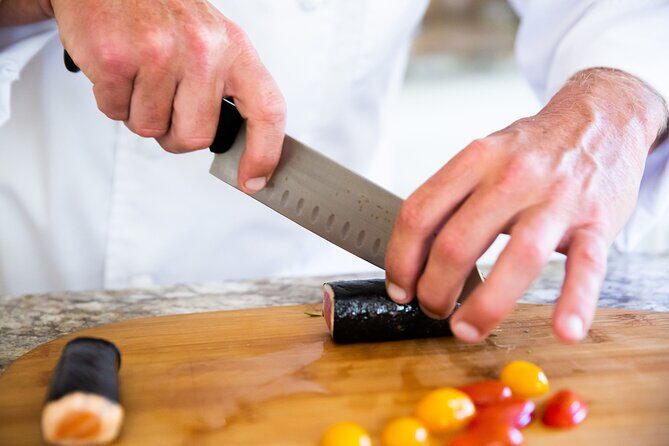
The chef’s role is consistent across the courses: you’ll learn how to prepare seasoned sushi rice, get help with knife techniques, and then assemble rolls with better control. Sushi looks fancy, but the workflow is teachable: timing, texture, and how much filling you add without turning the whole thing into a mess.
First Course: Tuna Sesame Salad to Wake Up Your Palate
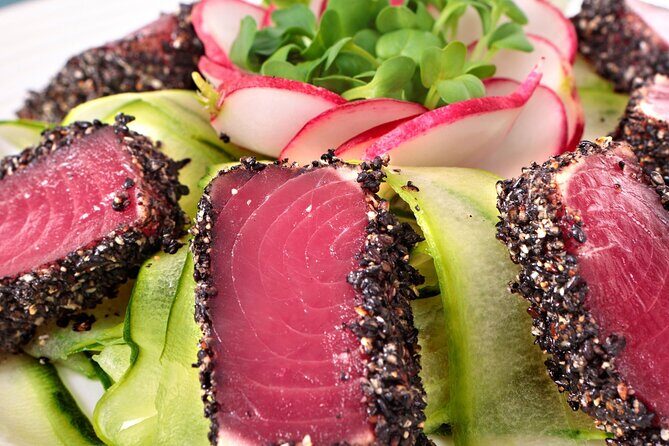
Your first course is a tuna sesame salad made with fresh tuna, sesame, and a light dressing. This is a smart start. Salty, lightly savory flavors like tuna and sesame help you reset your taste buds before you get into the heavier work of rice and rolling.
Even if the salad itself isn’t the “main skill” lesson, it sets expectations for the rest of the meal: clean flavors, careful proportions, and balance. In a sushi class, the biggest mistake is thinking sushi is only about shape. It’s also about how flavors land—especially once the seasoned rice starts doing its job.
You’re also getting seated at the pace of a hands-on workshop, not a formal tasting. That matters because sushi-making goes much better when you’re not stressed about time.
Second Course: Assorted Maki Rolls, Including Spicy Tuna and Avocado Cream Cheese
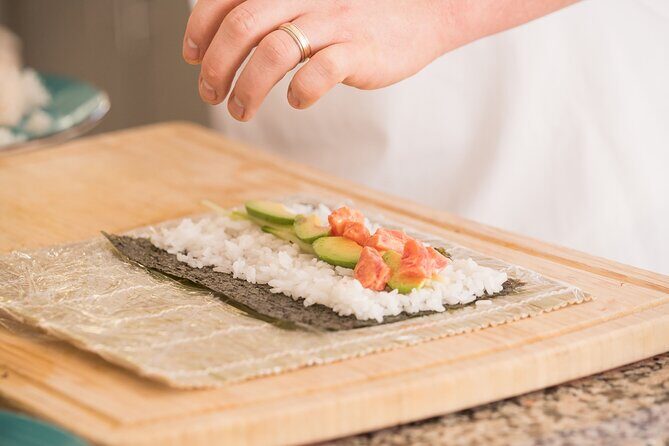
Next up: assorted maki rolls, including a spicy tuna roll and an avocado cream cheese roll style. Maki is where many people freeze, because the roll has to be tight enough to hold together but not so compressed that it smashes the ingredients.
This is also where the class’s technique focus really pays off. The chef teaches you how to work with seasoned sushi rice—and that’s the foundation for everything that follows. When rice is seasoned correctly, it tastes right and it rolls better. When it isn’t, even a perfect-looking roll can taste flat.
For the spicy tuna portion, you’ll be practicing bold flavor without losing balance. Spicy tuna also highlights one important sushi skill: distributing filling so every bite gets the same hit. For the avocado cream cheese roll, it’s about texture and spread—filling that’s softer needs control so it doesn’t ooze out when you slice.
This course is the “core training” stop: once you understand maki basics, the rest of the menu feels more achievable.
Third Course: Special Rolls Like Caterpillar and Spicy Double Tuna
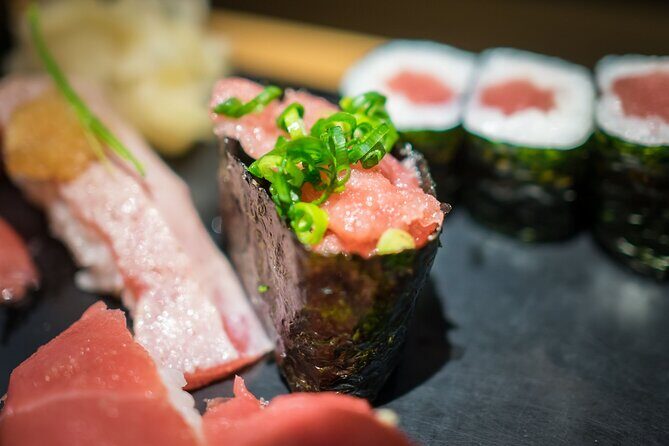
Then you’ll get to special rolls, including the caterpillar roll and spicy double tuna roll. These sound like restaurant showpieces, but in a class setting they’re really about technique transfer.
The caterpillar roll includes layers with avocado slices plus fresh flavors. That means you practice structure: how to stack and place components so the final look matches the idea. If you’ve ever eaten a fancy roll and thought it looked too complicated, this is where you learn that it’s mostly repeatable steps and careful layout.
The spicy double tuna roll is for the tuna lovers, and it adds another layer of balance practice. You’re combining heat and tuna richness while still keeping the roll’s integrity. It’s the kind of course that helps you understand how spicy elements can overpower if you overdo them—so you learn the handling and proportion side, not just the flavor.
In other words: by the time you hit special rolls, you’re not just rolling. You’re building.






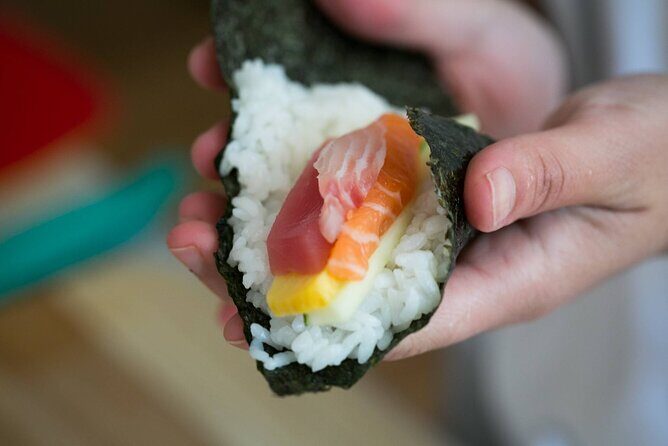
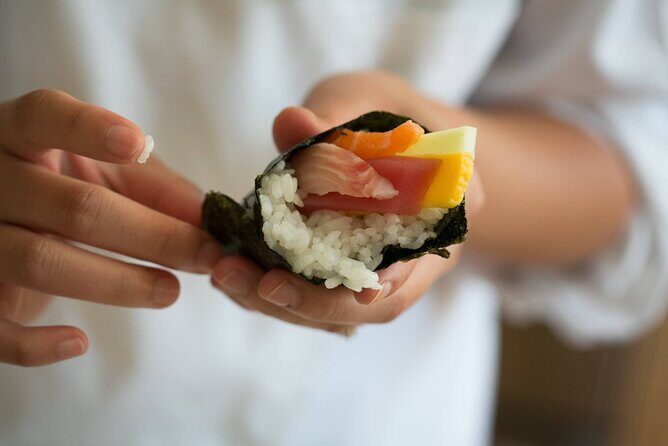
Fourth Course: Hand Rolls With Tuna, Eel, and California
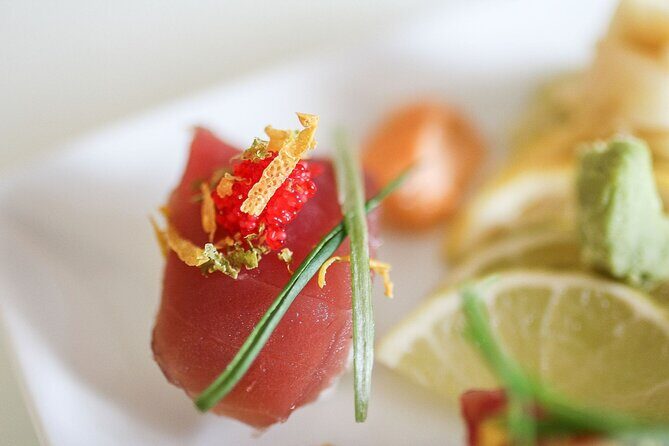
Finally, you’ll make hand rolls—a very satisfying way to end. You’ll prepare hand rolls including:
- Tuna hand roll
- Eel hand roll
- California hand roll
Each is shaped differently because hand rolls are meant to be eaten directly, not neatly sliced into bite-sized pieces like maki.
This course is where your skills feel real because it changes how you assemble. Hand rolls usually require more precision with placement and spacing, so you get practice with the “hands on” part of sushi. The class also keeps the flavors varied: fresh tuna for brightness, eel for savory depth, and California style for a creamy, crowd-pleasing balance.
It’s also a great moment to slow down and taste what you made while the technique is still fresh in your head. In this kind of class, that matters: your brain connects the steps to the outcome, so you’re more likely to remember how to recreate it later.
And if you want a memorable takeaway, Chef Made Master’s teaching style is especially helpful here. The feedback highlights that his energy and instruction help people leave with skills they can actually use, not just a full stomach.
What You’ll Learn That Transfers to Your Next Sushi Night
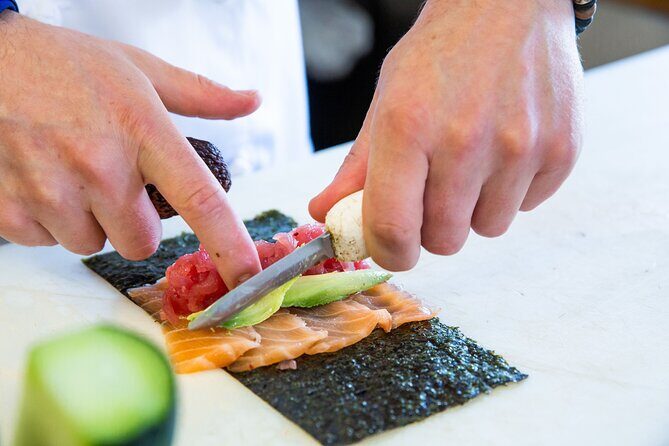
This isn’t a class where you watch someone else do the work. You’re taught how to prepare seasoned sushi rice, practice knife techniques, and create both maki and hand rolls. That combination is valuable because it covers the three biggest “home sushi” hurdles: rice taste, prep accuracy, and roll construction.
Here’s how that translates to real life for you:
- Seasoned sushi rice know-how: Rice is the heart of sushi. Learning how it’s seasoned helps your rolls taste like sushi, not like plain rice wrapped in seaweed.
- Knife technique practice: Sushi knives make a difference, but technique matters more—clean cuts affect the way rolls hold together and how slices look.
- Maki and hand roll competence: Once you can make both, you’re not limited to one style. You can build your own at-home sushi plan without guessing.
- Repeatable assembly habits: The workshop format pushes you to build confidence through practice. That’s why the most praised aspect is the lasting skills people leave with.
If you’re planning to impress someone, this is also a confidence boost. You’ll have something real to show for your effort, and you’ll know what went right or wrong when a roll doesn’t look perfect.
BYOB-Friendly Meal Time: A Fun, Low-Stress Way to Eat What You Make
One of the easiest ways to turn a cooking class into a good night is lowering the formality. This experience is designed to be BYOB-friendly, with wine and beer welcome during the class.
That means you can settle in, enjoy the process, and pair your food with something you like. It also makes the class feel less like a timed performance and more like a shared evening with a chef guiding you through technique.
That said, sushi is delicate. If you bring drinks, you’ll still want to stay focused while rolling. The best vibe is relaxed, not sloppy—because seasoned rice doesn’t forgive chaos.
Where to Meet: Centreville, VA Timing Considerations
The meeting point is listed at 14327 Watery Mountain Ct, Centreville, VA 20120. The activity ends back at the same meeting point.
This matters because if you’re staying in central Washington, D.C., you’ll likely need a short drive or ride over the border into Virginia. I’d plan your transportation early so you don’t arrive flustered. A sushi class runs on comfort and timing, and being stressed at the start can make the whole experience feel harder.
No specific transit details are provided, so the safest plan is to treat it like a destination location: give yourself time to get there calmly, check in, and get settled before the cooking starts.
Price and Value: Is $125 Fair for a Sushi Masterclass?
At $125 per person, you’re paying for more than a meal. You’re buying structured sushi education in a small group plus a full four-course menu built around what you make.
Here’s why it can feel like good value:
- You get instruction on foundational skills (seasoned rice, knife work, maki and hand roll assembly).
- The food isn’t a snack size. You’re preparing and eating a full starter, multiple roll types, and final hand rolls.
- The group is intentionally small, which often improves the quality of teaching and feedback.
If you’ve ever taken a cooking class where you barely touch the food, this one is different by design. When you leave with skills you can repeat, the class becomes less like a one-time dinner and more like training.
The biggest “cost” is your effort: sushi takes patience. But if you like learning hands-on and you enjoy seafood flavors, this price lines up well with what you get.
Who This Sushi Class Suits Best
This is a strong fit if you:
- Want a hands-on sushi experience rather than a passive demonstration
- Are interested in making maki and hand rolls at home
- Like learning practical kitchen technique, especially rice and knives
- Enjoy social meals and want a BYOB setting
It may be less ideal if you’re looking for a quick tasting with no real participation. This class is about doing, not just sampling.
It’s also a nice option for couples, friends, and anyone who likes food education with a chef who brings energy. The praise for Chef Made Master’s instruction style is exactly what you want when you’re learning something precise.
Should You Book This Sushi Masterclass in Washington, D.C.?
I’d book it if you want sushi skills you can actually use. The format is built for practice: seasoned rice, knife technique, maki rolls, and hand rolls, wrapped into a full four-course meal. Chef Made Master’s teaching style is highlighted as energized and effective, which is what turns a class from fun-but-forgettable into lasting.
Before you commit, double-check your plan for getting to Centreville, VA. If you’re careful about timing and you’re ready to roll up your sleeves, this can be one of those D.C-area experiences that feels like a night out and a useful skill-building session at the same time.
FAQ
How long is the sushi masterclass?
It runs for about 3 hours.
What’s included in the $125 price?
You get the full four-course menu (tuna sesame salad, assorted maki rolls, special rolls, and hand rolls), plus hands-on instruction from the sushi chef in a small-group setting.
Is this class BYOB?
Yes. It’s a BYOB event, and guests are welcome to bring wine and beer.
What sushi will I be making during the class?
You’ll make items including tuna sesame salad, assorted maki rolls (including spicy tuna and avocado cream cheese rolls), special rolls (such as caterpillar roll and spicy double tuna roll), and hand rolls (tuna, eel, and California hand rolls).
Can dietary needs be accommodated?
Yes. The class is designed to accommodate a variety of dietary needs, and you should let the organizer know in advance.
What is the cancellation policy?
There is free cancellation. You can cancel up to 24 hours before the experience starts for a full refund.