REVIEW · FOOD
DC’s Original Food & History Neighborhood Tour
Book on GetYourGuide →Operated by Blue Fern Travel · Bookable on GetYourGuide
U Street tells stories you can eat. This 3-hour walking tour mixes food tastings with real neighborhood history, from the heyday of Black Broadway to the Civil Rights era and beyond. You’ll also spend real time looking up—murals, sculptures, and the architecture that shows how the area changed.
I like the balance here: you’re not just grazing snacks, you’re getting context for why these places and people matter. And because it’s limited to 8 participants, you can actually ask questions without feeling like you’re in a cattle line.
One thing to plan for: this is a steady walk (about 3 miles in roughly 2 hours) and it runs rain or shine, so you’ll want comfortable shoes and weather-ready layers.
In This Review
- Key highlights you’ll care about
- U Street is the DC you don’t see from the monuments
- Ben’s Chili Bowl sets the tone (and gets your bearings fast)
- Lunch-size tastings: how the route feeds you without slowing you down
- Dietary needs: you can plan, and you should speak up early
- U Street’s murals and sculptures: the stories behind the walls
- Guided photo stops: learning to see, not just shooting pics
- Architecture on U Street: the neighborhood’s story in buildings
- Meet your guide: Rasheed or Jim, and why their style matters
- Price and value: what $112 buys you
- Who this tour is perfect for (and who should think twice)
- Practical tips so you enjoy every bite
- Should you book this DC food and history tour?
- FAQ
- Where does the tour start and where does it end?
- How long is the tour?
- How much does the tour cost?
- Is the tour a walking tour, and how much walking is involved?
- What food is included?
- Can the tour accommodate dietary restrictions?
- What if the weather is bad?
- How big are the groups?
- Is the tour wheelchair accessible?
- Can I get a refund if I need to cancel?
- Is the tour in English?
Key highlights you’ll care about
- Lunch-style tastings on one corridor: enough food to feel satisfied, not just sampled.
- Black Broadway + Jazz Era context: how this strip shaped music and culture.
- Street art stops with explanations: murals, sculptures, and the artists behind them.
- Architecture you’ll notice differently: evolution of the neighborhood as it changes today.
- Small-group pace: limited to 8, plus water along the way.
- A charity add-on built in: part of each ticket supports Bread for the City.
U Street is the DC you don’t see from the monuments
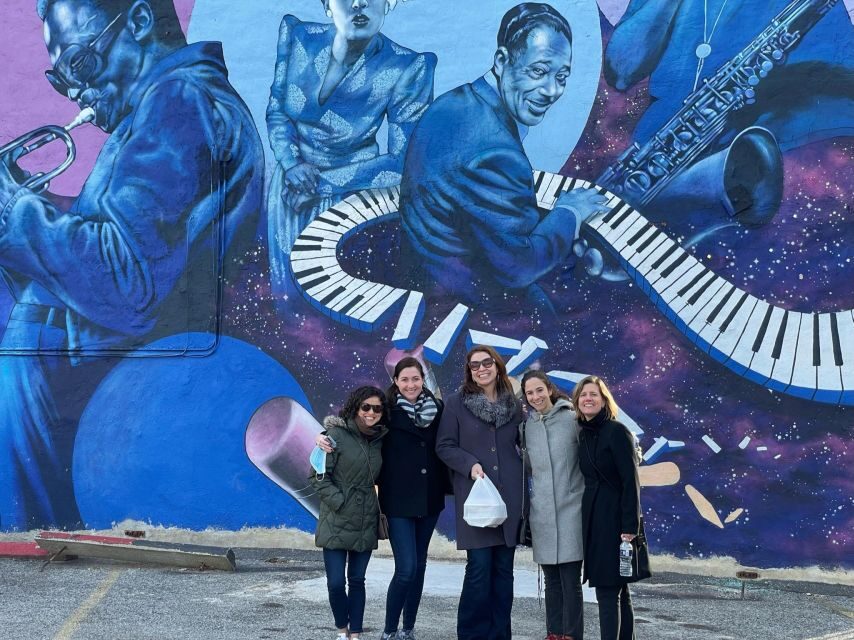
Most first-time DC trips feel like a parade of statues. This tour flips the script. U Street has long been a home base for locals and a stage for big cultural moments—especially when people talk about Black Broadway and the Jazz Era.
What makes that history practical, not just trivia, is the way the tour ties past and present together. You’re not staring at a plaque. You’re standing in a living neighborhood while your guide connects the dots between the food scene, the art on the walls, and the building shapes you pass every few minutes.
You’ll also get the harder chapters, including how Civil Rights-era unrest reshaped the city and left changes that lasted. That matters, because it explains why neighborhoods can’t be frozen in time—even when people wish they could.
You can also read our reviews of more food & drink experiences in Washington Dc


Ben’s Chili Bowl sets the tone (and gets your bearings fast)
The walk starts at Ben’s Chili Bowl on U Street NW. It’s a classic DC anchor, and starting here works well because it grounds you immediately in neighborhood life—not tourist DC.
You’ll get your first round of tastings right out of the gate, then your guide shifts into storytelling mode. This is where you begin to understand the corridor as more than a row of restaurants. It’s also a walkway through decades: cultural crossroads, business hubs, and a place where people built community.
If you’re the type who needs orientation, this start helps. You learn what to look for as you move: art placements, architectural details, and the way the neighborhood’s vibe changes block by block.
Lunch-size tastings: how the route feeds you without slowing you down
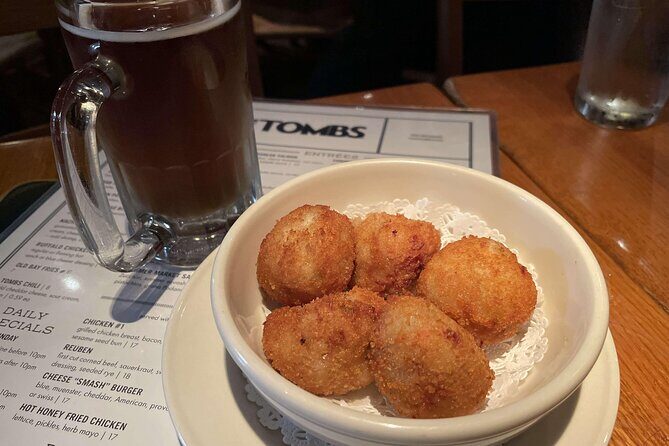
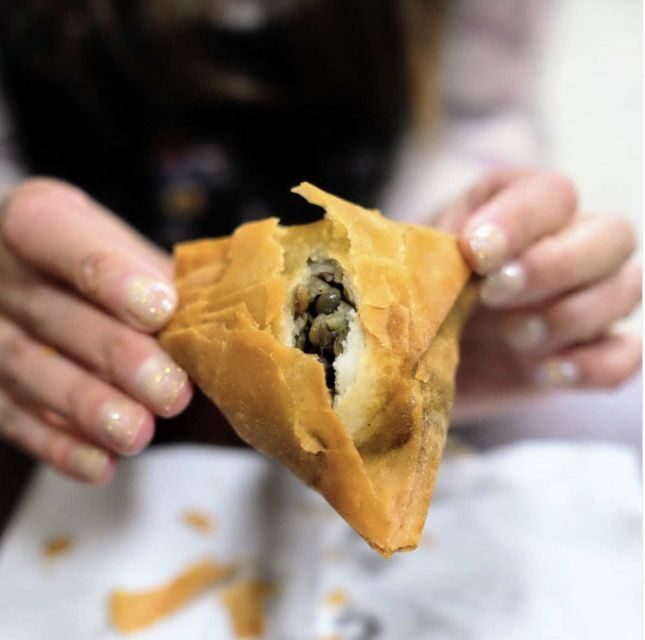
Food is the main event here, and it’s not presented as random “snack hopping.” The goal is tastings that add up to a lunch you’ll actually feel.
Expect a mix of regional flavors from local spots along U Street. The exact lineup can vary by tour run, but the format stays consistent: you’ll stop for tastings, then walk, then stop again. Water is included, which is a small detail that makes a real difference on a 3-hour stroll.
Dietary needs: you can plan, and you should speak up early
When booking, you should advise of dietary requirements. Vegetarian options are available, and accommodations can be made for food allergies or other needs. That’s the kind of note worth taking seriously—if you wait until the day of, you risk last-minute compromises.
If you’re vegetarian, plan to eat. This tour is designed so the food doesn’t feel like an afterthought. If you have allergies, bring a clear list of what to avoid and confirm the substitutions with your guide when you arrive.
U Street’s murals and sculptures: the stories behind the walls
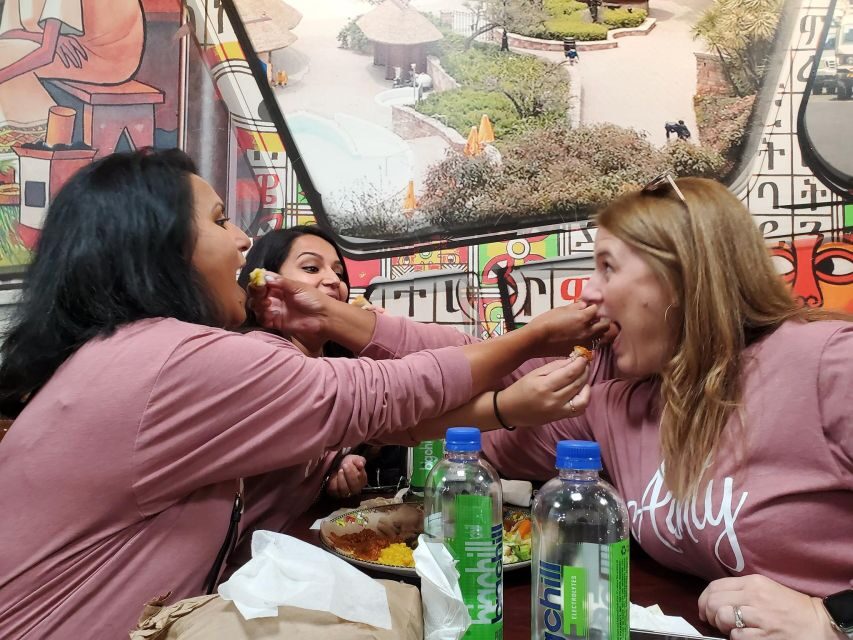
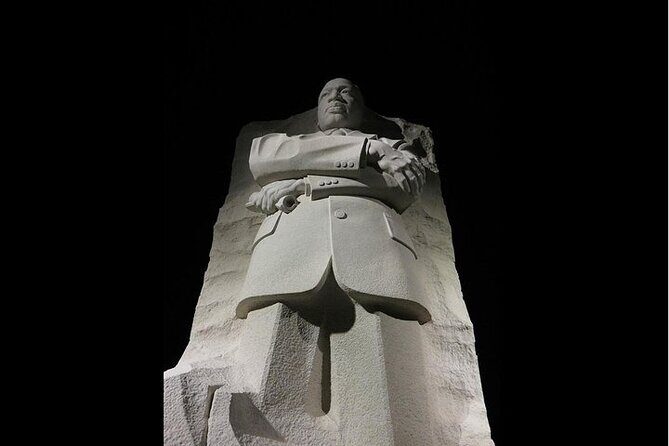
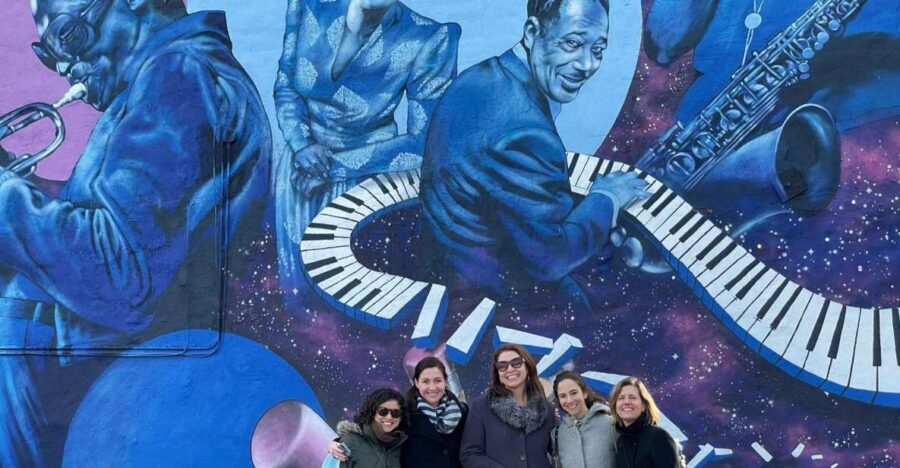
One of my favorite parts of this kind of tour is when street art is treated like history, not decoration. Here, it’s both. You’ll pause for guided looks at murals, sculptures, and other public artwork tied to the neighborhood’s identity.
Your guide explains the stories behind tucked-away pieces—what the art is saying, and who created it. That turns background visuals into something you can remember. Instead of snapping quick photos, you start noticing composition, placement, and symbolism.
You’ll also get a feel for how art maps community memory. It’s one thing to read about an era. It’s another to stand in the present and see how the city still talks to itself through paint and metal.
You can also read our reviews of more tours and experiences in Washington Dc





Guided photo stops: learning to see, not just shooting pics
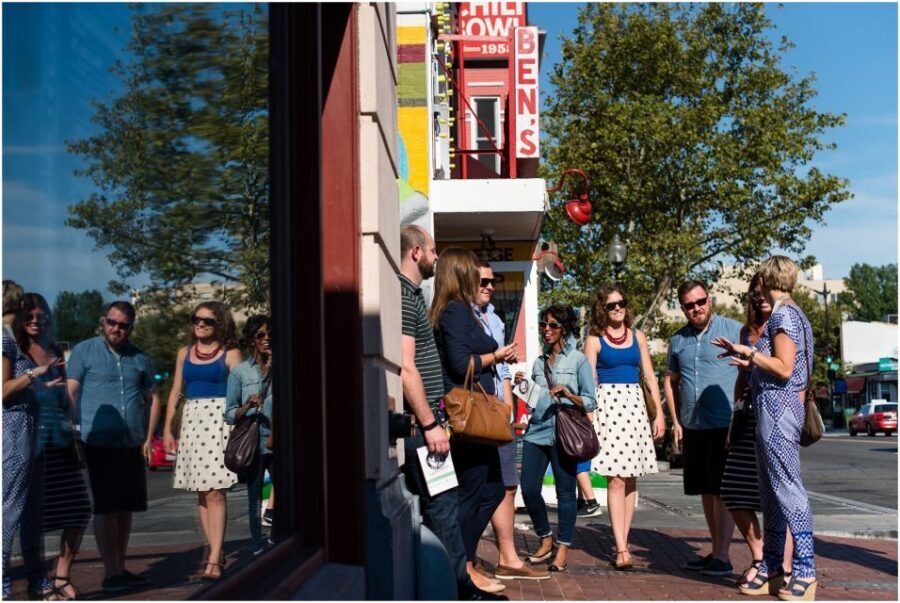
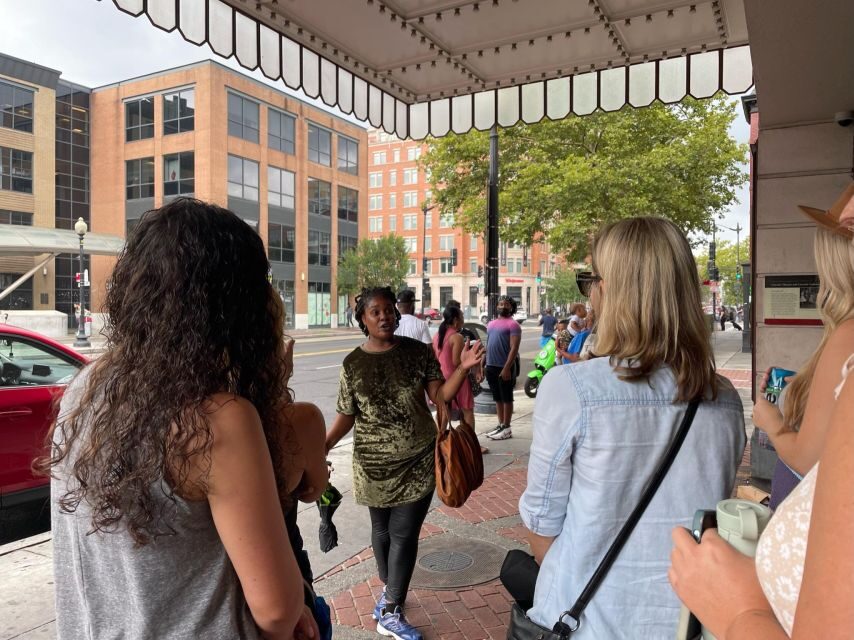
You’ll have photo stops along the way, and they’re more than “stand here, smile.” Your guide uses these pauses to point out architectural or artistic details that most people miss while walking.
That’s a great skill to take home. After you do this kind of tour, you’ll start noticing rooflines, facade styles, and storefront patterns automatically when you travel elsewhere. It’s the difference between sightseeing and actually clocking a neighborhood.
Also, with a small group, the photo breaks feel manageable. You’re not constantly weaving around big tour crowds, so you can take your time.
Architecture on U Street: the neighborhood’s story in buildings
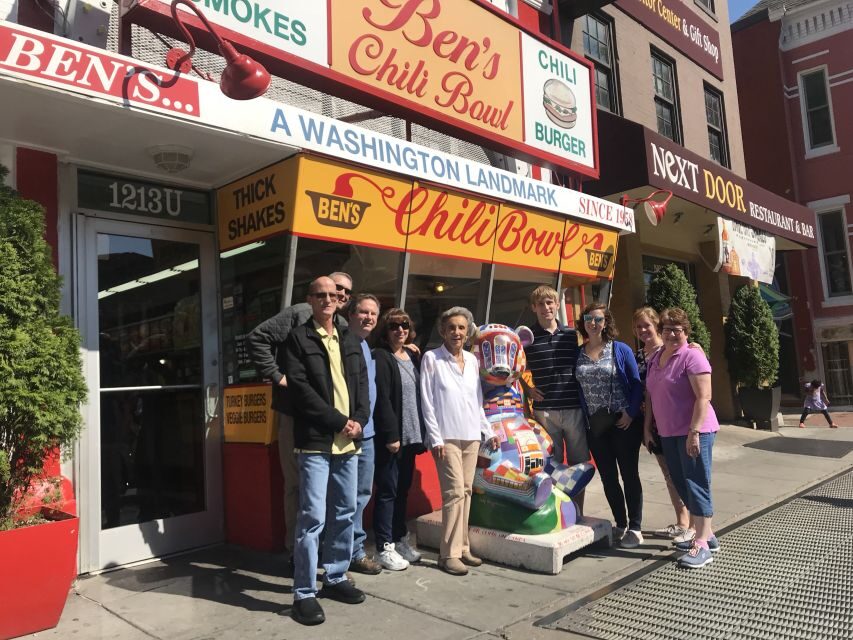
U Street has changed over time, and the buildings show it. The tour calls attention to architecture and how the area evolved—so you’re not just hearing about history, you’re watching it happen in brick and stone.
Your guide will connect what you see to broader changes, including the aftermath of major social upheaval and how that shaped the neighborhood for years. That kind of framing makes architectural details feel less random. A facade becomes a clue. A block becomes a timeline.
If you like walking tours but hate the “and then we turned left” style, this is a version that keeps the explanations tied to what you’re seeing right in front of you.
Meet your guide: Rasheed or Jim, and why their style matters
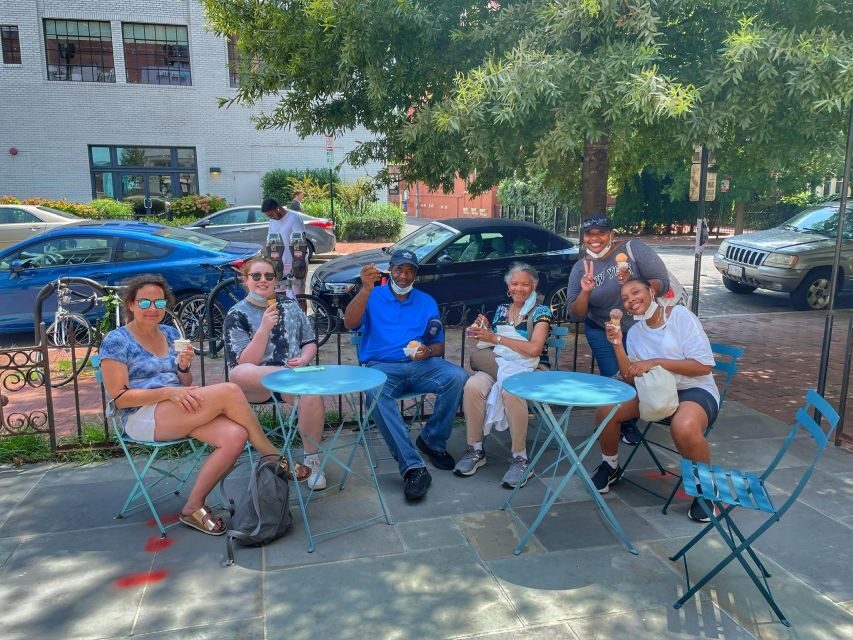
A walking tour lives or dies on the person leading it. In the best runs, the guide makes history feel like conversation—clear, organized, and friendly, with enough personality that you don’t drift.
Two guide names you may encounter are Rasheed and Jim. Both come up for the same reason: they make the walk enjoyable while still delivering real substance. Rasheed is praised for being personable and easy to follow, and Jim is remembered for a friendly, upbeat vibe that kept the food and stories moving in a way that felt fun, not rushed.
Even if your guide is someone else, aim for this style. The best guides don’t just list facts. They help you connect the food, art, and architecture into one story you can actually carry around.
Price and value: what $112 buys you
At $112 per person for about 3 hours, you’re paying for more than a guide and a route. You’re paying for all tastings, water, and the structure that turns scattered stops into a meaningful loop through one of DC’s most influential neighborhoods.
Here’s why that can be good value:
- Tastings reduce the mental load of figuring out where to eat.
- A small group (limited to 8) often means better flow and more interaction.
- You get context for the neighborhood’s past, not just a list of restaurant names.
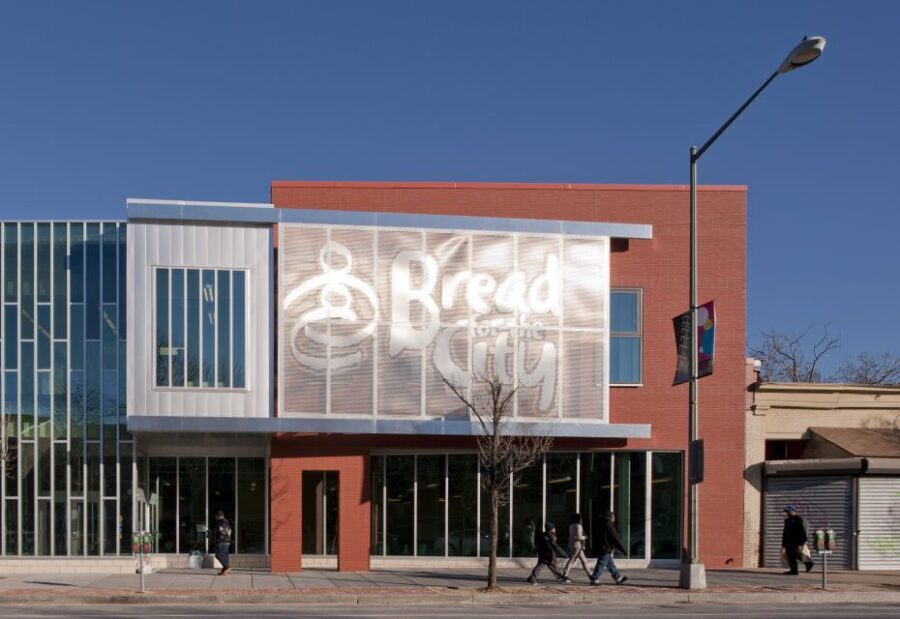
There’s also a built-in social good piece. A portion of each ticket sale is donated to Bread for the City, which provides services including food, clothing, and legal and medical support for DC locals. It’s not a replacement for doing your own part in the city, but it does make your ticket feel more grounded in real community needs.
Who this tour is perfect for (and who should think twice)
This is a strong match if you want:
- A food-and-history format that still feels like walking through real places
- A focused look at U Street, including Black Broadway and its role in the Jazz Era
- Time for street art and architecture, not just restaurant stops
- A small-group pace with room for questions
It may not be your best fit if:
- You dislike walking or struggle with steady mobility. The tour takes about 3 miles and about 2 hours of walking time.
- Your schedule is tight and you can’t handle rain. It runs rain or shine.
- You need very specific dietary handling and want extra certainty. You can request accommodations, but you should communicate needs clearly when booking.
Good news: wheelchair accessibility is listed, so the route is designed with that in mind. If you have mobility questions beyond that, it’s worth asking directly before you go.
Practical tips so you enjoy every bite
Bring comfortable walking shoes. The tour covers roughly 3 miles in about 2 hours, and your feet will notice if you pick the wrong pair.
Dress for the weather. This tour goes rain or shine, so plan layers and something for your hands or bag if it’s wet.
If you have dietary needs, don’t be shy about it. Mention vegetarian status or allergy details at booking. Then, once you’re on the walk, double-check with your guide so you know what to expect at each tasting stop.
Also, come hungry. These tastings are meant to add up to lunch, but you’ll get a better experience if you’re not starting out full from a heavy meal.
Should you book this DC food and history tour?
If you’re craving a DC experience that feels like a neighborhood, not a checklist, I think this is an easy yes. The combination is the selling point: you get tastings that feel like lunch, plus guided stops for street art, architecture, and the stories behind Black Broadway and later Civil Rights-era changes.
Book it if you want to walk with a small group, ask questions, and leave with more than photos—you’ll have better context for how U Street became part of the city’s cultural backbone.
Skip it only if walking time or weather will be a problem for you, or if you need a highly specialized food plan that you’re not comfortable confirming in advance. Otherwise, this is the kind of tour that makes one neighborhood feel like a whole chapter of DC.
FAQ
Where does the tour start and where does it end?
It starts at Ben’s Chili Bowl, 1213 U Street NW, Washington DC, 20009. The activity ends at the finish location listed as Colada Shop, and it is also listed to end back at the meeting point.
How long is the tour?
The tour lasts about 3 hours.
How much does the tour cost?
The price is $112 per person.
Is the tour a walking tour, and how much walking is involved?
Yes. It covers about 3 miles in roughly 2 hours of walking time.
What food is included?
You’ll receive all tastings and water during the tour.
Can the tour accommodate dietary restrictions?
Yes. Please advise dietary requirements when booking. Vegetarian options are available, and accommodations can be made for food allergies or other requirements.
What if the weather is bad?
The tour runs rain or shine, so you should dress appropriately for the weather.
How big are the groups?
It’s a small group limited to 8 participants.
Is the tour wheelchair accessible?
Yes, it is listed as wheelchair accessible.
Can I get a refund if I need to cancel?
Free cancellation is available up to 24 hours in advance for a full refund.
Is the tour in English?
Yes, the live tour guide is English.