REVIEW · TOUR REVIEWS
Off the Beaten Path: 16th Street and Adams Morgan Neighborhood Tour
Book on Viator →Operated by DC Design Tours · Bookable on Viator
Skip the obvious DC route. This 2-hour walk shows Washington’s other side through Meridian Hill Park and the streets of Adams Morgan. I love how the guide makes small details feel important, like little memorials and the park’s back-path layout that people usually miss.
I also like the neighborhood focus: Columbia Heights and Adams Morgan get treated as living, evolving places, not just dots on a map. You’ll get history and design in the same breath, with facades and past uses turned into a simple story you can remember.
One thing to consider: it’s a walking tour with a moderate fitness level, so wear comfy shoes and be ready for weather (DC can swing fast).
In This Review
- Key highlights I’d plan around
- Meridian Hill Park and Mary Henderson’s Diplomatic Vision
- Columbia Heights on Foot: Architecture, Facades, and Changing Purpose
- Adams Morgan Streets: Diversity, Politics, and Real Neighborhood Vibe
- Why the Pace Works: 2 Hours, Moderate Fitness, and Getting Your Bearings Fast
- What the $48 Price Buys You (and Why It Can Be Good Value)
- Guides Who Tell Stories: Kim, Carolyn, and the Human Thread
- Who Should Book This Tour (and Who Might Want Something Different)
- Should You Book Off the Beaten Path: 16th Street and Adams Morgan?
- FAQ
- How much does the tour cost?
- How long is the tour?
- Where do I meet the guide, and where does the tour end?
- Is the tour in English?
- Is this tour wheelchair-friendly or how much walking is involved?
- What is the cancellation policy?
Key highlights I’d plan around

- Meridian Hill Park opens the story with little-known memorials and the vision of Mary Henderson
- Small groups cap at 20 so you actually get questions answered
- Architecture gets real context through changing building uses and facade details
- Adams Morgan’s character comes through via diversity and political leanings on the streets
- It ends in the middle of Adams Morgan near 18th St and Kalorama St NW
- Guides like Kim and Carolyn are praised for turning facts into an engaging neighborhood timeline
Meridian Hill Park and Mary Henderson’s Diplomatic Vision
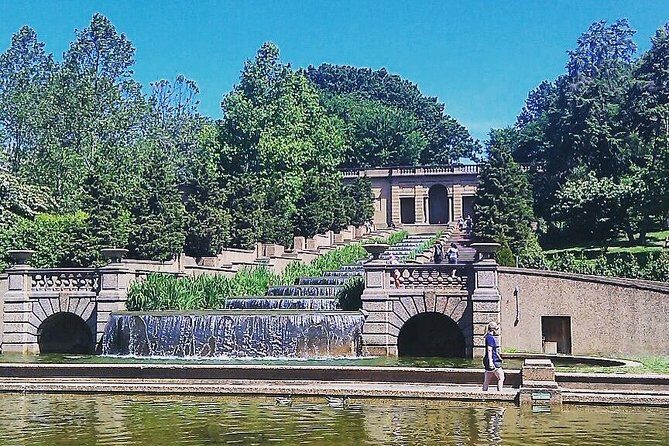
Most DC tours start with the big monuments and call it a day. This one starts where you can breathe for a minute: Meridian Hill Park, a well-known name that still feels like a surprise when you arrive ready for statues and then find winding paths, tucked-away corners, and small memorial details.
The first stretch matters because it gives you a lens for the rest of the walk. Instead of treating the area like a random cluster of streets, the guide frames it as the product of people with big ideas. A standout detail here is the role of Mary Henderson, described as the woman behind a visionary plan for a kind of diplomatic paradise in the heights of Washington. That theme becomes a thread you can follow as you look at what’s around you.
You’ll also spend time moving through the park on foot. That helps more than you’d think. Parks are easy to rush past, but walking “through” the space makes it easier to notice how the paths guide your attention. The tour format encourages you to look down at edges, up at building lines nearby, and around for memorials you’d never hunt on your own.
What you should watch for: the park isn’t just pretty landscaping. The guide points out little-known memorials and explains why the setting was imagined the way it was. That’s what turns it from a quick photo stop into the opening chapter of the day.
You can also read our reviews of more tours and experiences in Washington DC.



Columbia Heights on Foot: Architecture, Facades, and Changing Purpose
After the park, the tour pushes you back onto the streets of the wider neighborhood area (Columbia Heights and the surrounding blocks). This is where the walking approach pays off. In a car or on a bus, you miss the slow information that shows up at street level: doorways, balcony shapes, the rhythm of windows, and the way buildings age.
One of the most praised parts of this tour is how the guide talks about architecture without drowning you in terms. You get practical detail, like how the guide reads building facades as evidence—what they were built to do, what they later became, and what that says about the neighborhood’s shifts.
A specific example from the guide’s storytelling: the tour includes discussion of how some facades and buildings served multiple purposes over the years. That theme keeps you from thinking of architecture as frozen. Instead, you start to see buildings as chapters that got edited—adapted, repurposed, and reused as DC grew and changed.
I also appreciate that the guide ties local neighborhood clues to the bigger DC story. In one of the reviews, someone noted the guide covered why DC became the capital city in 1790 and how that helps explain the city’s development. Even if you already know the headline, hearing it connected to real streets makes it stick.
How to get the most out of this section: slow down at corners. When the guide points out a facade detail, pause long enough to actually compare it to the next block. The tour moves at a pace meant for listening, but it’s still on you to look up when the story lands.
Possible drawback here: if you mainly want headline history dates, you might find the architecture-first approach a little more “see and interpret” than “memorize facts.” But if you like learning by noticing, this part is worth it.
Adams Morgan Streets: Diversity, Politics, and Real Neighborhood Vibe

Then comes Adams Morgan, where DC’s personality shows up more clearly. The tour doesn’t treat Adams Morgan like a museum piece. It treats it like a place with texture—people, mixed identities, and political leanings that show up in the way neighborhoods shape themselves.
What I’d expect you to notice during this stretch is the equal dose of storytelling and street-level observation. Guides on this tour are praised for explaining neighborhood quirks with a narrative, not just a list. So you’re not stuck trying to translate a guidebook in your head while walking. Instead, the “why” gets explained as you go.
A theme that shows up repeatedly is Adams Morgan’s diversity and how the guide brings it to life. That can mean different things on different days—what businesses and gathering places signal, what the built environment suggests, and how the streets feel different block to block. The tour ending in central Adams Morgan supports that. You don’t finish at a random overlook. You finish near the intersection of 18th St and Kalorama St NW, right where the neighborhood energy is concentrated.
Also, there’s a practical perk: at the end of the tour, guides provide restaurant recommendations, and that part has been called out as spot on. Even if you’re not hungry during the walk, it’s helpful to have a shortlist ready for later.
How to set yourself up: decide in advance what kind of meal you want afterward—casual, sit-down, something ethnic, or just a good dessert spot. When the guide gives recommendations, you’ll be able to match them to your mood instead of picking randomly.
Why the Pace Works: 2 Hours, Moderate Fitness, and Getting Your Bearings Fast
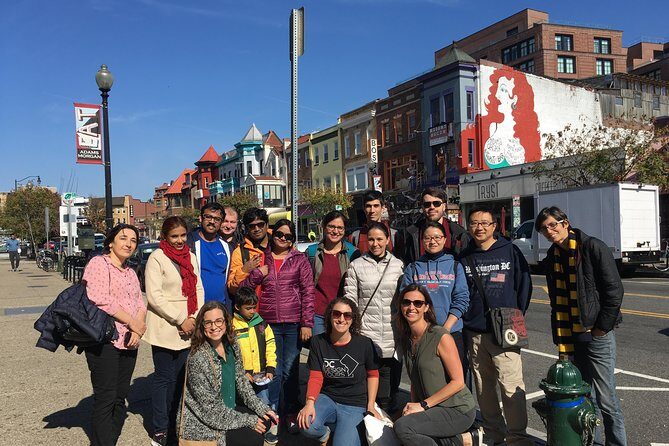
This experience is timed at about 2 hours, and the tour caps at 20 travelers. Those two facts combine into a pace that feels manageable: long enough to learn, short enough that you’re not stuck walking until your legs revolt.
The company lists a moderate physical fitness level. Translation: you should be comfortable walking for stretches in an urban environment. You don’t need to be an athlete, but you shouldn’t show up in brand-new shoes and hope for the best.
My practical advice for this kind of DC neighborhood walk:
- Wear comfortable shoes you can walk in for 90 minutes without constant pain.
- Bring a layer. DC weather loves to change its mind.
- If you’re photo-heavy, keep one eye on the guide’s cue so you don’t fall behind while hunting for the perfect angle.
Because it’s a small group, you also get a real benefit: you can ask questions without the guide turning into a megaphone. That’s a big part of why the tour ratings are so high—people often end the walk feeling like they actually connected dots instead of just hearing facts.
What the $48 Price Buys You (and Why It Can Be Good Value)

At $48 per person, you’re paying for more than a walking route. You’re buying interpretation—someone local enough (or experienced enough) to explain what you’re seeing and why it matters.
Here’s what you’re getting for that money based on the experience details:
- A local guide who tells the story as you walk
- A small group size (max 20), which usually means more interaction
- A short, efficient time window (about 2 hours) that fits into a normal vacation day
- A start in Meridian Hill Park and an end in central Adams Morgan, so you finish where you can keep exploring
Is it the cheapest thing in DC? No. But it doesn’t try to be a bargain-bin “free walking tour” either. If you’re the kind of traveler who enjoys neighborhood reading—architecture, planning, people—it often feels like a better value than spending the same time bouncing between stops alone while trying to figure out what you’re looking at.
The mobile ticket and English offering also help streamline the experience. You don’t have to fuss with extra steps once you meet up and get going.





Guides Who Tell Stories: Kim, Carolyn, and the Human Thread
One of the most consistently praised elements is the guide style. People specifically mention Kim and Carolyn as exceptional, personable, knowledgeable, and able to keep groups engaged for the full two hours.
From a traveler’s point of view, that matters. Neighborhood history is easy to turn into a dry lecture. This tour aims for something else: a human thread that connects park design, building facades, and neighborhood identity into one timeline you can follow while walking.
In the reviews, there’s also an appreciation for how the guide weaves facts together so they feel less like isolated trivia. That’s what makes a guided neighborhood tour different from reading a few signs and calling it done. You leave with a mental map, not just images.
You’ll notice this most during the architecture and history sections, where the guide points out details and then explains their meaning. It turns your eyes on, then gives you a reason why.
Who Should Book This Tour (and Who Might Want Something Different)
This is a great fit if you want:
- A neighborhood-focused DC experience, not just the downtown monument circuit
- Architecture and street-level history that you can see and understand while walking
- A guide-led story from Meridian Hill Park into Adams Morgan, with time to ask questions
- Something enjoyable for both visitors and locals, since the tour has been praised by longtime DC residents
It may not be your best match if:
- You prefer car-free museums where you sit and listen more than you walk
- You’re not interested in architecture details or neighborhood planning history
- You want a long, multi-stop list of named landmarks every ten minutes (this is more about interpretation across a neighborhood stretch)
Should You Book Off the Beaten Path: 16th Street and Adams Morgan?
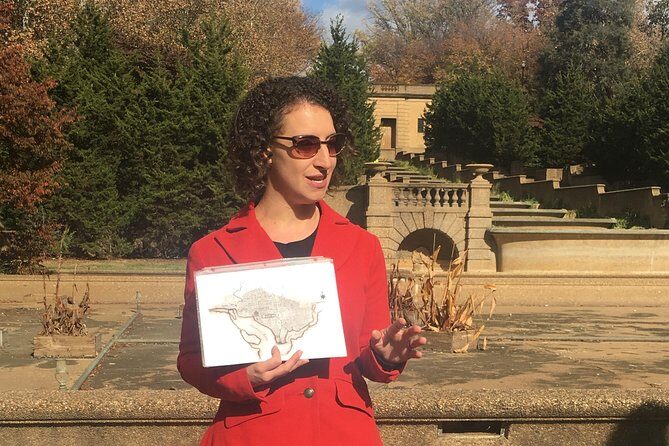
I’d book it if you like DC with less polish and more personality. The big win is the combination: Meridian Hill Park’s vision (Mary Henderson) plus street-level architecture and neighborhood identity in Columbia Heights and Adams Morgan. It’s also a reasonable length, and the small group cap keeps the experience from feeling like a conveyor belt.
If you’re torn, ask yourself one question: do you want to understand what you’re looking at while you’re walking? If yes, this tour is built for you.
FAQ
How much does the tour cost?
It costs $48.00 per person.
How long is the tour?
The tour lasts about 2 hours.
Where do I meet the guide, and where does the tour end?
You meet at 1600 Florida Ave NW, Washington, DC 20009, USA. The tour ends in Adams Morgan near the intersection of 18th St and Kalorama St NW.
Is the tour in English?
Yes, the tour is offered in English.
Is this tour wheelchair-friendly or how much walking is involved?
The information provided says it requires travelers with a moderate physical fitness level, and it is a walking tour style experience. Comfortable walking shoes are a smart idea.
What is the cancellation policy?
You can cancel for a full refund up to 24 hours in advance of the experience start time. Free cancellation is available, and changes within 24 hours are not accepted.