REVIEW · MUSEUMS
DC National Gallery of Art Guided Tour Semi-Private 8ppl Max
Book on Viator →Operated by Babylon Tours DC · Bookable on Viator
A museum with a good guide beats wandering every time. This semi-private National Gallery of Art tour keeps the group tiny and the route focused, so you see key works and learn the stories behind them without losing your afternoon.
I love the eight-person maximum, which makes it easy to ask questions and actually hear the explanations. I also like the way guides such as Leigh, Amanda, and Paul bring paintings to life, linking technique, art history, and the bigger museum story in a tight, followable route.
One possible drawback: at this length and pace, you may feel like you are moving fast, and some people report there was no scheduled restroom break. If you like to linger for a long time on just one artist, you’ll want to plan extra time on your own after the tour.
In This Review
- Key Things to Know Before You Go
- Why This 8-Guest Setup Changes the National Gallery Visit
- The 2.5-Hour Route: What You’ll Actually Get to See
- Renaissance to Renaissance-Adjacent: The Stops That Set the Tone
- Leonardo da Vinci’s Ginevra de’Benci
- Raphael’s Alba Madonna
- Titian’s Venus with a Mirror
- French Impressionism and the Art of Seeing Light
- Claude Monet’s Woman with a Parasol
- Edgar Degas and the Little Dancer
- Van Gogh and the Personal Edge of Modern Art
- Vincent van Gogh’s Self Portrait
- American Highlights: Gilbert Stuart’s George Washington
- Gilbert Stuart’s Portrait of George Washington
- Where Modern Art Fits Without Overwhelming You
- The Guide Factor: What Makes This Tour Feel Like Value
- What to Watch for: Pace, Breaks, and Practical Museum Reality
- Morning vs. Afternoon Start: Picking the Best Time for Your Day
- Getting There and Getting Set: Small Details That Save You Stress
- How Much Is It Really Worth at $89.67?
- Should You Book This Tour?
- FAQ
- How long is the National Gallery of Art guided tour?
- What is the maximum group size?
- What time options are available?
- Is the tour offered in English?
- Does the price include museum admission?
- Do I need hotel pickup or drop-off?
- Are tips included in the price?
- Is wheelchair access available?
- Do I need to bring a mobile phone number?
- Can I cancel for a full refund?
Key Things to Know Before You Go
- Up to 8 guests means a calmer, more personal museum experience than typical larger group tours
- 2.5 hours is built for highlights plus context, from Renaissance through French Impressionism and modern art
- Mobile ticket and a clear meeting point at Constitution Ave make it fairly straightforward to start
- A guide-led route helps you see famous works in context instead of chasing them one by one
- Some rooms are quiet or speech-restricted, so your guide explains key details before entering
Why This 8-Guest Setup Changes the National Gallery Visit
The National Gallery of Art is big enough to swallow a day. That’s exactly why this tour format works so well: you trade museum overwhelm for a planned path and a human guide who knows where to stop.
With a maximum of eight people, the experience usually feels like a small class rather than a cattle line. You can catch your guide’s timing, hear the explanations clearly, and stay oriented as you move from room to room. In a museum this size, that alone is a big value.
I also like that the tour is designed for people who want depth without needing to research beforehand. Your guide connects the dots: how paintings were made, what was going on when they were created, and why these works matter. Reviews praise guides for being expressive and funny while still staying focused, and names like Leigh, Rebecca, and Donna show up often in that “makes the art click” theme.
You can also read our reviews of more guided tours in Washington DC



The 2.5-Hour Route: What You’ll Actually Get to See
This is an about 2 hours 30 minutes guided visit. That time window matters. It’s long enough to cover several major artists, but short enough that you won’t feel trapped in a full-day museum marathon.
The tour centers on a “see it in context” route. Instead of treating each painting like a postcard, you’ll follow a sequence that connects eras and styles. The tour description points you toward Renaissance artists, French Impressionists, and great American painters, plus notable modern names later on. In practice, that means you’ll likely move across the museum with your guide acting like a map reader—helping you understand what you’re looking at right now, then tying it to what you’ll see next.
You’ll also hear the museum story. The National Gallery’s building and collection grew rapidly over roughly a century, moving from a nearly empty structure to the kind of place you come to for world-class art. Even if you’ve been to Washington, DC before, that museum backstory gives you a new lens for what you’re standing in.
Renaissance to Renaissance-Adjacent: The Stops That Set the Tone

One of the smartest parts of this tour is that it gives you early context. Renaissance and related works are loaded with technique and symbolism. If you walk in alone, you might see the image but miss the “how” and “why.”
Here are highlights that the tour is built around, with what they add to your understanding:
Leonardo da Vinci’s Ginevra de’Benci
This is the kind of painting that benefits from slow looking, but the tour keeps you moving while still pointing out what to notice. Your guide frames it within Renaissance priorities: subject, expression, and how subtle visual choices guide your eye. If you want to come away knowing what you looked at besides a name on the label, this is one of the works that helps.
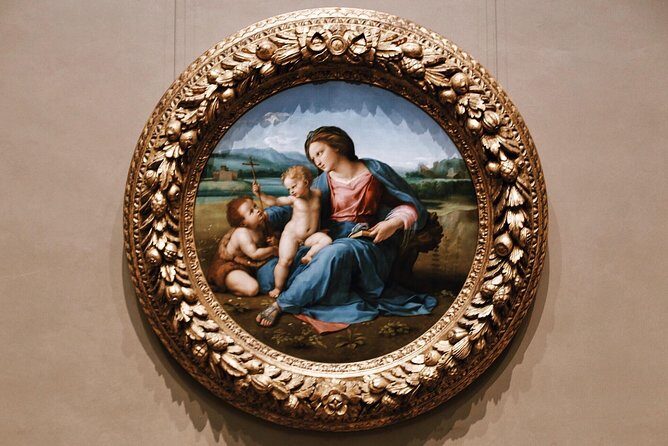
Raphael’s Alba Madonna
Raphael often feels calm and controlled. A guided explanation helps you see that calm as a crafted effect, not just a style. You’ll get context that helps you understand why this work is so beloved.
You can also read our reviews of more private tours in Washington DC






Titian’s Venus with a Mirror
This is an art-history favorite for a reason: the subject is visually accessible, but the meaning and the painting decisions are more layered than you’d guess at a glance. A guide can help you read posture, lighting, and the figure’s relationship to the mirror, so you leave with something you can actually explain later.
French Impressionism and the Art of Seeing Light
The tour does a strong job with Impressionism, where the “wow” is partly about technique. When you know what the painters were trying to do—how they built color, light, and movement—you notice more on your own next time.
Claude Monet’s Woman with a Parasol
Monet is a great choice for guided tours because he makes the experience feel immediate. Your guide can help you see how the painting captures light and atmosphere, not just a scene. It’s romantic, familiar, and still deep when someone points out what’s going on.
Edgar Degas and the Little Dancer
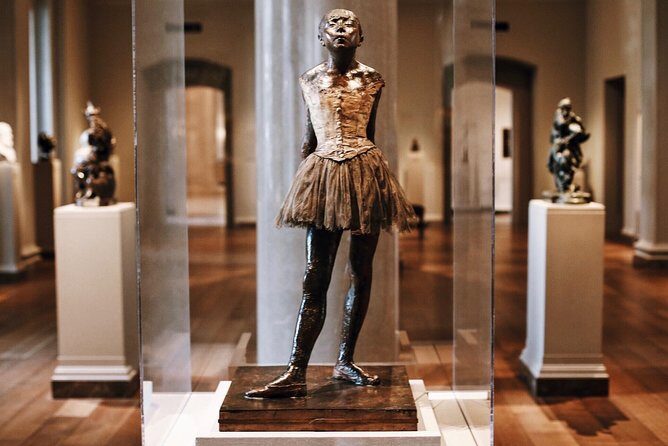
Degas is a favorite for people who think sculpture is only “standing there.” Your tour includes the beloved Little Dancer, and the guide helps you understand why the piece is so memorable—down to how it sits in the larger story of Degas as an artist.
Van Gogh and the Personal Edge of Modern Art
Van Gogh can be emotional even if you do not know much art history. The guided benefit is that you get a clearer sense of what the artist was doing visually and psychologically.
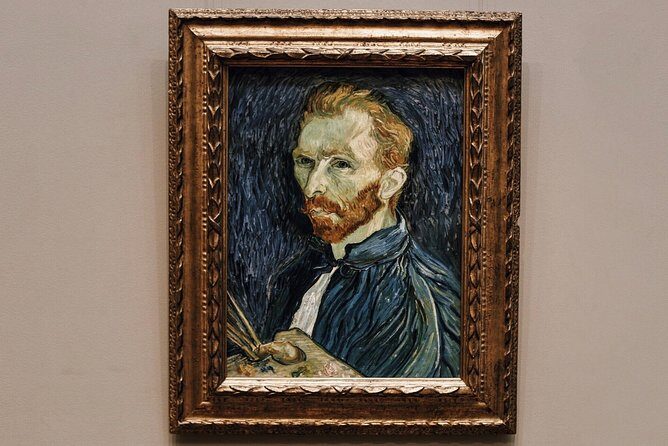
Vincent van Gogh’s Self Portrait
On a self-portrait, small choices matter. A guide can help you focus on expression, brushwork, and the reasons self-portraits matter in an artist’s career. You’re not just staring at a face; you’re learning how art becomes self-communication.
American Highlights: Gilbert Stuart’s George Washington
American art has its own rhythm, and this tour makes space for it instead of treating it as an afterthought.
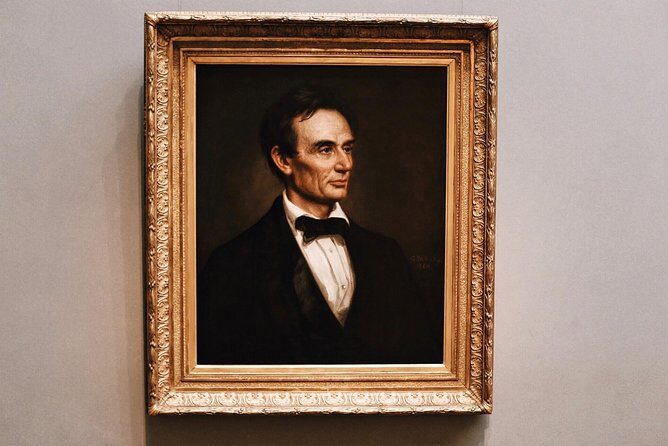
Gilbert Stuart’s Portrait of George Washington
Your guide uses this as a chance to connect portraiture with storytelling. Instead of viewing the portrait as a historical icon only, you’ll learn what portrait painting is doing as an art form.
Where Modern Art Fits Without Overwhelming You
One reason people love this tour is that it doesn’t stop at the classics. It loops you into modern and contemporary names in a way that feels structured, not random.
The tour description names modern artists you can expect in the mix, including:
- Picasso
- Pollock
- Warhol
- O’Keefe
Even if modern art usually feels like a puzzle to you, a guide can help you make a first-pass connection between technique and intent. You’ll also hear about techniques and sometimes even controversies or “scandals” related to how the art landed when it appeared. That sort of context turns museum labels into actual story.
The Guide Factor: What Makes This Tour Feel Like Value
Plenty of tours can say “professional guide.” This one leans into what you actually need in a museum: a guide who knows how to explain.
In the reviews, guides repeatedly get praised for mixing humor with clear storytelling, and for being able to pitch the talk to different ages and interests. One family described a guide adjusting the presentation so a teen stayed engaged. That’s a real skill, because museum tours often fail when they aim at one audience only.
You’ll also notice that people keep calling out how much detail they got in a short window. That lines up with the tour’s design: a focused route that stops at big-name works and adds the “what to notice” layer. When you leave with a framework for looking, you can enjoy the remaining museum time without feeling lost.
What to Watch for: Pace, Breaks, and Practical Museum Reality
This tour is short, so it has a “see a lot” feel. That’s great for first-timers and for anyone who wants major works in one go. But if you are the type who likes to sit and study, you may crave more time per stop.
Here’s what I’d plan around:
- No scheduled long breaks. Some reviewers specifically note there wasn’t a restroom break. If you need one, plan to handle it before the tour starts.
- Security and quiet-room rules. Expect lines at times based on DC museum security. Also, some rooms are restricted for speaking, and your guide will explain what you need before you enter.
- Bag limits. The museum allows only handbags or small thin bag packs through security. If you show up with a big bag or suitcase, you’ll have hassle.
None of this is unusual for major museums, but it matters more on a guided tour because you don’t want to lose time after you’ve started.
Morning vs. Afternoon Start: Picking the Best Time for Your Day
You can choose between morning or afternoon start times. I like morning when you want less crowd pressure and a fresher energy level for looking closely. Afternoon can work just as well if you plan your day to keep the museum time uninterrupted.
Either way, build in a little buffer for DC logistics. The tour meeting point is at the National Gallery of Art on Constitution Ave NW, and it is near public transportation, so using transit can keep your start calm.
Getting There and Getting Set: Small Details That Save You Stress
This tour ends back at the meeting point, so it’s easy to stitch into the rest of your DC plan. Hotel pickup and drop-off are not included, so you’ll want a simple transport plan—Uber, taxi, or public transit.
Also, you will be asked for a mobile phone number (with country code). That’s often used for last-minute coordination. If you forget it, you risk delays during confirmation.
And remember the fitness note. The tour is described for people with moderate physical fitness, and it isn’t available for those using a wheelchair or with walking disabilities. If that’s you, you’ll want to choose a different approach or talk to the provider about alternatives before booking.
How Much Is It Really Worth at $89.67?
At $89.67 per person, this is not a “cheap and cheerful” museum add-on. The value comes from three things working together:
- You pay for time and focus. 2.5 hours is often the difference between seeing the museum’s highlights and seeing only the sections you happen to bump into.
- You pay for a route you don’t have to build. The National Gallery’s scale makes self-planning harder than it looks. A guide gives you a path plus context.
- You pay for explanation, not just entry. The tour is built around technique, history, and stories around major works, including big names across multiple eras.
If you’re the type who loves art but hates museum guessing games, this price starts to make sense. If you’re on a tight budget, or if you want lots of free-form time to wander slowly, you may feel it’s steep—some people clearly thought the same, especially in terms of pace and what they got for the cost.
Should You Book This Tour?
Yes, if you fit the sweet spot: you want major National Gallery works, you have limited time, and you want a guide who can connect the art to technique and story. The small group size is a real advantage, and the track record in the reviews suggests you’ll get an energetic, well-paced explanation that helps the museum click faster.
I’d skip or rethink it if you want long, quiet solo time on a few pieces, need a scheduled restroom stop, or you’re not able to participate at the described fitness level. Also, if you’re very price-sensitive, compare this to other options and be honest about whether you’re paying mainly for a curated highlight route.
In short: if you want your time in the National Gallery to feel organized, explained, and efficient, this tour is a solid bet. If you want to meander for hours, plan to do that on your own after the tour ends.
FAQ
How long is the National Gallery of Art guided tour?
It lasts about 2 hours 30 minutes.
What is the maximum group size?
This semi-private tour is capped at 8 guests maximum.
What time options are available?
You can choose between morning or afternoon start times.
Is the tour offered in English?
Yes, the tour is offered in English.
Does the price include museum admission?
The tour details indicate admission ticket is free alongside the guided experience.
Do I need hotel pickup or drop-off?
No. Hotel pickup and drop-off are not included. The recommendation is to use Uber or taxi.
Are tips included in the price?
No. Gratuities are not included and are optional.
Is wheelchair access available?
The tour is not available for those with walking disabilities or using a wheelchair.
Do I need to bring a mobile phone number?
Yes. You must provide a mobile phone number (including country code).
Can I cancel for a full refund?
You can cancel up to 24 hours in advance for a full refund. If you cancel less than 24 hours before the start time, the amount paid is not refunded.