REVIEW · WALKING TOURS
Harlem Renaissance in DC Walking Tour
Book on Viator →Operated by Off the Mall Tours · Bookable on Viator
Jazz roots, spelled out block by block. This Harlem Renaissance in DC tour connects African-American performers and writers to real places across Washington, with stops tied to jazz history, the Black Broadway era, and one classic food break at Ben’s Chili Bowl. You’ll move at a moderate pace and spend about two hours seeing how art, community, and performance shaped the city.
I love the site-specific storytelling—Howard Theatre’s early welcome for African American performers, plus U Street’s major performance stops, all explained as you stand where things happened. I also like the way the guide uses period costume and music, and the tour’s strong reputation for clear, passionate delivery (one guide named Katie is highlighted in feedback).
One possible drawback: Ben’s Chili Bowl is a set stop where refreshments aren’t included, so your total day spending will depend on what you order—and lines can eat into the 25-minute break if you’re hungry right away.
In This Review
- Key Things I’d Pay Attention To
- Harlem Renaissance in DC: Why This Walk Feels Personal
- A Tour Built for Walking: Time, Pace, and Group Size
- Price and Value: How $30 Works Here
- The 2-Hour Route: From Howard Theatre to Georgia Douglas Johnson’s House
- Stop 1: Howard Theatre (1910 and a Door Opening)
- Stop 2: Right Proper Brewing Company (Frank Holliday’s Pool Hall Connections)
- Stop 3: 1910 Vermont Ave NW (Lilian Evanti’s Home)
- Stop 4: Bohemian Caverns (U Street’s Black Broadway Beat)
- Stop 5: Lincoln Theatre (Major House of the Black Broadway Era)
- Stop 6: Ben’s Chili Bowl (Refreshments on Your Own)
- Stop 7: 1901 14th St NW (Club Bali and Billie Holiday)
- Stop 8: 1461 S St NW (Saturday Nighter’s Club, Poetry and Social Thought)
- End Point: Georgia Douglas Johnson’s House / The Halfway House
- What Makes the Guide Approach Work So Well
- Ben’s Chili Bowl Tips Without Making It Complicated
- Who Should Book This Harlem Renaissance Walk
- Practical Tips for a Smooth, Informative 2 Hours
- Should You Book This Harlem Renaissance in DC Tour?
- FAQ
- How long is the Harlem Renaissance in DC walking tour?
- What does the $30 price include?
- Are refreshments included at Ben’s Chili Bowl?
- Where does the tour start and end?
- Is the tour in English?
- How big is the group?
- What is the cancellation and weather policy?
Key Things I’d Pay Attention To
- Howard Theatre (1910): the early venue that made space for African American performers in DC
- U Street’s Black Broadway arc: Bohemian Caverns and Lincoln Theatre are quick stops that matter
- Music history in everyday streets: Duke Ellington and Frank Holliday’s pool hall link, right where you’ll stand
- Opera to classical excellence: Lilian Evanti’s former home spotlights Black classical music contributions
- End at Georgia Douglas Johnson’s House/Halfway House: a strong finish tied to poetry and social thought
Harlem Renaissance in DC: Why This Walk Feels Personal
If you’ve only heard Harlem Renaissance stories as a New York thing, this tour gives you a DC mirror. The Harlem story isn’t isolated to one city. The artists, ideas, and performance spaces traveled, and DC’s Black community helped shape what audiences experienced—night after night, rehearsal after rehearsal.
What makes this tour feel grounded is that it doesn’t stay in theory. You’re not just hearing names. You’re seeing the streets and landmark locations where those careers and community gatherings took place. That matters because culture sticks to places. Even a short stop—five minutes outside a former club site—can feel like a time portal once you connect it to what the venue actually did for people.
You’ll also get a nice pacing rhythm: a cluster of performance sites, a food break, then more poet-and-performer landmarks. It’s built for people who want history that’s active, not lecture-like.
You can also read our reviews of more walking tours in Washington DC


A Tour Built for Walking: Time, Pace, and Group Size
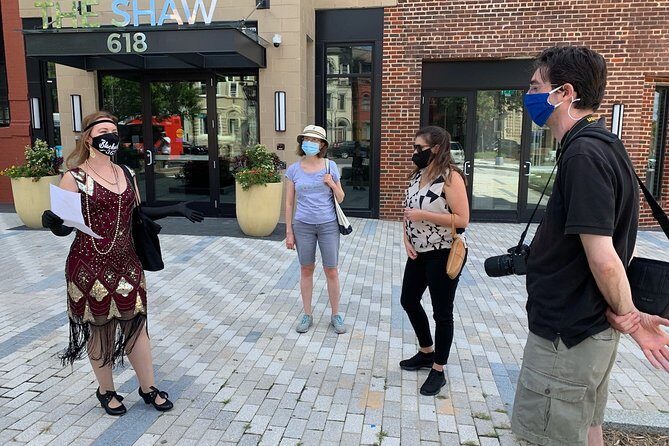
This is a 2-hour walking tour, with a maximum group size of 20 travelers. Smaller groups usually mean better chances to ask questions and get clearer answers when you’re standing right at the location. The tour is offered in English, uses a mobile ticket, and runs in good weather since it’s outdoors.
The physical level is listed as moderate. That’s your clue to pack what you’d pack for a typical city walk: comfortable shoes, water, and a light layer. You don’t need hiking gear. But you do need a willingness to keep moving for close to two hours.
One small scheduling detail you’ll appreciate: stops are short and stacked intentionally—think 3 to 10 minutes at many locations—so you’re not stuck lingering at places that feel slow. It’s a fast “see it, understand it, move on” format.
Price and Value: How $30 Works Here
At $30 per person for about two hours, the value comes from how much you’re paying for more than facts. You’re paying for a guide who can connect multiple eras and disciplines—jazz, opera, poetry, theater—without turning each stop into its own separate tour.
Also, the tour doesn’t ask you to keep paying for extra entrances along the way. The route is designed around historic performance venues and known locations, where access is straightforward. The one clear exception is food: refreshments at Ben’s Chili Bowl are on you.
In plain terms: if you want a guided route that strings together DC’s Black arts scene in one coherent walk, this price feels fair. If you’re only interested in one specific type of music and could read about the rest on a map, then you might decide to DIY. But if you want the connections explained while you’re there, the guided format is the money-maker.
The 2-Hour Route: From Howard Theatre to Georgia Douglas Johnson’s House
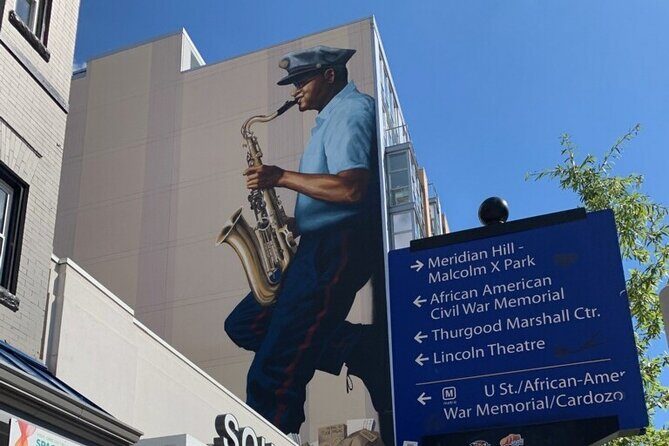
This is the part where the tour earns its keep. Each stop is brief, but each one points to a different piece of the story. Here’s how to think about the route as you go.
Stop 1: Howard Theatre (1910 and a Door Opening)
Howard Theatre is the first big anchor on the walk. It’s significant because it was established in 1910 as one of the early DC theaters to offer a stage for African American performers. That timing isn’t small—it’s part of why the venue could become a long-running center for DC music and arts.
When you stand at Howard Theatre, it helps to listen for the guide’s framing: this wasn’t just entertainment. It was a platform. Places like this changed what was possible for performers and what audiences could expect from mainstream stages.
One practical note: since this is the first stop, it’s a good moment to get your questions ready. Early on, people often remember more because the guide’s storyline is just getting set.






Stop 2: Right Proper Brewing Company (Frank Holliday’s Pool Hall Connections)
Next comes Right Proper Brewing Company, a site tied to Frank Holliday’s Pool Hall, where Duke Ellington first started dabbling in ragtime and jazz piano. That’s a fascinating detail because it connects “serious jazz legacy” to a more everyday kind of social space—pool halls weren’t separate from art; they were part of how talent developed.
This stop is short, but it’s worth leaning into the guide’s explanation of how music can start in ordinary rooms. If you’ve ever wondered how great musicians find their footing, this location gives you one answer.
Possible drawback: because the stop is only about five minutes, you won’t have time for a long discussion unless you ask immediately.
Stop 3: 1910 Vermont Ave NW (Lilian Evanti’s Home)
At 1910 Vermont Ave NW, the tour shifts from performance venues to personal artistic impact. You’ll hear about Lilian Evanti, an African American opera singer who earned acclaim abroad before returning to Washington, D.C., to make her mark on Black contributions to classical music.
This is a smart pivot. The Harlem Renaissance is often remembered through jazz and theater, but Black artistic excellence also lived in opera and classical performance. This stop is basically your reminder that the story is bigger than one genre.
If you’re the kind of person who likes connections across disciplines, you’ll probably enjoy this one the most.
Stop 4: Bohemian Caverns (U Street’s Black Broadway Beat)
Then comes Bohemian Caverns, described as a must visit during U Street’s period as DC’s Black Broadway. That phrase matters. It suggests more than a venue. It suggests an ecosystem—music, audiences, artists, and nightlife all fueling each other.
This is another quick stop, but it’s a key one. The tour is building a chain: theater welcomes performers, social spaces shape musicians, then major clubs become destinations. Bohemian Caverns sits right in the middle of that chain.
Stop 5: Lincoln Theatre (Major House of the Black Broadway Era)
After Bohemian Caverns, you’ll reach Lincoln Theatre, a major theater and show house during the Black Broadway era. If you’re trying to picture what an evening might have looked like during that period, this stop helps your brain make the movie.
Lincoln Theatre also reinforces a theme: U Street wasn’t just about music. It was theater, shows, and a full public stage where Black performers could take center position.
At this point in the walk, you’ll likely be starting to recognize the pattern. That’s a good sign—the tour is starting to feel like one story instead of separate facts.
Stop 6: Ben’s Chili Bowl (Refreshments on Your Own)
Now you get a real break: Ben’s Chili Bowl. This is a stop built for a reason beyond food—it’s iconic for three generations, a destination for Presidents and tourists, and a place that anchors the whole walk in something you can actually taste.
You’ll have about 25 minutes, and refreshments are not included, so plan for the cost of your order. If you want to keep the walk experience smooth, choose something quick and decide early what you’re getting.
This break is a sanity saver. Two hours can feel fast, but only if you stay comfortable and don’t run out of energy. The guide’s timing gives you a chance to reset.
Stop 7: 1901 14th St NW (Club Bali and Billie Holiday)
After Ben’s, you’ll move to 1901 14th St NW, the former site of Club Bali, a performance spot associated with Billie Holiday. This stop is short, but it carries weight because it links a legendary performer to a specific DC stage presence.
If you’re a music person, this is where you might find yourself quietly replaying songs in your head. The value here is that the tour gives the name and the place together, instead of leaving you with a distant celebrity story.
Stop 8: 1461 S St NW (Saturday Nighter’s Club, Poetry and Social Thought)
Next is 1461 S St NW, tied to the Saturday Nighter’s Club—where people gathered to discuss poetry, social justice, and Black culture. This is a different kind of arts location: not a nightclub stage, not an opera house, but a conversation space.
That matters. Art doesn’t only happen under stage lights. It also happens in rooms where ideas get argued, refined, and shared. This stop is an important reminder that community creation and political thought often traveled side by side.
End Point: Georgia Douglas Johnson’s House / The Halfway House
The tour ends at Georgia Douglas Johnson’s House, also referred to as the Halfway House. Even without a long stop here, finishing at a poetry-linked landmark makes the arc feel complete: performance, music practice, and public stages all connect back to the people shaping language, ideas, and cultural identity.
What Makes the Guide Approach Work So Well
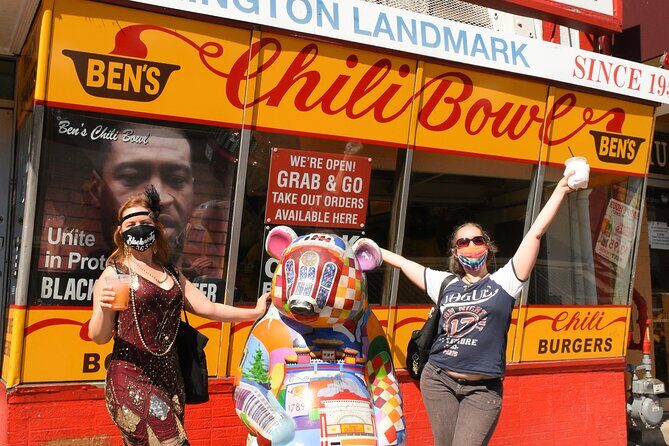
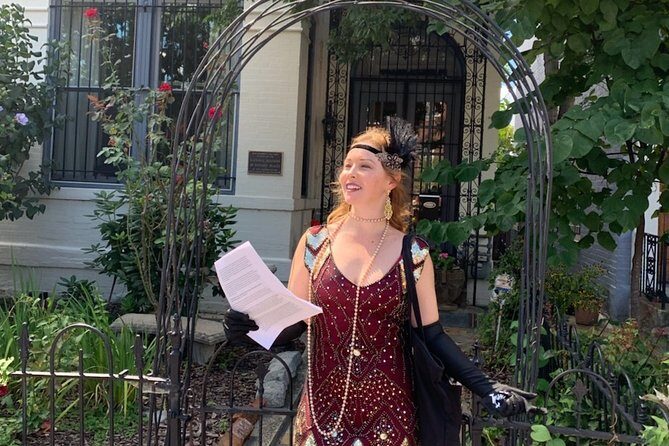
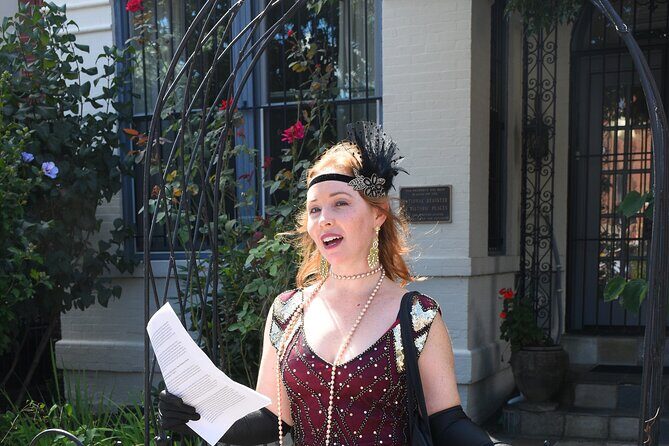
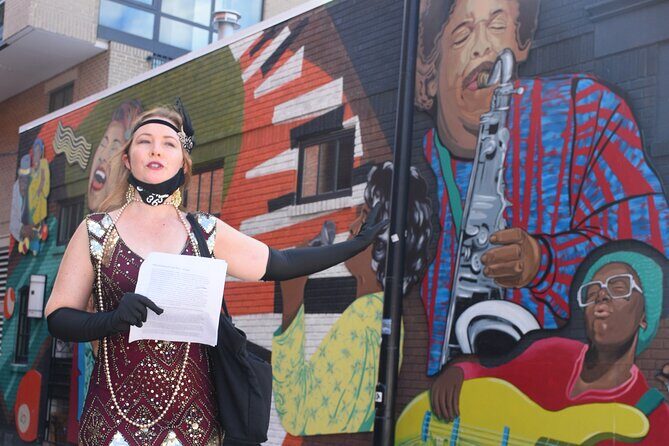
A walking tour lives or dies by the guide’s ability to make short moments matter. The strongest part of this experience is how the storytelling stays connected to the place. The tour feedback also praises the energy and communication style, including a guide named Katie. Another strong signal: the host approach can lean into period costume and music, which helps you feel the era’s mood rather than just memorizing dates.
Here’s how that translates into what you should do as a participant:
- Ask questions as you go, because the stops are quick.
- Pay attention to transitions. If the guide says the story changes genres next, it usually does—and those pivots are where the tour becomes interesting.
- Look at the street details. The locations are part of the point, even when you’re only standing there for a few minutes.
It’s the kind of tour where you’ll likely wish you could extend your time at one or two stops. That’s not a problem with the tour—it’s a sign it gave you enough hooks to want more.
Ben’s Chili Bowl Tips Without Making It Complicated
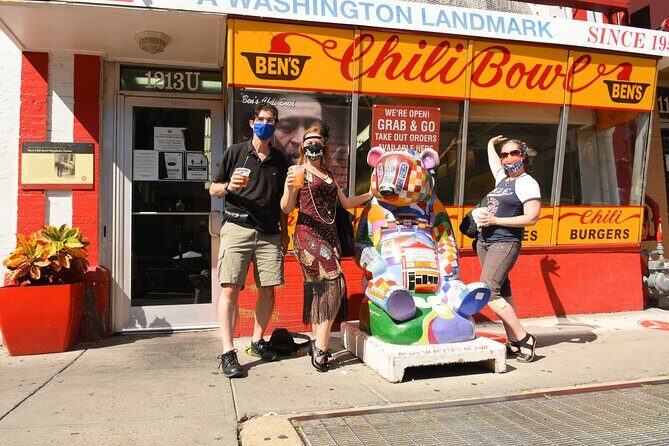
If you’re budgeting, remember: food and drink aren’t included. That’s normal for tours with a classic restaurant stop, but it’s still worth planning.
To keep the break useful:
- Decide before you order how much time you’re willing to spend waiting.
- Go for something that doesn’t require lots of back-and-forth questions. Quick lunch energy fits this format.
- If you hate eating in crowds, treat this as a stop where you grab, eat fast, and rejoin the group on schedule.
Also, since Ben’s is famous, expect it to be a magnet for visitors. The tour schedule is built around a fixed time, so you’ll have a better day if you’re ready to move when the guide calls it.
Who Should Book This Harlem Renaissance Walk
This tour is a strong fit if you:
- Want a guided route that connects jazz, theater, opera, and poetry in one walk
- Like standing in place-based history instead of only reading plaques
- Enjoy U Street as an area and want to understand it beyond nightlife
It might be less ideal if you:
- Can’t handle two hours of walking at a moderate pace
- Only care about one narrow genre and don’t want stops that shift across music and literature
The sweet spot is clear: it’s for people who want DC explained through art and community, in a way that feels grounded and not abstract.
Practical Tips for a Smooth, Informative 2 Hours
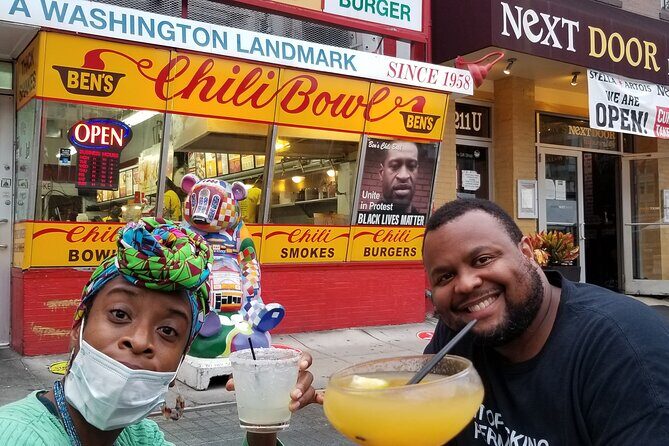
To get the most out of the tour, show up ready to participate. The route is structured around short stops, so the best strategy is to keep your attention on what the guide is connecting.
A few practical ideas:
- Wear shoes you can walk in comfortably for the full length of the route.
- Bring a phone with your mobile ticket ready to show.
- Have one or two questions you’re curious about, like how DC’s arts scene developed or how Harlem-linked ideas appeared in local venues.
- Use the Ben’s break to reset energy so you don’t rush through the last half.
If you go in expecting quick, meaningful stops instead of long museum-style time, you’ll match the pace and enjoy it more.
Should You Book This Harlem Renaissance in DC Tour?
If your goal is DC history that feels human—tied to performers, writers, and the stages where community gathered—this tour is a great choice. The 97% recommendation rate and 4.9 rating you’re seeing isn’t just about having fun. It’s about learning in a way that sticks: you get multiple performance venues, a jazz icon connection, a classical-music spotlight, and then a poetry/social justice finish.
I’d book it if you’re visiting DC for a short trip and want one efficient walking experience that maps art and community across key neighborhoods. I’d also book it if you like asking questions and want a guide who brings the era to life.
Skip it only if two hours of moderate walking sounds like a chore, or if Ben’s Chili Bowl timing and self-paid refreshments would be a hassle for your travel style.
If you want, tell me what month you’re going and your walking comfort level, and I can help you pick a plan for before or after this tour so the day flows nicely.
FAQ
How long is the Harlem Renaissance in DC walking tour?
The tour lasts about 2 hours.
What does the $30 price include?
It includes 2 hours of guided history with the tour guide.
Are refreshments included at Ben’s Chili Bowl?
No. Food and drink at Ben’s Chili Bowl are not included, and you’ll purchase them on your own during the stop.
Where does the tour start and end?
It starts at Howard Theatre, 620 T St NW, Washington, DC 20001. It ends at 1461 S St NW, Washington, DC 20009, at Georgia Douglas Johnson’s House or the Halfway House.
Is the tour in English?
Yes, the tour is offered in English.
How big is the group?
The tour has a maximum of 20 travelers.
What is the cancellation and weather policy?
You can cancel for free up to 24 hours in advance for a full refund. If it’s canceled due to poor weather, you’ll be offered a different date or a full refund.