REVIEW · TOUR REVIEWS
Washington DC: Bus Tour to the Highlights of the Capital
Book on GetYourGuide →Operated by USA GUIDED TOURS · Bookable on GetYourGuide
DC in four hours, but with real stops. This tour is interesting because you get live guide narration plus short walking time at the most emotionally loaded spots on the National Mall. I like the tight pacing for first-timers, but a possible drawback is that some buses feel a bit small, and one guest noted the audio system can cut in and out.
You’ll meet at 701 Pennsylvania Avenue NW at 10:00 AM, then spend about four hours looping through Capitol Hill, the White House area, and the major memorials with guided context. It’s also a smart pick if you want to skip driving and parking stress, while still having enough time to look up close instead of doing a quick drive-by.
In This Review
- Key highlights at a glance
- A four-hour loop that makes the National Mall make sense
- Where it starts: US Navy Memorial Plaza and the easiest way to begin
- Capitol Hill plus the founding story at real speed
- The only thing to watch here
- White House sightseeing with 20 minutes that actually helps
- Practical tip for your photos
- Lincoln Memorial: the stairs and the sense of scale
- Consideration
- War memorials with real guided reflection (not just names on stone)
- Why the war memorials are a smart use of limited time
- What you’ll move through next
- WW2, WW1, and the memorial design you’ll start noticing
- Getting context at Martin Luther King Jr. and beyond
- Bus comfort, water, and how the guide-driver duo changes everything
- About the bus itself
- Pacing tips so you don’t feel rushed
- Value: what $47 gets you in DC terms
- Who should book this tour (and who might prefer something else)
- Should you book the highlights of the capital by bus?
- FAQ
- How long is the Washington DC bus tour?
- Where do I meet for the tour?
- What’s included in the price?
- Is lunch included?
- Is the guide available in languages other than English?
- What is the departure time, and what is the cancellation policy?
Key highlights at a glance
- U.S. Navy Memorial Plaza start: guided opening that helps you understand what you’re seeing right away
- Capitol Hill plus founding documents context: stories tied to Declaration, Constitution, and Bill of Rights
- White House stop (about 20 minutes): history-led sightseeing, not just a photo stop
- Lincoln Memorial stairs: the chance to climb up to the famous statue of Abraham Lincoln
- World War I and II memorials + more: guided reflection with practical time to absorb each site
- Comfort extras: bottled water included on board
A four-hour loop that makes the National Mall make sense

Washington DC can feel like a long scavenger hunt if you don’t have a plan. This tour wins because it hits the core landmarks in a single half-day loop, so you’re not bouncing across the city or guessing which stops matter most.
What makes it more than a bus ride is the mix of on-bus storytelling and brief guided walks. You’re not stuck with only windshield views of the Smithsonian area and Washington Monument, and you still get real access to the memorials on foot. In a place like DC, that difference matters: monuments can look impressive from afar, but the details and symbolism land when you’re standing there.
The other practical win is pace. Each major memorial gets a timed stop (often around 20 minutes), which keeps you moving while still giving enough minutes to read plaques, look for alignment and sightlines, and take in the scale.
You can also read our reviews of more tours and experiences in Washington Dc.



Where it starts: US Navy Memorial Plaza and the easiest way to begin

You board at the US Navy Memorial Plaza at 701 Pennsylvania Avenue NW. That’s a good location for first-day orientation because it drops you onto the main stage of DC quickly. You’re close enough to get rolling without a long transfer, and you start with a guided portion that sets the tone for the rest of the tour.
Expect the day to feel structured. You’ll ride past major landmarks like the National Archives and the U.S. Capitol Building, then transition into stops with guided commentary. Even if you only know DC from movies or TV, the tour’s approach helps you connect names, dates, and the built environment.
A nice bonus that affects comfort: complimentary bottled water is included. On a warm day, that simple detail can change the whole vibe—less time hunting for a drink, more time focusing on what you’re there to see.
Capitol Hill plus the founding story at real speed
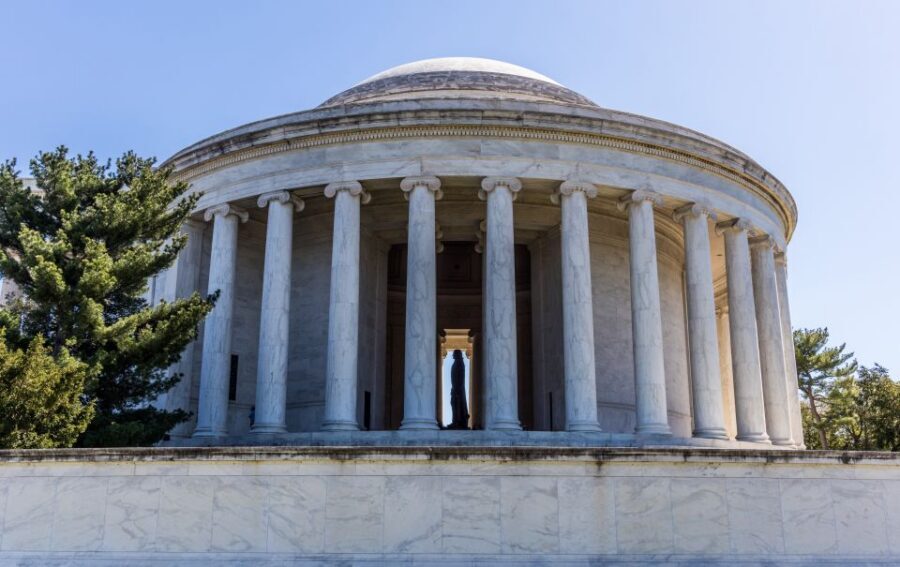
One of the best ways to enjoy the capital is to understand what you’re looking at before you walk up to it. The tour does that by placing early emphasis on the Capitol area and the story behind the nation’s founding ideas.
As you cruise toward Capitol Hill, your guide brings up the major pillars often listed in school curricula: the Declaration of Independence, the Constitution, and the Bill of Rights. You’re not just hearing trivia. You’re getting the human storyline that explains why these documents still show up in American public life today.
When you reach the U.S. Capitol, you get both guided sightseeing and context. The Capitol has a “wow” factor on its own, but guided narration helps you notice what most people miss: how buildings in DC communicate values through form, placement, and symbolism.
The only thing to watch here
Capitol Hill is a high-activity zone. If you’re the kind of person who wants long photo sessions at every angle, you may feel the four-hour time limit. The tour’s strength is coverage; your tradeoff is that you get “enough” rather than “hours.”
White House sightseeing with 20 minutes that actually helps

Getting to the White House is the moment most people picture when they think about DC. Here, you get about 20 minutes of guided sightseeing and narration.
That timed stop is smart. It forces a plan: look at the building, take photos, then use the guide’s context so you aren’t just snapping images of a famous façade. Your guide will speak to the history of the White House, which gives meaning to what you’re seeing beyond its surface appearance.
Also, this stop is emotionally different from the war memorials. It’s part of the everyday machinery of US government, even though it’s surrounded by strong symbolism. You’ll feel the contrast right away.






Practical tip for your photos
Move early within your stop. If you wait to gather the perfect vantage point, you might end up spending your time trapped behind other photo-seekers. The tour’s best strategy is quick scanning first, then deliberate photos.
Lincoln Memorial: the stairs and the sense of scale

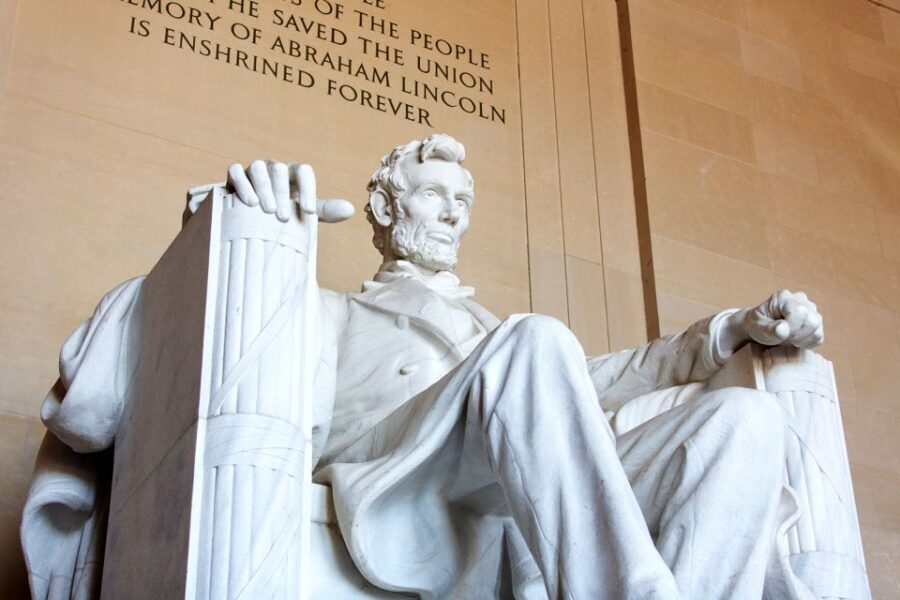
The Lincoln Memorial stop is one of the tour’s most satisfying moments because you’re not limited to sidewalk photos. You’ll have about 20 minutes of guided time, and you even get the chance to climb the stairs to see the statue of America’s 16th President.
Climbing up changes how you read the space. From below, the memorial feels monumental. From the steps and viewing area, it feels like a place designed for reflection and public memory.
Your guide’s narration matters here. The Lincoln Memorial can feel familiar, but guided context helps you understand why the speeches and symbolism attached to Lincoln still resonate in political life and civic culture.
Consideration
If you have mobility limitations or need extra time, plan to go a bit slower at this stop. Stairs take longer than expected, and the group moves as a unit.
War memorials with real guided reflection (not just names on stone)
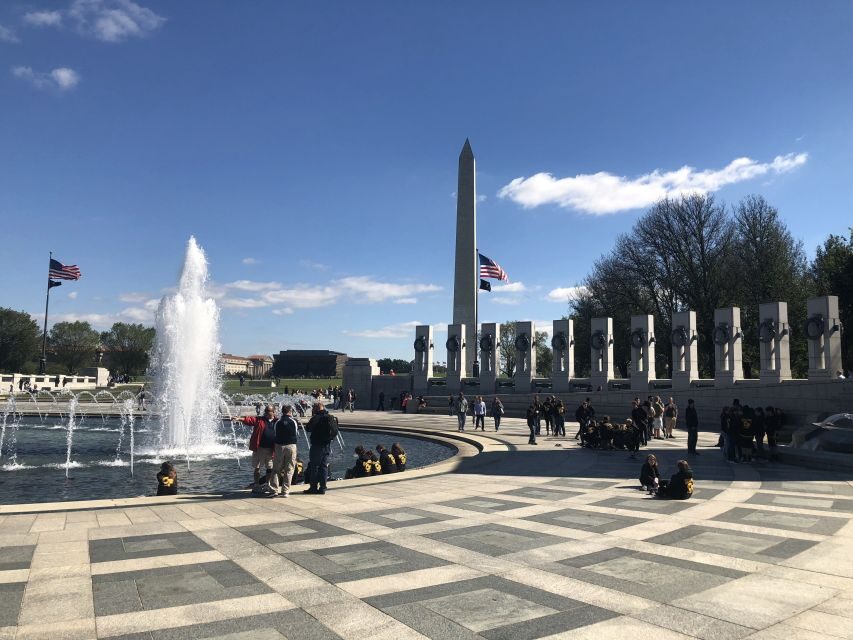
If DC has a theme song, it’s the memorials. This tour gives you guided time at multiple key sites, including the World War II Memorial and the World War I Memorial (each with guided time around 20 minutes).
These stops are powerful because the memorial language is visual. You’ll encounter figures, inscriptions, and spatial design that makes the meaning more than a list of wars. The guide helps connect those design choices to the stories they represent, so you’re not standing in front of stone wondering what you’re supposed to read.
Why the war memorials are a smart use of limited time
If you try to do these on your own, you may walk right past the details that make them hit hard. Guided narration acts like a translator: it turns the memorial into a narrative you can follow while you’re there.
What you’ll move through next
After the world wars, you also get guided stops at:
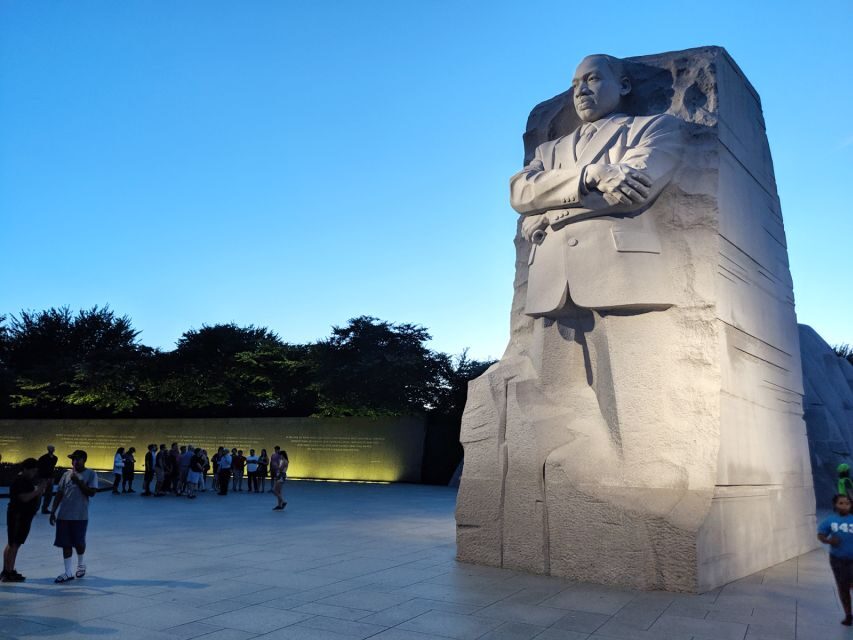
- Martin Luther King Jr. Memorial (about 20 minutes of guided time)
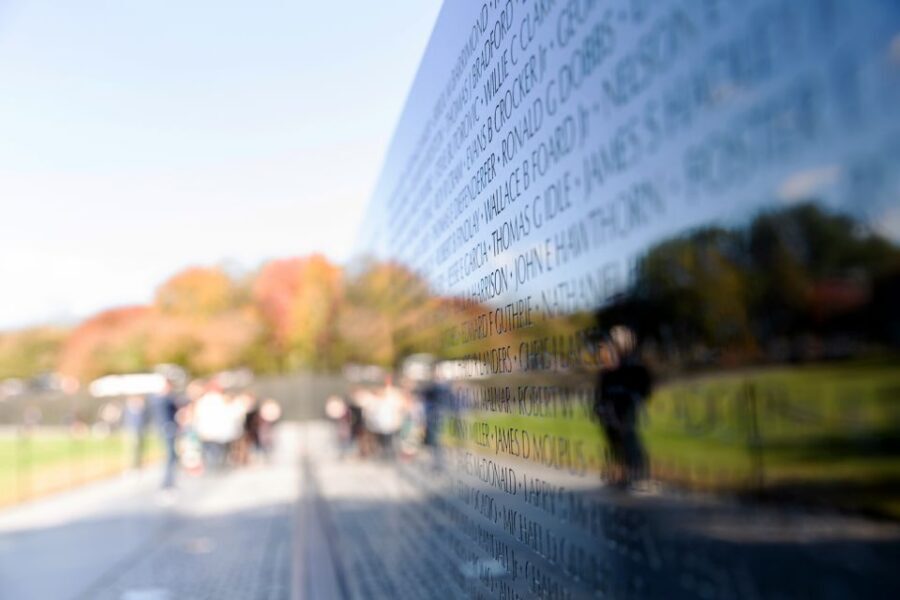
- Vietnam Veterans Memorial (guided time around 20 minutes, and the loop includes additional Vietnam Memorial time as well)
- Korean War Veterans Memorial (about 20 minutes)
- Plus a pass-by of the U.S. Marine Corps War Memorial
This sequencing matters. The tour moves from broad national memory to more specific, personal histories, so each stop builds emotional understanding instead of feeling random.
WW2, WW1, and the memorial design you’ll start noticing
Once you get going, the memorials start to teach you how DC thinks. The war memorials don’t just list events. They use placement, scale, and repetition to create an experience.
On this tour, your guide points out details as you go: how each memorial’s message is shaped by where it sits on the National Mall and how you approach it. That kind of guided attention is exactly why a bus loop can feel like value rather than a rushed highlight reel.
Even from the bus, you’ll pick up context about the wider area—the Smithsonian Museum views, the National Mall, and major points of interest like Freedom Plaza—so when you reach each stop, it feels connected instead of isolated.
Getting context at Martin Luther King Jr. and beyond
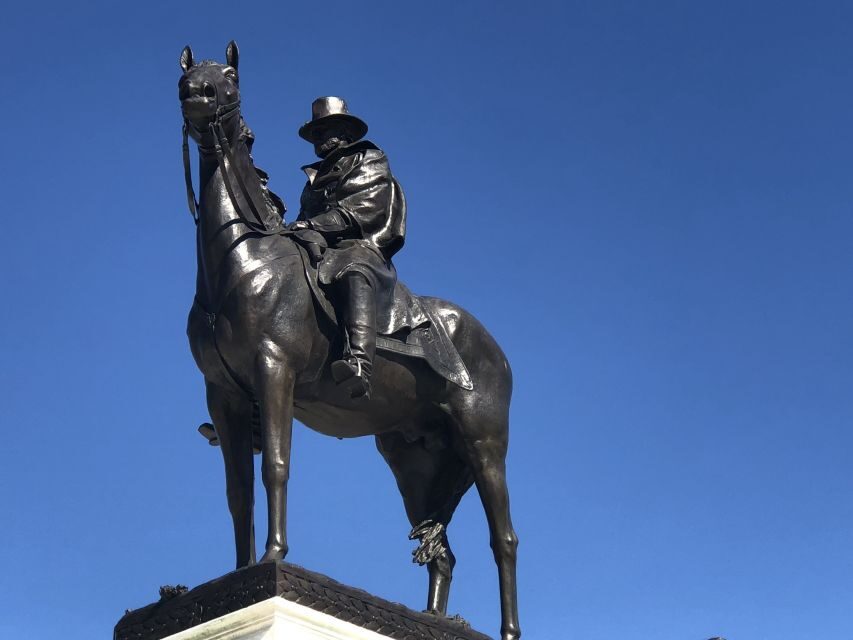
The Martin Luther King Jr. Memorial stop is built for guided understanding. You’ll get about 20 minutes with narration that helps connect the design and symbolism to the larger story of American civil rights and public life.
This is also where you’ll start to notice a shift. Earlier stops can feel like you’re learning the mechanics of the nation. MLK’s memorial feels like you’re learning how those mechanics get tested in real life—through moral pressure, public action, and cultural change.
Bus comfort, water, and how the guide-driver duo changes everything
A good bus tour is 50% route and 50% team. The guides on this tour get strong marks for keeping the day lively and organized. Names that came up in bookings include Wil, Nick, Elvis, Brittany, Evan, Sam, and Joan. On the driving side, names like Hakeem, Calvin, Maggie, Leonard, and Corey also show up with praise for handling DC traffic smoothly.
You don’t need the names to benefit, but it’s a useful indicator of what the day is likely to feel like. When the driver and guide work well together, you spend less time waiting and more time standing where you should be, looking at what you came to see.
About the bus itself
Some guests noted the bus was smaller than expected, and there can be occasional audio cut-out issues. That doesn’t mean the tour is bad; it means you should bring patience if you’re sensitive to audio glitches. If you need clear narration, I’d also recommend positioning yourself toward the front rows where sound usually carries better on many buses.
Pacing tips so you don’t feel rushed
Four hours is short. The trick is using your attention efficiently at each stop.
Here’s how I’d plan your mindset:
- Treat the guided walk as your main learning time. Listen first, then take photos.
- At each stop, identify one “must-read” element (an inscription, a plaque, or a central feature). If you do that, you’ll leave feeling you understood something, not just saw something.
- When you’re back on the bus, use the travel time to connect dots. The bus passes Washington Monument, the Smithsonian area, and other key points, and your guide’s commentary helps those views click.
Also, build in a small buffer for city detours. One booking described detours due to a local event, and the guide kept the group informed while still hitting the main sites.
Value: what $47 gets you in DC terms
At $47 per person for about four hours, this tour is priced like a practical bargain. You’re paying for more than transportation: you’re buying guided context, timed walking stops, and a route designed to compress a lot of DC landmarks into one half-day.
The value logic is simple:
- If you try to cobble this together alone, you’ll spend time coordinating stops, navigating traffic, and deciding what to prioritize.
- If you do it with a guide, you get a narrative thread that helps you process the sheer amount of history in a short window.
- You also get bottled water included, so you’re not quietly adding costs and friction to the day.
If you’re visiting for a short trip, or you want to get oriented fast before museum-heavy days, this is the kind of tour that can save you time later.
Who should book this tour (and who might prefer something else)
This tour is a great fit if you:
- Want to hit the White House, Capitol area, and the major memorials on the National Mall without planning a route
- Like guided stories that connect monuments to American history and civic life
- Prefer short, structured stops over spending hours in transit
It may feel less ideal if you:
- Need long, unhurried time at a single site, because the tour is designed to cover many locations
- Are highly dependent on perfectly clear audio on a moving bus
Should you book the highlights of the capital by bus?
If you want a smart first look at Washington DC, I’d say yes. This tour is built for fast orientation, with enough guided walking time to make the memorials more than background scenery. The biggest reason to book is practical: you’ll see the major landmarks in four hours while learning what gives them meaning.
If you hate rushing, consider saving this for a day where you can still return later to one or two favorites on your own. Otherwise, book it and treat it like your DC map with commentary.
FAQ
How long is the Washington DC bus tour?
The tour lasts about 4 hours.
Where do I meet for the tour?
You meet at the U.S. Navy Memorial Plaza at 701 Pennsylvania Avenue NW.
What’s included in the price?
The tour includes a guided bus tour with live commentary, walking tours of major monuments, transportation by luxury tour bus, and complimentary bottled water on the bus.
Is lunch included?
No, lunch is not included.
Is the guide available in languages other than English?
Live narration is provided in English only.
What is the departure time, and what is the cancellation policy?
Departure is at 10:00 AM, and you can cancel up to 24 hours in advance for a full refund.