Two things I like a lot: the round-trip transport from multiple NYC pickup points and the live guide commentary that keeps the day from turning into random photo ops. You’ll also leave with a clean sense of how each landmark connects to what the U.S. government and civil-rights story actually means.
One possible drawback: several stops are outside visits and short photo/photo-adjacent windows, so if you’re hoping for long time in museums or interior tours, you’ll need to plan extra days.
Key highlights worth your attention
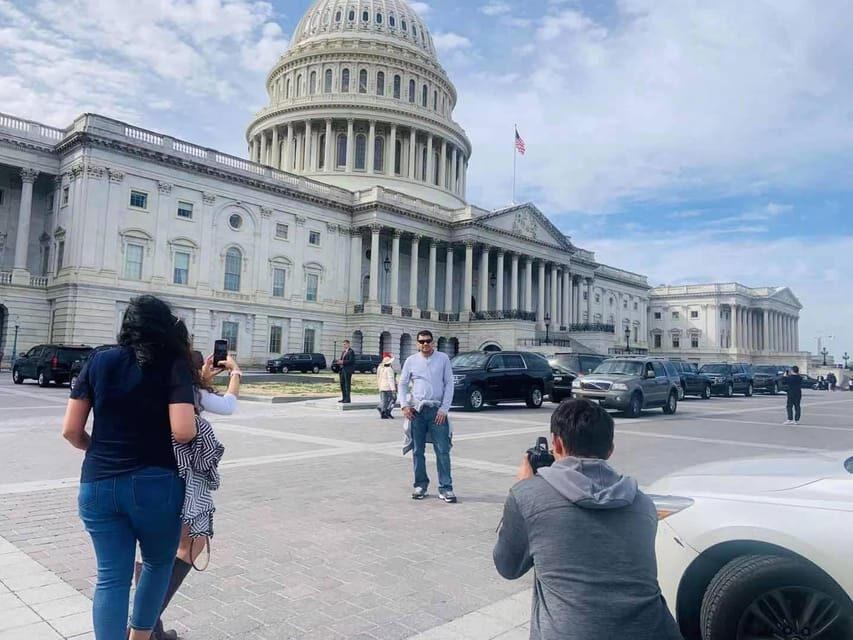
- Expert guide and driver support that keeps the story straight as you move between sites
- Multiple NYC and New Jersey pickup choices for a smoother start
- Top DC landmarks packed into one day with photo stops at the Capitol, White House, and National Mall
- Meaningful memorial time at Lincoln and the Vietnam Veterans Memorial
- Air Force Memorial spires plus a Pentagon view from a distance for a strong finish
- Good value for a day trip when you add up transport, organization, and guided context
A 1-day Washington, D.C. hit list without the planning headache
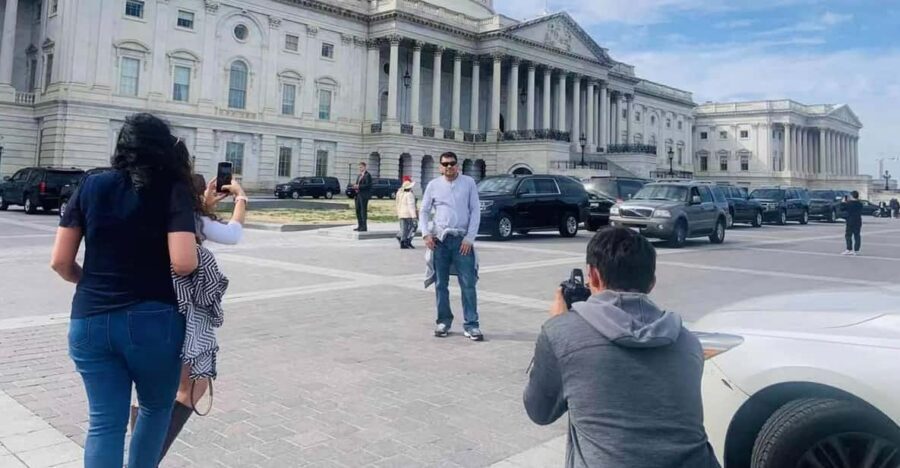
If Washington, D.C. is on your bucket list but you only have one day, this tour is a practical way to cover the main icons. You’re not trying to do DC like a marathon. You’re doing it like a checklist with context.
What makes it work is the mix of power-and-symbol stops: the U.S. Capitol and White House, then the National Mall’s monuments and memorials, then the two most emotionally direct stops of the day at Lincoln and Vietnam. Even if you’ve read about these places before, seeing them in sequence helps it all click faster.
The day’s also designed for first-timers. You’re not stuck asking, Where do I go next? Your guide keeps the flow moving from one landmark area to the next.
Getting there early: NYC pickup windows and the ride comfort
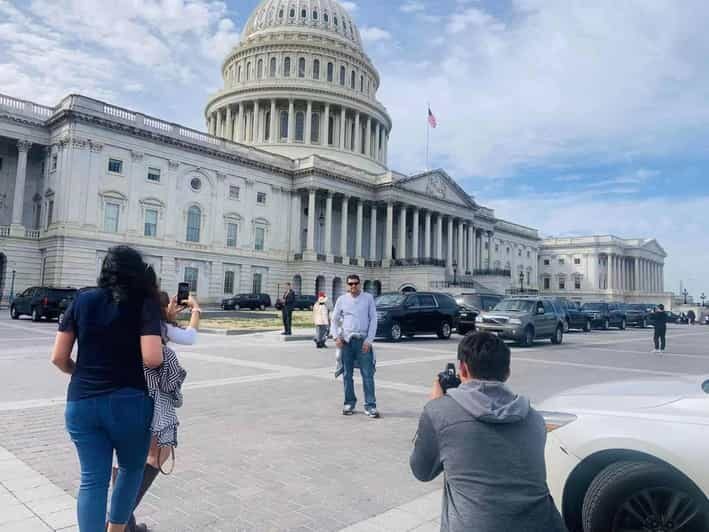
The tour picks you up from five spots in the New York City area and nearby New Jersey, with departure times that start early in the morning. Options include departures from places like Red Lobster in Times Square, Union Square (Capital One Bank), and a couple of Flushing/Jersey City locations.
Pickups are staggered, and the stated default pickup is 06:45 from Red Lobster, Times Square if you don’t contact the operator at least 3 days before to confirm your exact pickup location. So if you care about convenience, confirm your pickup point.
On the road, you’ll be in a professionally maintained vehicle chosen based on group size. That matters more than people think. D.C. is all about timing, and a comfortable ride reduces the “I’m tired already” feeling that can steal your photo time.
The U.S. Capitol and National Mall photo block: where the day starts strong
The day begins with a pass by the U.S. Capitol, then the National Mall. You’re looking at the Capitol from outside, which is still an impressive first impression. Even without going inside, the building’s dome and neoclassical feel communicate the weight of the place.
You then get around 30 minutes on the National Mall area. This is often called America’s front yard for a reason. It’s open, central, and packed with meaning: monuments, memorials, and major museums all tied to national stories.
What’s smart here is that you get early-light views and a quick orientation to how DC is laid out. You’ll understand where you are and what direction things connect as the day moves forward, rather than arriving and guessing.
White House outside stop: short window, big impact

Next up is the White House outside visit with about 20 minutes. This is one of those places where even a brief stop hits hard. You can’t miss the building’s neoclassical design, and it’s the residence and office for every U.S. president since John Adams, so the symbolism is built in.
Because the stop is short, I suggest you treat it like a photo-and-context moment. If you try to linger too long, you’ll end up rushing later. With only a day, this approach is exactly what keeps the schedule realistic.
Also, even if you’ve seen pictures before, the scale feels different when you’re there. You’ll get that sense of what power looks like in real life, not just on a screen.
Lincoln Memorial and Vietnam Veterans Memorial: reflection time that lands
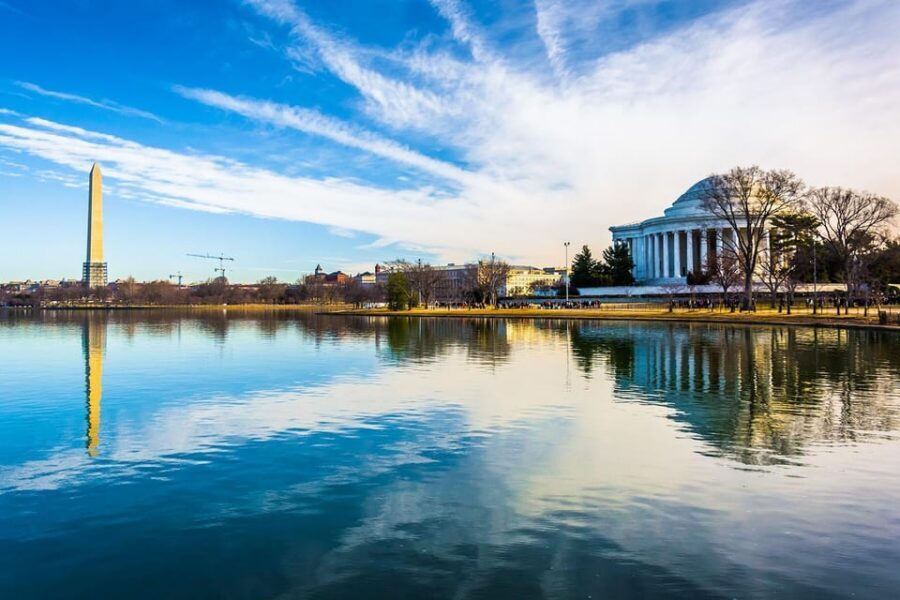
This is the emotional heart of the tour. You’ll spend about 50 minutes at the Lincoln Memorial and the Vietnam Veterans Memorial area.
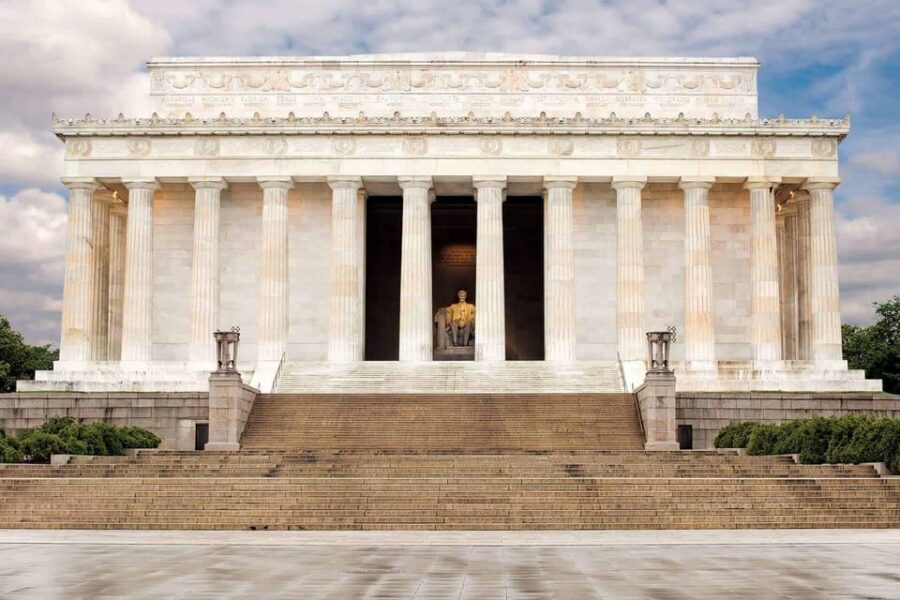
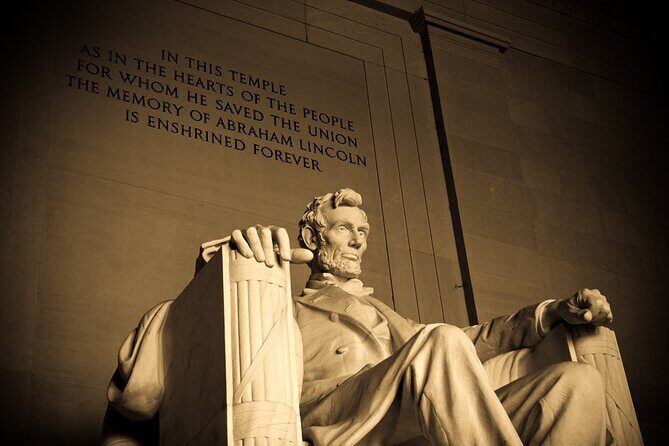
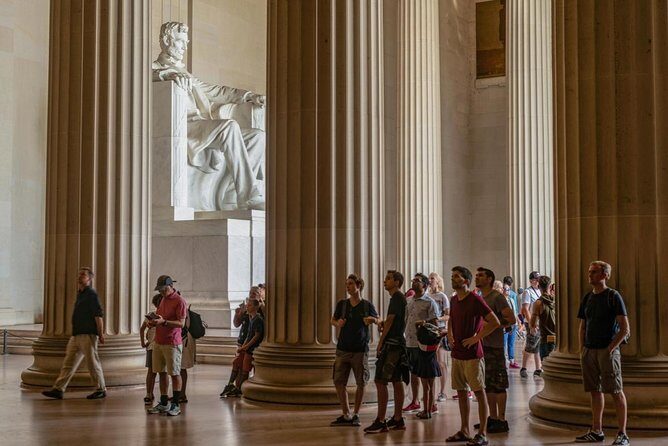
At the Lincoln Memorial, you’ll see the famous seated statue of Abraham Lincoln inside a Greek-style temple setting. The design is part of why it’s so memorable: it turns a president into a symbol of unity and civil rights.
Then you shift to the Vietnam Veterans Memorial, where a polished black granite wall bears the names of more than 57,000 fallen service members. This stop is different from a sightseeing moment. It’s the kind of place where people slow down without being told to.
If you care about meaningful travel, this is the part you’ll remember later. Bring sunglasses if you need them, but also be ready for a quiet moment where your photos feel secondary to what you’re taking in.
Air Force Memorial spires and the Pentagon from a distance

To close the day, you’ll head to the United States Air Force Memorial for about 20 minutes. The memorial’s spires symbolize flight, and the viewpoint gives sweeping looks toward the Pentagon.
The Pentagon segment is listed as a pass by for around 20 minutes, which makes sense given traffic and the need to keep the day on track. You’ll see enough to connect the dots: the U.S. military’s presence on a major civic axis, framed by an air-and-flight symbol right in front of you.
This ending works well because it gives you a contrast. You started with democratic institutions, moved through civic memory, and finish with defense—still connected to the larger idea of national identity and public service.
Timing, pacing, and how to avoid a rushed feeling
A one-day tour is always a trade-off. You won’t cover every museum or side street, and you won’t linger like you would on a slower trip.
But the schedule you’re given is built around short, defined windows:
- Capitol pass plus National Mall time (about 30 minutes total for that segment)
- White House outside stop (about 20 minutes)
- Lincoln Memorial + Vietnam Veterans Memorial (about 50 minutes)
- Air Force Memorial (about 20 minutes)
- Pentagon pass (about 20 minutes)
What I’d do to keep this from feeling rushed is plan your day around two mindsets: photo fast, then reflect slow at the Vietnam/Lincoln area. Everything else is mainly about seeing and orienting.
You’ll also want comfortable shoes. You’re outside for much of the day, and even when time blocks are short, walking adds up quickly.
Price and value: what $109 buys you for a DC day
At $109 per person for a full day, the real value is that you’re paying for organization, transport, and live guiding—not just a bus ride.
For many people, the cost feels reasonable because:
- You get round-trip transportation from NYC and nearby areas
- You’re not spending your day planning transfers, route changes, or meeting points
- You receive explanations in real time, which turns stops into something you can remember as a story, not just a list of landmarks
Meals aren’t included, so plan to budget for food on your own. But with meals handled separately, the tour keeps the day focused on what it does best: getting you to the right places at the right time and framing them as you go.
Guides and communication: why it matters on a timed day
On a one-day itinerary, the guide quality can make or break your experience. The strongest part is the way the guide can explain what you’re looking at while you’re actually there.
In previous experiences on this type of tour, guides such as Nick, Kenny, and Jackson have been highlighted for being friendly and energetic, with explanations that connect monuments, states/cities you pass, and what the landmarks represent. Even if your guide’s style differs, the format is the same: you’ll get live commentary so you know what each stop means instead of guessing.
If you want the best experience, come ready with a short list of questions in your head—something like, What’s the connection between the Mall and civil-rights memorials? Then let the guide answer as you go.
What to pack for a smooth day in Washington
DC can move from bright sun to cool shade fast, so pack like it’s a day outside, not a museum crawl.
Bring:
- Comfortable shoes
- Sunglasses and a sun hat
- Drinks and sunscreen
- Comfortable clothes
- Cash (useful for small purchases)
And keep in mind what’s not allowed: no smoking in the vehicle or indoors, and no pets.
If you’re sensitive to long days, bring a little patience too. One-day tours are busy. The trick is to treat it like an efficient introduction, then plan a deeper follow-up if DC really grabs you.
Who this tour is best for
This is a good fit if you:
- Want the big-name landmarks without building a complex plan
- Are short on time and still want a guided narrative
- Prefer clear timing and pickup coordination over wandering and guessing
- Enjoy a mix of civic sights and memorial reflection
It may not be ideal if you:
- Want lots of museum time or interior access (the key sites here are mainly outside/photo-style stops)
- Need a slow, unstructured pace
- Are traveling with a priority list that requires separate ticketing and flexible departures not described in this schedule
Should you book this Washington, D.C. day trip from NYC?
Yes, if you want a smart first DC day that hits the essential landmarks in a single run. The combination of transport, timing, and guided explanations makes the $109 price feel more like logistics bundled into a day trip than just a sightseeing fee.
Hold off or add a separate plan if your dream trip is all about deep museum time and long stops. This tour’s strength is focus: Capitol, White House, National Mall, Lincoln, Vietnam Veterans Memorial, then the Air Force Memorial with a Pentagon view from a distance.
If you’re the type who likes to get oriented fast and then explore more later, this is a strong choice.
FAQ
How long is the Washington, D.C. tour from New York City?
It runs for one day.
What landmarks do we visit during the tour?
You’ll see the U.S. Capitol (outside), the National Mall, the White House (outside), the Lincoln Memorial and Vietnam Veterans Memorial area, the Pentagon (pass by), and the United States Air Force Memorial.
Is the tour mostly outside stops?
Yes. The U.S. Capitol and the White House are listed as outside visits, and the rest of the day is focused on photo stops, passes, and viewpoints.
Where are pickup and drop-off locations in New York?
There are five pickup options and five drop-off options. Pickup times include Flushing, Times Square (Red Lobster), Union Square (Capital One Bank), Chinatown (75 Chrystie St), and Jersey City (Newport Plaza area). Drop-offs include the same general locations.
Do meals cost extra?
Yes. Meals, food, and drinks are not included.
Are attraction tickets included?
Tickets and admission are not included in the way city passes are. Third-party attraction tickets or city passes aren’t accepted. Any admissions you need must be purchased during booking or directly from the tour guide on the day of the tour.
]]>I like how the day is structured: you get a real, guided look at George Washington’s world, then you roll right into a timed evening circuit of major memorials. One thing to consider is the night pace: it’s built around short, photo-style stops, so you’ll need to be ready to move when the driver calls the time.
Key highlights worth your attention
- 3 hours at Mount Vernon with an intro video, a guided mansion tour, and time to wander the grounds
- Old Town Alexandria drive-by stops like Christ Church, the Alexandria waterfront, and historic Queen Street addresses
- Photo windows at Washington’s biggest landmarks including 10–20 minute stops for the Capitol and multiple memorials
- A licensed guide who helps connect what you see in DC with what you learned in Virginia
- Small group size (max 25), which usually makes it easier to hear explanations on the bus
- Limited touring inside monuments since Capitol and White House admission isn’t included
Planning Your 8-Hour DC + Mount Vernon Day
This is a split itinerary that starts with history and ends with night views. You meet at 400 New Jersey Ave NW at 2:00 pm, then head out for Mount Vernon before returning to DC for a night circuit.
The pacing is the whole deal here. You’ll spend real time at Mount Vernon, but most DC stops are brief photo moments, not long museum-style hangs.
If you like a day that moves—without feeling totally chaotic—you’ll probably enjoy this format. If you want everything slow, with time to wander inside major sites, you may find the evening portion a little too stopwatch-driven.
From Robert E. Lee to Old Alexandria: The Road-Trip Story Build
Before you even reach Mount Vernon, you’re set up for the colonial-to-early-America theme. The bus passes the Boyhood Home of Robert E. Lee, and it also goes by the Lee-Fendall House in Old Alexandria. Admission is listed as free for these stops, but think of them as guided context from the vehicle rather than deep-entry attractions.
This early stretch matters because it primes your eyes. When you later see Washington’s world at Mount Vernon, you’re not starting from scratch—you’ve already been reminded how this part of Virginia ties into prominent American families and early life stories.
On the way back toward DC, you also get repeated Old Town landmarks. Even if you’re not stepping out for every single stop, the addresses and names help the geography click: Alexandria isn’t just pretty streets; it’s part of the same national story.
George Washington’s Mount Vernon: Mansion Tour and 3 Hours on Your Feet
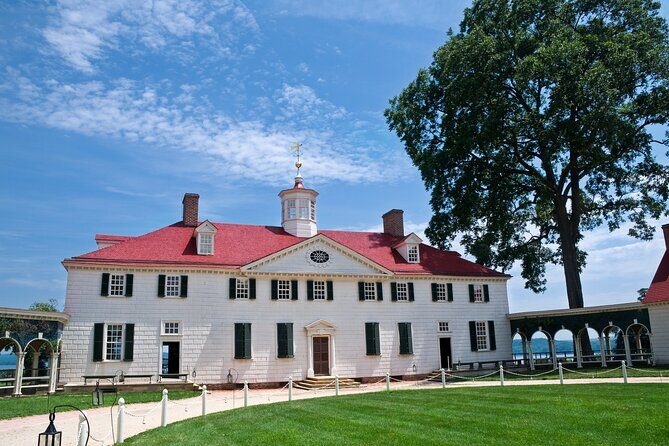
Mount Vernon is the centerpiece, and you get the time to treat it like one. You’ll arrive, watch a brief introductory video, then join a guided tour of George Washington’s Mansion.
After that, you’re not stuck on a leash. You have free time to explore the rest of the estate at your leisure, which is where this tour earns its value. If you prefer quiet wandering, you can slow down. If you like photos and big-picture views, you have the time to plan your route.
Practical note: there’s a food court and gift shop at Mount Vernon, so you won’t be stuck if your schedule runs hungry. Lunch isn’t included, so you’ll want to eat from what’s available on-site when you’re there.
This is also where your physical comfort level matters. The tour notes a moderate fitness level, and Mount Vernon involves walking on grounds, plus the mansion tour itself.
Alexandria’s Christ Church, Queen Street, and George Washington Town Sites
Once the day shifts to the Old Town Alexandria vibe, you get a string of recognizable stops that help you picture the era. The itinerary includes passing Alexandria’s Christ Church, then the Old Town Alexandria waterfront.
You also drive by two address-based highlights that feel oddly specific—in a good way:
- 523 Queen St, listed as the smallest townhouse in Old Town
- 508 Cameron St, George Washington’s town house
Add the George Washington Masonic Temple (King Street & South Washington Street) and it becomes clear the goal isn’t just sightseeing. It’s showing you how American history lives inside neighborhoods.
A drawback to know: these are drive-by/photo-style stops. If you want long explanations on the sidewalk, you may feel the bus window is doing the storytelling rather than your feet.
Still, the advantage is pacing. You’ll see more of the Old Town layout without losing hours to constant leaving and re-entering the vehicle.
Driving the George Washington Memorial Parkway into the Night Circuit
The route includes a drive on the George Washington Memorial Parkway all the way to the mansion area. That matters more than it sounds. Even when you’re not getting out, the parkway helps connect the dots between “town history” and “estate history.”
Then the day transitions back to DC for the evening portion. This part starts bringing out the big monuments, but don’t treat it like an all-access sightseeing spree. The Capitol and White House stops are specifically marked as photo time, and admission tickets are not included for those two.
So the smartest way to enjoy this section is to aim for what you can actually get: iconic exterior views, good angles, and a guided sense of what each memorial represents.
Night-Time Washington DC: Capitol, White House, and Memorials on a Tight Clock
Here’s how the night viewing is built: lots of quick stops, timed for photos and orientation. You’ll get:
- U.S. Capitol: about 10 minutes (photo stop; admission not included)
- White House: about 15 minutes (photo stop; admission not included)
- Franklin Delano Roosevelt Memorial: about 10 minutes
- Martin Luther King Jr. Memorial: about 10 minutes
- Lincoln Memorial: about 20 minutes
- Vietnam Veterans Memorial: about 10 minutes
- Korean War Veterans Memorial: about 10 minutes
This is where expectations matter. You can absolutely enjoy night lighting and monument scale, but you won’t be doing a slow, reflective walk across every site. Think of it as an evening route that gives you the highlights, plus enough time to grab photos and get the basic context.
One more practical concern: some memorial areas can feel less comfortable at night depending on lighting and foot traffic. Plan for short walks, watch your step, and don’t count on being able to linger much longer than the scheduled time.
If you’re the type who likes to ask lots of follow-up questions, be ready to do it quickly. The pace is part of the experience design.
Guide Style and Pace: How to Get More Out of Short Stops

A tour like this rises or falls on how the guide handles the schedule. The good news is the tour is described as having a licensed tour guide, and Mount Vernon’s mansion time is guided—so you get meaningful interpretation where it’s most useful.
In the evening, though, you’ll likely be balancing two competing needs: hearing explanations while also trying to get your shots in before the bus pulls away. If you want specific photos, it helps to be decisive. Know what you’re aiming for before you arrive at the curb.
If you care about factual detail, keep your expectations flexible. Some people have flagged that certain evening commentary wasn’t accurate. My practical advice is to treat the big-picture meaning of the memorials as the priority, and use your own notes for the fine trivia.
Also, keep an eye on the time. The route is structured to finish back at the original meeting point, but with night driving and tight stops, your best move is to confirm with your guide what the final timing/drop-off flow looks like before you settle into the photo circuit.
Value and Practical Stuff: Tickets, Food, and What’s Not Included
At $158 per person for an approximately 8-hour day, you’re paying for two things:
1) a guided Mount Vernon experience (including the guided mansion tour and Mount Vernon admission), and
2) a guided night circuit through major DC landmarks with transportation.
You’re not paying for paid entry to everything. The Capitol and White House photo stops explicitly list admission not included, so you should assume you’re viewing from outside.
You also don’t get lunch included. There is a food court at Mount Vernon, which helps, but it’s on you to eat there.
The tour also doesn’t include hotel pickup or drop-off, which means you’ll start and end at the 400 New Jersey Ave NW meeting point. The upside is you avoid the “waiting loop” that sometimes happens with hotel pickup tours.
If you want a smooth day, plan your arrival to the meeting point so you’re not rushing at the start. Start time is 2:00 pm, so you’ll likely want to eat earlier if you’re prone to hunger, then use Mount Vernon’s options during your on-site time.
Group size caps at 25 travelers, which usually helps keep the bus conversation workable and the stops less chaotic.
Who This Tour Fits Best (and Who Might Prefer Something Else)
This tour fits you if you want a strong mix of history and famous night monuments without doing separate full-day planning. It’s especially good if you’re excited about Mount Vernon and you also want a DC “greatest hits” run.
It’s also a smart pick if you enjoy vehicle-based context. You’ll be driven past multiple Old Town sites, including specific addresses in Alexandria, plus you’ll get narration during the night route.
You may want to skip or choose a different option if:
- you hate timed stops and want longer time inside sights
- you care deeply about exact trivia accuracy during the evening segment
- you want hotel pickup and a totally frictionless door-to-door day
Final call: Should you book this Washington DC Night Tour with Mount Vernon?
If your top priority is a guided Mount Vernon visit plus a night photo tour of DC’s major memorials, this is a solid value. The 3-hour Mount Vernon block is the anchor, and the rest is a transportation-and-photo circuit that helps you see a lot in one day.
Just go in with the right mindset: the evening portion is short by design. If you’re flexible, photo-ready, and most interested in the big monuments and overall meaning, you’ll likely leave with a memorable mix of colonial America and night-time DC.
FAQ
How long is the tour?
The tour runs about 8 hours (approx.). It includes the Mount Vernon portion and then the nighttime city tour back in Washington, DC.
What time does it start and where do I meet?
It starts at 2:00 pm and begins at 400 New Jersey Ave NW, Washington, DC 20001. The tour ends back at the meeting point.
Is Mount Vernon admission included?
Yes. The Mount Vernon segment lists admission ticket included, along with a guided tour of George Washington’s Mansion.
Do I get inside access to the U.S. Capitol or the White House?
No. The U.S. Capitol and White House stops are listed as photo stops with admission tickets not included.
Is lunch provided?
Lunch is not included. There is a food court available at Mount Vernon, plus a gift shop.
Is the tour fully guided?
You get a licensed tour guide, and at Mount Vernon you’ll have a brief introductory video plus a guided mansion tour. The rest of the stops are primarily drive-by and photo windows.
How big is the group?
The tour notes a maximum of 25 travelers.
Is hotel pickup included?
No. Hotel pickup/drop-off is not included, so you’ll need to get yourself to the meeting point. Service animals are allowed.
]]>On the people side, the experience can be wonderfully flexible. In the stories I’ve heard firsthand, drivers like Khan have been helpful with timing, and Albert showed up ready to make things right after a rough start. The caution is simple: if there’s a delay or confusion about the exact pickup spot, your “private” comfort can turn into stress.
Key points to know before you go
- Chauffeur pickup across DC, Virginia, and Maryland with drop-off at your chosen location after the tour
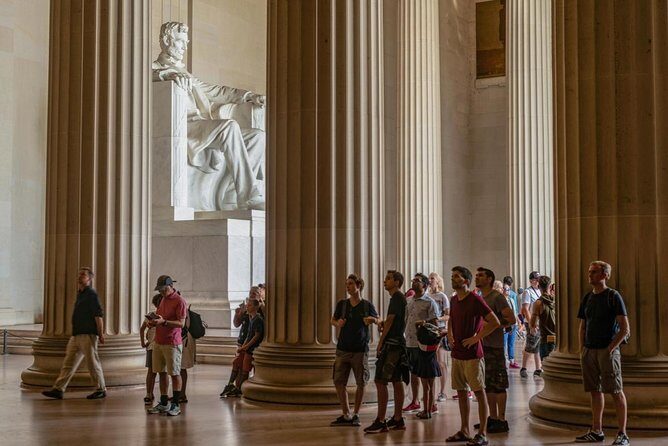
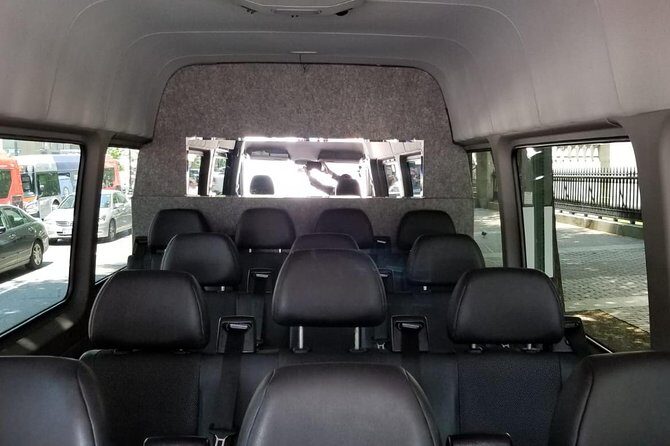
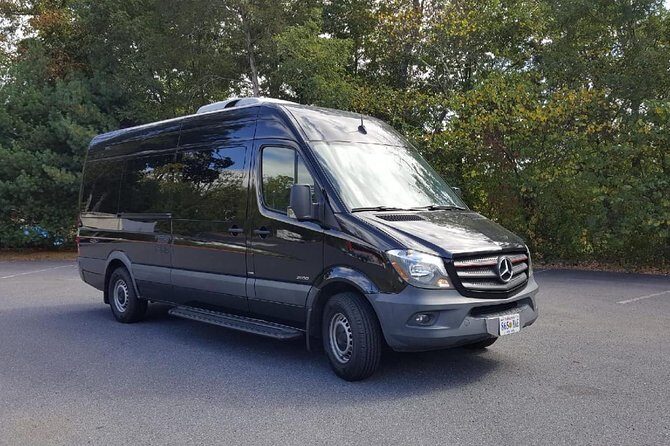
- Up to 13 people per group in a spacious Mercedes Sprinter, with room to breathe and take pictures
- Short, timed stops at major sights like the Capitol, White House, and several memorials
- Most museums are drive-bys with free admission on-site, so you can still enjoy the names and exteriors even without tickets
- Day or night option changes the vibe fast, especially for memorial photography
- Some big memorials fit longer tours only (Marine Corps, Air Force, Pentagon are listed for 6–8 hours)
How a Mercedes Sprinter changes a Washington DC city day
Washington DC can be a “stand in line, walk in circles” kind of trip—especially when you’re trying to see the big symbols quickly. A private Mercedes Sprinter helps you do the DC thing without exhausting everyone. You get door-to-door pickup (hotel, airport, Union Station, or other locations in DC/VA/MD) and a chauffeur who handles getting you onto the right roads at the right moments.
The practical win is that the route mixes quick stops with drive-by viewing. That means you can see places like the Supreme Court, FBI Headquarters, and the Holocaust Memorial Museum from the right angle, then use your stop time for photo ops or quick sightseeing. If you’ve ever watched a group sprint between landmarks, you’ll appreciate how the vehicle keeps your pace sane.
There’s also a value angle here. This isn’t a “one person talks, everyone listens” situation. It’s set up for flexibility: you can generally spend a little more time where your group cares most (a memorial with a view, a monument angle for photos), and less where you don’t.
Your 3–4 hour route: Capitol to the memorial spine
This tour runs about 3 to 4 hours. The route is built around DC’s main government spine and the area where you’ll naturally want photos: Pennsylvania Avenue and the memorial district. Expect a mix of short stops (about 15 minutes) and scenic drive-bys where you get the sight without the long walking.
U.S. Capitol and the government core
You’ll start at the U.S. Capitol with a short stop. Admission isn’t included here, so think of this as exterior time: photos, orientation, and soaking up the setting. Even if you’ve seen pictures before, the Capitol looks different when you’re actually there. This is also the moment your group usually starts recognizing the overall layout of the city.
Next comes the Senate and House Office Buildings with a drive-by look at buildings like Russell, Dirksen, and Hart. Then you’ll pass the Supreme Court. Admission is not required for drive-bys, and that’s the point: you get the quick “this is what you’ve been studying” effect without turning your afternoon into a queue-and-trek day.
You also do quick drive-by viewing of:
- U.S. Botanic Garden
- National Museum of the American Indian
- Hirshhorn Museum and Sculpture Garden
- National Museum of African Art
- U.S. Department of Agriculture
These are all listed with free admission where applicable, but because they’re drive-bys, you’re mostly getting the exterior and the geography. If you want to step inside a museum, you’d need a separate plan. Still, seeing the buildings from the road helps you connect names to place fast, which makes later self-guided exploring easier.
Pennsylvania Avenue’s famous drive and the White House stop
One of the most interesting parts of the route is the drive along Pennsylvania Avenue, including the stretch tied to a presidential inaugural route from the Capitol toward the White House. This isn’t just trivia. It’s the kind of axis that makes DC feel intentional rather than random. When you’re in the middle of it, you understand why the city is laid out the way it is.
After that, you stop at the White House for about 15 minutes. Again, admission tickets aren’t included, so it’s exterior viewing. Still, this short timing works well: it gives everyone a chance to get a few key photos and then re-group inside the van.
FBI Headquarters and the World War II memorial moment
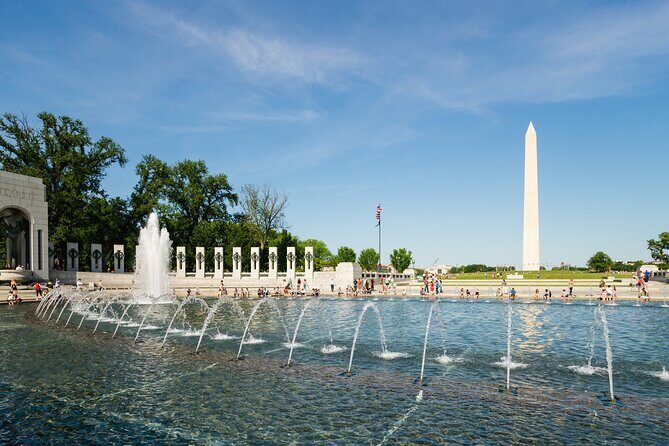
You’ll drive by the FBI Headquarters, then head toward the National World War II Memorial area with a short stop that also includes the Washington Monument. Admission isn’t included for this stop, but you’re there for the sightlines. This is the kind of stop where night lighting can be stunning, and daytime can be bright enough for crisp wide photos—so your choice of day vs night matters here.
Holocaust Memorial Museum and the run of presidential-era stops
The route includes a drive-by of the United States Holocaust Memorial Museum and the Bureau of Engraving and Printing. This is a “read the place as you pass it” moment. You’ll likely spot the strong visual cues instantly, and it can set the emotional tone for what comes next.
Then you shift into the memorial sequence with short, exterior-focused stops at:
- Jefferson Memorial (about 15 minutes)
- Martin Luther King Jr. Memorial along with the Franklin Delano Roosevelt Memorial (about 15 minutes)
- Lincoln Memorial plus the Korean War Veterans Memorial and Vietnam Veterans Memorial (about 15 minutes)
These short stops are a trade-off. You won’t get a long, slow walk through every detail. But you will get enough time to see each memorial as a distinct space, take photos, and keep the energy of a group from dropping.
Drive-bys from the right side of the road (and why it helps)
Not every DC sightseeing plan needs to be “walk every inch.” For many people, the best city tour is the one that prevents your day from turning into a leg workout. This route uses drive-by viewing as a way to keep your group connected to the big picture.
Here’s what the drive-by approach does for you:
- It lets you compare buildings quickly (botanical, Smithsonian-style museums, civic buildings).
- It avoids wasting time on transfers and wrong turns.
- It keeps your whole party together, which matters when you’re dealing with mixed ages.
A small but real bonus: because so many museums in the area have free admission, you’re not stuck thinking you need tickets just to enjoy the neighborhood. You’re free to decide later whether someone wants a quick stop into a museum during a separate day.
Day versus night: when your photos and mood will change most
This tour is offered as a day or night city tour, and that matters a lot in DC. Memorials often look dramatic after dark, while daytime gives you clarity—especially around the government buildings and wider viewpoints.
In practice:
- For memorial photography, night tends to offer more “wow” lighting and less sun glare.
- For quick group viewing, daytime can be easier for older legs because you can move at a steady pace without rushing to dodge shadows or uneven light.
Also note the “weather matters” reality: the experience requires good weather. If you’re traveling in seasons with frequent rain or heavy clouds, have flexibility in your schedule. If the tour gets canceled due to poor weather, you’ll be offered a different date or a full refund.
Comfort and group management: what the Sprinter does well
The Sprinter setup is built for groups up to 13. That’s a key detail. Larger vans help you keep conversation and coordination simple. And when you’re dealing with multiple ages, a chauffeur-driven plan is less about speed and more about smooth entrances and exits.
In the experiences I’ve learned from, a big win was how drivers can handle timing around the group. One story included grandparents who needed extra time to get off the van, and the driver stayed patient. That’s exactly the kind of situation where a private setup can feel worth it: you aren’t squeezed into a strict public tour rhythm.
Just remember what a private tour still can’t fully control: traffic, pickup location accuracy, and any unexpected events on the road. One account described a rough start when a pickup didn’t go as planned due to a driver accident and confusion about the exact pickup point. The good news is that the driver who arrived later was kind and apologetic, but it still threw off the afternoon.
So if you book, do this: double-check the meeting spot with clear, specific directions (street number, building entrance, or exact pickup point). If you want the day to feel smooth, start by making the first handoff easy.
Price reality check: $790 per group and when it’s a smart value
The price is $790 per group (up to 13) for 3 to 4 hours. That’s not cheap on a per-person basis if you’re traveling solo or as a couple. It becomes more reasonable once you split the cost across a group, especially if you’re also saving energy and time.
Here’s how I’d judge the value:
- If you have a group of family members spanning ages, the comfort and pickup/drop-off can justify the cost.
- If your time in DC is short and you want “big hits” without crisscrossing the Metro, you’ll likely feel you got your money’s worth.
- If you’re the type who loves slow museum days, a private driving route might feel like you’re paying for exterior sightseeing. In that case, consider a different plan with longer museum stops.
Also, booking patterns matter. The experience is often booked around 79 days in advance, which suggests it’s a popular way to do DC. If your dates are fixed, the best move is to lock it in early.
Who this tour fits best (and who might prefer something else)
This is a great match for:
- Families with grandparents or parents who need short stops and less walking
- Photo-focused visitors who want the DC icons without spending hours navigating on their own
- Groups that want a shared experience with a chauffeur who can handle logistics
- People who prefer structure but still want flexibility on how long to linger at each major stop
You might want a different style of tour if:
- Your priority is deep museum time inside multiple Smithsonian buildings
- Your group enjoys long guided walks as the main activity
- You’re extremely sensitive to delays and don’t have any buffer in your day (traffic can happen in DC)
What you should plan for during the short stops
A 15-minute stop can feel long or short depending on your group. Use the time the way DC rewards it:
- Decide in advance who’s getting the key photo first.
- Pick one or two “must capture” angles for each stop so people don’t wander off.
- Bring water, especially for daytime tours.
Because admission tickets aren’t included for certain stops (like the Capitol and White House), don’t count on walking inside on this same day unless you arrange tickets separately. The tour is built around being in the right place for the right views.
Should you book this private Sprinter van tour?
If you want a smooth, group-friendly way to see Washington DC’s biggest monuments and government landmarks in just a few hours, I think it’s a strong choice. The Sprinter format is especially smart for mixed-age groups and people who don’t want a day of nonstop walking.
I’d book it if your goal is:
- Capitol and White House photo time without the hassle
- Memorial district hits in a single afternoon or evening
- A chauffeur-driven plan with pickup and drop-off where you want to end
I’d hesitate if:
- Your schedule is tight with no buffer for traffic or timing issues
- Your main goal is museum interiors rather than exteriors and drive-by context
FAQ
FAQ
How long is the Mercedes Sprinter private DC tour?
It runs about 3 to 4 hours.
How many people can be in a group?
The tour price is per group for up to 13 people.
Is pickup available from hotels and other locations?
Yes. A suited chauffeur can pick you up from your hotel, airport, Union Station, or any provided pick up location in Washington DC, Virginia, or Maryland. After the tour, you’re dropped off at your desired location.
Are tickets included for the Capitol and the White House?
No. For the U.S. Capitol stop and the White House stop, admission tickets are not included.
What about admission for the other sights?
Drive-by sights are listed as free for many stops, including the Senate and House Office Buildings, Supreme Court, U.S. Botanic Garden area, and several Smithsonian-area museums. The tour includes drive-by viewing for most of these.
Is this tour private?
Yes. It’s a private tour/activity, and only your group participates.
Can I do the tour during the day or at night?
Yes. It’s offered as a private day or night city tour.
What happens if the weather is bad?
The tour requires good weather. If it’s canceled due to poor weather, you’ll be offered a different date or a full refund.
What is the cancellation window for a full refund?
You can cancel up to 24 hours in advance for a full refund. If you cancel less than 24 hours before the start time, it isn’t refunded.
]]>In plain terms, you book a private ride, you get instructions close to departure, and you spend the day touring Washington DC at your group’s pace. When it goes right, the driver can be part of the experience—one driver named Juan was described as very polite and fun to talk with, and another named Eddie was noted as friendly and prompt, with conversation that kept people interested during the drive.
Key Things to Know Before You Go
- Flight tracking to reduce wait time: the driver monitors your arrival, so you’re not stuck staring at the terminal.
- Air-conditioned comfort: heat and A/C mean you stay comfortable through changing weather.
- Private, up-to-3 group setup: it’s just your group, not a mixed bus of strangers.
- Message timing can feel tight: driver contact comes about 6 hours before, and the meeting point comes 2 hours before.
- Luggage rules are strict-ish: 1 suitcase and 1 small carry-on per traveler, with limits on oversized items.
- Price is per group, not per person: great for small groups, less so if you’re traveling solo or with more people.
Price and Value: Paying for a Private Ride, Not a Ticket

At $526 per group (up to 3 people) for about 10 hours, this is best thought of as a private “time on wheels” package. If you’re traveling as a duo or small family, the math gets friendlier: you’re effectively splitting the cost across fewer people, and you’re buying flexibility and direct service rather than competing for space on a larger tour.
What makes the value feel better is the comfort and structure that comes with it: an air-conditioned vehicle, private transportation, and gratuities included. In other words, you’re not nickel-and-diming your way through the day with extra “driver tip” decisions at the end.
That said, the value depends on execution. The reviews show a split experience: some people praised prompt, communicative drivers, while others reported no-show problems, unexpected extra charges, or delays with refunds. With a service like this, you should treat the booking as a plan, then confirm the day-of details carefully.
The Big Logistics Test: Pick-Up, Driver Info, and Where You Meet
This tour is built around a simple but time-sensitive communication flow. You start in Washington DC, and you’ll be picked up using instructions sent after booking. Here’s what to expect from the process:
1) About 6 hours before, you receive your driver’s contact information.
2) About 2 hours before, you get the specific meeting location.
3) On arrival, you meet the driver at the pickup location and show your voucher and ID so the driver can validate it.
This two-step method can work smoothly—especially if you’re already settled near your pickup spot. But it also means you need to stay reachable and keep an eye on your phone that day. If you’re landing late, changing hotels, or moving between locations, factor in that timing window.
One more point that matters in real life: the operator says you can cancel for a full refund up to 24 hours in advance, and changes are handled up to at least 24 hours before the ride starts. That’s helpful if plans shift, but it doesn’t help much if details are wrong within the final few hours—so double-check names, times, and pickup instructions early.
Comfort Counts: Air Conditioning, Weather, and a Real Private Car
One of the most practical perks here is comfort. The vehicle is described as climate-controlled with heat and air conditioning, so you’re not stuck in a sweltering or freezing car while you wait for the next photo stop or drive segment.
That sounds basic, but it’s huge on a long day. A 10-hour private tour can include lots of sitting, lots of short movement, and lots of waiting around intersections. When the car is comfortable, your mood stays better—and you’re more likely to enjoy the ride instead of just counting down.
Also, because it’s private, the car is for your group only. You won’t have to negotiate timing with other parties or deal with stop-and-go boarding like you would on a group bus.
Luggage Rules You Should Actually Plan Around
This is where small details can make or break your experience. The service allows each traveler a maximum of 1 suitcase and 1 small carry-on bag. Oversized luggage (examples given include surfboards, golf clubs, or bikes) may face restrictions, and you’re told to ask the operator in advance if you’re bringing something large.
A “standard” suitcase size of 22 inches is mentioned, and larger bags are treated as two pieces. There’s also a storage-capacity note for bigger groups: if you show up with larger items, you might need multiple vehicles.
Why I care about this as a traveler: if your luggage doesn’t fit the car, you can lose the day while everyone argues at curbside. One of the negative experiences described a driver not being told about four suitcases and not waiting, and the situation spiraled into switching to another service. You can avoid that kind of headache by being very clear about your number and size of bags when you book.
How the “10-Hour City Tour” Plays Out During Your Day

Because the exact stops aren’t listed in the details you provided, I can’t promise specific monuments or neighborhoods. What I can do is explain how a private 10-hour city tour typically works when it’s driven by a single car and a single driver—and how to make it work for you.
Stop 1: Meet the driver and validate your voucher
Your day starts with a curbside meeting and voucher validation. This is the time to confirm basic things:
- where you want to start your touring day
- how you want breaks handled
- what “done for the day” means for your group
If you’re coordinating family schedules or tight timing with an airport transfer, this is where you prevent confusion. Keep your voucher available on your phone (mobile ticket is offered), and keep your ID ready.
Stops 2–3: Driving between areas and choosing your priorities
For the next blocks of time, you’re basically using that private driving time to see the city your way. With a private setup, you’re not forced into a fixed route with rigid pacing. If your group likes scenic drives, you can spend time on viewpoints. If you’d rather shop, you can allocate longer stops to where you want to linger.
You’ll also appreciate that the driver is communicative in the better reviews. One driver named Juan was described as interesting to talk to during the ride, and another named Eddie was praised for being friendly, prompt, and communicative. That matters because in a city like Washington DC, even short conversation can help you decide what to prioritize.
Stop 4: A mid-tour break that protects your energy
Even though exact break locations aren’t provided, you should plan for at least one reset: bathroom break, water, and a quick snack if needed. On a 10-hour timeline, this is what keeps the back half from feeling rushed.
If your group includes kids, this kind of planned pause can be the difference between a fun day and a melting-down day. The service notes child and infant seat fees are included, which helps make family travel easier.
Final Stop: Wrap-up and airport transfer if it’s included for your booking
The highlights mention a one-way private transfer either to Tampa International Airport or from it. That’s unusual given the tour’s Washington DC location, so treat it as a “confirm before you go” item.
If your booking truly includes an airport leg, it’s worth building your plan around buffer time. Airport timing is unforgiving, and a private car can be your safety net—especially since flight tracking is claimed—so use that benefit by leaving with enough slack to park, clear lines, and stay calm.
What the Reviews Tell You (and How to Use That Information)

A 3.4 rating from 9 reviews suggests mixed outcomes, and the pattern is clear: some people got a great driver and smooth pickup, while others ran into communication failures, unexpected charges, or no-show issues.
Here’s the useful part for you. Don’t just skim the good reviews—learn from the bad ones too:
- When service works: drivers can be polite, prompt, and engaging (Juan and Eddie were specifically mentioned).
- When service fails: people reported missing the promised contact windows, unexpected extra charges (an additional $50 each way was mentioned), and at least one claimed no-show with continued charges.
That means your best move is proactive confirmation:
- confirm pickup time and location well before the 2-hour meeting point message window
- double-check whether any extra fees could apply for overtime, over-kilometer use, or luggage issues
- keep screenshots or notes of what the operator tells you
If something does go wrong, one operator response asked a customer to email [email protected] with more detailed information. That doesn’t guarantee refunds, but it does suggest there’s a real person handling follow-ups. Have your booking number ready.
Who This Private Tour Is Best For

This service fits best when your group values privacy and you want a dedicated driver for a long day. It’s a smart match for:
- small groups up to 3 people
- couples or families who don’t want to share transportation with others
- travelers who care about comfort during long drives
- people arriving around flight times who want help avoiding wait stress (flight tracking is mentioned)
It’s less ideal if:
- you’re traveling with lots of oversized gear and haven’t confirmed luggage handling
- you hate being reachable in the hours leading up to pickup
- you need a highly fixed itinerary with named stops (the details you shared don’t list them)
Practical Tips Before You Book

Here are the things I’d do to protect your day:
- Confirm the Tampa International Airport mention: verify the airport leg matches your booking, or you risk day-of confusion.
- List luggage clearly: number of suitcases and whether any are oversized or exceed 22 inches.
- Plan your morning buffer: if your pickup depends on messages sent 6 hours and 2 hours before, don’t assume you’ll get details the moment you wake up.
- Save your voucher on your phone: mobile ticket is part of the process, and curbside validation is required.
- Ask about overtime/over-kilometer limits if your day is likely to run long. Those fees aren’t included.
Should You Book This 10-Hour Private Washington DC Tour?
You should book if you’re traveling as a small group, you want a private, air-conditioned vehicle, and you’re comfortable managing day-of communications. The best version of this experience sounds genuinely pleasant: friendly, engaging drivers, clean cars, and flight tracking that keeps you from waiting.
You should be cautious before booking if your itinerary depends on multiple moving parts (airport transfer clarity, tight schedules, lots of luggage) or if you’re the type who needs rock-solid confirmation far in advance. The negative experiences in the available feedback aren’t minor gripes—they include no-shows, missed communication steps, and refund problems—so build in extra confirmation steps on your side.
If you can do that, this can be a convenient way to get private time in Washington DC without the stress of mixed-group transport.
FAQ
How much does the 10-hour private Washington DC city tour cost?
The price is $526.00 per group, up to 3 passengers, for approximately 10 hours.
How many people can be in the group?
The tour is listed as up to 3 people per group.
Is pickup offered?
Yes, pickup is offered, and your driver information is provided before the ride so you can meet them at the designated location.
When will I receive the driver contact and meeting point details?
You receive the driver’s contact information about 6 hours prior to the ride. The specific meeting location is sent about 2 hours before the ride.
What’s included in the price?
Included items are private transportation, an air-conditioned vehicle, the 10-hour private city tour service, all fees and taxes, child and infant seat fee, and gratuities.
What luggage is allowed?
Each traveler is allowed up to 1 suitcase and 1 small carry-on bag. Standard luggage size is 22 inches, and larger bags may count as two pieces. Oversized items like surfboards, golf clubs, or bikes may have restrictions and should be confirmed in advance.
Are child or infant seats available?
Child and infant seat fees are included, and infant seats are available subject to availability (not guaranteed) on request.
What is the cancellation policy?
You can cancel for a full refund if you cancel up to 24 hours in advance of the experience start time. Changes made less than 24 hours before the start time aren’t accepted.
]]>Here’s the deal: you get a prepared brunch with salads, hot dishes, and desserts, plus unlimited coffee and tea while you glide through one of the best view zones in the city. You’ll also get live music energy without the club scene, and you’ll see the iconic sites in a way that feels different than standing shoulder-to-shoulder on land. It’s not a quiet, museum-style tour—think brunch party with skyline views.
Key highlights
- Free-flowing mimosas, champagne, and sparkling cider with unlimited coffee and tea
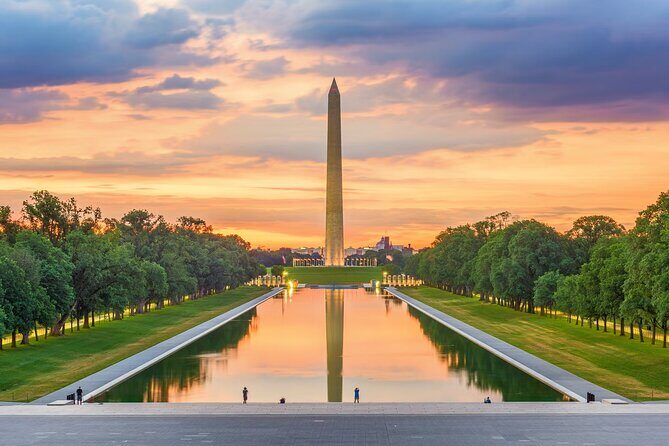
- Washington Monument and Lincoln Memorial views from the best vantage point: the river
- The Wharf stop, known for food and waterfront energy
- Live DJ entertainment that keeps the atmosphere upbeat
- Guaranteed table for your party size and room for up to 200 travelers
Why This DC Brunch Cruise Feels Different Than Land Sightseeing

DC is good at two things: iconic monuments and strong opinions about how to see them. This cruise leans into both, but it changes the geometry. From the water, Washington Monument and Lincoln Memorial don’t feel like distant pins on a map—they feel like part of your route.
The best part for me is that the experience is built around a simple rhythm: eat, sip, look out the window, then look out again. You don’t need to plan your day block-by-block. You trade some control for a smoother flow, which is exactly what I want on a short DC trip.
The other standout is the mix of “special occasion” drinks with a real sightseeing focus. You’re not just on a boat with a drink package—you’re on a boat designed to show you the views, including the Washington Monument and Lincoln Memorial as clear highlights.
The 2-Hour Schedule: How the Timing Shapes Your Experience

This is an about-2-hour cruise, and that time matters. In practice, it means you get enough time to settle in, enjoy brunch, and still have a real chance to take photos and enjoy the big sights without burning a whole day.
Boarding begins 30 minutes before departure, which tells you what the operator values: getting everyone settled and started on time. So if you’re the type who likes a relaxed arrival window, give yourself extra buffer anyway. Late arrivals are likely to miss the boat, and with a cruise, there’s no waiting around.
Inside, the cruise keeps moving through the day’s key viewpoints. You’ll also have a stop tied to The Wharf—DC’s waterfront neighborhood with restaurants, shops, hotels, and lots of people around. That gives you a nice balance: monuments for the big spectacle, then a more current, food-and-walk vibe.
Washington Monument Views: Why the River Angle Works

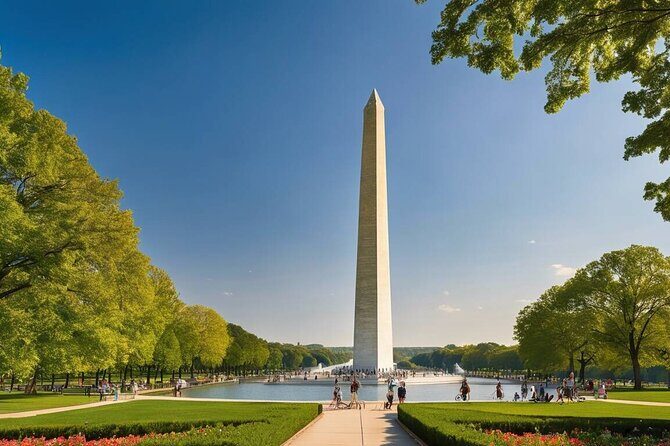
The Washington Monument is an obelisk on the National Mall, built to commemorate George Washington. Up close, it’s impressive in a very direct way. But from the water, it’s different: you’re seeing it with the surrounding city context, plus the natural lines created by the shoreline.
What you’ll like most is the simplicity of it. You don’t have to choose between “photograph the monument” and “enjoy your meal.” The cruise layout is set up so you can do both. As you pass the monument area, you’re also in a more open viewing space than typical pedestrian routes, which makes it easier to keep your attention on the sight instead of the crowd.
One small caution: if you only care about one perfect photo, this isn’t a dedicated photo charter. It’s a brunch cruise, so the experience is shared and timed. Bring patience, but do bring your camera.
Lincoln Memorial: A Classic Stop With a Fresh Perspective

The Lincoln Memorial honors Abraham Lincoln. It’s one of those DC anchors that people recognize instantly, even if they’ve never stood in front of it.
On the cruise, the value is that you’re not choosing between water-and-land. You get landmark viewing as part of your onboard time. The cruise itinerary includes this stop after the Washington Monument, so the pacing gives you a natural shift from one iconic symbol to the next.
From my perspective, Lincoln Memorial viewing on the water also helps you notice scale. It’s less about trying to “sprint to the best angle” and more about taking in the way the memorial fits into the broader waterfront and skyline scene.
If you’re a detail-only photographer, you might find yourself wanting more time at ground level. But if your goal is to get the DC icons in a day that doesn’t feel exhausting, this works.
The Wharf Stop: Waterfront Energy Beyond the Monuments
Then comes The Wharf, described as DC’s most exciting waterfront neighborhood. This is where the cruise mood can shift from formal landmarks to something more everyday and lively.
The Wharf is known for over 80 restaurants and shops, plus hotels and thousands of residents and workers. Translation for you: even if you don’t plan every meal, the area gives you options. It’s an easy place to continue your day after the cruise—or to just enjoy the feeling of a working waterfront with people moving through it.
This stop can be especially nice if you’re traveling with mixed interests. One person wants the monument photos. Another person wants somewhere they can wander, grab something to eat, and keep the vibe casual. The Wharf is built for that.
Brunch on Board: What You Actually Get (and What You Don’t)

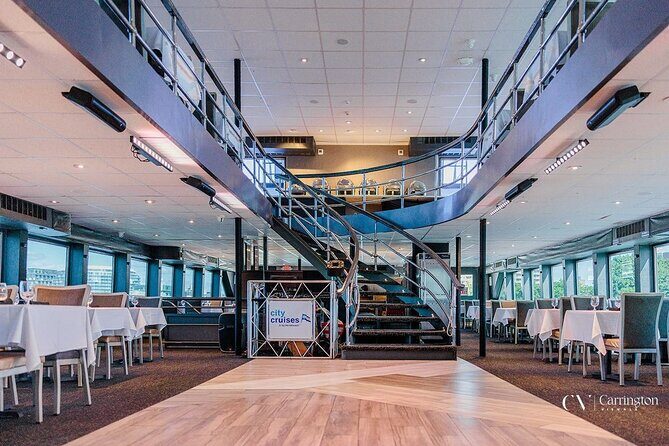
Your brunch includes freshly prepared entrees, salads, and desserts. You also get unlimited coffee, hot tea, iced tea, and water. On top of that, you get free-flowing champagne, mimosas, and sparkling cider.
This is a key value point: you’re not paying extra onboard just to have a basic drinks-and-meal setup. The cruise includes the core food and soft drink flow. Then it adds alcohol if you’re of age.
Now the part to know clearly: the cruise does not include alcoholic drinks beyond the free-flowing set described. If you want creative cocktails, wine, or beer, those come from the cash bar. So if you’re the type who orders different drinks through the cruise, you’ll likely spend a bit more. If you’re happy with mimosas and sparkling cider as your main choices, it stays very straightforward.
Also, it’s a live DJ atmosphere, so the whole meal tends to feel social. It’s not silent dining. If you’re on a date or catching up with friends, this is a plus.
Drinks, Age Rules, and the Cash Bar Reality

The free-flowing alcohol is part of the included experience, but only for travelers 21 years old and above. Guests under 21 can purchase non-alcoholic drinks.
If you’re traveling with family, this matters because the cruise has a clear policy. You’ll want to set expectations before you arrive so you aren’t stuck figuring it out at check-in. The cash bar is for cocktails, wine, and beer, but the included drinks are what you’re counting on for the brunch flow.
One practical takeaway: if you want beer or upgraded cocktails, plan for the cash bar. If you mostly want the brunch vibe, mimosas, and sparkling cider, you’ll likely find the included package is enough to keep you happy without extra decisions.
Live DJ + Guaranteed Table: The Comfort Factor You’ll Feel
A lot of cruises promise fun. This one adds structure.
You get a guaranteed table for your party size, which is a big deal on boats. Without a table guarantee, you can spend time negotiating seating rather than enjoying the sight. Here, the plan is to have you settled so you can start eating and sipping right away.
The live DJ entertainment also shapes the experience. It keeps energy up so the cruise doesn’t feel like a sightseeing shuffle. That’s great for groups, birthdays, or anyone who wants DC without the “sit quietly and listen to history” tone.
Group size is capped at 200 travelers, which suggests there’s room for energy without turning into a total cattle-car situation. Still, it’s not a private charter, so go in knowing you’ll be sharing the space.
Practical Tips That Will Save Your Cruise Day
A few details here are worth treating like a checklist.
First, bring a valid photo ID for all participating guests at check-in. This isn’t the kind of thing you want to scramble for at the dock.
Second, dress code is encouraged to stay casual and comfortable—think khakis, nice jeans, dresses, and casual button-up shirts or blouses. You’re on a boat, so your goal is easy movement, not formal wear.
Third, boarding begins 30 minutes before departure. You’re not just “encouraged” to arrive early—late arrivals are likely to miss the boat. If you’re hopping in from downtown, add buffer for traffic and parking.
Finally, double-check your reservation before you show up. One of the most frustrating travel problems is arriving ready to board and finding there’s no reservation linked to your name. If anything feels off in your confirmation, fix it early.
Who This Cruise Is Best For
This is a strong pick if you want:
- DC icons with less walking
- A social meal (DJ included)
- A “done-for-you” brunch setup with included drinks
- Views that feel special without requiring intense planning
You’ll probably enjoy it even more if you like meeting people or traveling with friends, because the vibe is designed to keep conversations going.
If you’re looking for a quiet, history-only tour with long stops for photos, this may feel a little too party-leaning. It’s a brunch cruise, not a lecture.
Should You Book City Cruises Signature Mimosa Brunch Cruise?
I’d book it if your trip goal is to see the Washington Monument and Lincoln Memorial from a new angle while eating a real brunch with unlimited coffee and tea. The included mimosas/champagne/sparkling cider plus a live DJ is a fun combo, and the guaranteed table takes away a common travel annoyance.
I’d skip it if you hate structured timing, dislike crowds of up to 200, or you mainly want deep, slow sightseeing. Also, if you’re the type who needs a single photo moment with lots of extra time, you may want to pair this with ground plans instead.
If you want DC to feel like an event day—not a checklist day—this cruise fits that mood really well. Just arrive early, have your photo ID ready, and plan on the cash bar if you’re aiming for beer or cocktails beyond the included options.
FAQ
How long is the Signature Mimosa Brunch Cruise?
It runs for about 2 hours.
Where is the meeting point for this cruise?
You meet at 580 Water St SW suite 300, Washington, DC 20024, USA.
What brunch items are included?
Freshly prepared entrees, salads, and desserts are included.
Are mimosas and champagne included?
Yes. The cruise includes free-flowing champagne, mimosas, and sparkling cider.
Is there a cash bar for additional drinks?
Yes. Creative cocktails, wine, and beer are available from a cash bar, but those are not included.
Can children attend, and are they included in the count?
Children 3 years old and under are free, but you should enter how many are attending so the cruise can accommodate them.
Do alcoholic drinks have an age requirement?
Yes. Alcoholic drinks are only served to travelers 21 years old and above.
Do I need a photo ID for check-in?
Yes. A valid photo ID is required for all participating guests at check-in.
When does boarding begin?
Boarding starts 30 minutes before departure. You should arrive early because late arrivals may miss the boat.
Is there free cancellation?
Yes. You can cancel for free up to 24 hours in advance for a full refund.
]]>Two things I really like: first, the live commentary is built for your stops, not just for the drive. In one great experience, the guide Bobby was fun and funny while still keeping things educational, which made the landmarks feel less like photos and more like places with stories. Second, the route is structured around the exact views most people want, including the White House from the north side and the National Mall area in one smooth sweep.
One thing to consider: this is focused on a set list of sights and time windows, so if your top priority is adding non-listed stops (like Arlington) or lingering longer at one place, you may feel boxed in. Also, it’s priced per group up to four, so if you’re traveling solo, it can feel pricey per person.
Key takeaways
- Private group up to 4 means less crowd stress and easier photo stops
- Hotel pickup and drop-off keeps you from wrestling with parking or transfers
- U.S. Capitol + White House north-side views via Lafayette Park and nearby buildings
- National Mall visit includes the U.S. Botanical Garden conservatory for a breath of green
- Memorial stops are timed for photos at Jefferson, Washington Monument, and Lincoln
- Good value when you split the group cost rather than going just one or two
The Private DC Loop That Saves You From Planning Headaches
This tour is designed for people who want the highlights in one go. You’ll travel in an air-conditioned minivan or coach, and the guide gives live commentary on the way and at stops. The format matters in Washington, DC: distances aren’t huge, but parking, security lines, and traffic make “winging it” less fun than you’d hope.
Because it’s private, the experience is calmer. You’re not stuck following a giant group or trying to hear over noise. And because the guide is there to explain what you’re seeing, the stops connect into a story instead of feeling like random monuments.
The tour is about 3 hours, with short timed windows at key sites. That’s a pro for first-timers or anyone on a tight schedule. It’s also why you should think of it as an orientation that helps you decide what to explore later on your own.
U.S. Capitol Stop: Northern White House Views and a Fast Check-In
You start at the U.S. Capitol area. One of the smart angles here is that your route is set up so you can see the northern side of the White House from the broader Capitol neighborhood. Along the way, you’ll also pass or view Lafayette Park, the Old Executive Office building, and the Treasury.
Your time at this stop is listed as 15 minutes, and admission is free. Don’t plan this as a deep dive. Instead, think of it as a quick “DC stage setting” moment: you’re getting a sense of how the city’s power centers line up spatially, so later memorials and museums feel more connected.
Practical tip: with only 15 minutes, keep your camera ready and decide in advance what you want—wide shots of the surroundings, or tighter photos of specific buildings and signage.
National Mall Time: Botanical Conservatory Views and the Mall Core
The heart of the tour is the National Mall segment. This part includes the National Mall and Memorial Parks and the U.S. Botanical Garden, including its conservatory setup that lets you look over vegetation.
Your time here is listed as 3 hours on the itinerary details, but the overall tour duration is around 3 hours. Either way, expect this to be the longest stop block of the day. In plain terms: this is where the tour slows down enough for you to see multiple landmarks clustered in one area.
Value-wise, the Botanical Garden conservatory is a useful twist. DC can be all stone and marble, all the time. Even on a short schedule, getting a change of pace helps break up the monument intensity. It’s also a nice option if the weather is doing whatever it wants—indoors-or-partly-covered viewing can make your photos and your mood better.
What you’ll likely enjoy most here is how the guide ties landmarks together. Without that context, the Mall can feel like you’re just walking a straight line between icons. With commentary, it becomes easier to remember what matters and why.
White House Stop: The Photo-Friendly North Side Setup
Next up is the White House area, with a listed 20 minutes and free admission. The most useful detail is that the viewing is set up so you can see the northern side of the White House, along with Lafayette Park, the Old Executive Office building, and the Treasury again as part of the viewing angles.
There’s also a mention of clients being able to explore the outskirts of the Blair House. So this stop isn’t just a drive-by moment. You’ll have time to get photos and take in the perimeter feel of the neighborhood around the President’s residence.
A quick reality check: a White House viewing experience can’t be the same as a museum-like visit. You’re not here for long interior exploration. You’re here for the exterior, the sightline, and the history explained in a way that makes the location click.
Jefferson Memorial and MLK Area: Tidal Basin Context You Can Use

The next stop is the Jefferson Memorial area, timed at 20 minutes. What you learn matters as much as what you see. The stop description highlights Martin Luther King and the impact of his leadership, and it places that story alongside the Tidal Basin area.
Tidal Basin is also the name most people hear around the cherry blossom season. Even if you’re not visiting in spring, it’s helpful to know that the water and the landscaping aren’t just background—they’re part of the city’s major seasonal rhythm.
You’ll also see the Thomas Jefferson Memorial itself, which is a major stop for first-time DC visitors. With only 20 minutes, you’ll get a photo window and a guided narrative, not an extended walking circuit. The goal is to help you orient: what you’re looking at, and how the memorial theme fits the broader DC story.
Washington Monument and Lincoln Memorial: Big Views, Best Photo Angles
The itinerary specifically calls out the Washington Monument, describing it as a 555-foot obelisk built to honor the first President, George Washington. This part of the tour gives you a chance to learn the basics while you look at the monument from the right vantage points for photos.
Then the tour ends with the Lincoln Memorial and the Reflecting Pool. This final stop is also listed at 20 minutes. It’s a classic photo setup for a reason: the reflecting pool gives you a visual symmetry that makes even quick snapshots look good.
If your feet feel tired by this point, don’t fight it. This is the kind of stop where you can relax into taking fewer but better photos. Stand, frame, and let the monument do the work.
Also note the tour ends back at the meeting point, so you’re not left scrambling to find your way after you’re finished.
Price and Logistics: What $496 Per Group Really Buys

The price is $496 per group (up to 4). That’s a key number, because private tours can feel either like a bargain or a splurge depending on group size.
If you fill all four spots, you’re effectively splitting the cost—around $124 per person before any extras. In that scenario, the value is clear: you get hotel pickup, a private guide, and a structured route that hits the big landmarks in about 3 hours.
If you’re traveling with fewer people, the math changes fast. You still get the convenience and the guide, but the per-person cost rises. One unhappy experience in the feedback highlights exactly this kind of mismatch: if you pay for a longer or fuller-feeling experience but don’t get the history and time you want, it can feel like money wasted.
So here’s how I’d think about the purchase: this tour is best when you want an efficient DC overview and you’re okay with short timed stops. If you want a slow, museum-style day, you’ll likely need a different plan.
Your Guide on the Road: Why the Commentary Makes It Worth It
This tour includes live commentary from a professional guide, and that’s where your experience can tip from nice to memorable. The guide helps connect what you’re seeing: which building is which, why the memorial themes matter, and how the layout of DC creates the sightlines you’re photographing.
In one of the stronger experiences, Bobby was described as fun, funny, and educational at the same time. That’s the ideal combo for this kind of tour. You want energy while still getting real context, so the sites don’t become background.
If you’re the type who likes to ask questions, private format helps. You’re not shouting across a crowd. You can also use the guide’s explanations to decide what to revisit later.
How to Get the Most From Short Stops (Without Burning Out)
The itinerary is built around short windows at each major landmark: about 15 to 20 minutes at several stops, plus the longer Mall area segment. That means you should show up ready to move.
A few practical moves help:
- Have your photo shot list ready: one wide shot, one landmark close-up, and one “context” photo showing surroundings.
- Wear comfy shoes. The tour isn’t described as a heavy hike, but it does cover multiple major outdoor areas.
- Bring patience for DC traffic patterns. Transfer time depends on time of day and traffic conditions.
- If you care about a specific extra stop not listed, ask early. The tour is focused on the listed DC sights, so don’t assume Arlington or other add-ons will fit.
Also, bottled water is included. Food and drinks are not, so plan to eat before or after.
Who Should Book This Tour (and Who Might Feel Frustrated)
This private DC tour is a great match if you:
- are here for the first time and want the big icons in one efficient route
- have limited time and want hotel pickup and a plan already made
- like being guided by a live person instead of reading signs in silence
- are traveling with up to four people and can split the cost
It may not be the best match if you:
- want a long, slow schedule with deep time at one site
- are hoping for extra DC regions not included in the listed stops
- are traveling solo and expect it to feel like an all-day deal
Think of it as an organized highlights tour. Use it to get your bearings fast, then build from there.
FAQ
How long is the private DC city tour?
It’s listed as about 3 hours (approx.). Transfer time can vary depending on the time of day and traffic conditions.
How many people are included in a private group?
The price is per group for up to 4 people.
Where does the tour start and end?
The tour starts at Hyatt Regency Washington on Capitol Hill, 400 New Jersey Ave NW, Washington, DC 20001, USA, and ends back at the meeting point.
Is hotel pickup included?
Yes. Hotel pickup and drop-off are included, and pickup is offered.
What sights are included in the tour?
The stops include the U.S. Capitol, the National Mall area (with the U.S. Botanical Garden and Memorial Parks), the White House area, the Jefferson Memorial area (including the MLK context and Tidal Basin), the Washington Monument, and the Lincoln Memorial.
Are admission tickets included?
For the Capitol and most memorial/outside-view stops, admission is listed as free. The National Mall segment is listed as having admission included.
Does the tour include a guide and commentary?
Yes. You’ll have live commentary on board from a professional guide.
What transportation is used?
You’ll ride in an air-conditioned minivan or coach.
Is food included?
No. Food and drinks are not included.
What’s the cancellation policy?
You can cancel for a full refund if you cancel up to 24 hours in advance of the experience start time. Free cancellation is offered under that window.
Should you book this private DC city tour?
Yes, if you want a clean, efficient DC highlights day with hotel pickup, a licensed guide, and short photo-friendly stops packed with context. The biggest win is the way it connects major landmarks—Capitol area views, National Mall sights including the Botanical Garden conservatory, then Jefferson, Washington Monument, and Lincoln—without you doing the planning math.
Skip it or plan differently if you expect a slow, deep, custom day or you want to add major destinations not listed in the stops. For many groups of two to four, the pricing feels reasonable for the convenience and the live guide; for a solo trip, it can start to feel like you’re paying premium money for time that stays tightly scheduled.
]]>One more real-world note: the Washington Monument is currently closed due to elevator renovations. Your guide can still help you time the rest of your loop, but plan for no monument visit on this outing.
Key highlights and why they matter
- Hotel pickup and drop-off from the greater DC area, so you start and end with zero logistics stress
- A private vehicle (sedan, SUV, or 15-passenger van), ideal for families and mixed-age groups
- Your interests drive the route, with prompts for art, architecture, history, and culture at booking
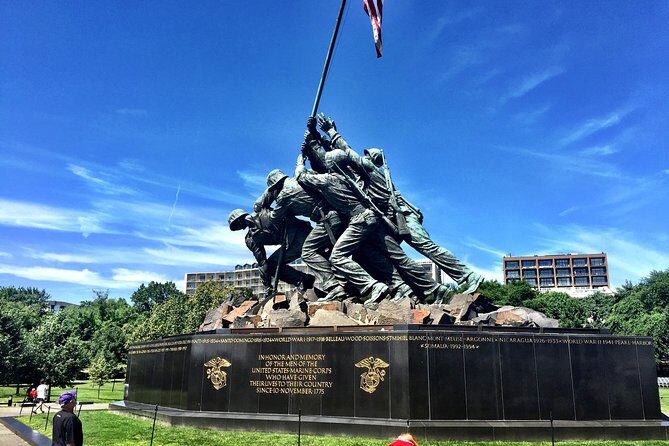
- War memorials with real meaning, including time at Vietnam Veterans Memorial and the Korean War’s statue reflections
- Plenty of photo windows, with short, timed stops where you can get out and reset
- White House viewing from the north side area, with guidance on what to look for (White House ticket not included)
Private Luxury Pickup That Gets You Off to a Fast Start
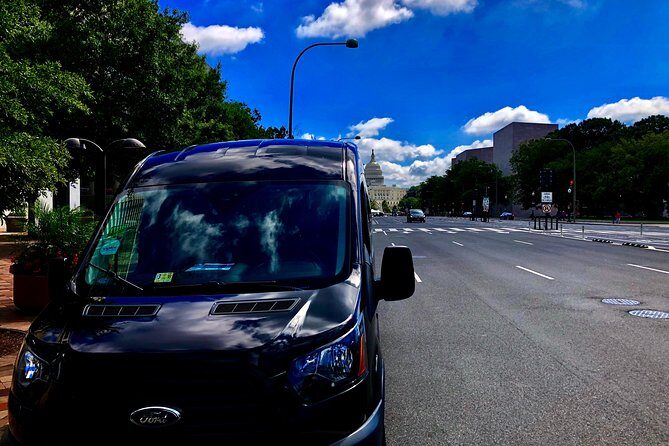
Washington, DC is easy to over-plan and hard to move through efficiently. This tour solves that by meeting you where you’re staying and putting you in a premium sedan, SUV, or 15-passenger van. If you’re traveling with teens, grandparents, or anyone who gets cranky when they have to “figure out the transit thing,” that car-based comfort is the whole point.
You’ll also get bottled water and a local guide who stays with your group the whole time. That matters because DC looks simple on a map, but the city’s details are what make it click: which building faces which street, where key viewpoints fall, and why certain memorials are placed where they are. The guide can answer on the spot instead of you guessing after you get there.
The tour starts at the Hyatt Regency Washington on Capitol Hill (and returns there), but pickup is available for hotels, vacation rentals, metro stations, and Airbnb spots across the greater DC area. That flexibility is a real value add in a city where “nearby” can mean 20 minutes or 60 minutes depending on timing.
Customization in a 3-Hour Window (and how to use it)
Three hours sounds short until you realize DC’s best photo stops can be packed closely—if you’re not wasting time. This experience is built around a tight, guided loop with timed stops, and the guide uses your input to shape what you see.
At booking, you’re asked to list special interests like art, architecture, history, and culture. Do this. It’s the difference between a generic drive-by and a story you can actually remember. If your group cares more about symbolism and architecture, ask for that. If you want civil rights and leadership impact, steer the conversation that way. A guide can’t read your mind, but they can prepare.
Be ready before the start time you choose. Even if your tour has a “scheduled” pickup moment, DC traffic and parking realities can tighten things quickly. The best way to enjoy this is to treat it like a timed intro class: show up early, ask questions fast, and let the guide keep the momentum.
One more planning piece: the Washington Monument is closed right now because of elevator renovations. The tour notes this clearly, so don’t expect any in-structure visit. Your guide will focus your time on other nearby landmarks and memorials instead.
White House Viewing: North Side, Lafayette Park, and Quick Photo Time
The White House is usually the first DC “wow” moment. Here, you’ll view it from an area that includes the northern side setting, plus nearby points like Lafayette Park and surrounding buildings. You also get time aimed at the classic sightline and photo opportunities.
Stop time is about 20 minutes, and the White House admission ticket is not included. That means you’re here for viewing and atmosphere, not for stepping inside. If seeing the interior is your goal, you’ll need a separate plan.
Why this stop works in a short tour: it gives you immediate orientation. You see the building in its real urban context, you understand why the surrounding park space matters, and you can connect what you’ve read with what you’re actually seeing. Even if you’re not a history fanatic, this is the place where DC stops feeling like trivia and starts feeling like a living government neighborhood.
Jefferson Memorial and Lincoln Memorial: Tidal Basin Views That Feel Made for Photos
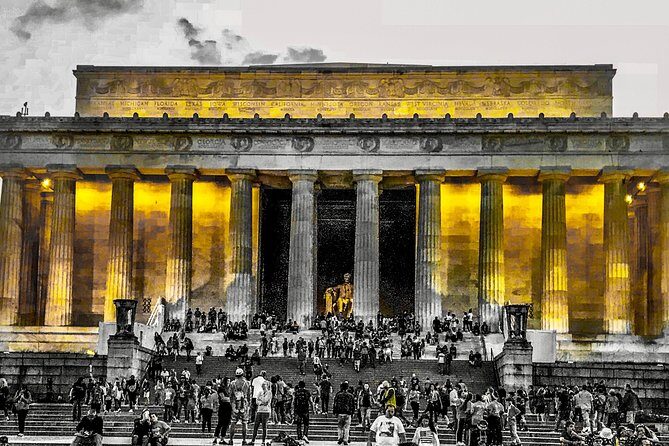
After the White House, you’ll head to the Tidal Basin area, where DC turns on its “slow down and look” lighting. First is the Jefferson Memorial, with a setting surrounded by Japanese cherry blossoms. The placement at the Tidal Basin is tied to the idea of the Age of Enlightenment and the memorial’s link to Thomas Jefferson.
You’ll get about 20 minutes, which is enough to take in the design and grab a few photos without feeling rushed. The big payoff here is understanding how landscape, symbolism, and national identity are blended. You’re not just standing in front of a building—you’re seeing why that spot was chosen.
Then it’s the Lincoln Memorial and the Reflecting Pool. This is one of those DC scenes where the photo usually looks better when you’re there in person. The Reflecting Pool is described as the largest among the reflecting pools in Washington, DC, and that scale is part of the effect. Again, you’ll have around 20 minutes, and you’ll get that key “stand, look, step back, frame it right” rhythm.
Practical tip: shoes matter. You’re doing short walks and frequent getting in/out of the vehicle. If your group has someone who tires fast, this is still manageable because stop times are controlled.
War Memorials on a Tight Schedule: Meaning, Names, and Design Details
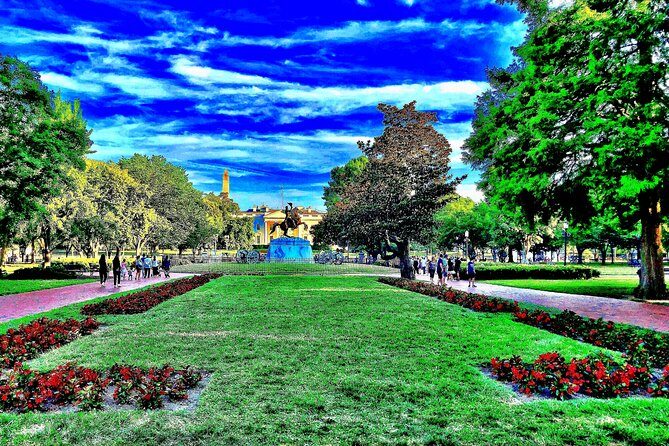
If you only do DC’s top attractions, you can miss the emotional core. This tour places real focus on war memorials, and it does it with enough stop time to actually read and notice details instead of just snapping pictures.
Vietnam Veterans Memorial and Nurses Memorial
At the Vietnam Veterans Memorial area, you’ll be able to explore the Vietnam Veterans Memorial and the Nurses Memorial. A striking detail here is the scale: over 58,000 names honoring those who participated. Stop time is about 15 minutes.
Fifteen minutes can sound too short until you realize what you can do in that window: find a name (if you’re looking for one), trace the shape from an angle that catches light well, and take in the memorial’s overall design. If your group likes history that’s personal and specific, this is the stop to lean into.
Korean War Veterans Memorial
Next is the Korean War Veterans Memorial, with time around 15 minutes. The design includes 19 stainless steel statues of the Korean division. A detail that’s worth listening for: the designer incorporated reflections so you get an illusion of 38 statues. That kind of engineering detail is exactly why a guide helps—design choices become stories instead of just metal and stone.
If your group includes teens, this stop often lands well because it mixes visual impact with a concrete explanation of how the illusion works.
World War II Memorial
Then comes the National World War II Memorial, also about 15 minutes. It’s built to remember those who fought in World War II, including context for allied countries and Axis powers. You may not stay long, but the structure is strong: you get enough time to absorb what the memorial is commemorating and to connect it to the broader DC memory places.
Martin Luther King Jr. Memorial and the Tidal Basin Connection
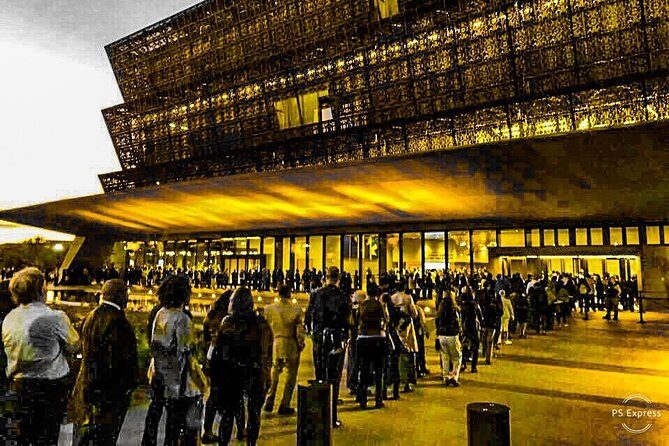
The Martin Luther King, Jr. Memorial stop is about 15 minutes, and it ties leadership impact directly to what you’re seeing. It’s also part of the same Tidal Basin area that’s closely associated with the cherry blossom season.
This is a powerful stop, but it can also be emotionally intense if your group is sensitive to themes of race, civil rights, and national change. The upside of this tour format is that your guide can pace the discussion and answer questions without you having to hunt down background info yourself.
Practical note: if you’re visiting outside spring, you’ll still get the memorial focus, but you won’t get the full “festival in full bloom” effect. Either way, it works as a meaningful capstone to the loop.
The Capitol and National Mall Area: Gardens, Conservatory Views, and Time Management
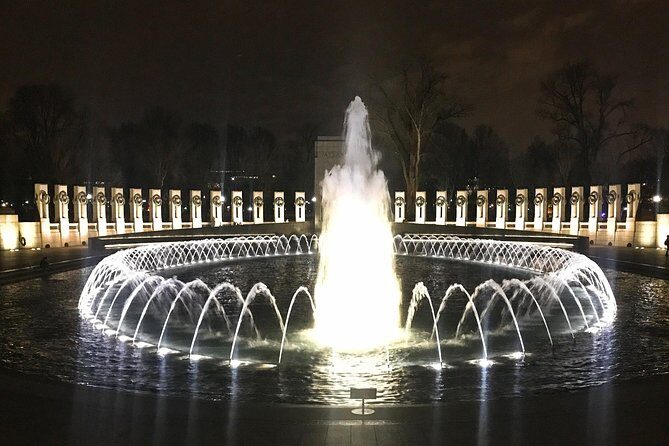
Part of the route includes the US Capitol area and the National Mall and Memorial Parks zone. This is also where you’ll see the United States Botanical Garden option, described as having a conservatory for overlooking vegetation.
Here’s the thing with short tours: the National Mall is huge in concept and wide in walking reality. This itinerary-style format handles that by pairing stops so you can get viewpoints and context without losing your whole day to transfers and long distances.
Also, because the Washington Monument is currently closed, your guide will be working around that reality. Don’t treat that as a disappointment—treat it as a prompt to ask your guide what to prioritize nearby so your time stays meaningful.
If your group is into architecture and civic planning, you’ll likely enjoy the Capitol-adjacent pieces because DC’s layout starts to feel logical rather than random.
Transportation Comfort That Can Actually Change Your Day

A private vehicle tour is only “luxury” if it feels comfortable at the times you least want friction. In this case, the vehicle size can scale to your group: sedan or SUV for smaller groups, or a larger van for bigger ones.
That choice matters for two reasons. First, you’re not stuck doing awkward spacing. Second, your guide can keep the pace without stopping for every little group need. The best day is when you spend your energy looking forward, not negotiating meeting points.
One honest caution from the experiences shared: one person was unhappy with vehicle cleanliness, and another said their day felt more like a drive than a guided experience. That’s not the usual theme, but it’s a reminder that guide quality and vehicle condition can vary. If you care about a strongly guided narration style, communicate what you want up front when you book.
Price and Value: Is $124 a Good Deal for DC?
At $124 per person, you’re paying for three things at once:
- a private guided experience
- transportation in a premium vehicle
- hotel pickup and drop-off from the greater DC area
Is it expensive compared to public transit? Yes, obviously. But DC’s “hidden costs” are time and stress. A private vehicle can save you from parking hunts, transit connections, and walking when everyone’s tired. If your group wants to see multiple major memorial areas in one go, this price can feel fair—especially if you’d otherwise pay for separate taxis or rides for each segment.
It also helps that stop times are structured. You’re not wandering around guessing how long you’ll spend. That’s valuable for families and mixed-age groups who don’t all want the same pace.
One watch-out: there’s a minimum of four people per booking. That affects value. If you’re booking as a couple or trio, check whether the tour can run with your group size as-is.
Who This Tour Suits Best (and who might want a different plan)
This tour is a good fit if you want:
- a guided first look at DC without long commutes or transit transfers
- memorial-focused sightseeing done in a time-efficient way
- customization based on your interests, not a one-size-fits-all lecture
It’s also a strong “start of trip” option. Get your bearings quickly, learn what matters to you, then decide what you want to return to later on foot.
You might want to skip or switch to a different style if:
- your group strongly dislikes any political commentary and you want strictly neutral, educational storytelling
- you expect long museum-style explanations at each stop (the format is short, timed, and photo-friendly)
- your group needs inside access to specific buildings beyond what’s noted (for example, the White House viewing stop does not include a ticket)
Practical Tips Before You Go
A few small moves help you enjoy the experience more:
- Ask for your guide’s emphasis when you get in the car. If you care about architecture, say so early.
- Wear comfortable shoes. Even “short” stops add up, especially around memorial areas.
- Bring a light layer. Weather changes fast in DC, and the tour runs in most weather conditions.
- Since the White House admission ticket isn’t included, think ahead if your group expects interior access.
Should You Book This Private DC Luxury Vehicle Tour?
I’d book it if you want a fast, guided orientation with a premium ride and the freedom to shape the focus toward history, architecture, and culture. The memorial sequence is one of the strongest parts of the experience because you’re given real time to notice design and meaning—especially at Vietnam and Korea-related sites.
I’d hesitate if your priority is inside access, long museum reading, or a very specific neutral tone with zero side commentary. This is a guide-led street-level tour. It’s powerful when the guide’s style matches your group.
If you’re trying to make the most of limited time in DC, this is a solid way to do it, with hotel pickup, private transport, and a lot of major sights in just a few hours.
FAQ
How long is the Washington DC city guided tour?
It runs for about 3 hours.
What is the price per person?
The price is $124.00 per person.
Is this tour private?
Yes. It’s a private tour/activity, and only your group participates.
Where is the meeting point, and is pickup available?
The tour starts at Hyatt Regency Washington on Capitol Hill (400 New Jersey Ave NW, Washington, DC 20001). Pickup is available from vacation rentals, hotels, metro stations, and Airbnb’s.
What language is the tour offered in?
The tour is offered in English.
Are tickets included for the White House?
No. The White House stop notes that an admission ticket is not included. Other listed memorial stops are free.
What vehicle will we ride in?
Depending on group size, you ride in a premium Sedan, SUV, or a 15-passenger van.
Is the Washington Monument included?
The Washington Monument is currently closed due to elevator renovations.
]]>The trade-off: it’s a tight schedule, so you’ll have less time for long museum stops or deep dives at any one site. Also, one lower rating flags that guide humor and political talk may not match everyone’s comfort level, so it’s worth setting your expectations up front.
Key highlights to know before you go
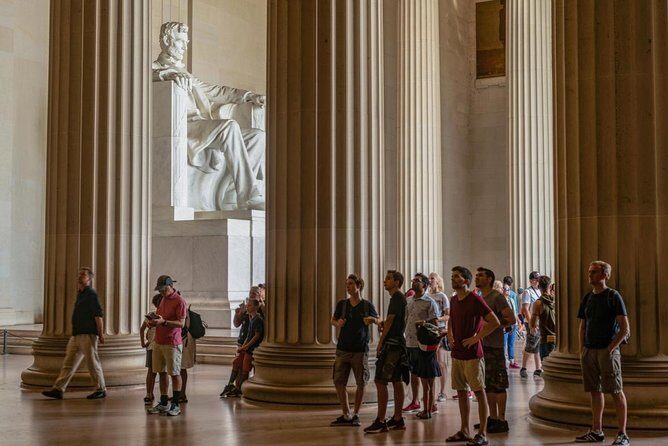
- Luxury van, private format: just your group, with a driver-guide who can adapt on the fly.
- Hotel pickup available across DC: you’re not tied to one rigid meeting spot.
- Four memorials plus the White House area: Lincoln, Jefferson, WWII, and FDR on the National Mall corridor.
- Capitol Campus included first: grounds, the dome view, and the Statue of Freedom from a good distance.
- Free admissions at every stop listed: the stops are structured to keep costs low and time efficient.
- Guides who use stories and humor: from Charles navigating inauguration-week road changes to Bobby using playful mnemonics.
How this 3-hour private van tour actually fits DC

This tour is built for people who want the DC “greatest hits” but don’t have hours to plan or stand in long transit lines. With a 3-hour private format, you start with pickup and you end back where you began—so your day stays simple.
The pacing is the biggest factor. Each of the six stops is listed for about 15 minutes, which works well for photos, quick context, and a short walk-through of key viewpoints. If you love to linger or you’re planning a major museum add-on, you’ll likely want a longer tour on a different day.
The upside of a private route: you can shape the stops around what you care about most. One guide-led experience is described as flexible with time to explore on your own, then returning when it’s time to move. That’s exactly the sweet spot if you want just enough independence without worrying about logistics.
From the Capitol grounds to the Statue of Freedom

You start at the U.S. Capitol area, around the broad Capitol Campus. The campus is part of why this stop feels more than just a building: it’s tied to surrounding landmarks like the House and Senate office buildings, the U.S. Botanic Garden, the Library of Congress, and the Supreme Court.
Your time is brief, but the details make it memorable. You’ll get the layout and what’s where before you get too close, then you’re pointed toward the Statue of Freedom, the 19-foot bronze female figure crowning the Capitol’s dome. Even if you’re taking photos, the viewing-first approach helps you understand the architecture, not just capture it.
A practical note: Capitol areas can involve security and controlled access depending on the day. Since the tour is designed around short stops, expect this to be more about viewpoints and orientation than a long inside visit.
The National Mall loop: Lincoln, Jefferson, WWII, and FDR
After the Capitol, you slide into the core memorial zone. This is where DC really does work in a “loop” plan—things are close enough that you can hit several major stops without spending your time commuting.
Lincoln Memorial: legends plus perspective
The Lincoln Memorial stop is designed to hit both emotion and context. It’s free to visit, and the memorial’s timeline is part of the story: planned as early as 1867, with the Henry Bacon design finished in 1912, and the memorial dedicated in 1922.
You also get the kind of storytelling that makes facts stick. A guide-style detail from feedback: a playful memory aid around presidents—like a simple way to remember Thomas Jefferson—helped a son remember the basics long after the tour ended. That kind of approach is ideal if your group includes kids or anyone who finds history dry.
Jefferson Memorial: the building story is worth the stop
The Jefferson Memorial is the next quick hit, with plenty to appreciate even in 15 minutes. The design is credited to John Russell Pope, construction began in 1939, it was completed in 1943, and then the bronze statue was added in 1947.
This stop is a good “breather” because the setting feels open and photo-friendly. If you want your tour to feel varied—more than just statues and names—this is one of the better spots to pause and look at the structure from multiple angles.
National World War II Memorial: pillars, arches, and the plaza
The National World War II Memorial has a different visual rhythm than the other three. It features 56 pillars and two arches surrounding a plaza and fountain. It sits on the National Mall, on the former site of the Rainbow Pool, positioned between the Lincoln Memorial and the Washington Monument.
Because your time is short, focus on the overall composition. The pillar design is the main “wow” element here, so walk in with the mindset of seeing the shape of the whole space, not trying to read every inscription in one go.
Franklin Delano Roosevelt Memorial: Fala’s presence and the landscape architect detail
The Franklin Delano Roosevelt Memorial is another presidential memorial with a distinct concept. It’s dedicated to Roosevelt and the First Lady, also including Fala, and it covers the eras of the Great Depression and World War II.
The design detail that makes the stop more interesting is the role of the landscape architect Lawrence Halprin. Even in a brief visit, it helps to know you’re not just looking at buildings—you’re seeing a designed “journey” through time and themes.
If the group includes anyone who loves architecture or design, FDR is the stop where that interest often clicks.
White House area: short stop, big payoff

The White House is listed as the final highlight, with a 15-minute stop and free admission. This is not a full visit inside (nothing in the tour description suggests that), but you do get the payoff most people want: a close look at the official residence and a chance to take photos and orient yourself on the surrounding streets.
It’s also a good capstone because the tour has been teaching you context all along: the Capitol’s symbolic power, then the memorials’ long shadow across US history, then the place where the presidency is based.
Practical expectation: the White House area can be sensitive to local traffic and security conditions. If your tour falls during a busy event period, your driver’s job is to keep you moving between stops without turning the day into a parking lot.
Customization: what you can steer and how to ask

This is described as a private sightseeing tour that you can customize for your group. That means the big landmarks are in the plan, but you’re not locked into a one-size-fits-all script.
To make customization actually work, I’d go in with two things ready:
- What you most want to see: pick your top 2 or 3 priorities.
- What you definitely don’t want: museums with long waits, heavy walking, or anything that feels like too much.
One piece of feedback points to guides giving time for you to explore briefly on your own, then returning you to the van at the right time. That’s a useful way to customize without breaking the schedule.
Also, if your group includes a kid, you might love guides who use mnemonics or quick humor to make names and timelines easier. One guide was praised for using playful, memorable ways to help a child remember topics related to Thomas Jefferson and the rest of the presidential arc.
Price and value: is $124 per person worth it?

At $124 per person for about 3 hours, the value depends on what you’d otherwise spend time and effort on. If you’re trying to piece together rideshare, multiple transit legs, and a general overview of the National Mall, paying for private transport and a guide can save real hours.
What you’re buying here is:
- Private vehicle time focused on the DC core
- Pickup and drop-off included, with availability to pick you up from any location in Washington, DC
- A plan that hits major sites with free admission listed for each stop
The “luxury van” label is part of the pitch, and there’s a caution from one low rating. That review says the vehicle expectation (mentions of Cadillac or Mercedes) wasn’t met and a well-worn Ford was used instead. You should treat vehicle quality as variable, and if having a specific brand matters to you, ask in advance what your group will receive.
The guides: why their style changes the whole trip

Because this is private, the guide’s approach makes a noticeable difference.
In feedback, Charles is described as on time, friendly, and careful about logistics—like letting the group know where the van would be parked and navigating around road changes during inauguration weekend. That kind of competence matters more in DC than people expect, because events can change traffic fast.
Other guides are praised for keeping things lively and fun. Bobby is specifically called out for humor, answering questions, and using entertaining teaching methods. Frank is noted for giving time to get out and explore and then picking the group back up. Bobbie is praised for going above and beyond when something was left on the bus, with help arriving hours later.
That’s the key: in a short tour, your guide’s clarity and pacing are not fluff. They’re what turn 15 minutes per stop into an actually useful experience.
A balanced watch-out list (so your tour matches your vibe)

Two issues show up in feedback, and both are worth taking seriously.
First, one low rating says the guide talked about topics like BLM, Jan 6, and included offensive Muslim jokes, and the group didn’t want political or religious humor. That’s not guaranteed behavior—but it’s a clear reminder that humor and personal views can leak into guiding.
Second, another review mentions joke-cursing at the start and suggests adding a family all-adults option. If your group includes kids or if you prefer a calmer tone, consider requesting a more family-friendly or non-political narration style when you book.
Finally, the vehicle-brand mismatch note is another reason to set expectations. Luxury is subjective, but you can reduce surprises by asking what the van will be like for your specific date and group size.
Who should book this tour
This tour is ideal if you:
- Have limited time in DC and want the main memorial corridor plus the Capitol area
- Prefer private comfort over crowded buses
- Like getting orientation and context, not just reading plaques for yourself
- Want to keep transportation easy with pickup and drop-off
It’s also a strong fit for families who want structured stops with quick storytelling, as long as your group is comfortable with the guide tone. If you’re very strict about humor or political talk, you’ll want to set that early.
Should you book this 3-hour customizable DC tour?
If you want a DC overview that’s organized, private, and built around the National Mall highlights, I think this is a smart booking. The biggest strength is the structure: six major stops, free admissions listed, and a format that saves you from planning a whole day around transit and parking.
Still, don’t ignore the two cautions: guide tone/politics and vehicle expectations. If you’re the type who needs a calm, family-first narration, or you care a lot about the exact vehicle quality, send a quick note before booking so your experience matches what you want.
Overall, for a first DC trip or a return visit when you want a fast, guided loop, this tour makes it easy to get your bearings and enjoy the highlights without turning your schedule into chaos.
FAQ
How long is the Washington DC city tour?
The tour lasts about 3 hours.
Is this tour private or shared with other groups?
It’s a private tour/activity, so only your group participates.
Do you offer pickup from my hotel or other location?
Yes. Complimentary pickup and drop-off are offered, and you can be picked up from any location in Washington, D.C.
What are the main stops on the itinerary?
The tour stops include the U.S. Capitol, Lincoln Memorial, Jefferson Memorial, National World War II Memorial, Franklin Delano Roosevelt Memorial, and the White House.
Is admission free for these stops?
Admission tickets are listed as free for the stops included on the tour.
What language is the tour offered in?
The tour is offered in English.
What is included in the price, and what is not included?
Included: private sightseeing tour in a luxury vehicle, complimentary pickup and drop-off, and customizable options for your group. Not included: food and beverages.
What is the cancellation policy?
Free cancellation is available. You can cancel up to 24 hours in advance for a full refund.
]]>Two things really stand out for me: the photo-friendly timing (each main stop gets about 15 minutes) and the in-vehicle storytelling that helps you connect the dots instead of just snapping pictures. One drawback to keep in mind: the guide style can vary by day—some commentary is punchy and fast, and if you prefer slower, more conversational pacing, you’ll want to go in with flexible expectations.
Key things to notice before you ride
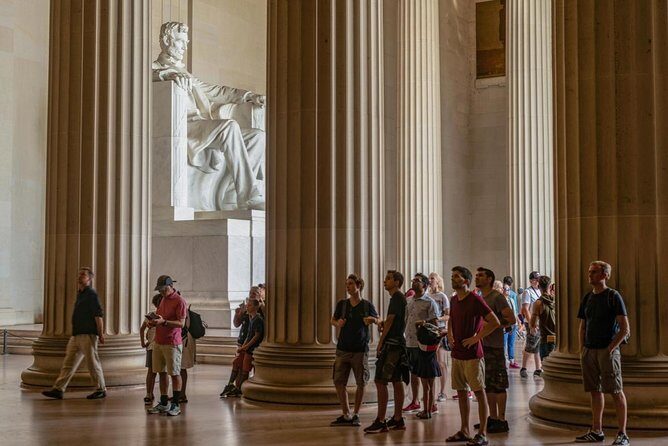
- A tight 3-hour route with about 15 minutes per big landmark stop
- Air-conditioned minibus comfort is a common praise point in hot-weather reviews
- Live driver/guide commentary can include interactive moments like quick quizzes on some departures
- Admission isn’t included at the major stops, so plan for that if you want to go inside
- Smaller group than you might expect (max 60 travelers), which can feel more manageable for photos
DC monuments in 3 hours, without the stress

Washington can feel like a homework assignment when you’re trying to cover the highlights. This tour is designed to solve that problem with a simple promise: you’ll get a fast, well-paced sweep of the core monuments and memorials in about three hours. You’re not racing across the city all day, and you’re not stuck waiting around with nothing to do.
I also appreciate that it’s not just “look at that building.” The stops are chosen so you understand DC’s shape: government (Capitol), executive power (White House), national memory (Lincoln), and a modern global war monument (World War II). Once you learn the geography, your next museum day gets easier.
Price and group size: what $49 really means

At $49 per person, the value here depends on one thing: how much you want a guided orientation. If you already know DC well, you might feel the price is more about convenience than need. If you’re new, or you only have a day or two, that $49 buys you less wandering and more efficient sightseeing.
The tour caps at 60 travelers and runs in a shared vehicle. That size usually helps keep the experience social but not chaotic. It also means you’ll be able to take photos at each stop without a total crush of bodies surrounding you at once—especially since you get set time windows.
Where you meet: New Jersey Avenue at 10:30

You start at 400 New Jersey Ave NW, Washington, DC 20001, with a 10:30am departure, and you return to the same meeting point at the end. For planning, this matters because it keeps your travel logistics straightforward: you’re not trying to line up a second pickup or figure out how to get back across town.
In practice, arrive a few minutes early and scan for your group. This is one of those tours where the whole schedule is built around staying on time—your 15-minute stop windows rely on it.
Inside the U.S. Capitol stop: more than a photo backdrop
The tour’s first major stop is the U.S. Capitol and its surrounding Capitol Campus. Even from outside, there’s a lot to take in: the Capitol Campus is set within a 450-acre area that includes places like the House and Senate office buildings, the U.S. Botanic Garden, the Library of Congress, and the Supreme Court. Then there are the landscaped grounds: 59 acres arranged with an original design dating to 1892 by Frederick Law Olmsted, the same mind behind Central Park’s planning.
My favorite practical part of this stop is that the guide context helps you notice what you’d otherwise miss. The building is the headline, but the grounds are the story. With winding paths and memorial trees, it’s a good place to slow down for a moment—even if you only have 15 minutes.
Right before you get too close, you’ll also stand back to take in the dome’s Statue of Freedom—a 19-foot-tall bronze female figure crowning the Capitol. It’s one of those details that looks small until you’re standing near it, and it’s an easy way to get great angles for photos.
One consideration: this stop comes with 15 minutes and no admission ticket included, so treat it as a viewing and orientation stop rather than a full inside visit.
The White House at a glance: design details you can actually remember

Next up is the White House at 1600 Pennsylvania Avenue NW. It’s the official residence and workplace of the U.S. President, and what I like here is that the guide can turn a famous facade into something more specific and memorable.
You’ll hear the basics that help you place it historically and architecturally:
- The building was designed by James Hoban, who was Irish-born.
- It was built between 1792 and 1800 in the Neoclassical style using white-painted Aquia sandstone.
- Every U.S. president has lived there since John Adams.
- When Thomas Jefferson moved in in 1801, he expanded the building outward with architect Benjamin Henry Latrobe, including two colonnades meant to hide stables and storage.
Those details sound like trivia until you’re on the street looking at the structure. Then they stick. This is a good stop if you want quick context without committing your day to a timed tour or long security process.
Like the Capitol, your stop time is about 15 minutes and admission isn’t included, so you’re not arriving expecting an inside visit.
Lincoln Memorial: planning timeline that adds weight to the visit
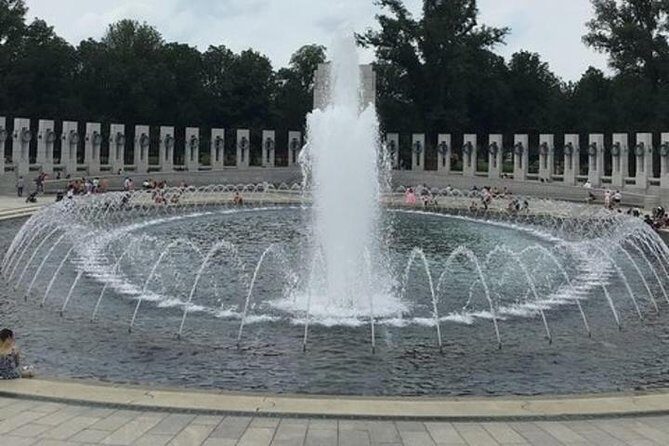
The Lincoln Memorial stop is the one that tends to hit hardest for people who like meaning in their sightseeing. It’s a tribute to America’s 16th president and draws millions of visitors each year.
The reason the guide commentary matters so much here is the story behind the building itself. The memorial was planned as early as 1867, two years after Lincoln’s death, but the design by Henry Bacon wasn’t completed until 1912. It was finally dedicated in 1922. That long timeline changes how you see it. You’re not just looking at a monument; you’re seeing the slower process of national memory.
Some departures also lean into the legend and story side. Even if you don’t care about the legends, the memorial’s scale and setting make it a strong photo stop with emotional weight.
As usual, the practical side is 15 minutes and no admission included. Plan to spend that time wisely: wide shots first, then step into your angle and let the guide explain what you’re looking at.
WWII Memorial: the 56 pillars and the plaza layout
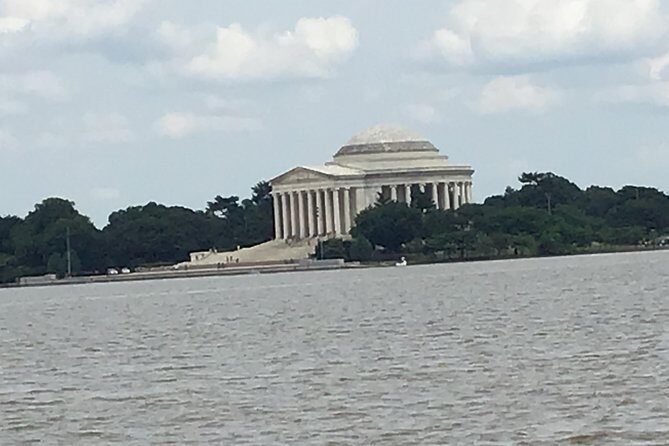
The final headline stop is the National World War II Memorial, dedicated to Americans who served in World War II, including armed forces and civilians. This one is designed around repetition and symmetry, and the structure gives you something easy to interpret quickly.
Here’s what makes it stand out:
- It has 56 pillars.
- There are two arches framing a plaza and fountain.
- It sits on the National Mall, on the former site of the Rainbow Pool, at the eastern end of the Reflecting Pool.
- It’s between the Lincoln Memorial and the Washington Monument.
In plain terms: once you understand the placement, you can “read” the Memorial’s layout fast. That makes your photos better and helps you feel less lost on the Mall.
You’ll have about 15 minutes here as well, so the best use is to get a wide shot, then circle for a closer angle of the pillars and arches while you still have time.
How the commentary style affects your experience
One theme from the best moments on this tour is the guide’s ability to turn famous sights into something you can explain later. In the reviews included with this tour, several guides earned extra praise for being friendly, funny, and interactive.
Names that came up include Ali, Craig Bell, and Bobby, and the common thread is that the tour can feel lively rather than like a nonstop lecture. Some guides also add group participation like quizzing you on the bus and handing out small prizes, which is a smart way to keep kids engaged and adults paying attention.
Still, not every departure is a perfect match for every travel style. One review described a guide pacing that felt more like fast fact-dumping than storytelling, and another mentioned trouble understanding the guide’s delivery. The takeaway for you: if you hate rushed narration, don’t count on everything being delivered at your exact preferred speed. You can, however, rely on the fact that it’s built around commentary as a core part of the value.
Photo time: 15 minutes sounds short, but it works if you plan
Each main stop is 15 minutes, and that timebox is the reason this tour is great for orientation and highlights. It’s also the reason you should come ready to move.
Here’s how I’d use the time so you don’t feel rushed:
- Take one wide shot first to anchor your memory.
- Then focus on the detail the guide points out (Statue of Freedom, a White House architectural element, a specific Lincoln feature, a pattern of WWII pillars).
- Leave a little buffer at the end in case your group needs to regroup for the next ride.
Also, bring realistic expectations: this is shared transportation, so you can’t treat it like a private photography session. But the stop timing is frequent enough that you still get multiple chances to capture the big scenes.
Getting real value: orientation for your next day
The biggest practical payoff of a tour like this is that it helps you navigate later without friction. After you’ve seen the Capitol area, the White House corridor, and the Mall memorial cluster, the city becomes more legible.
You’ll also likely understand why a lot of DC sightseeing is organized in loops. Lincoln Memorial and the World War II Memorial are especially helpful anchors because they sit along a major walk-and-photo axis between other big landmarks. Once you grasp that, you can plan museum visits or additional monument stops on your own with less guesswork.
If you’re wondering about extra stops
The tour listing centers on four headline stops: Capitol, White House, Lincoln Memorial, and the WWII Memorial. But there are also mentions in the experience record of other nearby memorials being included on some runs, such as FDR, Korea War, and MLK memorial areas.
Because exact routing details aren’t guaranteed in the information provided, I’d treat those as potential bonuses, not a promise. Still, it’s encouraging because it suggests the guides know how to flex within the overall time window.
Vehicle expectations: minibus comfort, but check the style
Most reviews talk about comfort and practical features like an air-conditioned bus—which matters in summer heat. The group is capped at 60, so it’s not the giant-coach vibe some people fear.
One caution: a review also noted that a passenger expected an open-top style but got a different vehicle format. Another booking described a change in vehicle type when an electric car didn’t show up. These sound like rare issues, but they’re reminders to check what you’re signing up for and keep your schedule flexible.
Who this tour suits best
This guided minibus tour is a strong fit if:
- You’re visiting DC for the first time and want quick orientation.
- You have a tight schedule and can’t justify a full-day monument marathon.
- You like having a guide explain why a monument matters, not just where it is.
- You want comfort and structure, with built-in time windows for photos.
It’s a weaker fit if:
- You want lots of inside access (since admission isn’t included and the stops are short).
- You prefer slower, more conversational pacing every minute of the tour.
- You want deep stops at fewer locations rather than quick hits at many.
Should you book this DC Monuments & Memorials guided minibus tour?
I’d book it if you want a high-efficiency DC highlights pass and you’re okay with not going inside the major sights. For the price, the best part is the combo of short stop windows, guided commentary, and comfort—especially if you’re traveling during hot weather.
If you’re the type who gets annoyed by rushed narration, or you know you’ll want to spend more time lingering at Lincoln or the WWII Memorial, consider pairing this with another half-day on your own. That way you get the orientation now and the slower emotional time later.
FAQ
What’s the duration of the DC Monuments & Memorials Guided Minibus City Tour?
It runs for about 3 hours.
Where does the tour start and where does it end?
It starts at 400 New Jersey Ave NW, Washington, DC 20001 and ends back at the same meeting point.
What are the main stops on the tour?
The tour stops at the U.S. Capitol, the White House, the Lincoln Memorial, and the National World War II Memorial.
Is admission included for the attractions?
No. The information provided notes admission tickets are not included for the stops listed.
What’s included in the price?
The tour includes a driver/guide. You’ll receive a mobile ticket, and the tour is offered in English.
Is free cancellation available?
Yes. You can cancel for a full refund up to 24 hours before the experience start time.
]]>You start early at the Supreme Court, then spend the day hopping between major landmarks with a bus plus a couple guided walking blocks. You get time for photo stops at the White House area and the Martin Luther King Jr. Memorial, along with serious memorial time on the National Mall. The group max is 40, which helps you feel like you’re not just herded with the whole planet.
Guides make a big difference here, and the names I’ve heard people mention include Dwayne, James, and Tyrone Ty. If you like a guide who can connect facts to what you’re seeing—especially at Arlington—this tour is a strong match. Just know not every stop is an “in” visit; some are outside pass-bys where you’ll be looking, snapping, and moving on.
Key things that make this DC day tour feel worth it

- Inside access to the US Capitol with security, an orientation film, and an official guided tour using headsets
- Arlington Cemetery with a real walking guide plus time for the Kennedy gravesites and ceremonial moments
- The Changing of the Guards and the Tomb of the Unknown Soldier as core parts of the day, not side quests
- National Mall photo stops that save you the driving stress, including White House and Martin Luther King Jr.
- A smallish group size (up to 40) that keeps the pace human and the questions possible
Booking and value: what $175 gets you in real life
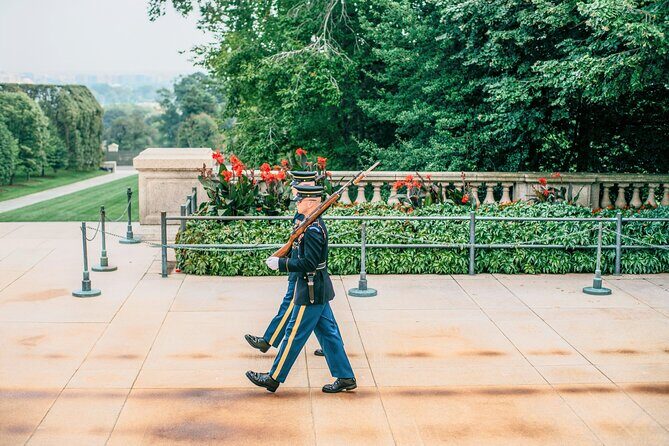
At $175 per person for about 8 hours, this tour costs about the same as two paid museum tickets plus a lot of bus hassle—except you’re getting more than tickets. You’re buying two guided experiences that matter: the inside US Capitol visit and the guided Arlington National Cemetery walk. Those are the hard parts for many first-time visitors, because both involve security, tight schedules, and a lot of walking on your feet.
What makes the price feel more reasonable is that the big attractions aren’t just scenic stops. You get entry where it counts: the US Capitol is included, and Arlington’s walk includes key access points like the Kennedy gravesites and the Tomb of the Unknown Soldier experience. There’s also an entry component for the Library of Congress (or the Capitol Museum when the Library of Congress is closed on Mondays), which helps round out the day beyond just the outside views.
Still, it’s not a luxury private tour. The day runs on a schedule, and some landmark time is intentionally short. If you’re the type who wants to linger for 45 minutes at every monument, you may feel rushed. If you want the best overview with official context, you’ll likely feel satisfied.
Starting at the Supreme Court: how the day actually flows

Your day starts at 8:00 am at the Supreme Court of the United States, 1 First St NE, Washington, DC 20543. You don’t get hotel pickup, so plan to arrive a little early, especially if you’re using public transportation.
The tour ends at Arlington National Cemetery in Arlington, VA. That matters because you’ll want a plan for getting back after the last walk. I’d budget extra time for transit on the way home; Arlington is easy to reach, but leaving right after a ceremonial walk can mean crowds.
There’s no secret trick here: it’s a bus day plus a walking day. The tour notes call for moderate physical fitness, with “good amount of walking and standing.” Comfortable shoes aren’t optional. This is one of those tours where your legs will do the remembering even if your phone can’t.
Capitol Hill build-up: memorials, statues, and first lessons on DC power
Before you reach the Capitol itself, you start by setting the tone of Washington—politics, war, and symbolism.
You’ll pass by the US Supreme Court with a live guide who explains how the high court fits into American life, with emphasis on key facts and cases. Even a quick stop helps because it frames what you’ll see next at the Capitol.
Then you hit the Vietnam Veterans Memorial and the Korean War memorials. The scheduled time is short, about 10 minutes, and admission is free. But don’t underestimate how much emotion fits into a quick visit here. The guide’s role becomes important: they help you understand what you’re looking at, so it doesn’t feel like you’re just moving past names.
After that comes a standout visual: the equestrian statue that’s described as one of the largest equestrian statues in the world, with a sculptor who took 20 years to complete it. That kind of detail is exactly why a guided tour helps—you start noticing scale and intention, not just bronze.
The US Capitol interior with headsets: what to expect and what to watch for

This is the big centerpiece: the US Capitol entry and official guided tour, scheduled for about 2 hours.
Here’s how it typically feels once you arrive: you go through security, get a short break, watch an orientation film, and then join the guided Capitol tour with headsets. Headsets are a big deal in a place like this, because sound carries unevenly and you won’t have to crane your neck to catch every word.
Inside, you can expect key rooms such as:
- The Crypt
- The Rotunda
- National Statuary Hall
Sometimes you may also see the Old Supreme Court or Old Senate Chambers, depending on what’s operating. The Rotunda fresco is described as The Apotheosis of Washington, and it sits about 180 feet above the floor. That height changes how you look at it. It’s not just “pretty art.” It’s propaganda, belief, and design working together.
The Crypt is also worth leaning into. It was originally intended for Washington’s burial, so it carries a “planned but not happened” weight. Even if your knowledge of early US history is basic, the guide should connect the symbolism to the building’s purpose.
One real consideration: the government can close or cancel Capitol tours without advanced notice. The tour provider flags this clearly, so it’s smart to mentally treat the Capitol interior as the highlight, but not a guaranteed final-moment certainty.
Library of Congress plus quick passes: saving time without losing the feel

After Capitol Hill, the schedule keeps moving—on purpose.
You’ll pass by the Library of Congress briefly, then the tour includes entry to the Library of Congress. If it’s closed on Mondays, you’ll enter the Capitol Museum instead. That swap is useful because it reduces the chance the day turns into a “walk only” version of itself.
Even when you’re not standing inside a museum moment-by-moment, the bus pass-by sections matter. You’re getting the geography of DC in context: where institutions sit, how the Mall opens out, and what landmarks line up with each other.
The White House, Lincoln Memorial, and the National Mall run
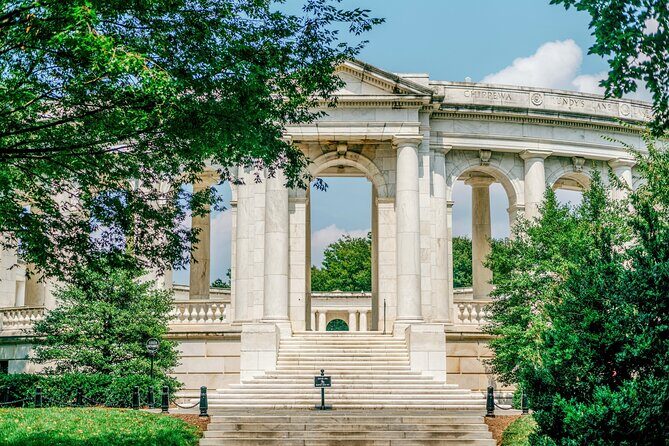
This part is your “get your bearings fast” zone—DC’s postcard icons, with just enough time to see them properly before you move on.
You get a photo stop at the White House area, about 15 minutes, and it’s outside (no admission included here). It’s still valuable because it positions the rest of the day. You can finally see how the Mall relates to the seats of power you just learned about on Capitol Hill.
Next up is the Lincoln Memorial, with about 15 minutes for visiting and viewing nearby landmarks. Admission is free. The memorial is a place where a guide’s framing makes the difference. If you understand the message the site is designed to deliver—rather than just reading names and dates—you tend to “see it” instead of just “looking at it.”
Then you go to the National World War II Memorial, with about 10 minutes, plus the Washington Monument pass-by. Admission is free for both the World War II Memorial and many Mall sites in the schedule. Even quick stops here help because the monuments work as a series. You start noticing how DC tells stories of conflict and remembrance in different styles.
Martin Luther King Jr. Memorial and the Tidal Basin moment

The Martin Luther King Jr. Memorial stop is scheduled around 10 minutes, and admission is free. You’ll be seeing the memorial area, plus the Tidal Basin and the nearby cherry blossom trees.
Even if you visit when it’s not peak blossom season, the structure of the site and the layout around the water still give you a strong sense of place. A short time can feel limiting, but it’s long enough to orient yourself, grab a few solid photos, and understand the story the memorial is built to tell.
Arlington Cemetery walk: Kennedy, Changing of the Guards, and the Tomb
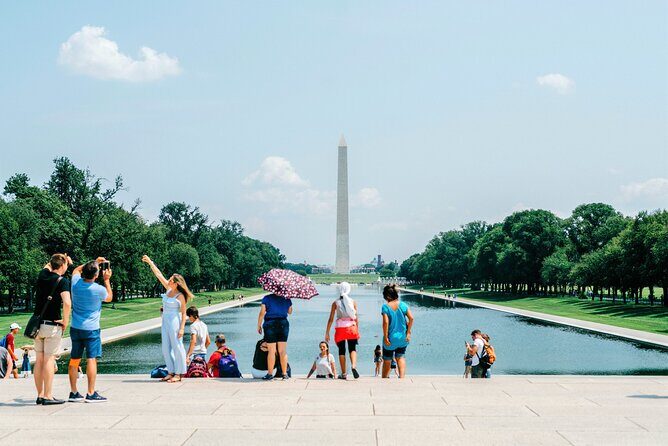
This is the section many people care about most, and it’s where the tour earns its reputation.
You get about 2 hours of guided walking through Arlington National Cemetery, with key sights included:
- JFK family gravesites
- Changing of the Guard
- The Tomb of the Unknown Soldier
- Time to view JFK’s Eternal Flame
You’ll walk the grounds with a guide who explains what you’re looking at and why it matters, including details around the Kennedy gravesite and the eternal flame. The Eternal Flame isn’t just a visual. It’s a symbol with a specific meaning and a schedule of care that ties the site to remembrance.
You’ll also see the Tomb of the Unknown Soldier during the Arlington walk and/or as a dedicated stop later on the route (the schedule lists the tomb at around 10 minutes). The Changing of the Guards is the ceremonial moment people wait for, and it’s built into the plan, not something you scramble to find on your own.
One important practical note: Arlington isn’t a place you “speed through.” Even when time is finite, it’s worth showing respect and moving at a thoughtful pace. This is one of the few parts of the day where slowing down is actually the best strategy.
Comfort and logistics tips that keep the day smooth
This tour is doable, but it runs on rules and timing.
Bring:
- Comfortable shoes. You’ll be standing, walking, and queuing more than you might expect for an 8-hour schedule.
- A good layer. Weather in Washington can shift quickly, and you’ll be outdoors for photo stops and parts of the memorial routes.
For the US Capitol, there are restrictions:
- No outside food and beverages
- No bags larger than 18 x 14 x 8.5 inches
If you show up with a bag that’s too big, it can turn a smooth morning into a stressful detour. Pack light and follow the size limits.
Also, keep your expectations realistic about stop lengths. Some sights are short pass-bys, some are visits, and a couple are guided. The “value” of this format is that you see more without the planning burden. The trade-off is that you don’t get to turn DC into your personal museum pace.
Who this DC day tour is best for
This works especially well if:
- You’re a first-time visitor and want a structured overview with official context
- You care about the US Capitol and want it handled with headsets and guided narration
- You want Arlington National Cemetery with a guide explaining symbols, ceremonies, and the Kennedy gravesites
- You prefer bus-based sightseeing over navigating DC traffic and parking
It may be less ideal if:
- You want lots of long, independent time at each stop
- You hate security lines and controlled schedules
- You’re hoping for multiple “inside” museum visits beyond what’s included
Should you book this US Capitol entry plus Arlington Cemetery tour?
I’d book it if your priority list includes the inside US Capitol experience and you truly want Arlington Cemetery done the right way, with the Changing of the Guards and a guided walk that makes the memorials feel connected instead of random.
Here’s how to make your decision with confidence:
- If you value guidance and ceremonies, this is a strong match for your day.
- If you’re trying to minimize walking, you might struggle with the “bus plus memorial walks” format.
- If the Capitol interior is your absolute must-do, keep in mind the tour notes say it can be closed or canceled without advanced notice.
If you want a packed DC day that’s heavy on meaning and light on transportation stress, this is one of the better ways to do it.
]]>For $59 per person, you’re paying mostly for convenience: pickup by air-conditioned coach or minivan, transport between sights, and a guide who ties everything together as you go. Most listed stops are free to enter, so your money goes toward narration and getting you close enough to make photos (and quick memories) work.
Key things that make this DC tour worth your time

- Live narration that keeps the pace moving so you don’t waste time guessing what you’re looking at
- Free-entry stops built around DC’s core political and memorial zones
- Short walking windows that fit families and first-timers who want the highlights fast
- North-side White House focus plus Lafayette Park and nearby executive buildings
- Maximum group size of 60, with professional guide management reported across many departures
- Weather-ready format that still runs in all conditions
3 Hours That Fit the DC You Actually Want
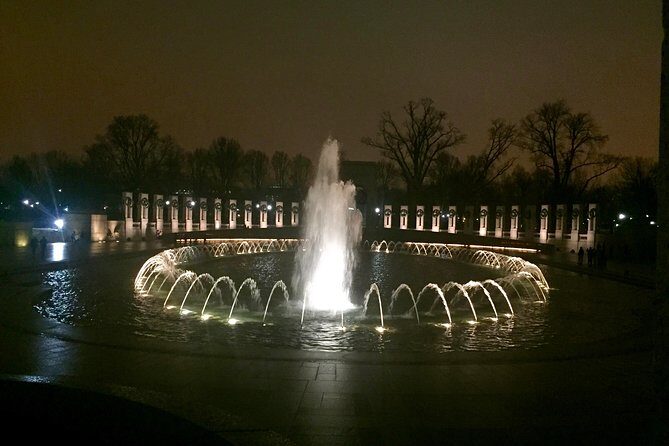
This is a “see the classics” tour, built for days when you want the big DC landmarks without committing to a full-day grind. You’ll do a lot of seeing per hour, but in a way that usually feels doable: coach between stops, then brief time on foot to look, read, and take a few photos.
The route is also designed to make first-timers feel oriented fast. DC can be confusing when you’re walking streets and crossing open plazas, especially around the National Mall. This tour helps you understand what sits where—politics, presidents, and major war memorials—so your later independent exploring makes more sense.
Price and What You’re Really Paying For at $59
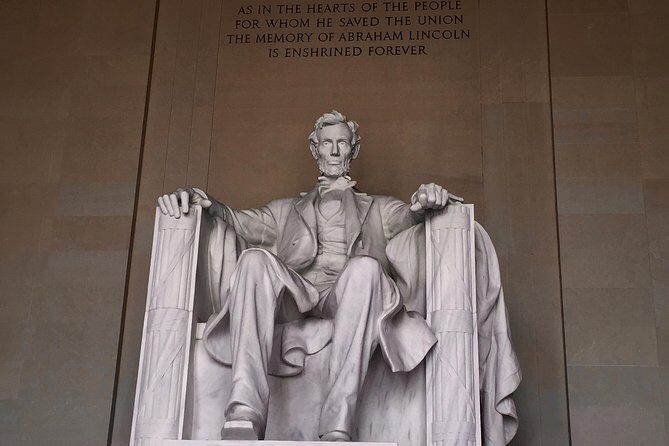
$59 sounds like a fair deal for DC because it’s not paying entrance fees at most stops. The value is in the structure: transport, live narration, and practical timing that puts you at the main sights within a half-day window.
Also, remember what you’re avoiding. Without a tour, you still have to work out how to get from place to place, line up for tickets if needed, and figure out what angles are best. Here, the guide’s job is to point you to the meaningful parts while the bus handles the “how do we get there” problem.
That said, if your priority is long, slow museum-style visits, this may feel short. Many stops are timed for quick viewing, so think of it as a highlights sampler, not a deep research project.
Getting On the Bus: Meeting Point and Time Punctuality

The meeting point is 400 New Jersey Ave NW, Washington, DC 20001, and the tour starts at 10:30 am. The biggest practical tip is simple: double-check NW versus SW. One missed direction can send you on a wild goose chase, because DC streets around the Capitol area can look similar on a phone map pin.
Plan to arrive early—before the 10:30 start time—because parking and curbside pick-up can take longer than expected. Several departures run as scheduled, but delays can happen in DC, and the tour format depends on keeping the schedule moving.
The tour ends back at the same meeting spot, which is great if you’re planning to continue on your own afterward. You’ll also want to keep your expectations flexible. Heavy traffic and road changes can affect stop length, even when the tour route remains the same.
Stop by Stop: White House North-Side Views and the Capitol Area
Your first major moment is the White House area. The focus is on what you can actually view from the bus and nearby sidewalks—specifically the northern side of the White House, plus Lafayette Park, the Old Executive Office building, and the Treasury.
Why this matters: many people expect to “see the White House” in a single clean photo. In reality, access and sightlines depend on security, event prep, and construction. This tour is designed around a realistic viewing approach, so you’re not left staring at a barrier and hoping for the best.
Next comes the Vietnam Veterans Memorial and the Nurses Memorial. This is one of the most moving stops on the day, especially because the memorial includes over 58,000 names. You’ll have time to walk and look up close, which is the best way to absorb what you’re seeing—fast bus windows won’t do it justice.
Then you roll toward the U.S. Capitol area. You’ll see the Capitol up close, and the plan includes the United States Botanical Garden and time around the National Mall and Memorial Parks area. If you like a mix of political symbols plus green space, the Botanical Garden stop can be a nice change of pace within the broader memorial day.
A consideration here: because you’re balancing a lot of ground in limited time, you’ll want to decide in advance what you want most—exterior views, quick reading, or a little extra walking for photos.
National Mall Crossroads: Navy Memorial and the National Archives
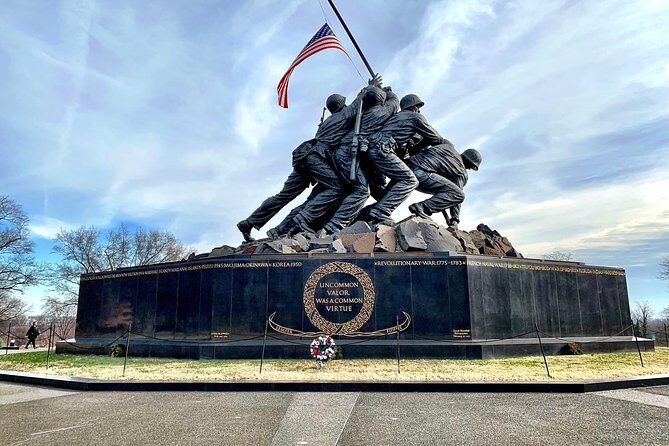
After the Capitol zone, the tour includes a stop centered on the U.S. Navy Memorial and the National Archives. This is a smart pairing because it adds two different kinds of DC meaning in a single block of time: service and history, government documents and national story.
This section works well if you’re trying to connect the dots between the memorials you’ll see later and the political institutions you’ll have already seen in the morning. Even with short time, you can leave with a clearer sense of what’s “where” and why it’s there.
If you’re the type who likes to read every sign, you may wish this stop had more minutes. But if you’re more focused on seeing the major touchpoints, it’s a solid stop to keep the day from feeling one-note.
World War II and Lincoln Memorial Photo Windows
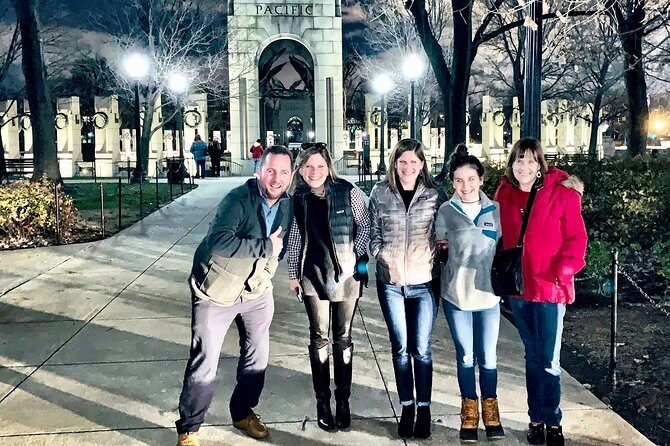
The National World War II Memorial is next, and your time is built for quick immersion. This is the spot where scale hits. It’s not just names and dates; it’s the kind of memorial where you feel the reason people build these places to begin with.
The tour then moves to the Lincoln Memorial and the Reflecting Pool. The Reflecting Pool is one of those DC “you’ll know it when you see it” scenes, and the timing here gives you a chance to get your photos and take in the view without rushing nonstop.
One practical note: many people don’t realize how much foot traffic can gather near the Lincoln Memorial area. If it’s busy, you’ll still manage a good viewing, but your comfort will depend on how patient you are in a crowd.
MLK Memorial and the Tidal Basin in Any Season
The final stop is the Martin Luther King, Jr. Memorial. The guide narration tends to make this section more than just a statue and plaques—you’ll hear why it has the impact it does and what it represents.
Also included is time around the Tidal Basin, which you’ll likely associate with the Cherry Blossom Festival even if you’re not visiting in spring. That association is useful because it gives context: the same basin that frames a festival also frames quiet, everyday DC beauty.
This stop can land really well for families, because it’s easy to talk about big ideas in a place that’s built for reflection. The short walk time also means you can enjoy it without ending the day feeling exhausted.
Guides Make the Difference (From Ali Zohery to Charles to Bobby)
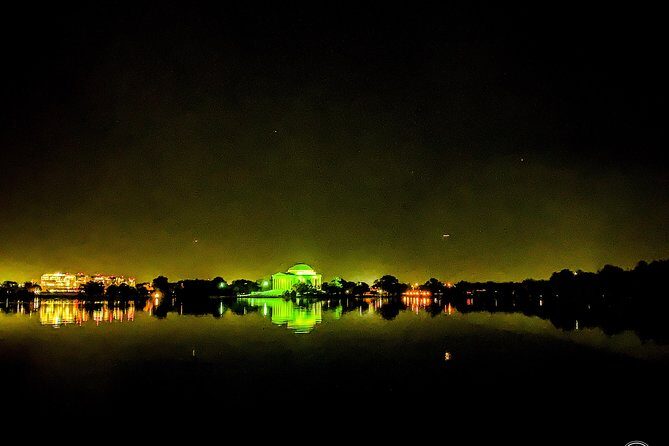
A big reason this tour scores well is the guide impact. You’ll ride with a professional guide providing live commentary, and several names show up repeatedly in guide descriptions you might encounter, including Ali Zohery, Dr. Zaheril, Charles, Bobby, Nichole, and Juspal.
What you should expect from strong departures is clear communication plus story flow. Some guides are reported as funny, engaging, and patient with questions, including helping guests with mobility needs. Others manage the group well so you don’t spend the day stuck behind the same few people.
Some tours also go slightly off script in smart ways. For example, one departure reportedly added the Jefferson Memorial when requested, and another made a stop for hot chocolate or coffee at Starbucks when the weather was cold. Those perks aren’t guaranteed, but they show you the tour can adapt when the situation allows.
If you get a guide who keeps the narrative tight, the whole day feels more meaningful. If the pace is fast, you’ll still see the sights, but you might miss some of the “why it matters” pieces.
When Renovations, Ceremonies, and Traffic Change the Timing
DC is a moving target. Road closures, security adjustments, and renovations can affect sightlines and stop duration. One response you might run into is reduced time at memorials due to preparations for major milestones, including a 250th anniversary-type context.
Traffic can also cut into schedule. On some Memorial Day–type dates, road closures are common, and that can lead to less time at certain places. The tour will still try to hit the listed core stops, but you should plan for the possibility that a “20 minutes” moment could shrink.
My practical advice: don’t treat every minute like a promise. Treat the tour as a strong overview that will get you close to the essentials. If you want longer time at one place—like the Vietnam Veterans Memorial or MLK—plan to return on another day under your own pace.
What to Bring for a Comfortable 3-Hour Capitol Run
You’re mostly on and off the bus, with short walks. That means you should pack for weather, not just sunshine. The tour operates in all weather conditions, so dress appropriately and be ready for cold wind, heat, or rain.
A few practical items that help:
- Comfortable shoes for sidewalks and quick plaza crossings
- A light layer you can manage if temperatures swing
- Your camera, but also be ready to pause for a minute and actually look
If you’re visiting in peak heat, choose breathable clothing. Some departures report AC comfort between walks, which is exactly what you want when you’re doing memorials outdoors.
Who This Tour Suits Best
This is a good fit if you:
- Are seeing DC for the first time and want a fast orientation
- Have limited time and want the major sights without planning routes
- Prefer a structured day with live narration over self-guided wandering
It can be a great family option because time at each stop is short enough to keep kids from melting down, and it moves at a pace that still includes meaningful viewing windows.
It may be less ideal if you want museum-depth reading or long, quiet contemplation at a single memorial. Also, you need a moderate physical fitness level, and children must be accompanied by an adult.
Should You Book This Tour or Not?
Book it if your goal is to get your bearings fast and check off DC’s biggest landmarks in a half-day. For $59, the combo of air-conditioned transport and live guide narration makes the time feel efficient, especially with many stops having free admission.
Skip it or choose a longer, more flexible option if you know you need more than brief stop time. The tour’s strength is the highlights loop; the trade-off is that DC events and construction can tighten the schedule.
If you’re planning a short trip, I’d call this one a strong starting point—then use the rest of your days to return to your favorite stops at a slower pace.
FAQ
How long is the Washington DC narrated city tour?
It runs for about 3 hours.
What time does the tour start?
The start time is 10:30 am.
Where does the tour meet?
The meeting point is 400 New Jersey Ave NW, Washington, DC 20001.
How much does the tour cost?
The price is $59.00 per person.
What landmarks are included?
You’ll stop at the White House area, Vietnam Veterans Memorial (and Nurses Memorial), the U.S. Capitol area (including the U.S. Botanical Garden and the National Mall and Memorial Parks area), the U.S. Navy Memorial and the National Archives, the National World War II Memorial, the Lincoln Memorial and Reflecting Pool, and the Martin Luther King, Jr. Memorial (with the Tidal Basin area).
Is admission included?
The tour info lists free admission for the stops, and the White House stop notes an admission ticket free.
Are food and drinks included?
No. Food and drinks aren’t included unless specified.
Is the tour okay for children?
Children must be accompanied by an adult.
Can I cancel for a full refund?
Yes. Free cancellation is available up to 24 hours before the experience’s start time for a full refund. If you cancel less than 24 hours before, no refund is provided.
Does the tour run in bad weather?
It operates in all weather conditions, so you should dress appropriately.
]]>I love the hotel pickup included within 4.4 miles of Washington DC. I also like the private, customized setup, so you can ask for specific landmarks (within the time window) and move at your group’s pace.
One caution: the experience can vary depending on the guide and how strictly the time limits get handled—so it’s smart to be clear up front about what you must see.
Key things that make this DC van tour worth your time
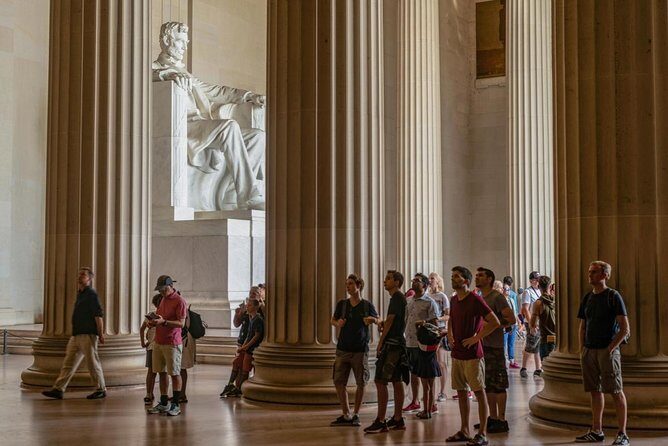
- Hotel pickup included (within 4.4 miles) so you start relaxed, not wandering for a meeting spot
- Private customized routing with your own group only
- Major outdoor stops are quick and free (Lincoln, Jefferson, MLK, and the World War II Memorial)
- A ticket-included stop at the National Academy of Sciences with time for the Einstein statue and tropical-plant experience
- A practical “orientation” drive that helps you understand where things are and how the monuments line up
- Fast photo-and-stroll pacing built for limited time, not a slow museum day
A 4-5 hour DC snapshot from your hotel
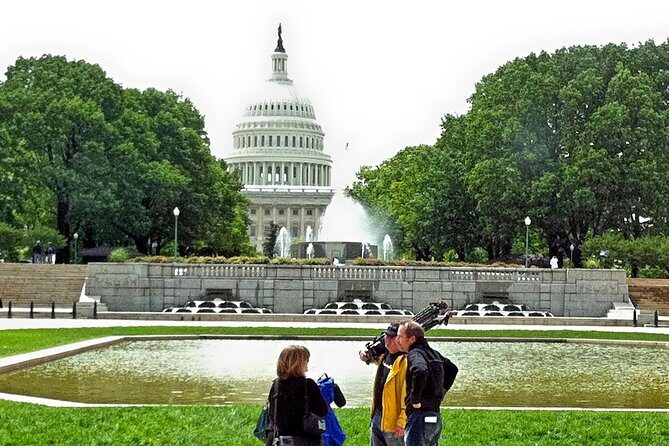
This is built for a short stay in Washington DC. The duration is listed as about 4 to 5 hours, but the run-time is closer to 3 hours plus driving time, so you should plan your day like a half-day city orientation with stops.
You’ll travel in a private vehicle with a driver/guide, and you’re not sharing the van with strangers. That matters in DC, where traffic and parking can turn a “simple” outing into a timing puzzle. With a private setup, your route can be more efficient and your group can keep moving.
The tour runs in most weather conditions—so dress for wind, sun, and sudden rain. And since it’s offered in English, it works smoothly if you want explanations without needing translation.
Stop-first energy: Supreme Court as the tone-setter
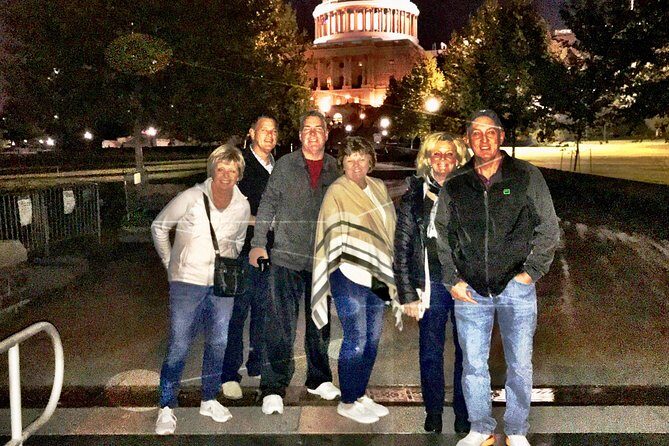
The schedule starts with the Supreme Court of the United States. Even if you spend only a short time there, it’s a strong way to begin because it anchors the rest of the day in the idea that DC isn’t just monuments—it’s government, law, and national identity.
In practice, what you’ll get most likely looks like a quick orientation stop: where you are, what you’re looking at, and how the city’s layout connects the memorials and major institutions.
Possible drawback: the tour is time-tight. If you want long indoor time at highly scheduled places, you’ll need to communicate that early so the day doesn’t get compressed into a quick look-and-go.
Lincoln, Jefferson, and MLK Memorials: the “big three” pace
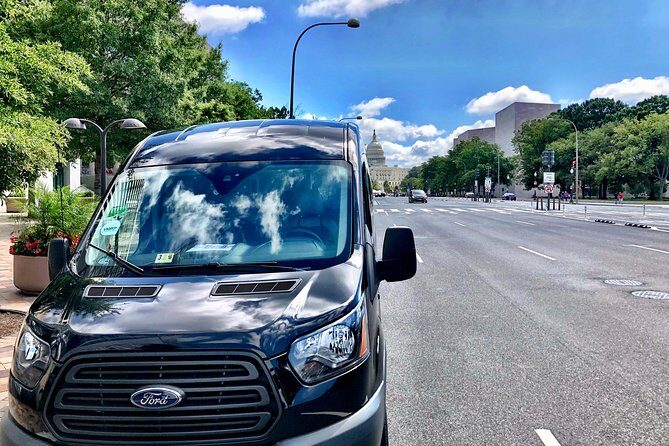
After Supreme Court, you hit a classic memorial set on the National Mall corridor. This part is designed to be efficient, with short, high-impact stops.
Lincoln Memorial (about 30 minutes, free admission)
This is the main act for many first-timers. You’ll have enough time to take photos, read the key elements, and step back for the long-view photos from a few angles.
Why it works in a private van tour: you can move through the area without spending time on transit, and you don’t have to fight for your spot in a crowd for the entire afternoon. If your group is slower on foot, a van helps you keep the day on track.
Jefferson Memorial (about 20 minutes, free admission)
Jefferson’s memorial is shorter on your itinerary, but it’s still a meaningful contrast in the way the memorial design frames the person. The advantage here is speed: you get the essentials without turning the day into a marathon.
If you care about inscriptions and symbolism, plan to spend a few extra minutes reading rather than just taking a picture.
Martin Luther King Jr. Memorial (about 15 minutes, free admission)
This stop is brief, but it’s also one of those memorials where context matters. With a good driver/guide, you’ll leave with a clearer picture of what you saw and why it’s arranged the way it is.
Tradeoff: because time is limited, you may not get as much explanation as you’d want if you’re hoping for a deep lecture at each site. If that’s your thing, ask the guide to spend more talking time during drives between stops.
The National Academy of Sciences: Einstein statue plus tropical plants
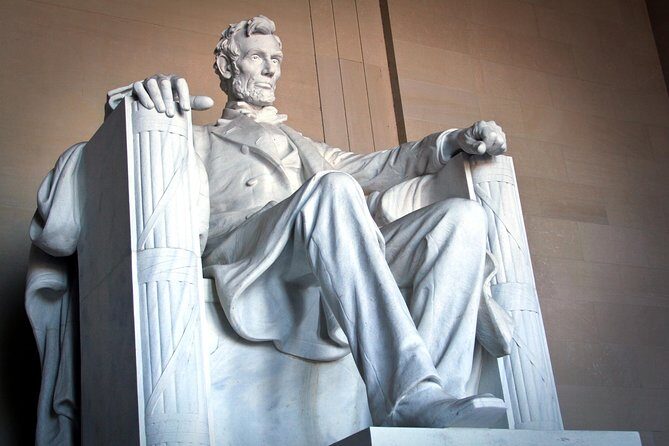
This is the part of the day that breaks up the usual outdoor-only pattern.
National Academy of Sciences stop (about 15 minutes, ticket included)
The itinerary calls out the National Academy of Sciences with time for the Einstein statue and notes that admission is included. It’s a nice change of pace from the memorial circuit, especially if weather is acting up or you want something that feels a bit more hands-on and indoor-friendly.
Over 6000 species of tropical plants
The tour also includes a stop described as Over 6000 species of tropical plants. You’ll want to keep an eye on the schedule here, because this kind of indoor/exhibit time can feel longer once you’re inside. The good news: when entry is included, you avoid spending your time figuring out ticketing while you’re already in DC.
Practical tip: if your group includes someone who loves plants or wants something different from monument architecture, this stop is often the one that surprises people—in a good way.
World War II Memorial: 20 minutes, serious mood, clean timing

The National World War II Memorial is listed at about 20 minutes with free admission. It’s one of those places where even a short visit feels weighty because the scale and the names/sections pull you in.
Why a private van tour helps here: you can arrive at the memorial without losing time to lining up or transit delays, and you can move on when your group is ready rather than waiting for a fixed group schedule.
Possible drawback: if your guide keeps the explanations brief, you might miss some of the structure behind what you’re seeing. If that concerns you, ask your driver/guide to give you a quick orientation before you step through.
How “customized” really works in this van tour
The word customized shows up for a reason. In real terms, you’re doing two things:
1) choosing priorities from the DC sights you want, and
2) letting your driver/guide shape the route so you aren’t wasting time in transit.
From guide feedback patterns, the best versions of this tour include flexibility like:
- letting you set the order of priorities, then adjusting the day to fit the time window
- dropping you closer to the right spots and returning on schedule
- making suggestions, while still taking requests
I’ve also seen a key warning in the feedback: not every guide handles customized priorities the same way, especially when time limits get tight. One group wasn’t able to add Arlington National Cemetery and the Vietnam Memorial because the guide felt the time wouldn’t allow it. Translation: if those are on your must-see list, tell your provider before the tour day and ask how it affects your overall schedule.
Guide personality can also change the feel of the day. Some guides, like Ronald and Tunde, were praised for being professional, communicating clearly, and knowing how to keep the day moving. Others, like Bobby, received very negative comments tied to unprofessional jokes and poor responsiveness. That doesn’t mean every guide is like that—but it does mean you should go in ready to confirm your priorities early and calmly.
Logistics that matter: pickup radius, tickets, and time spent
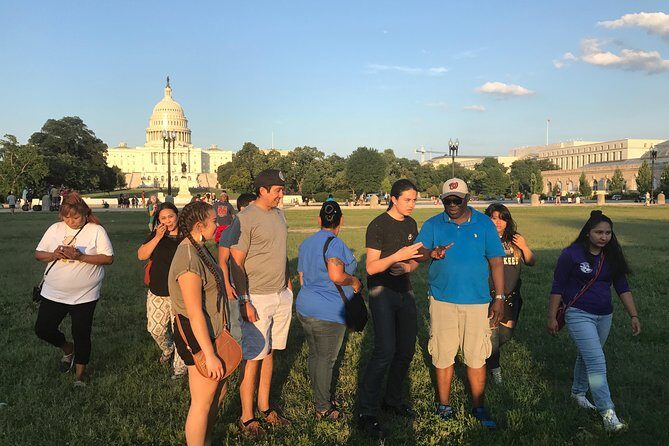
Here’s the “makes or breaks” part of the day: timing and pickup.
Pickup is included, but only within a radius
Your tour includes free pickup within 4.4 miles of Washington DC. If you’re outside that, you might be asked to pay extra or adjust the plan. Some past customers reported surprise add-on costs when their pickup location was farther than expected, including extra charges related to being beyond a stated radius.
My advice: confirm the exact pickup point and whether it’s within the included radius before you go. If you want to avoid surprises, send the meeting address and a backup option.
Admission coverage: mostly free, one paid stop
From the itinerary:
- Lincoln Memorial: free
- Jefferson Memorial: free
- Martin Luther King Jr. Memorial: free
- World War II Memorial: free
- National Academy of Sciences: ticket included
- Trolley tickets for Arlington Cemetery are not included (so if Arlington is part of your customized plan, plan for that separately)
This mix is good value because DC memorials are often free, and the one ticket-included stop adds variety without forcing you into another ticket hunt.
What you’ll actually do at each stop (not just see)
This tour is set up for seeing, stepping out for quick time, and moving on. Depending on your guide’s style, you may be dropped near sites while the guide handles pickup logistics and then meets you again after your time is up.
That can be a plus for families or groups with mixed walking speed. It can also be a downside if you want someone to stay with you the whole time and provide a running narrative at every site.
If you care about interpretation—inscriptions, context, and the “why”—ask for a bit more storytelling during drives. You’ll still get the photos, and you won’t end up feeling like the day is just transport between monuments.
Price and value: when this tour is a smart deal
This private tour includes:
- the driver/guide
- private transport
- free pickup within 4.4 miles
- private-only group participation
- mobile ticket use (so you’re not juggling paper confirmations)
Value is strongest if:
- you have at least 4 people in your booking (minimum is required)
- you’re short on time and want an efficient overview
- you want the convenience of pickup and a route that reduces DC “where do we go next” stress
One more value consideration: you’re paying for a focused, time-bound experience. If your group wants museum hours, long indoor exhibits, or a slow walk with lots of stops, you may end up wanting a longer day or a different format.
Who this DC van tour suits best
This is a great fit for:
- families who want major sites without taking on transit headaches
- couples and small groups with limited time who want the essentials plus one ticket-included indoor stop
- visitors who like monument photos but also want a bit of orientation so the day makes sense
It may not be ideal if:
- you want long, deep time inside multiple major institutions
- your must-see list requires adding extra sites that often demand more time (for example, Arlington) without building that into the schedule
- you’re very sensitive to guide style and prefer heavy narration nonstop at each location
Should you book this private Washington DC van tour?
Book it if you want a simple, efficient way to hit the big memorials, get hotel pickup in a defined area, and add one indoor experience at the National Academy of Sciences with a ticket included. It’s especially smart when you’re traveling in a group of four or more and want control over pacing.
I’d think twice if your plan depends on multiple additional far-flung stops, or if you absolutely need extensive explanation at every single site. In that case, you’ll want to confirm your priority list and make sure the schedule can support it.
If you do book, do this one thing: send your must-see priorities ahead of time (and include pickup address details). That’s the fastest way to make sure your day is the good kind of customized—and not a rushed list of “we saw it from the sidewalk.”
FAQ
How long is the Washington DC private van tour?
The tour runs about 4 to 5 hours (approx.). There’s also a note that it’s approximately 3 hours plus time spent traveling.
Is hotel pickup included?
Yes, free pickup is included within a 4.4 miles radius of Washington DC. Pickup is also listed as available for points of interest within that area.
Are admission tickets included?
Admission is free for the Lincoln Memorial, Jefferson Memorial, Martin Luther King Jr. Memorial, and the World War II Memorial. The National Academy of Sciences stop includes the ticket. Trolley tickets for Arlington Cemetery are not included.
Is this tour private or shared?
It’s private. Only your group participates.
What if I’m traveling with children?
Children must be accompanied by an adult. The tour also notes that most travelers can participate.
What is the cancellation policy?
You can cancel for a full refund up to 24 hours in advance of the experience start time. If you cancel less than 24 hours before, the amount paid is not refunded.
]]>I especially like two things: you get an air-conditioned ride with frequent landmark stops, and you’re not stuck staring through a bus window. The guide support at each site helps you understand what you’re seeing, and the timing gives you real time to walk at places like the Lincoln Memorial.
One consideration: it’s outdoors-heavy, so plan for weather and some standing and walking. Also, the White House and U.S. Capitol are exterior views only, so if you’re hoping for inside access, you’ll want to book a separate option.
Key things to know before you go

- Meet at the National Archives area (790 Pennsylvania Ave NW) for a simple start
- Air-conditioned bus, small-ish group (max 40) so you can actually hear your guide
- Guide stays with you and escorts you at each major stop instead of a quick drive-by
- Seasonal Potomac cruise vs. Jefferson & Eisenhower Memorials depending on dates
- Lunch is on your own at Georgetown Harbor when the boat runs, otherwise at Pentagon City
- Comfortable pace for monuments, but you’ll still walk (bring good shoes)
First-Class Orientation: How the Route Sets Up Your DC Trip
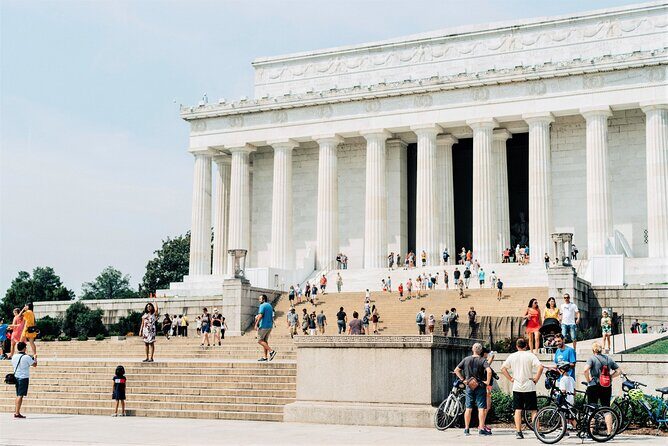
If this is your first time in Washington, DC, you need two things: a tight map in your head and a short list of where you’ll want to spend more time later. This tour does that by threading a daytime route through the core memorials and government icons, then ending back at the meeting point.
The start location matters. You meet at 790 Pennsylvania Ave NW, right by the National Archives area, and you begin at 10:00 am. That’s a convenient anchor point because you’re starting in the center of the action, with transit around you if you’re not staying nearby.
I like that the group size stays capped at 40. Smaller groups usually mean better crowd control at stops and fewer moments where you’re trying to see over other people. Add an air-conditioned bus, and you have an actual comfort break between outdoor walks.
Price and Value: Why $87 Can Work for a Full-Day Highlights Fix
At $87 per person for about 6 hours, the price looks reasonable once you understand what’s bundled. You’re paying for transportation, a professional guide who stays with you, and a day built around major landmarks that would be harder to stitch together solo in one go.
Here’s what you get for your money:
- A bus tour with 10+ stops focused on DC’s best-known memorials
- A guide who escorts you through sites and explains what you’re looking at
- An optional-feeling perk built in: the Potomac River cruise when it’s operating
- Time to walk around key stops rather than just passing by
What you should plan to pay for separately is straightforward: food and drinks (you’ll have a lunch break where you eat on your own). Also note that hotel pickup/drop-off isn’t provided, so you’ll need to get yourself to the meeting point.
Bottom line: if you want a one-day “greatest hits” structure, $87 feels like money well spent. If you already know exactly what you want and hate guided pacing, you might get better value doing a self-guided day with metro tickets and a museum pass.
The Best Part Is the Stop-by-Stop Storytelling

The tour isn’t just driving past famous places. You’re told where to look and what matters, then you get time on foot to see it up close. That changes the whole experience, especially at memorials where details are the point.
I also like the rhythm: you get a mix of quick photo stops and slightly longer walking windows. And because the guide stays with you, you can ask questions in real time instead of trying to figure things out after you move on.
One practical bonus from past groups: if a stop looks like it might be extra walk-intensive, the tour team has offered options to stay on the bus rather than forcing anyone to push through. That flexibility can make a big difference if your comfort level varies during the day.
White House, Lincoln Memorial, and the Core Memorial Loop
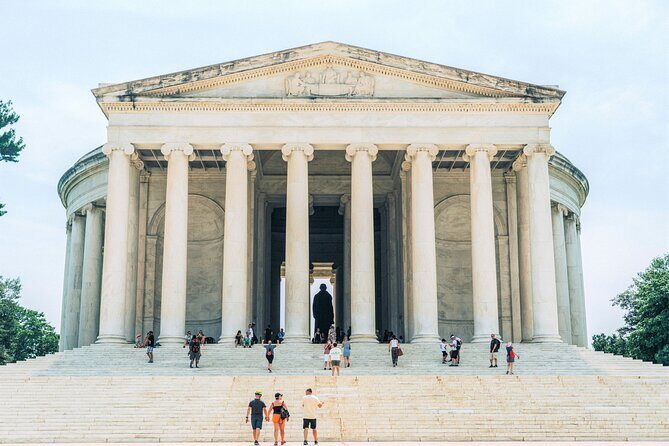
This is where the tour earns its “DC starter pack” reputation. You’ll hit the landmarks most people picture in their mind, and you’ll walk at the ones that reward walking.
White House (exterior)
You start with a look at the White House from the outside. It’s not an inside visit, but it’s still a must-see orientation moment for many first-timers. You’ll have about 10 minutes at this stop, so it’s ideal for photos and a quick grasp of how everything lines up around Pennsylvania Avenue.
Lincoln Memorial (walk the steps)
Next is the Lincoln Memorial, with time to walk up the steps. This is one of those stops where being there in person adds weight to what you’ve read or heard before. You get around 10 minutes, and the memorial’s layout makes it easy to frame iconic views for pictures without feeling rushed.
Vietnam Veterans Memorial
The Vietnam Veterans Memorial stop is longer at about 15 minutes, and the main “read” is the names on the wall. If you’re the type who pauses and lets it land, this timing gives you space to do that. Admission for this stop is free.
Korean War Veterans Memorial
You’ll take time for photos at the Korean Memorial (around 10 minutes). The benefit here is simple: you get a clear photo opportunity plus a moment to understand the memorial’s symbolism and design, not just snap and move on.
Franklin Delano Roosevelt, WWII Memorial, and MLK Memorial
Later in the day, you return to the memorials that people love for different reasons:
- FDR Memorial: about 15 minutes, and it’s one of the most talked-about because it feels like a journey inside the grounds.
- National World War II Memorial: about 15 minutes, and it’s intense in the best way because you feel the scale of commemoration.
- Martin Luther King Jr. Memorial: about 15 minutes, with time for photos and reflection.
All three are free to enter, and that matters because DC adds up fast if you’re paying admission repeatedly.
Georgetown + Lunch on Your Own (Only When the Boat Runs)

Season determines whether Georgetown appears in your day. In-season, you’ll head to the water and catch the boat cruise from the Georgetown Harbor area.
When the boat is operating, you get about 30 minutes in Georgetown and time to grab lunch on your own before boarding. The location is convenient because you can treat lunch like a casual break rather than a rushed scramble.
When it’s busy, though, build in patience. One common downside people flagged is that the lunch spot (when the group eats in the assigned area) can get crowded and loud, so if you’re bringing kids or older folks, you’ll want to think ahead about what kind of lunch environment you’re okay with.
Practical tip: aim for something quick and portable at lunch. You’ll likely want your energy for the boat ride and the rest of the afternoon stops.
Potomac River Cruise: The Perk That Changes the Day
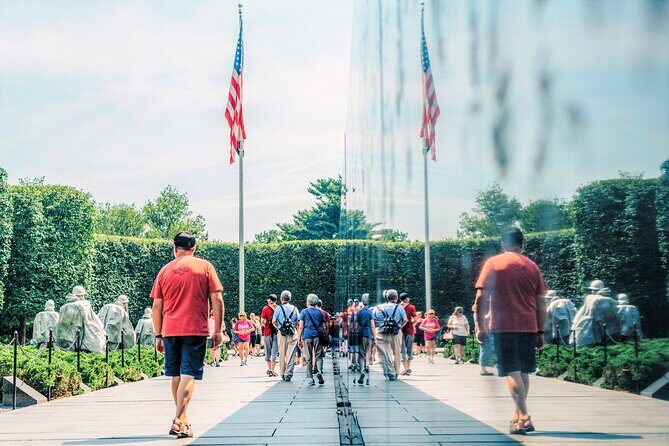
The Potomac cruise is the “new perspective” moment. From the water, DC looks different—tighter, cleaner lines, and landmarks feel more connected than they do from the sidewalks.
Here’s the key timing detail: the Potomac River cruise is offered during the warmer months. You can expect it to operate roughly mid-March to mid-October, with specific running dates noted as April 18th to October 10th. If your travel dates fall outside the cruise window, the plan shifts (more on that next).
Even when the weather isn’t perfect, the cruise tends to feel like a genuine value add because it gives you something you can’t easily recreate on foot. Bring layers for the boat if you’re going in shoulder seasons, and don’t assume it will be the same temperature as land.
When the Boat Is Not Operating: Jefferson and Eisenhower Memorials

Not traveling in prime boat season? The tour adjusts without leaving you with an empty time slot. When the Potomac cruise isn’t operating, you’ll visit Jefferson Memorial and Eisenhower Memorial instead, keeping the day packed with major DC stops.
This matters because you still get the full “major memorials” arc. You just get a different final act. If you’re flexible and mainly want the orientation and landmark coverage, you’re still getting what you booked.
A/C Bus Comfort vs. Outdoor Walking Reality
The bus is air-conditioned, and that’s huge in both extremes: hot summers and cold snaps in winter. Still, you should assume the day is outdoors-heavy.
The tour is described as moderate physical fitness, with standing and walking during stops. I’d treat it as a comfortable walking day, not a sit-and-snap day.
What helps most:
- Wear comfortable shoes you trust for sidewalks and steps
- Dress for weather and bring layers
- If rain is possible, consider an umbrella
Also, remember that DC weather can flip fast. Plan your clothing like you’re prepared for sudden changes, and you’ll enjoy the day more.
Tickets, What’s Included, and What You Need to Know About Access
One thing I appreciate about this tour is that it’s honest about entry. The big government icons you see early are outside views—the White House and U.S. Capitol are not listed as included entries.
Memorial stops like Lincoln Memorial, Vietnam Veterans Memorial, Korean War Veterans Memorial, FDR Memorial, WWII Memorial, and MLK Memorial are free based on the information provided.
There’s also a practical note about timing: due to attraction hours, any entry tickets issued for the tour are valid for use on the next available day of travel. That’s useful if you land late or your day gets disrupted.
Lunch Break at Georgetown Harbor or Pentagon City Shopping Mall
Your lunch plan depends on whether you’re doing the boat cruise.
- In season, lunch lines up around Georgetown Harbor
- When the boat isn’t running, lunch is at Pentagon City Shopping Mall instead
In both cases, food is on your own, so come prepared to choose something quickly. If you get motion-sick in boats, a smaller lunch portion can also help, since you’ll be transitioning to water after.
If you’re picky about where you eat, don’t wait until the last minute inside the lunch window. Decide beforehand what kind of meal you’re looking for so you don’t lose time.
Who This Tour Suits Best (And Who Might Prefer Something Else)
This tour works especially well if:
- You’re in DC for a short trip and want high-value orientation
- You like having a guide to explain what you’re seeing as you go
- You want one day that covers the core memorial loop without planning transit stops
It may not be the best match if:
- You’re hunting for inside access to the White House or Capitol (this tour focuses on exterior views)
- You dislike guided pacing and prefer full freedom
- You need long stretches with minimal walking outdoors
If you like learning while moving, you’ll probably enjoy this format a lot.
Should You Book It? My Practical Verdict
If your goal is to get oriented and see the biggest DC sites in one day, I think this is a smart booking. The combination of an air-conditioned bus, a guide who stays with you, and the Potomac cruise when available makes the $87 price feel grounded rather than inflated.
I’d book it when:
- You’re visiting DC for the first time
- You want a plan that reduces decision fatigue
- Your dates fall within cruise season and you’d love that water view
I’d consider another option if:
- You want major government interiors
- Your itinerary needs minimal walking
- You’re traveling with a group that can’t handle crowded lunch environments
FAQ
What time does the tour start and where do I meet?
The tour starts at 10:00 am and meets at 790 Pennsylvania Ave NW, Washington, DC 20001. The tour ends back at the same meeting point.
Is the Potomac River boat cruise included all year?
No. The Potomac River cruise is offered during the warmer season. When the boat is not operating, the tour visits the Jefferson Memorial and Eisenhower Memorials instead.
What stops are included during the tour?
You’ll see stops that include the White House (outside view), Lincoln Memorial (with time to walk up the steps), Vietnam Veterans Memorial, Korean War Veterans Memorial, U.S. Capitol (outside view), Franklin Delano Roosevelt Memorial, National World War II Memorial, and Martin Luther King Jr. Memorial. There’s also a lunch stop at Georgetown Harbor or Pentagon City Shopping Mall depending on whether the boat is operating.
Is food included in the price?
No. Food and drinks are not included. There is a lunch break where you eat on your own.
Are tickets included for major government buildings?
Admission tickets are not included for the White House and the U.S. Capitol since those are outside views. The memorial stops listed as free entry include Lincoln Memorial, Vietnam Veterans Memorial, Korean War Veterans Memorial, FDR Memorial, World War II Memorial, and the MLK Memorial.
Do I need hotel pickup or drop-off?
No. Hotel pickup or drop-off is not provided, so you’ll need to plan your own transport to the meeting point near the National Archives.
]]>Two things I really like: you can shape the stops around your interests, and you’re not stuck doing the Mall on your own schedule. Also, the tour’s built around getting you close—multiple sites have short on-site time, which helps you see a lot without turning the day into a mile-counting contest.
One thing to consider: the route is packed. Even with a private setup, many stops are brief (often around 5 minutes), so if you want long museum time or a deep walk through one monument, you’ll want to pick your favorites and ask for extra time there.
Key Things to Know Before You Go
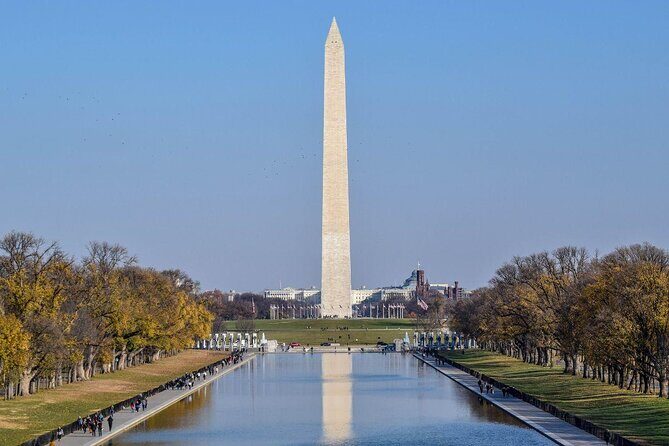
- Door-to-door style pickup: pickup and drop-off are offered within 5 miles of the White House, which can save you real hassle time.
- A guide in the car and at stops: the live narration helps you connect White House, memorials, and government buildings into one story.
- Short-stop efficiency: lots of iconic places in a 4-hour window, with more time at bigger stops like Lincoln Memorial.
- Tickets only where needed: Library of Congress and National Archives Museum note that ticket arrangements are required in advance.
- Guides with personalities: Daniel, Rich, Ramon, Wes, Cassie, Dean, and Jessi show up across different tours, and the common theme is keeping things fun and moving.
- Flexible around DC chaos: the plan accounts for road closures tied to events and adjusts on the fly.
Why A 4-Hour Private DC Highlights Tour Beats DIY

Washington DC looks walkable on a map. In real life, you’re dealing with traffic patterns, wide roads, sudden detours, and crowds that form where everyone aims their cameras. A private highlights tour is valuable because it turns that mess into a smooth circuit—your driver handles the driving, and your guide handles the meaning.
In about 4 hours, you can cover the Washington Monument axis, the big memorials, and major “government core” sights like the White House and U.S. Capitol area. That’s hard to pull off calmly if you’re relying on public transit plus walking plus finding parking plus figuring out which line is longest today.
This format also works well for mixed groups. One review mentioned a 93-year-old grandma joining with parents, and the big win was getting up close and reducing the amount of navigation and stepping around traffic. If someone in your group has limited time or mobility, the “get close by car” approach matters.
Price and Value: What $468 for Up to 5 Really Buys You
At $468 per group for up to 5 people, the cost works out differently depending on your headcount. With 5 people, you’re effectively splitting the bill—so it can land closer to a per-person rate that feels reasonable compared to paying for separate private help or spending most of your day on transit and taxis. With fewer people, it costs more per person, but you’re still buying time saved and a guide who can shape your route to your priorities.
Here’s the practical value that stands out:
- You avoid the stress of coordinating your own route across a huge area.
- You get a live narrative that helps you understand why each stop matters.
- You can keep the stops short and efficient, then decide later what deserves a longer second visit.
One negative review complained that the experience felt like private drop-offs instead of an active walking tour with a guide doing more on the ground. That’s a fair reminder to manage expectations: this tour is designed around a drive-and-stop rhythm where the guide explains as you go, and you use your limited time at each spot mostly on your own. If you want a guide walking you through every step for a longer time at fewer places, you’ll want to request that directly so your day matches your definition of a guided tour.
Your Guide and Driver: The Real Secret Sauce in DC

The difference between a good DC day and a great one is your guide’s ability to connect dots fast. In this tour, that connection shows up in how your guide talks while you’re in transit and then points you to smart angles and what to notice once you arrive.
The guide names that come up repeatedly include Daniel, Rich, Ramon, Wes, Cassie, Dean, and Jessi. Across different tours, the common thread is a style that keeps the group moving without feeling rushed—and using stories and humor to make political and memorial details stick.
For example, Daniel’s approach includes humor alongside unusual DC political backstory, which helps when you’re hearing about U.S. history at speed. Wes’s style included keeping kids engaged with fun questions and prizes during the ride, which is a strong sign this tour can work for families if your guide chooses that energy.
Also, safety and pacing matter. More than one review mentioned the driver being careful and the team being conscious of time while still leaving space to look around and take photos. In DC, that balance is everything: you want momentum, not a sprint.
The Route Works: Stop-by-Stop on the DC Highlights Circuit

This is an overview-style route. Many stops are listed at around 5 minutes, with a couple longer stops (like Lincoln Memorial). Think of it like a guided walk of DC’s biggest chapters: you glance at each key page, and your guide gives you the caption that makes it readable.
Here’s what the day typically looks like, in the order you’ll see things on the drive.
White House and Marine Corps War Memorial
You start with the White House for a short orientation-style stop. Admission is listed as free, and the time is tight, so treat it as a “get the photo and the context” moment. Your guide will help you spot what you’re looking at and connect it to how Washington’s government operates day-to-day.
Next is the U.S. Marine Corps War Memorial. This is a powerful stop even with limited time because it’s a straightforward visual landmark tied to military sacrifice. If your group likes war history, ask your guide what the figures and symbols are meant to represent so the visit feels more than just a picture.
Lincoln Memorial, Ford’s Theatre, and the Vietnam Veterans Memorial
Lincoln Memorial is the longest stop listed in the sequence (about 20 minutes). This gives you a realistic chance to take in the scale, walk a bit around the area, and absorb the solemn tone without feeling like you’re being yanked along. If you’re only going to slow down for one stop, Lincoln is the one.
Ford’s Theatre is next. The time is short (about 5 minutes), so don’t expect a full theater experience. Use it as a quick “this is where history happened” anchor, then decide later if you want a separate deeper visit.
Then you hit the Vietnam Veterans Memorial. Even on a quick stop, it tends to slow people down because of the memorial wall’s impact. Ask your guide if there are specific details you should look for first, especially if you’re visiting for meaning rather than just photos.
Washington Monument, National Mall, and National Portrait Gallery
Washington Monument is listed for a very brief look. It’s one of those landmarks where a quick stop still gives you a lot—if you know where to stand and what lines to look for. Your guide can help you line it up for better shots.
The National Mall follows, and this is your chance to understand the “spine” of DC. Even in a short stop, you’ll see how the layout connects memorials, museums, and government buildings into one big axis.
National Portrait Gallery is included as a short stop. Admission is listed as free, but with only about 5 minutes, it’s likely more about getting exterior views and deciding whether you want to return later for a full museum visit. If your group is museum-leaning, you may want to trade away one of the shorter memorial stops to buy yourself more museum time.
Korean War Veterans Memorial, National Zoo, and JFK Center
Korean War Veterans Memorial comes next, again about 5 minutes. In a quick visit, it helps to focus on what makes the memorial distinctive so it doesn’t blur into the rest of the memorial belt.
Then the Smithsonian’s National Zoo & Conservation Biology Institute appears on the route. The time is short, so this is more of a “see it and keep moving” stop than a zoo day. If you’re traveling with kids, it can still be a fun palette-cleanser between memorials and government buildings.
John F. Kennedy Center for the Performing Arts is next. The center is easy to spot, and even a short look can give your group a feel for DC’s arts side—not just monuments and museums.
Georgetown, U.S. Capitol Area, and Washington National Cathedral
Georgetown is a quick stop, about 5 minutes. In that time, you can catch the neighborhood vibe and snap a few pictures, but you won’t get the full stroll. If Georgetown is a priority, I’d plan a separate half-day walk later, and use this stop to whet your appetite.
Then comes the U.S. Capitol area. The tour is also advertised to include seeing the Supreme Court, so during this portion your guide should point out the right government landmarks as you pass through the Capitol core. Ask for the best curbside angles early in the day so you don’t miss that part if your timing shifts.
Washington National Cathedral is another short stop. It’s a great place to pause because the building’s scale reads even when you’re only there briefly. Use this moment for a quick look upward and let your guide explain what makes it architecturally or historically notable.
Franklin Delano Roosevelt, Albert Einstein, Old Town, and World War II
Franklin Delano Roosevelt Memorial is another classic stop. Even in a brief visit, you can appreciate how DC uses memorials to tell leaders’ stories in a public space. If you’re sensitive to the emotional weight of memorials, consider asking your guide for one key detail to look for so you get something meaningful without overthinking the clock.
Albert Einstein Memorial comes next. Like many monuments here, it’s about the conversation between sculpture and public memory. A short stop can still work if you know what to notice.
Old Town is listed as a stop as well. Since DC has several “old” areas and the name can be broad, use this as a flexible moment your guide can clarify on the ground based on your route.
Then you visit the National World War II Memorial. The schedule lists it more than once, which suggests the day’s routing may loop through the memorial area for better timing and viewpoints. Either way, WWII memorials are a strong capstone to the day’s themes. If your group likes military history, this is a place where your guide’s explanations can add a lot without needing long time inside.
Air Force Memorial, Smithsonian Garden, Bartholdi Park, and Constitution Gardens
Air Force Memorial is included for a short look. Again, you’ll mainly get the visual and symbolic elements, so ask what’s worth noticing in that quick window.
Smithsonian Garden is a calmer stop. Even if you only have a minute or two, it can help your group reset between memorial-heavy parts of the day.
Bartholdi Park and Constitution Gardens follow. These are less famous than the big-ticket monuments, but that’s exactly why they’re fun: they give you a broader view of how the city spaces and frames public art and civic spaces. If you want a photo that looks like DC beyond the postcard icons, this is where it can happen.
National Mall Re-Visit and Navy Memorial
National Mall appears again near the end. That can be useful because it gives you another chance to line up photos and catch things you may have missed earlier. If the day runs long at one stop, this second Mall pass can help you still get the key views.
The U.S. Navy Memorial and Naval Heritage Center is listed next. With short timing, treat it as a visual stop where your guide helps you decode the symbols and connect them to the broader military memorial theme you’ve already been seeing.
National Archives Museum (Tickets Need Arrangements in Advance)
Your last stop is the National Archives Museum. Like the Library of Congress, ticket arrangements in advance are noted. Even if the admission is listed as free, you may still need a plan to enter.
This is the stop where it matters most to communicate your priorities. If you want to actually go inside, don’t wait until you arrive to figure out entry. Ask your guide what the best approach is given your day’s timing, and be ready to adjust your other stops if entry requires more time than the quick photo-and-move rhythm.
How to Get More Out of the Short Stops
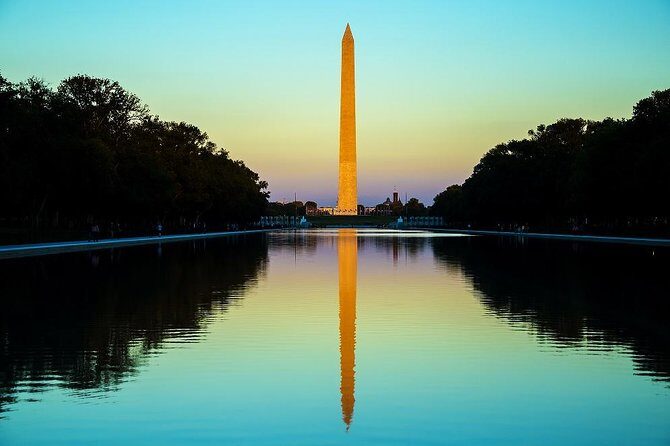
Because many stops are about 5 minutes, you’ll enjoy the tour more if you treat each one like a mission.
- Pick one or two “slow moments.” Lincoln Memorial is the clear candidate, but you can also choose Vietnam Veterans Memorial or World War II Memorial depending on your group.
- Tell your guide what you want more of: architecture, military memorials, presidential landmarks, or neighborhood vibe like Georgetown.
- Wear comfortable walking shoes. Even when you only get out for a short time, DC sidewalks, curb cuts, and memorial paths add up.
- Use the car time wisely. The strongest narrative happens between stops, so listen while you move and ask questions while you’re still in the vehicle.
Also, plan for weather. The tour says it runs rain or shine, so bring a light layer and something for wind. DC can feel colder than you expect once you’re out in open memorial areas.
Who This Tour Fits Best (And Who Might Want a Different Plan)
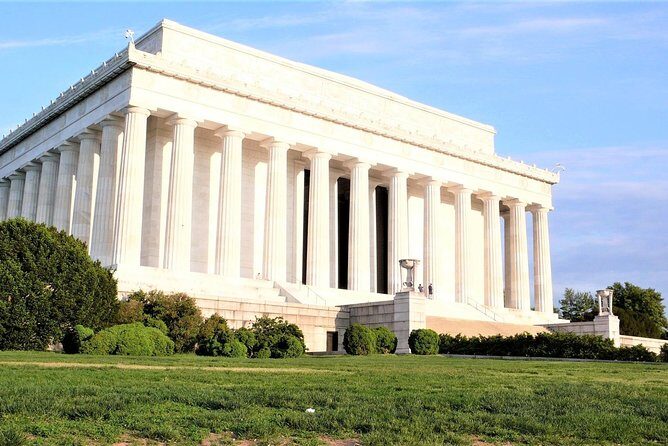
This tour is ideal for you if you want a first-day overview and you’d rather spend your time learning than figuring out logistics. It also suits families, since some guides bring a playful approach that can keep kids interested without turning the day into a chore.
It’s especially good if your group has mixed ages or different mobility levels. The drive-close-stop rhythm can reduce walking and help you see a lot in fewer hours.
I’d think twice if you’re the type who wants deep museum immersion inside buildings during the same 4-hour window. With limited time per stop, you’ll likely want to return for a separate museum visit later—or trade out some photo stops for fewer, longer ones by asking your guide to adjust the route.
Should You Book This Private Washington DC Tour?
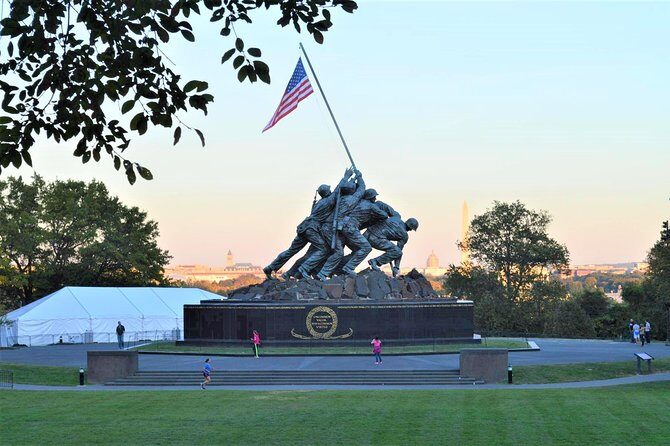
Book it if you want the fast, high-signal highlights: White House views, the memorial belt around the National Mall, Capitol-area landmarks, and neighborhood flavor like Georgetown—all wrapped in a guided ride that keeps the day moving.
Skip or modify it if your idea of a guided tour is spending lots of time inside buildings or walking with your guide through every stop. This is built as an overview with short stops, live narration, and a driver doing the heavy lifting.
If you do book, send clear priorities early and pick your “must slow down” locations. That’s how you turn a short stop list into a day that feels personal rather than just packed.
FAQ

How long is the private tour?
The tour is about 4 hours.
What group size is this for?
It’s for up to 5 guests per group.
Is pickup offered?
Yes, pickup and drop-off service are offered within 5 miles of the White House.
Do I need tickets for the Library of Congress and National Archives Museum?
The tour notes that arrangements need to be made in advance to get tickets for both the Library of Congress and the National Archives Museum.
Is admission free for the stops listed?
The stops included list admission as free for the major sights in the route.
Does the tour run in bad weather?
Yes, the tour works rain or shine.
Can I cancel for a full refund?
You can cancel up to 24 hours in advance for a full refund, but cancellations within 24 hours do not receive a refund.
Where does the tour start and end?
It starts at Grand Hyatt Washington and ends back at the meeting point.
]]>I love how the guide turns a list of monuments into clear stories, with narration from folks like James, Sally, and Tyrone in past groups.
I also love the practical comfort: an air-conditioned bus, plus free bottled water in summer so you can focus on the sights instead of the logistics.
One possible drawback: you’ll do a fair amount of standing and walking, and if you end up far from the microphone you may lose some of the commentary.
Key points to know before you go
- Seasonal Potomac River cruise runs from late March/April to mid-October, with dates that can shift by season
- Memorial-focused timing gives you short, high-impact stops at places like MLK, WWII, and the Vietnam memorials
- Upgrades for monument and museums are self-guided and offered at checkout (Washington Monument, Air and Space, and African American History and Culture)
- Lunch is on your own during a Georgetown Washington Harbor stop (or DC Wharf when the ferry option isn’t operating)
- Small group cap of 40 helps the guide keep the schedule moving, especially on busy days
A half-day DC plan that actually fits your schedule

Washington, DC has a lot of must-sees. The hard part is fitting them into one day without spending half your trip navigating parking, transit transfers, and long waits. This tour is built for time-smart sightseeing.
You start late-morning from 800 Pennsylvania Ave NW and end back at the same point. A guide stays with you and keeps the flow between stops, so you’re not stuck trying to figure out what’s next. The bus also helps you cover more ground than a walking-only plan.
The tour is also a good match for first-timers who want context. You’re not just standing in front of stone and bronze; you get the story behind what you’re seeing—especially at the memorials.
Price and what you’re really getting for $87
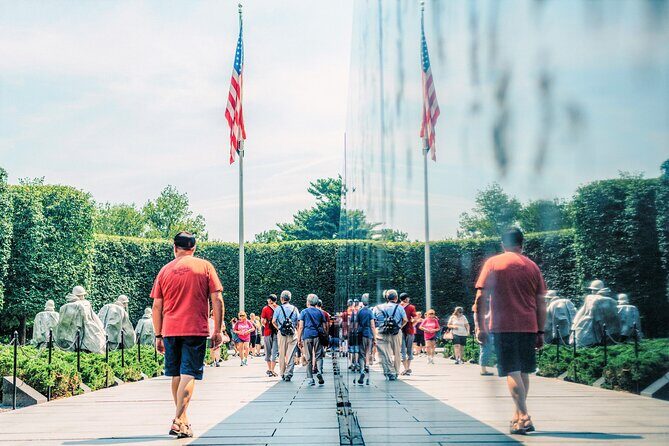
At $87 per person, you’re paying for three big things:
First, you’re paying for guided coordination. The tour includes a professional guide who stays with the group and narrates as you move between major sights.
Second, you’re paying for transportation comfort. You get an air-conditioned vehicle for a route that would be slow (and stressful) if you’re trying to self-drive or self-ride across sites.
Third, you’re paying for a seasonal value add: the Potomac River cruise (when operating). When the cruise is running, it turns the trip from just “more monuments” into a nice change of pace on the water.
Optional upgrades (Washington Monument, Air and Space, and the African American History and Culture museum) can add value if you specifically want interior access on your schedule. If you don’t upgrade, you’ll still cover a strong exterior-and-memorial overview.
Start point at 800 Pennsylvania Ave NW and a realistic day length
You’ll meet at 800 Pennsylvania Ave NW at 10:00 am, and the tour runs about 6 hours. Expect it to feel full, not rushed like a drive-by-only bus tour.
This is also a “show up and go” style of day. There’s no hotel pickup. You’ll find the meeting point is near public transportation, which helps if you’re staying outside the immediate downtown core.
You’ll also want to plan for the fact that some stops are short. The tour uses a steady sequence, then uses the guide’s narration while the bus is rolling or while you’re gathered at each site.
What the bus ride adds: comfort, timing, and phone-friendly moments

The bus is air-conditioned, and in warm months the tour includes complimentary bottled water. That matters in DC because summer days can feel like a marathon of heat lamps and waiting.
One theme I see in strong ratings: people appreciate how the driver keeps things moving and stays calm when roads get complicated. On a route packed with monuments and memorials, you need a driver who can thread traffic and reposition fast when closures or crowding pop up.
There’s also a comfort bonus noted in some comments: a few riders mention the bus having phone charging outlets. Not every bus detail is guaranteed in the info here, but it’s a nice perk if it’s available on your day.
The monument circuit: what each stop is for (and how to enjoy it)
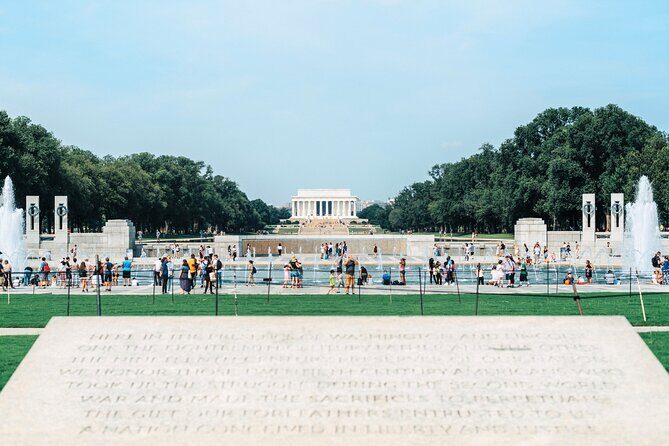
This tour is structured around high-impact monuments and memorials with multiple short photo-and-walk moments. The trick is to know what each stop is doing for your understanding of DC.
U.S. Capitol exterior
You’ll see the outside of the Capitol. This is not an interior visit here, so use the time for quick orientation: where it sits in the skyline, and how it anchors the larger monumental district. Admission isn’t included for this outside stop.
White House exterior
Next is the outside of the White House. Expect photos and a sense of “I’m really here” more than museum-style depth. The stop is longer than some others, which gives you breathing room for pictures.
Martin Luther King, Jr. Memorial
This memorial stop gives you a focused look at a major figure in civil rights history. The time block is set up so you can get a sense of the design and symbolism without feeling like you’re rushing through. Admission is free.
National World War II Memorial
You’ll spend time at the WWII memorial. This is one of those places where the physical layout makes the stories easier to grasp. If you’re short on time in DC, this stop helps you get more than a quick glance.
Korean War Veterans Memorial
This one is brief but meaningful. It’s a good stop for grounding your DC day in the conflicts and sacrifices that shaped modern American history. Admission is free.
Vietnam Veterans Memorial
One of the most visited sights in DC, the Vietnam Veterans Memorial is built for reflection. The shorter stop length works if you’re strategic: arrive ready to pause, take photos only when appropriate, and let the guide’s narration steer you toward what to notice.
Vietnam Women’s Memorial
Right after the Vietnam Veterans Memorial, you’ll see the Vietnam Women’s Memorial. It adds an important angle that many first-time visitors don’t expect to hit in one day.
The “in between” part: lunch on your own in Georgetown Harbor
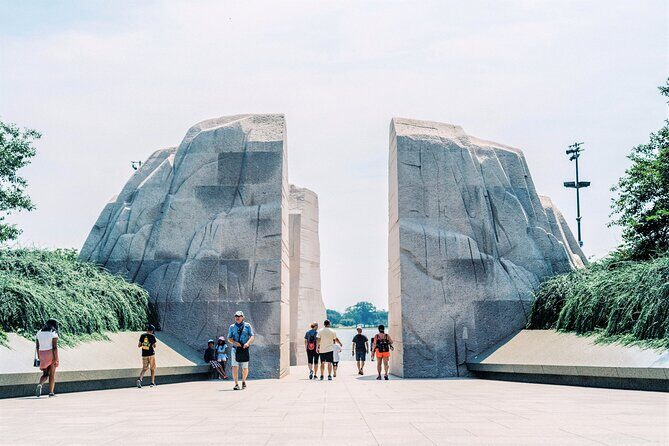
Lunch isn’t included, and you’ll have time to eat on your own during a stop at Georgetown Washington Harbor. This is practical: it breaks up the day before (or around) the ferry/cruise time.
Here’s the smart move: treat lunch as flexible. Since you’re on a timed tour schedule, don’t plan a complicated sit-down reservation unless you’re very sure it fits your exact timing.
If the Potomac cruise option isn’t operating, the plan shifts and you’ll be directed to DC Wharf for that portion of the day.
Potomac River cruise: the best seasonal upgrade for calm views

Between March 26 and October 17 (dates shift by season), the tour includes a seasonal Potomac River cruise. This is the moment that changes the pace. Instead of more standing around monuments, you get open views and a different way to appreciate the skyline.
If you’re going in peak season (think cherry blossom weekends), the water portion can feel like a breather. You may still deal with crowds on land, but the cruise itself gives you room to move and reset.
If the cruise isn’t operating (from Oct 17 to Mar 25), you won’t miss the day entirely. The tour adds bonus stops at Jefferson and Eisenhower Memorials instead.
One note to keep in mind: seating quality on boats can be mixed depending on the day and the vessel. If you’re picky about comfort, I’d come prepared with a layer and expect limited room.
Optional Washington Monument and museum entry: how to use your upgrade wisely
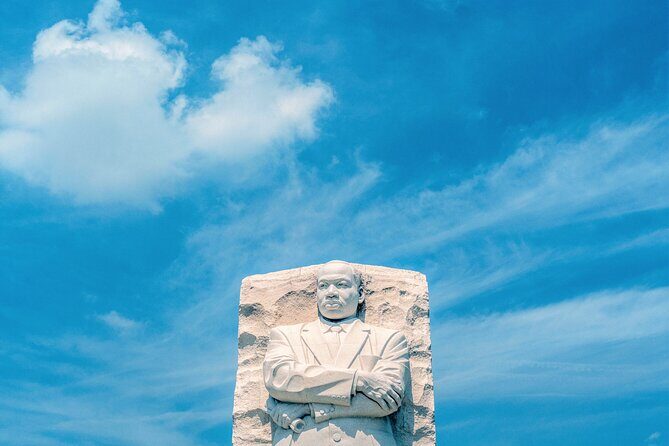
At checkout you can add self-guided entry for:
- Washington Monument
- National Air and Space Museum
- National Museum of African American History and Culture
These upgrades are included as admissions once you select them, but they’re self-paced once you’re inside. That’s a good format if you like choosing how long to spend in each gallery.
One practical detail: some attraction times mean your entry tickets are valid for the following day. That can be a blessing if you want to keep the tour day focused, and it gives you a built-in museum day without booking separate timed tickets.
If you purchase an upgrade, you’ll be expected to ask the guide or driver for the upgrade when checked in—so don’t assume it’s automatically linked to your name without a quick confirmation.
How to hear the guide and avoid the common pacing problems
This tour has a moderate fitness level requirement, and the structure is stop-and-start. That’s normal for DC memorial walking, but a few comments highlight two issues to plan around:
1) Listening depends on where you stand. If you’re too far back, you might miss details when the guide uses a microphone. Your best move is to position yourself where you can hear clearly at each stop, especially during bus transitions and any grouped narration moments.
2) Walking pace can feel quick. Some people found it intense when crowds slowed things down and the group still needed to keep moving. If you’re sensitive to pace changes, wear comfortable shoes and take your time during photo moments—don’t let the crowd pressure you into sprinting.
My take on value: who should book this tour
This is the kind of tour I recommend when you want a smart, guided overview and you don’t want to spend your day making a transportation plan.
You’ll likely love it if:
- You’re on a tight schedule and want many top sights in one go
- You like hearing stories while you look, not just browsing on your own
- You want a seasonal Potomac cruise during spring or early fall
- You’re traveling with family members or a mixed group where bus comfort matters
You might reconsider if:
- You hate walking at all and want a mostly stationary plan
- You need long, deep museum time inside multiple venues on the same day (upgrades are self-guided, and the tour timing is built for a circuit)
- Boat comfort is a top priority and you don’t handle crowded seating well
Should you book this DC bus tour with Potomac cruise and optional museum entry?
I’d book it if your goal is a guided, time-efficient DC highlights loop. The $87 price makes sense when you factor in guided narration, air-conditioned transport, a tight sequence of major memorials, and—when running—the Potomac River cruise.
I’d also book it if you’re planning to use at least one upgrade (Washington Monument, Air and Space, or the African American History and Culture museum). Those interior visits turn your day into more than just exteriors.
Just go in with the right expectations: expect a schedule that keeps moving, some walking, and the need to position yourself so you can hear the guide.
If you want, tell me your travel month and whether you plan to add any museum upgrades. I’ll help you decide what to pick so the day flows.
FAQ
How long is the tour?
The tour is listed at about 6 hours.
What time does the tour start?
The start time is 10:00 am, and it ends back at the meeting point.
Where do I meet the tour?
The meeting point is 800 Pennsylvania Ave NW, Washington, DC 20004.
Is the Potomac River cruise included year-round?
No. It’s included seasonally between March/April and mid-October (dates change seasonally). When it’s not operating (Oct 17 to Mar 25), the tour includes bonus stops at Jefferson and Eisenhower Memorials instead.
What attractions can I upgrade for?
At checkout, you can upgrade for self-guided entry to the Washington Monument, National Air and Space Museum, and/or the National Museum of African American History and Culture.
Are entry tickets included for the stops?
Some memorial stops are free, and the upgrades include admission for the selected museums/monuments. The Capitol and White House are viewed from the outside, and those stops do not include admission in the schedule information. Entry tickets are noted as valid for use the following day due to attraction hours.
Is lunch included?
No. Food and drinks are not included, and the tour includes a lunch stop where you eat on your own.
What’s the cancellation window?
You can cancel up to 24 hours in advance for a full refund.
]]>